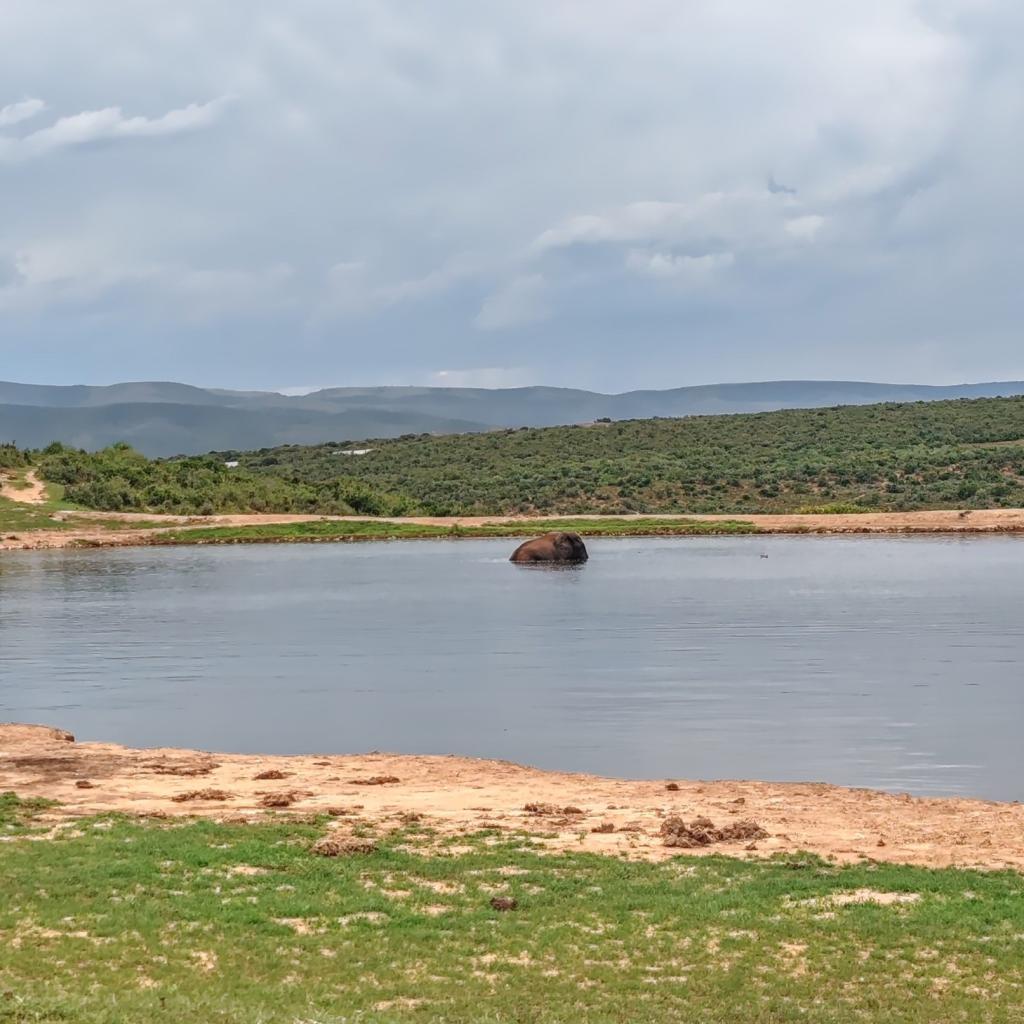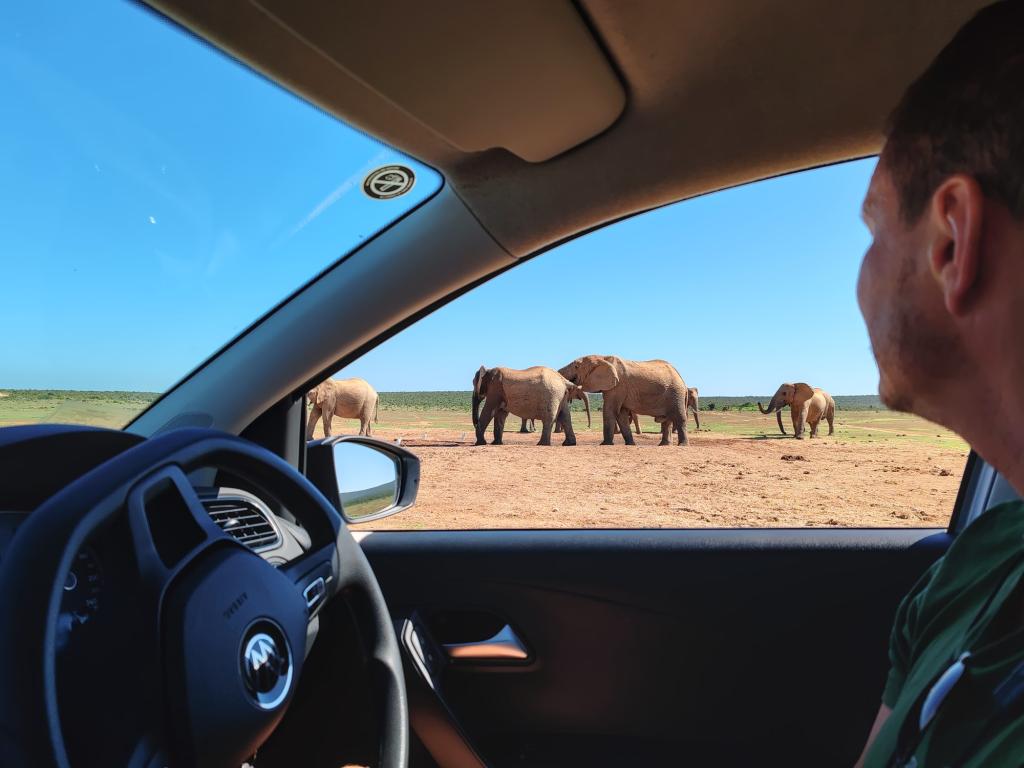
South Africa is an incredibly diverse travel destination and is particularly well known for its safari destinations. The Kruger and Table Mountain national parks are among the most popular places to visit, but there are many other spectacular safari destinations as well. There are several national parks near South Africa’s southern coast and close to the popular Garden Route scenic route. During our first road trip in South Africa, we visited Addo National Park, or Addo Elephant National Park, the country’s third-largest national park, which, as its name suggests, is particularly known for its elephants.
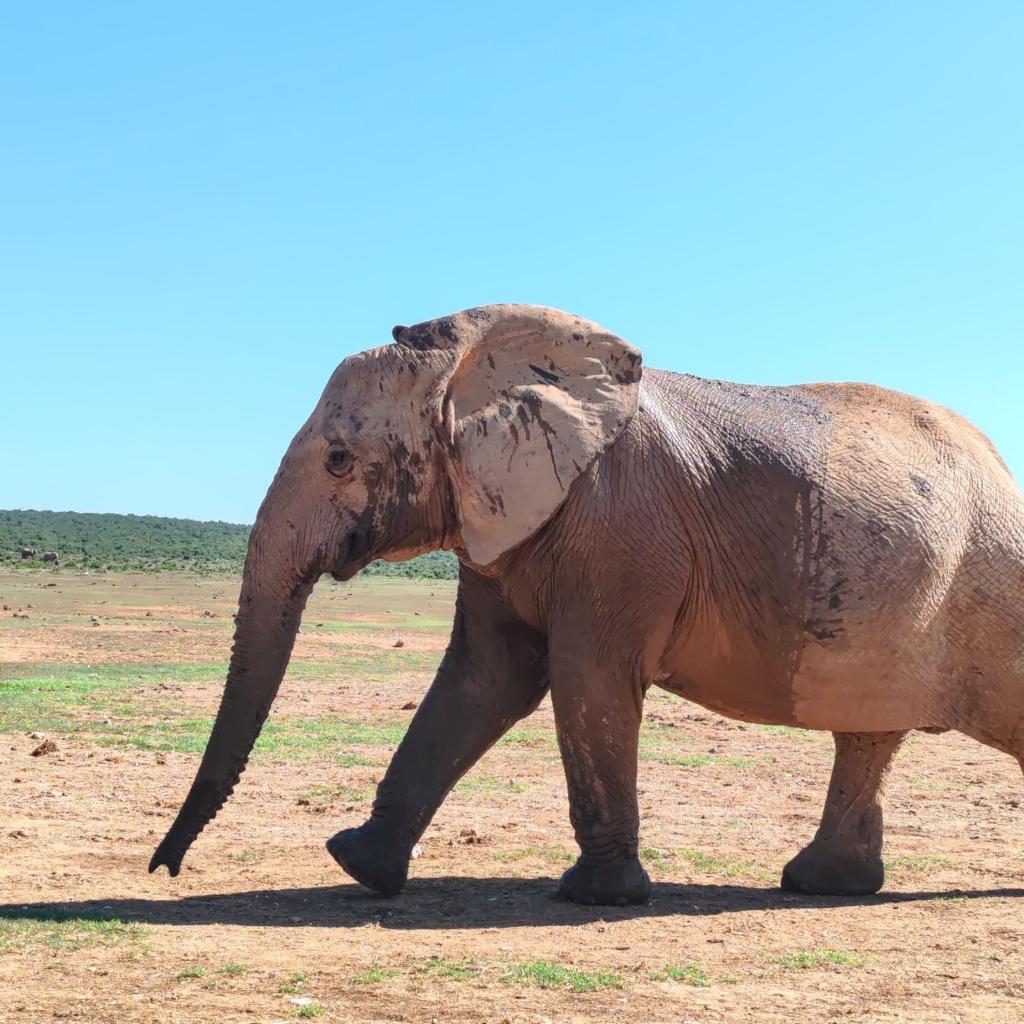
Addo is one of the easiest-to-reach and most memorable safari destinations in South Africa, although it remains less popular than places such as Kruger. Addo is in the Eastern Cape, about an hour’s drive from Gqeberha, or Port Elizabeth. It is easy to do a self-drive safari in Addo National Park, making it an excellent addition to a Garden Route road trip.
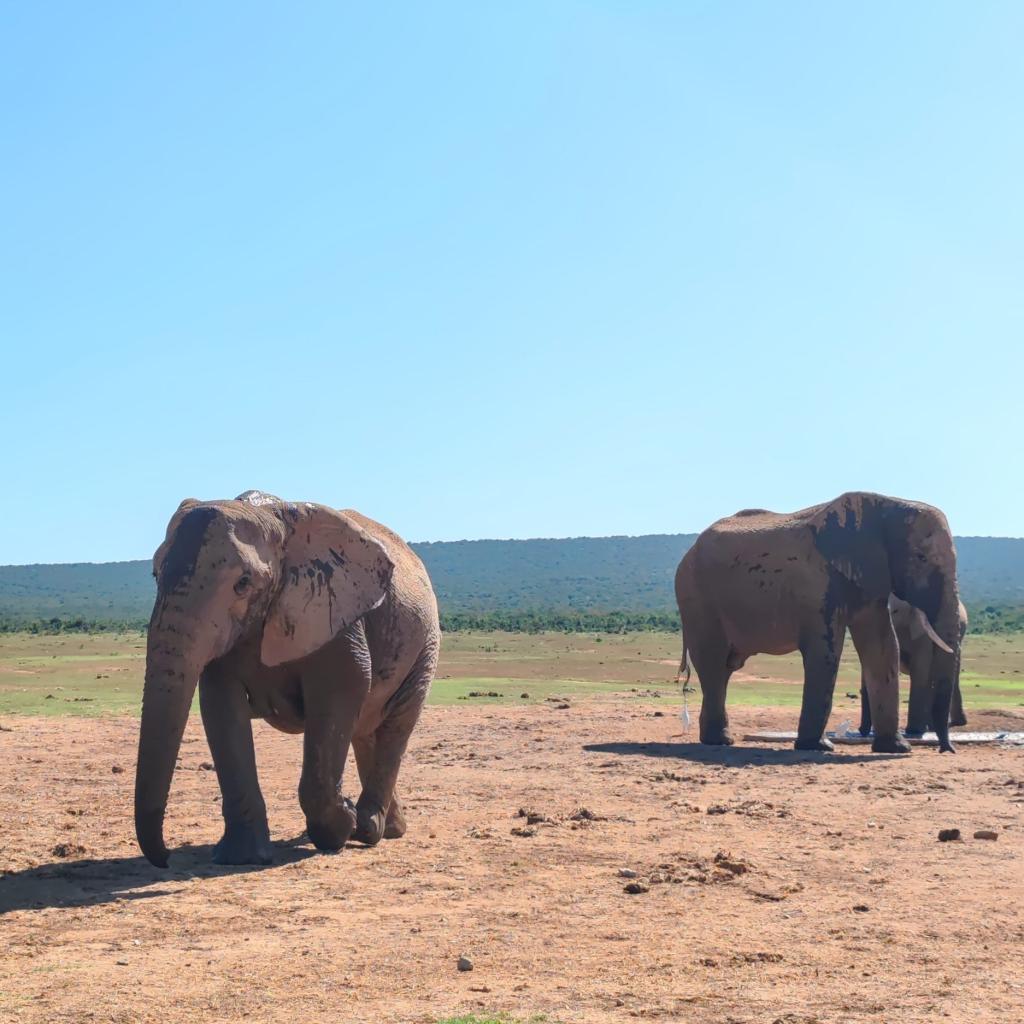
From a handful of elephants to a reserve with hundreds
Addo National Park was established in 1931 to protect the area’s last remaining elephants. By the turn of the century, large farms and citrus plantations had been established in the Addo area, on the elephants’ traditional habitat and migration routes. The elephants were forced to retreat, but during the dry season they returned to the farms in search of water and food, destroying crops and irrigation systems in the process. Because the elephants were considered both a danger and an economic threat, they were ordered to be killed, and almost the entire population was wiped out in just over a year.
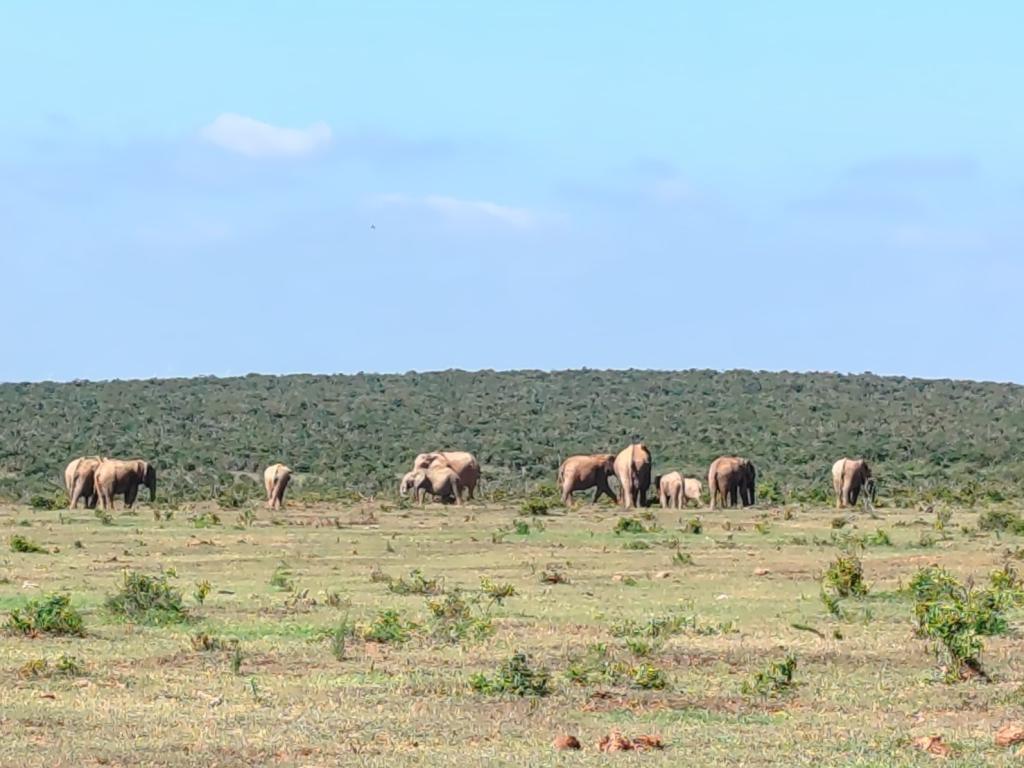
The culling was carried out away from public view, but once news of it spread, the practice was widely condemned. When only a little more than a dozen elephants remained, they were finally protected, and Addo National Park was established in 1931 to safeguard the population. The elephants are said to have been traumatised and the population close to extinction, but conservation efforts gradually allowed the numbers to recover.
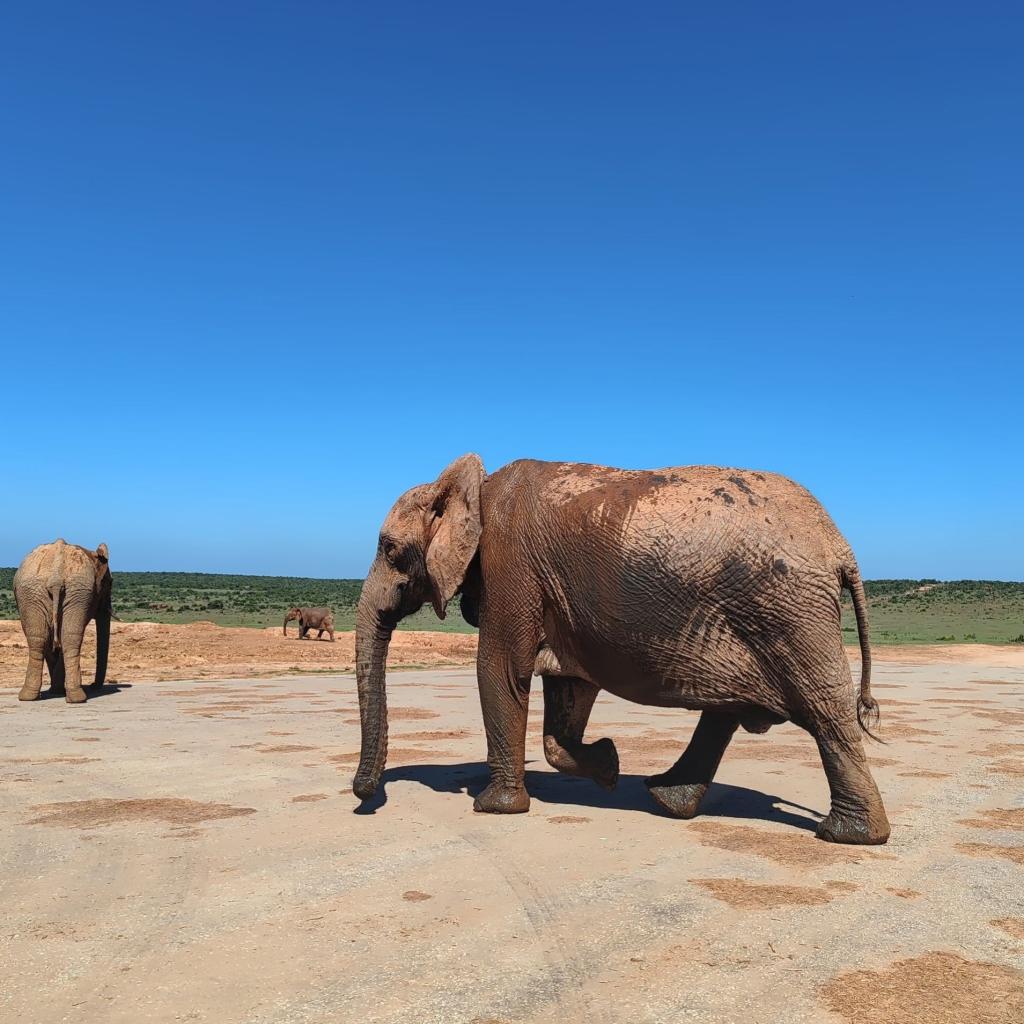
Today, more than 600 elephants live in Addo National Park, and the population that once came close to extinction is thriving.
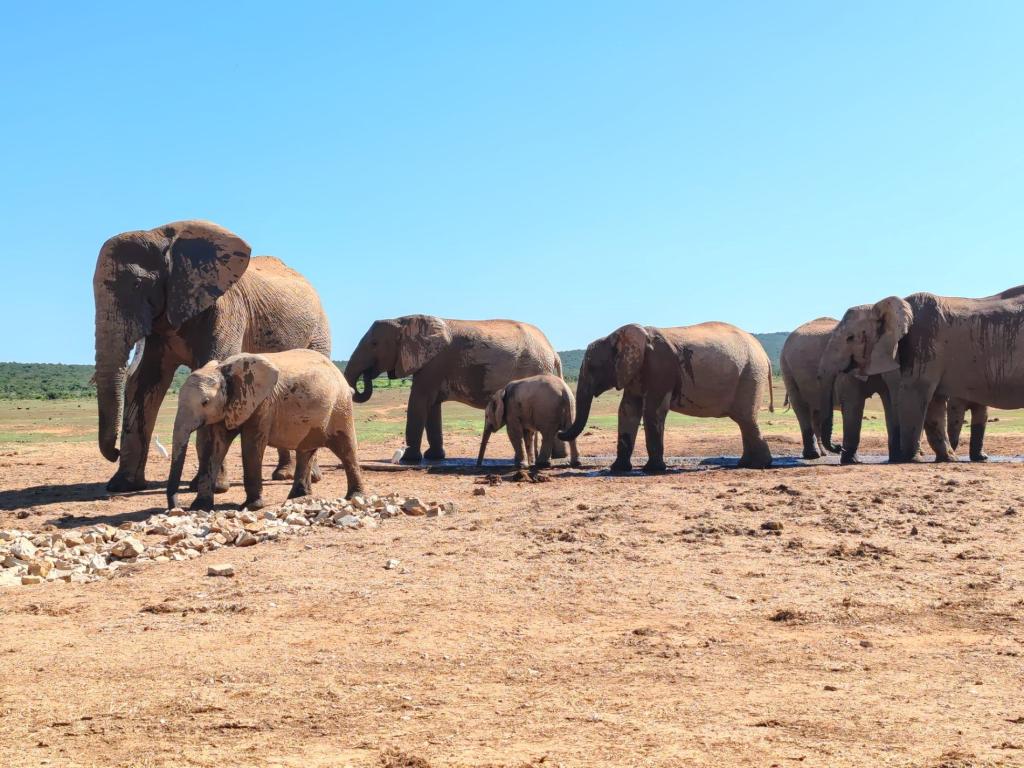
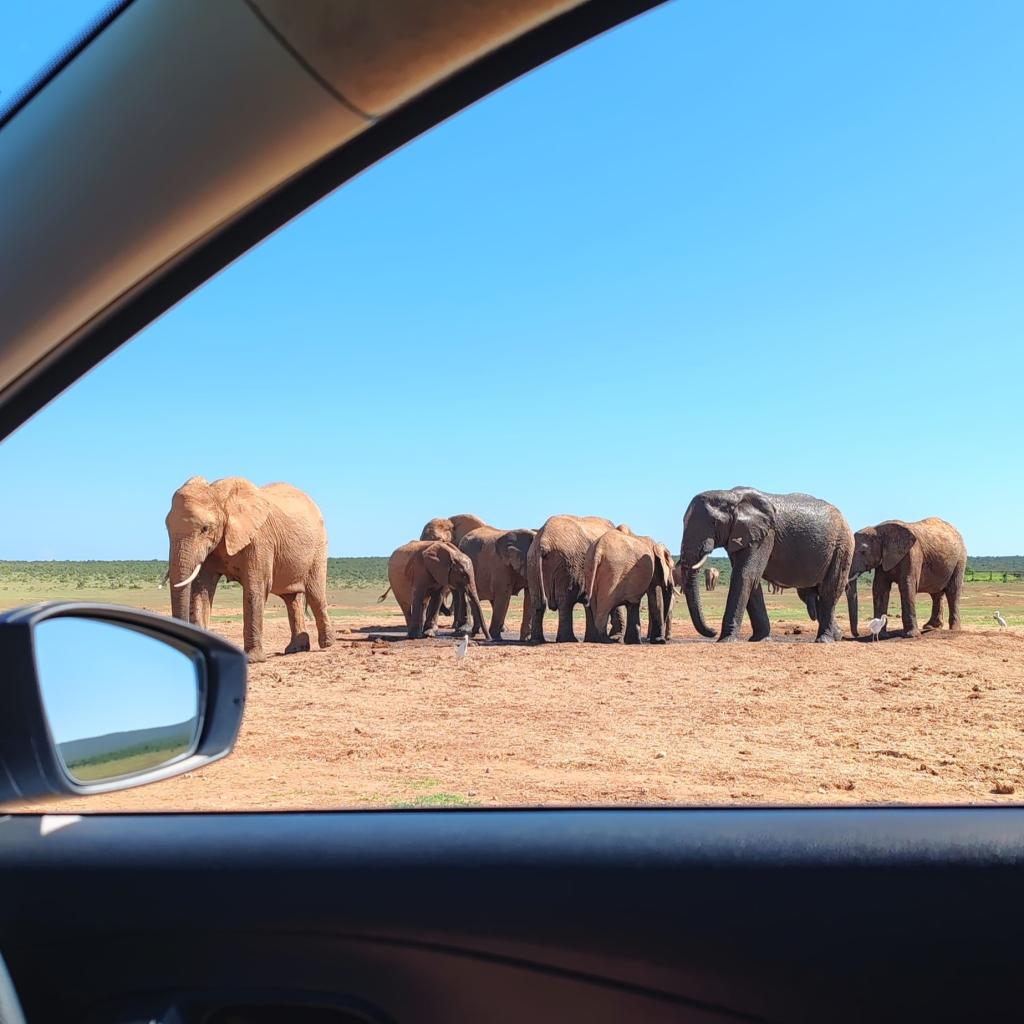
Addo’s “Big Seven” and its diverse wildlife
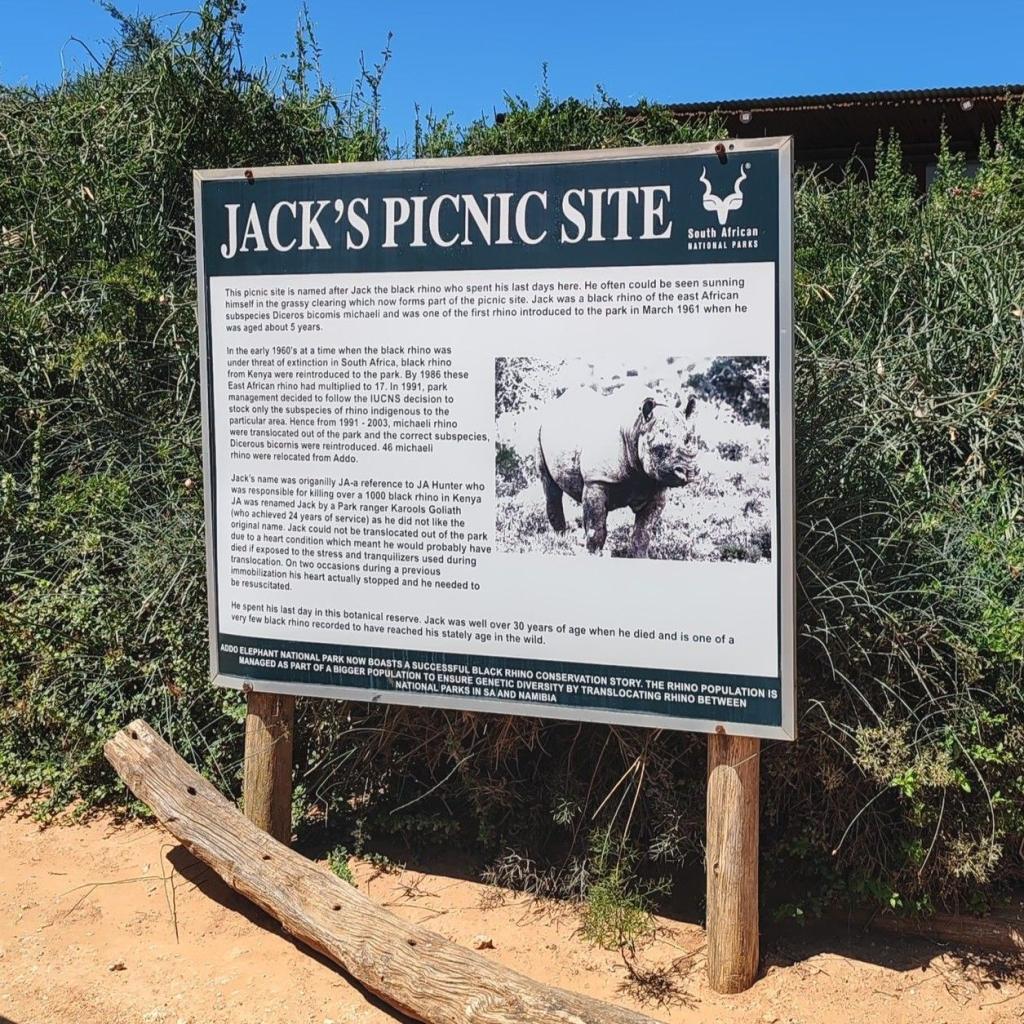
Addo National Park has expanded from its original protected areas all the way to the coast, and today it protects the so-called “Big Seven”: in addition to elephants, the other Big Five animals, lion, leopard, buffalo and rhinoceros, plus two giants of the sea, the great white shark and southern right whale. The park encompasses several different vegetation zones, from mountains to sand dunes, and has exceptionally rich wildlife.
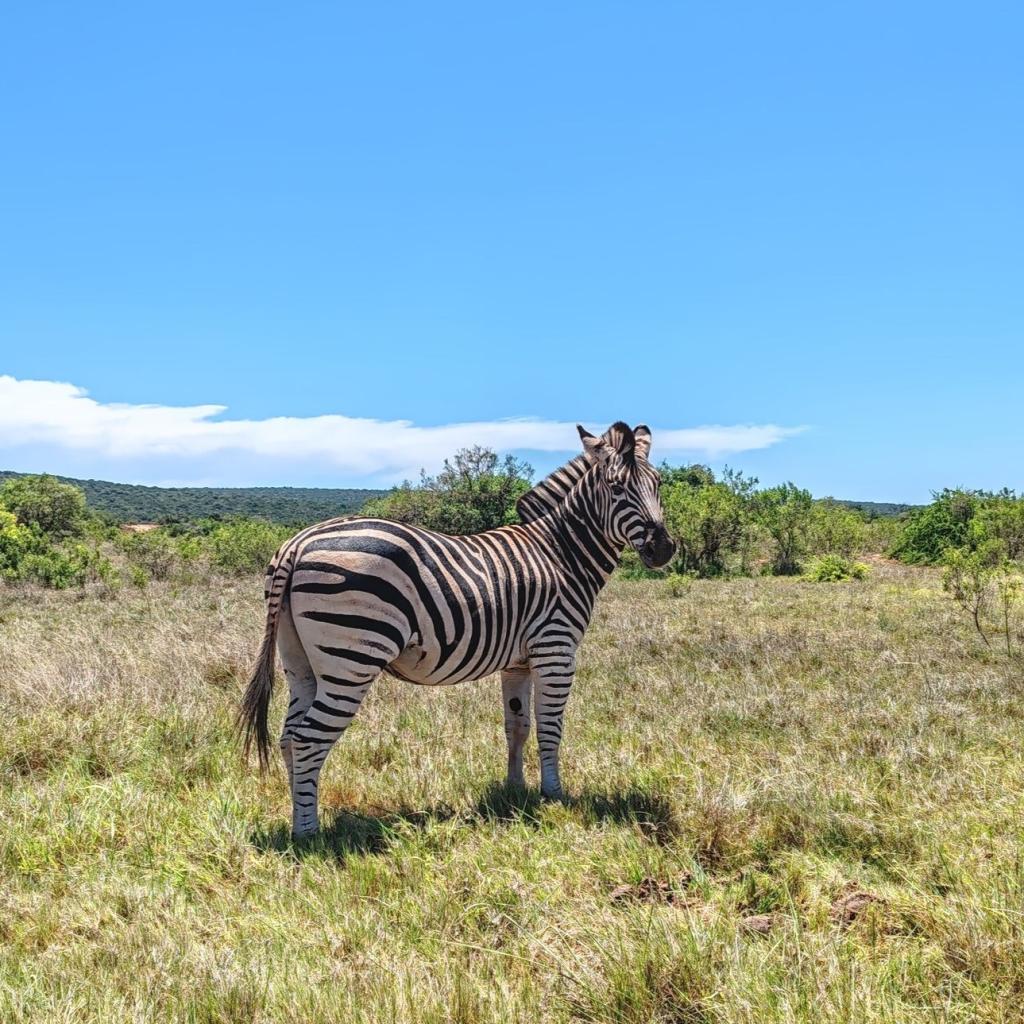
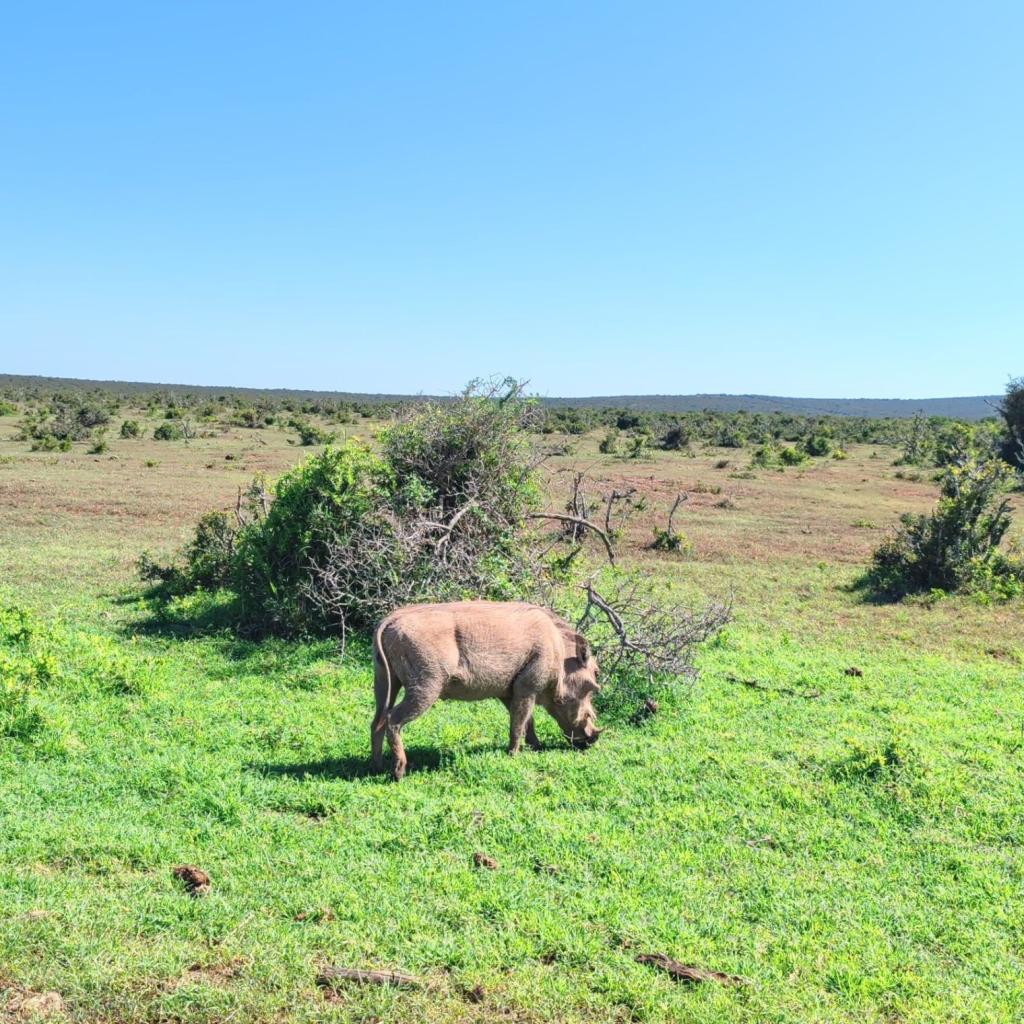
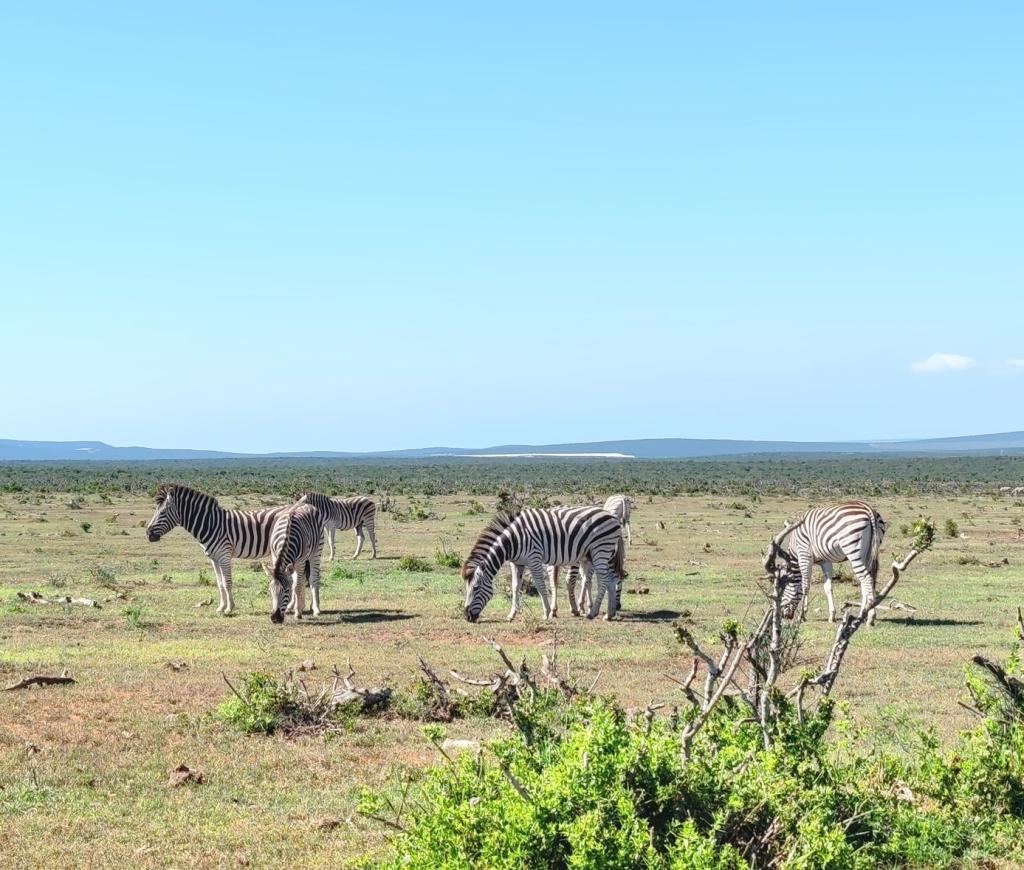
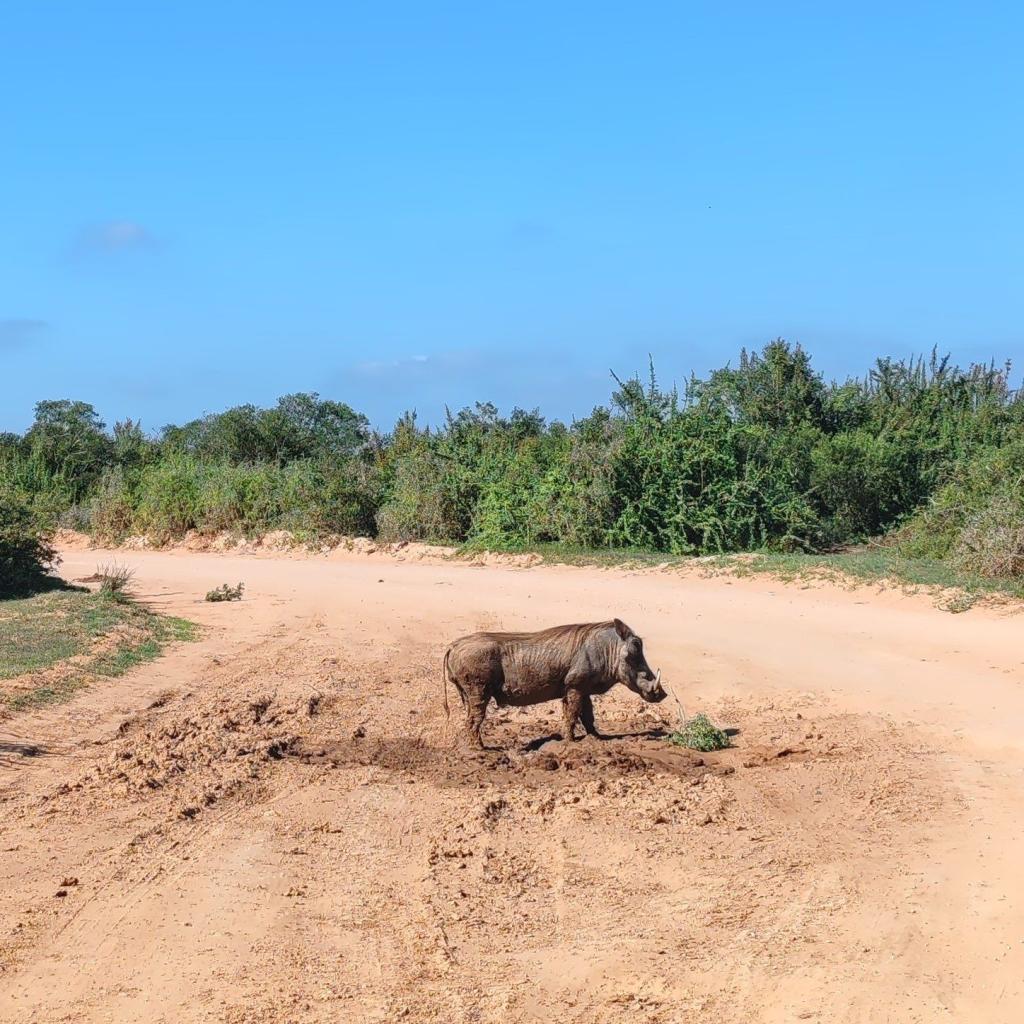
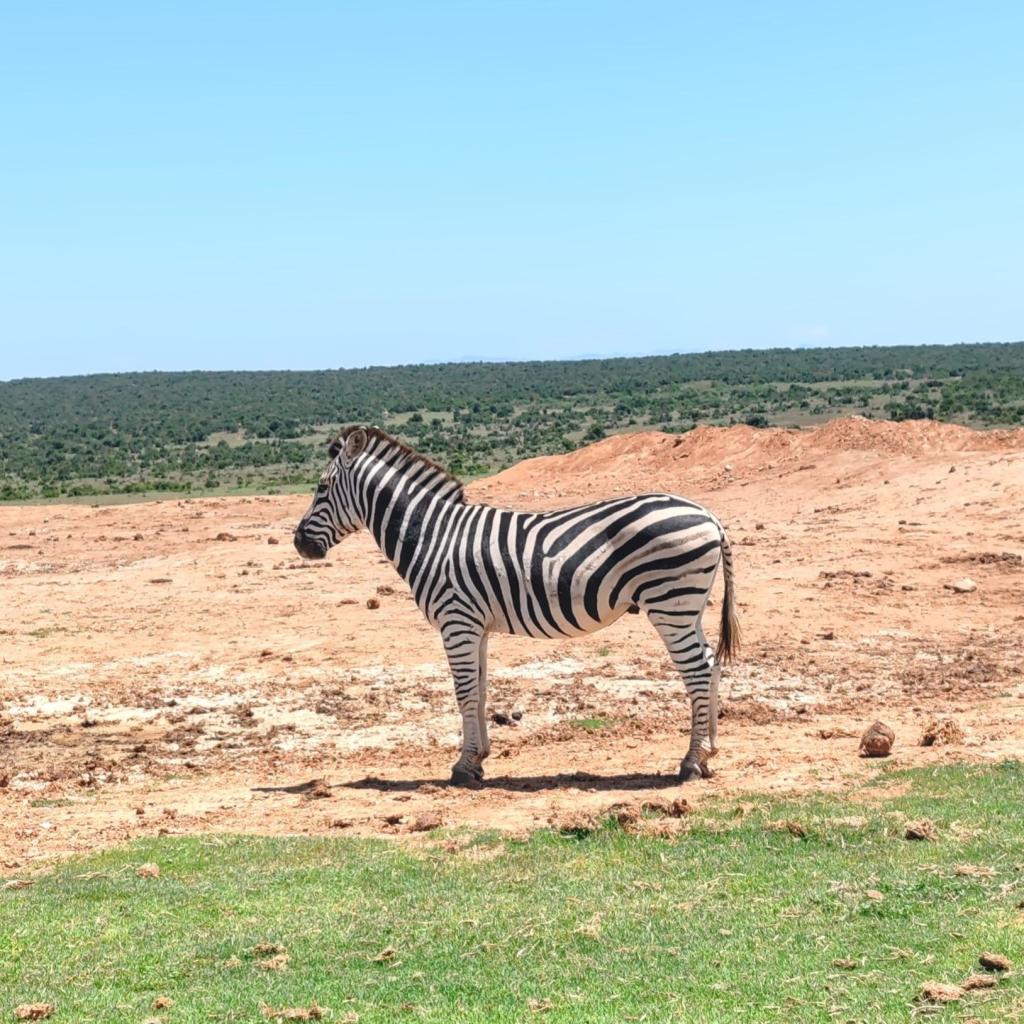
Altogether, the Addo area is home to more than 90 mammal species, over 400 bird species and dozens of reptile and amphibian species. In addition to the Big Five, a safari drive typically offers sightings of zebras, numerous antelope species, hyenas, warthogs and ostriches, among others.
Where to get travel insurance for a longer trip?
Over more than eight years of nomad life, we’ve searched for cost-effective and reliable solutions, especially for travelers’ health insurance.
In the article Nomad Travel Insurance: 3 +1 Easy Options, we present international insurance options suitable also for extended trips.
Tips for visiting Addo
Addo is an excellent destination for a self-drive safari. You can drive your own car or a rental car, and four-wheel drive is not needed on the main roads. At the gate, you receive a clear map of the area, along with instructions for getting around the park and a fun wildlife-spotting game. In December 2025, the entrance fee (conservation fee) to Addo was 492 rand, or about 25 euros per person per day, with no additional charge for bringing a car into the park.
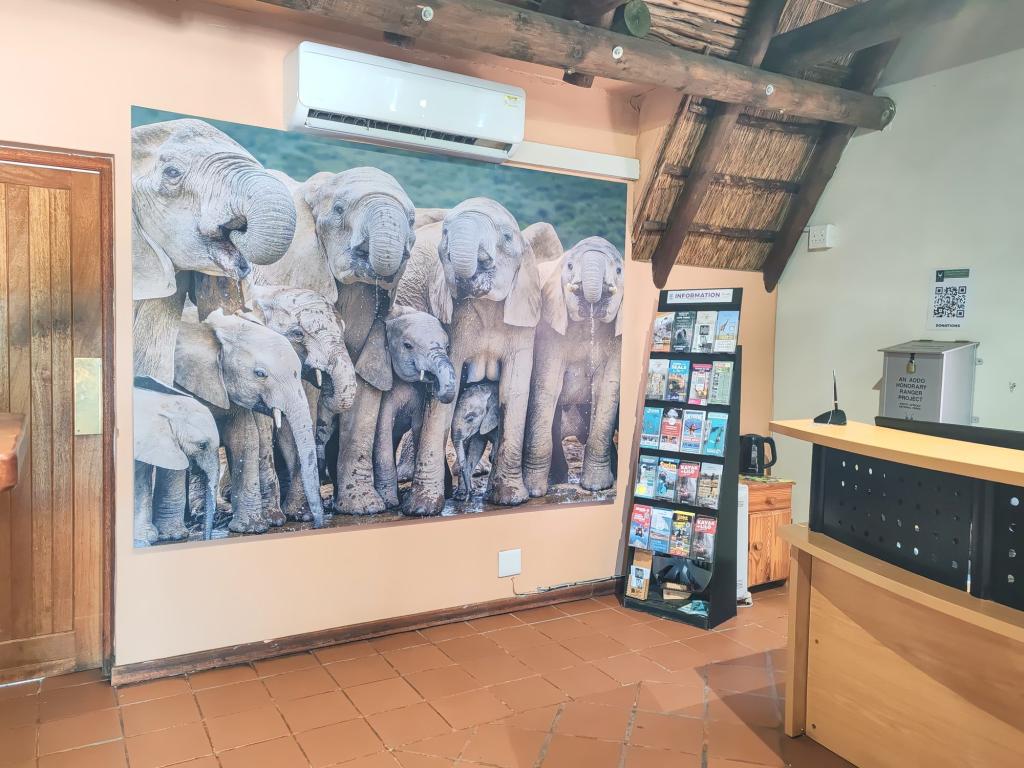
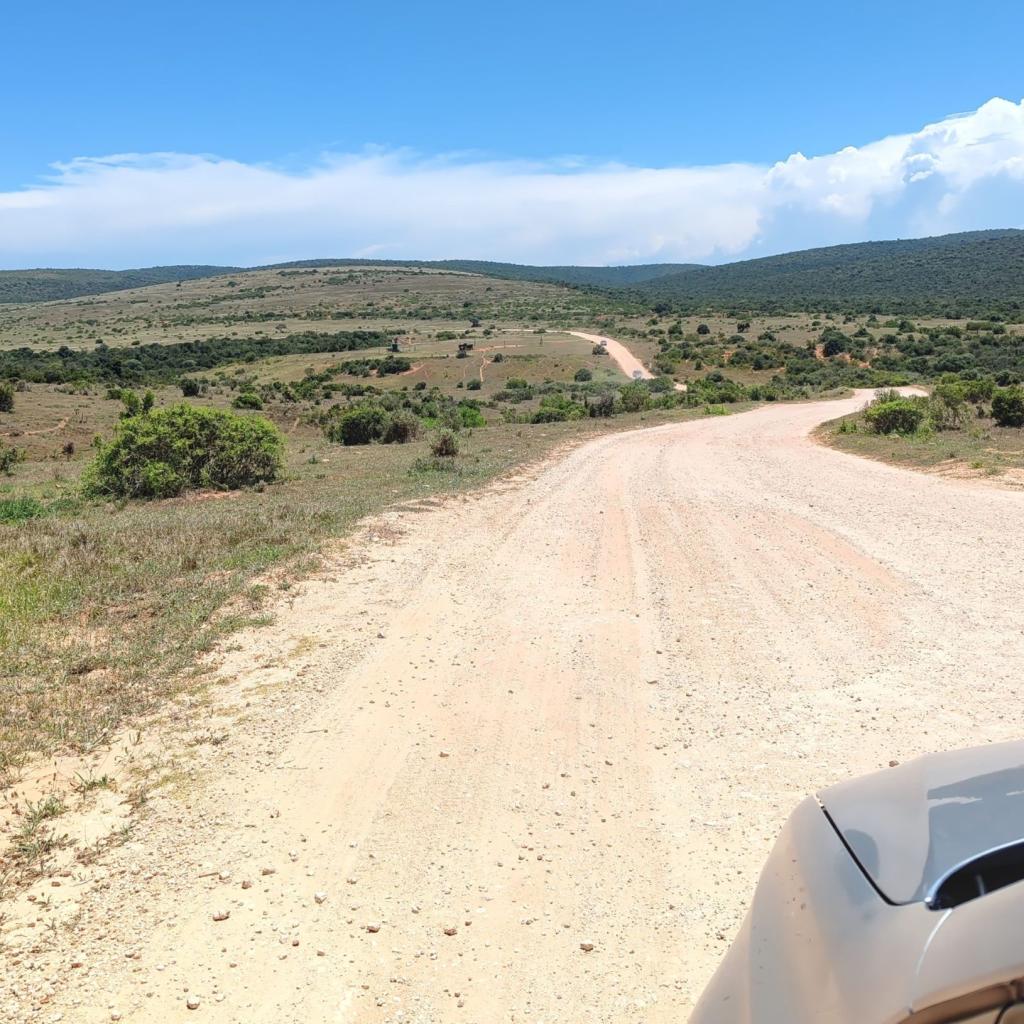
Many of the park’s animals are accustomed to vehicles, so even on a self-drive safari you can see them quite close up. All the photos in this post were taken with a phone camera. There are numerous waterholes along the main routes, and animals often gather around them. The most famous and popular wildlife-spotting location is Hapoor Dam, a large reservoir named after Hapoor, a large male elephant. Here you may see dozens or even hundreds of elephants drinking, swimming or cooling off in the mud.
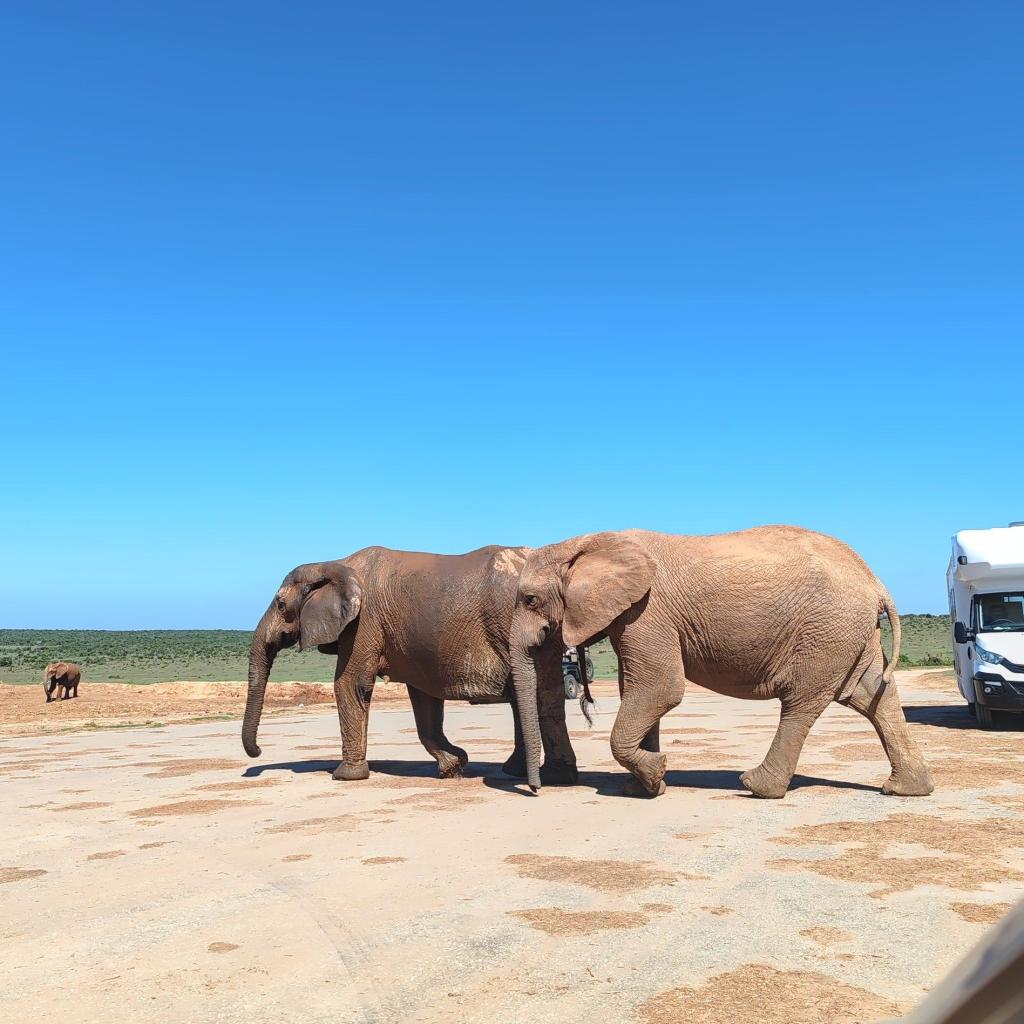
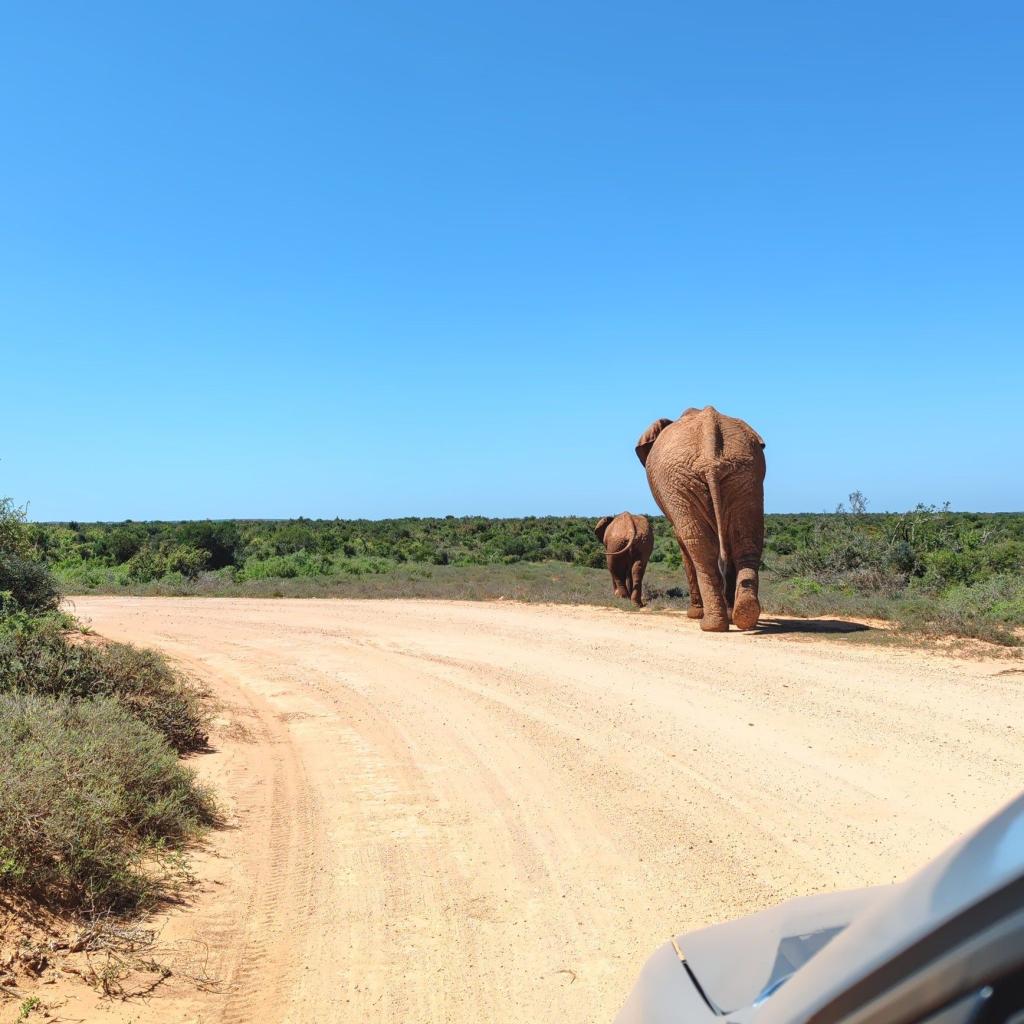
In addition to self-driving, you can explore Addo National Park on guided tours. A guided safari is a great way to learn more about the area’s nature, and guided tours are also available after dark, when it is easier to spot the park’s big cats.
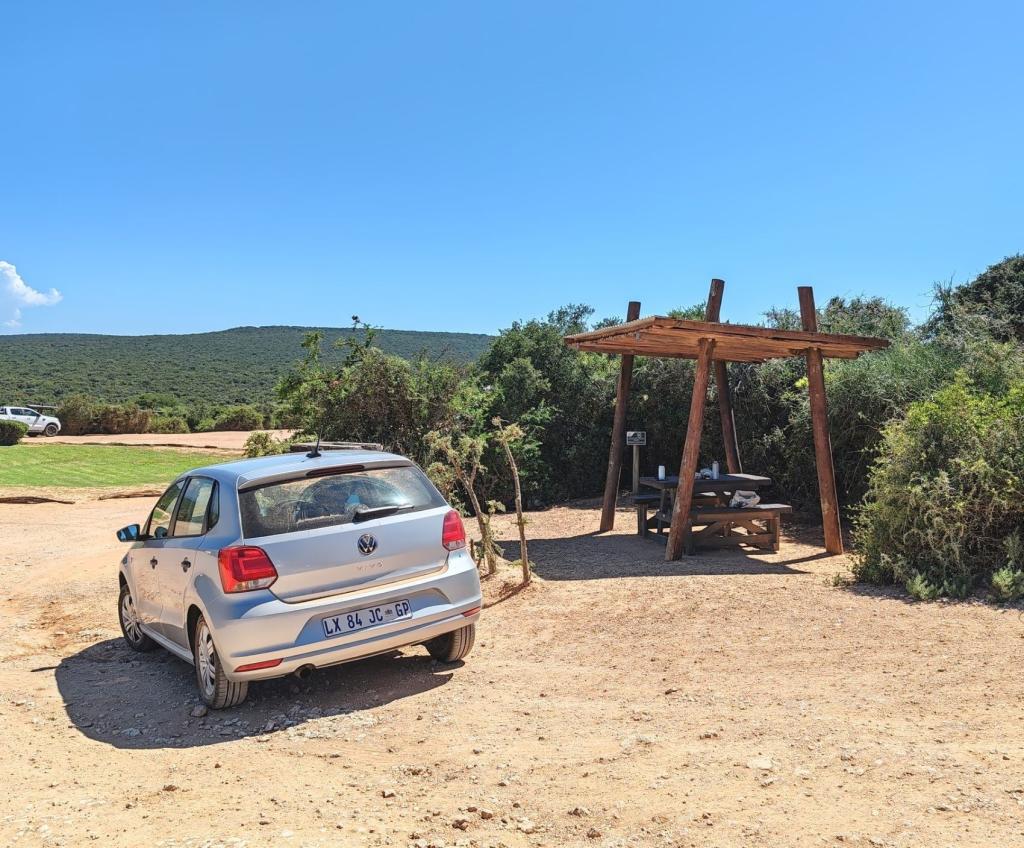
Addo can be visited year-round. The climate is relatively dry, so you can see animals at the waterholes outside the main dry season as well. The dry winter season, May to September, is often mentioned as the best time to visit Addo, but we also saw a great deal of wildlife when we visited in December, during the warm and greener summer season. Our timing was somewhat unusual weather-wise, though, as the day we visited Addo was extremely hot, with temperatures reaching 39°C, before a cooling thunderstorm moved over the park.
During a day trip, there is enough time to drive the main routes in Addo and spend time near the waterholes watching the elephants, but you can also stay overnight in the national park. Inside the park there are government-owned camps managed by SANParks, including Addo Main Camp, Matyholweni Rest Camp and Spekboom Tented Rest Camp. The camps offer cottages and/or tent accommodation, while Main Camp also has sites for motorhomes. Accommodation is mostly self-catering, with a kitchen or barbecue area, although Main Camp also has a restaurant, shop and petrol station. Accommodation options and prices can be found on the park’s website. Outside the park gates, you can stay at private safari lodges, and there are also a couple of luxury resorts inside the park. The most affordable option is to stay in Gqeberha, just over an hour’s drive from the park, and there are also relatively affordable places to stay in nearby villages.