
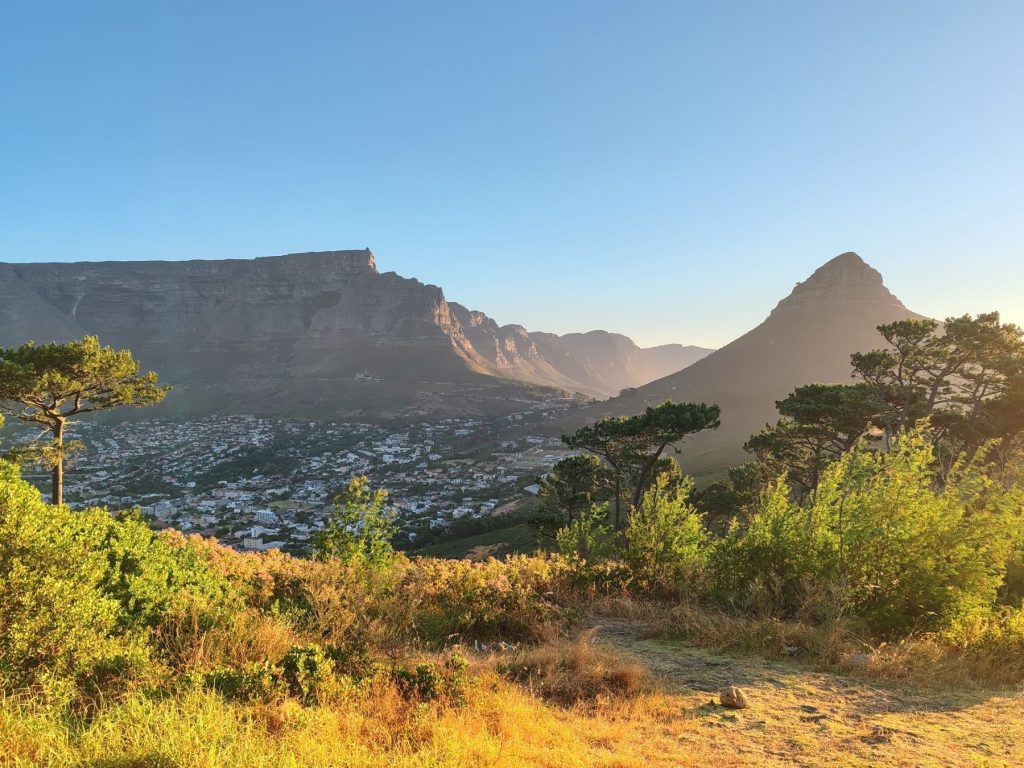
Our trip of a little over half a year in southern Africa began in November in Cape Town, South Africa, which became our base for a couple of months. We lived in several locations around the city and also did two house-sitting assignments, which let us see this beautiful city of millions from different angles. This post briefly introduces Cape Town’s most popular areas and sights, hikes up the city’s best-known landmark, Table Mountain, in spectacular scenery, and soaks up the atmosphere of this lively metropolis. Welcome along to explore Cape Town with us!
Cape Town’s history in a nutshell
Cape Town is South Africa’s legislative capital (the other capitals being Pretoria and Bloemfontein), and it is often nicknamed the “Mother City”. The nickname stems from Cape Town being South Africa’s oldest city, although there has been settlement in the South Africa and Cape region for more than 10,000 years. With around five million inhabitants, the metropolis is South Africa’s second most populous city after Johannesburg.
Cape Town’s origins are closely tied to the beginning of South Africa’s colonial history in the mid-17th century, and largely rest on chance. European explorers and merchant ships had been stopping off what is now Cape Town to trade since the late 15th century, but it was only the 1647 shipwreck of the Dutch ship Nieuw Haarlem that set the actual settlement of the area in motion. Part of the crew was carried to Europe on other ships, but some camped on the shore of Table Bay to stay behind and search for and guard the wrecked ship’s cargo. The men traded with local tribes, fished and hunted, and noted the area’s potential as a more permanent place to live.
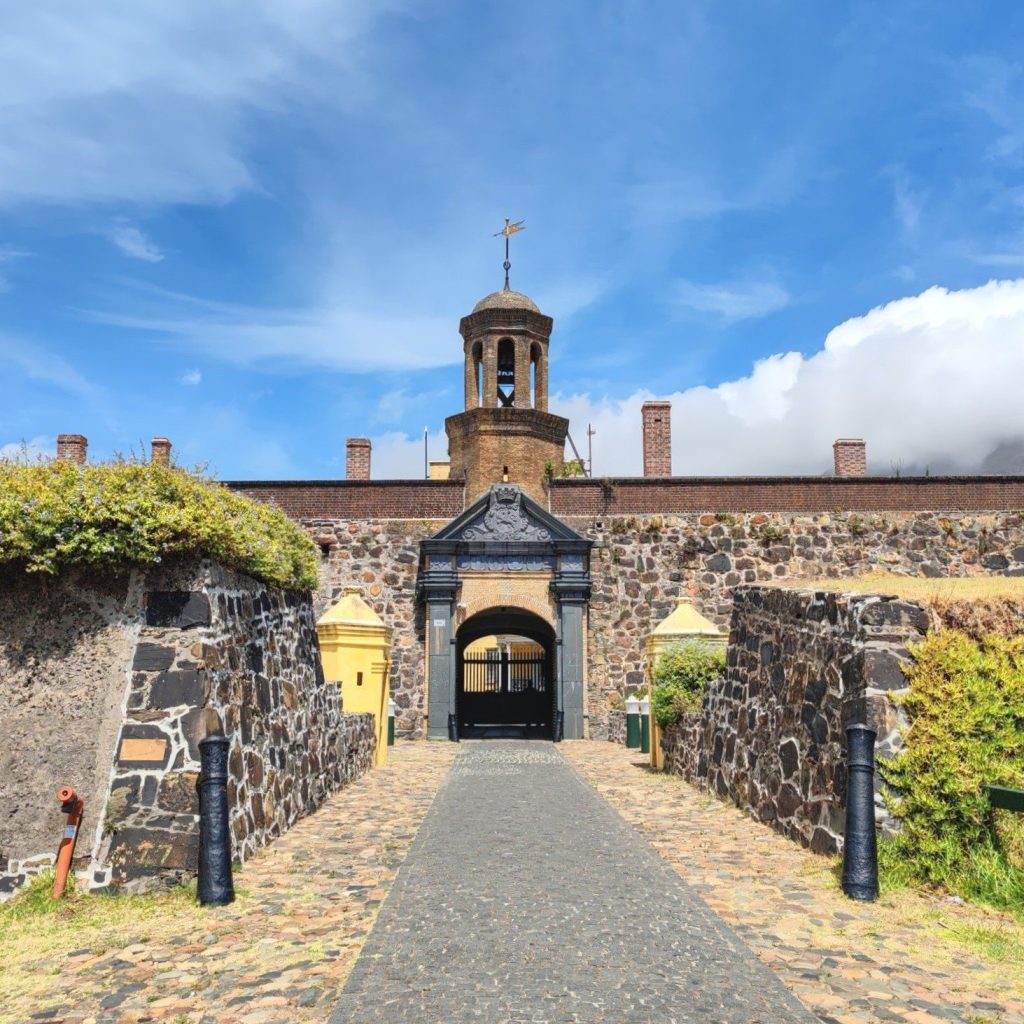
The Dutch East India Company ordered a settlement and a resupply station for merchant ships to be established on the shore of the sheltered Table Bay. The first European colony arrived in the area on 6 April 1652, led by Jan van Riebeeck. The colony quickly began channelling fresh water and farming, and in 1666 construction of the first fortress began. The castle completed in 1679, the Castle of Good Hope, is the oldest building in South Africa.
Cape Town remained in Dutch hands until 1795, when it passed to British control after the Battle of Muizenberg. In 1803 the Dutch briefly returned to power, but British Empire rule was restored after the Battle of Blaauwberg in 1806. Under the British, Cape Town urbanised rapidly, and, as was typical of the time, it was built largely with slave labour.
In the late 19th century significant gold discoveries were made in eastern South Africa, and Johannesburg, founded in 1886 near the mines, rose to a dominant position, although Cape Town remained important as a port. From the mid-20th century until the early 1990s, life in the city was shaped by strong racial segregation, whose best-known opponent was Nelson Mandela, imprisoned on Robben Island off Cape Town and later elected President of South Africa. The pursuit of equality in the country continues, and in Cape Town too, for example, wealth disparities are enormous and the majority of the population lives in very modest conditions.
Cape Town’s sights by area
We had heard positive experiences of Cape Town from other travellers in advance, but still didn’t expect it to be as stunningly beautiful as it is. Scenically, Cape Town ranks among the most beautiful cities in the world, and the combination of lively city life, nature sights, beaches and culture makes it an unbeatable city destination.
Many head to South Africa primarily with a safari holiday in mind, but if at all possible, we absolutely recommend combining the safari destinations with a few days’ holiday in Cape Town. Cape Town is quite a large area, so in the following we divide it into smaller pieces, starting from the core city centre, moving from there further out and finally up onto Table Mountain and the Cape Peninsula. In this post the sights of Cape Town are introduced only briefly, but if we get the chance, we will return to at least some of them in posts of their own.
Cape Town’s core city centre, the City Bowl
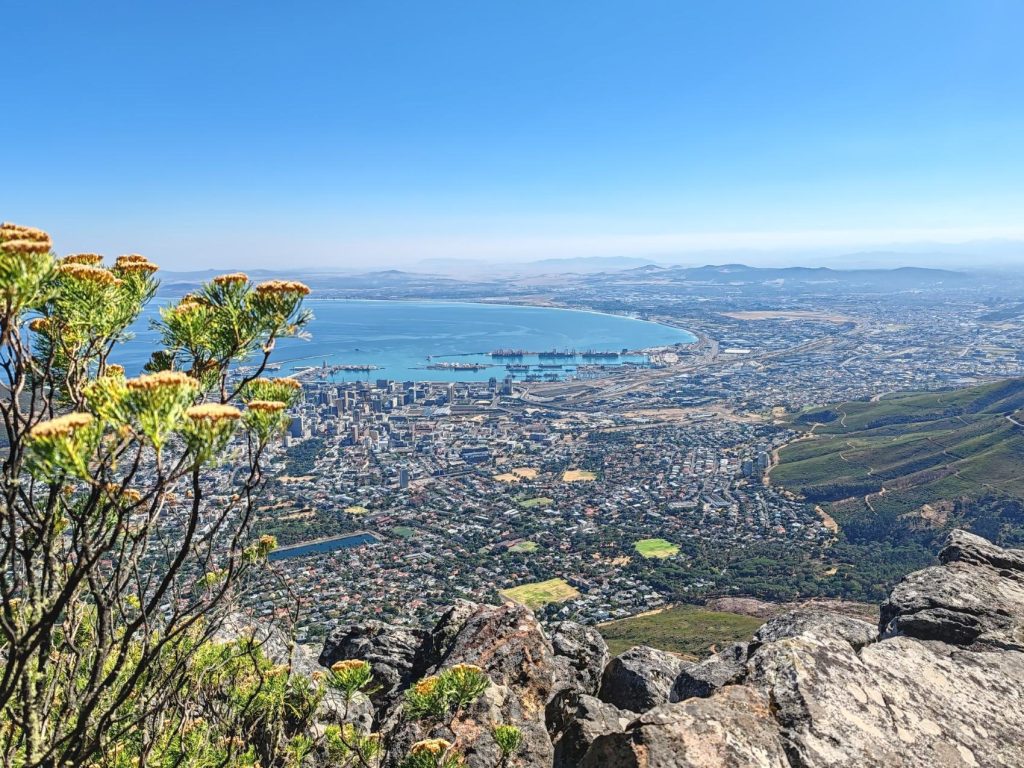
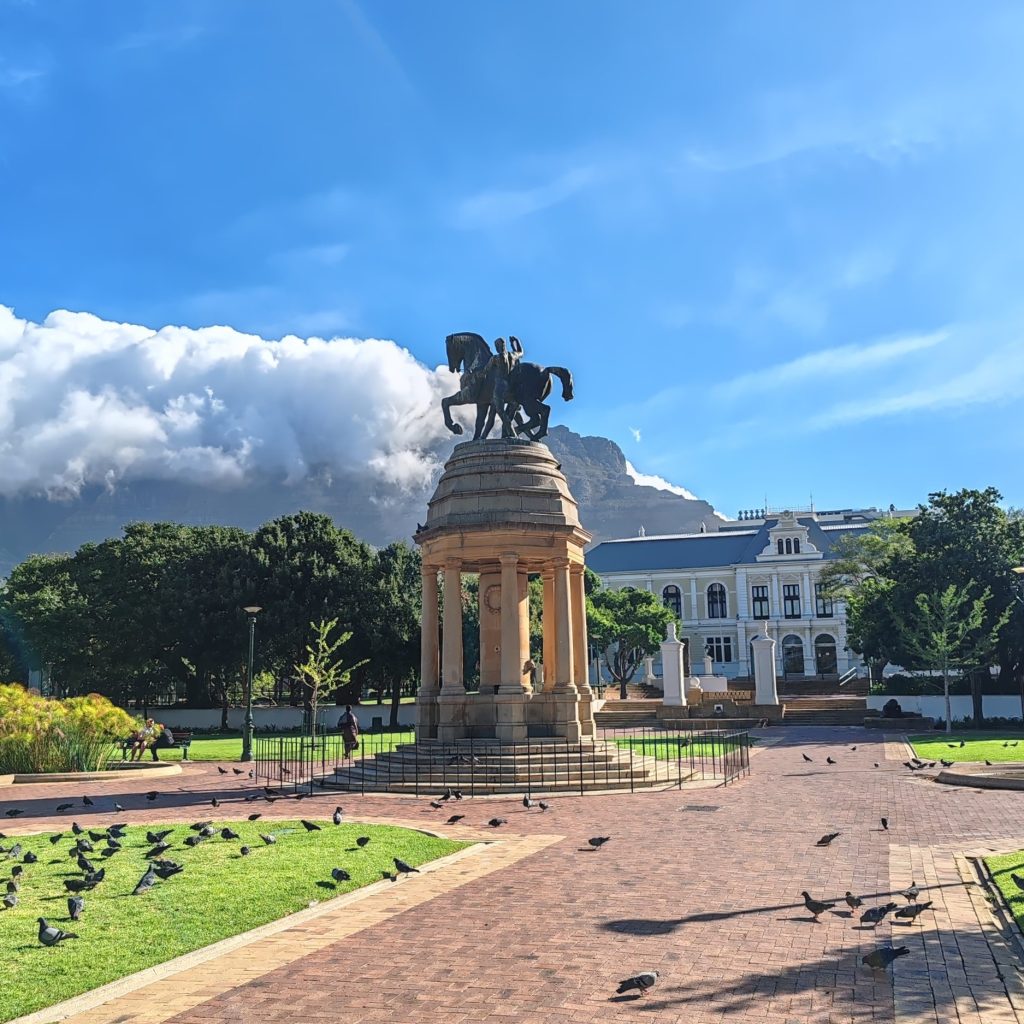
Cape Town’s old centre, the so-called core city centre, lies north of Table Mountain, which dominates the scenery of the whole peninsula. The name “bowl”, City Bowl, comes from the centre having been built in a bowl-shaped valley, surrounded – besides Table Mountain itself – by the mountain range between Signal Hill and the Lion’s Head peak, the Devil’s Peak summit and the large harbour area on the shore of Table Bay.
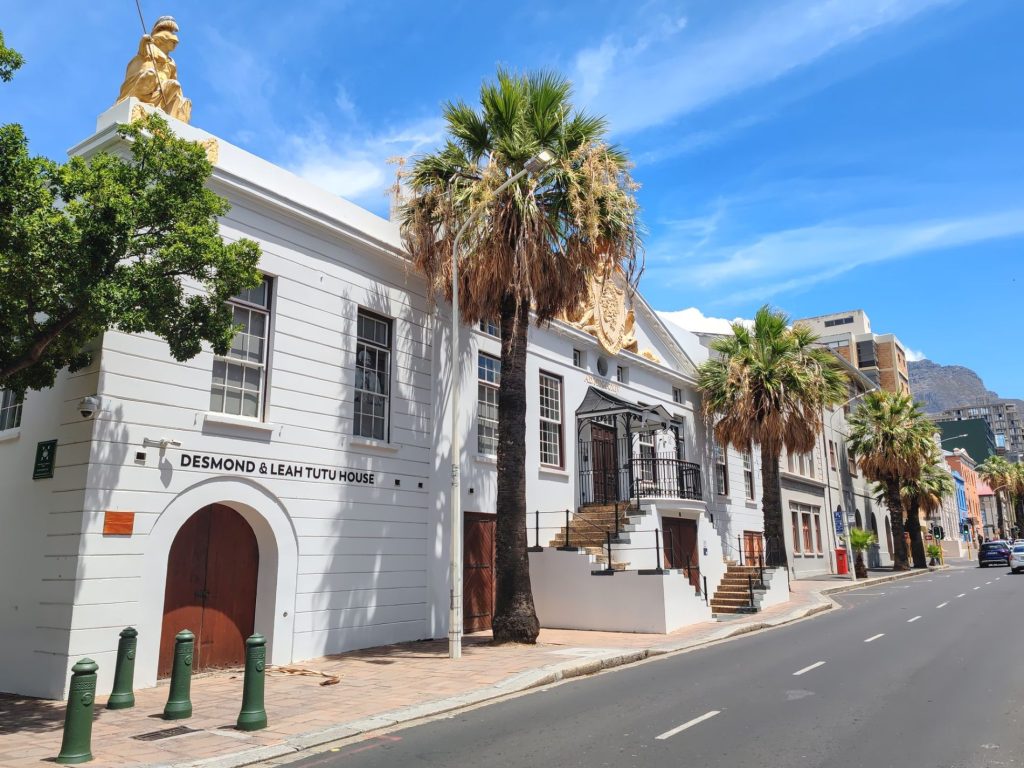
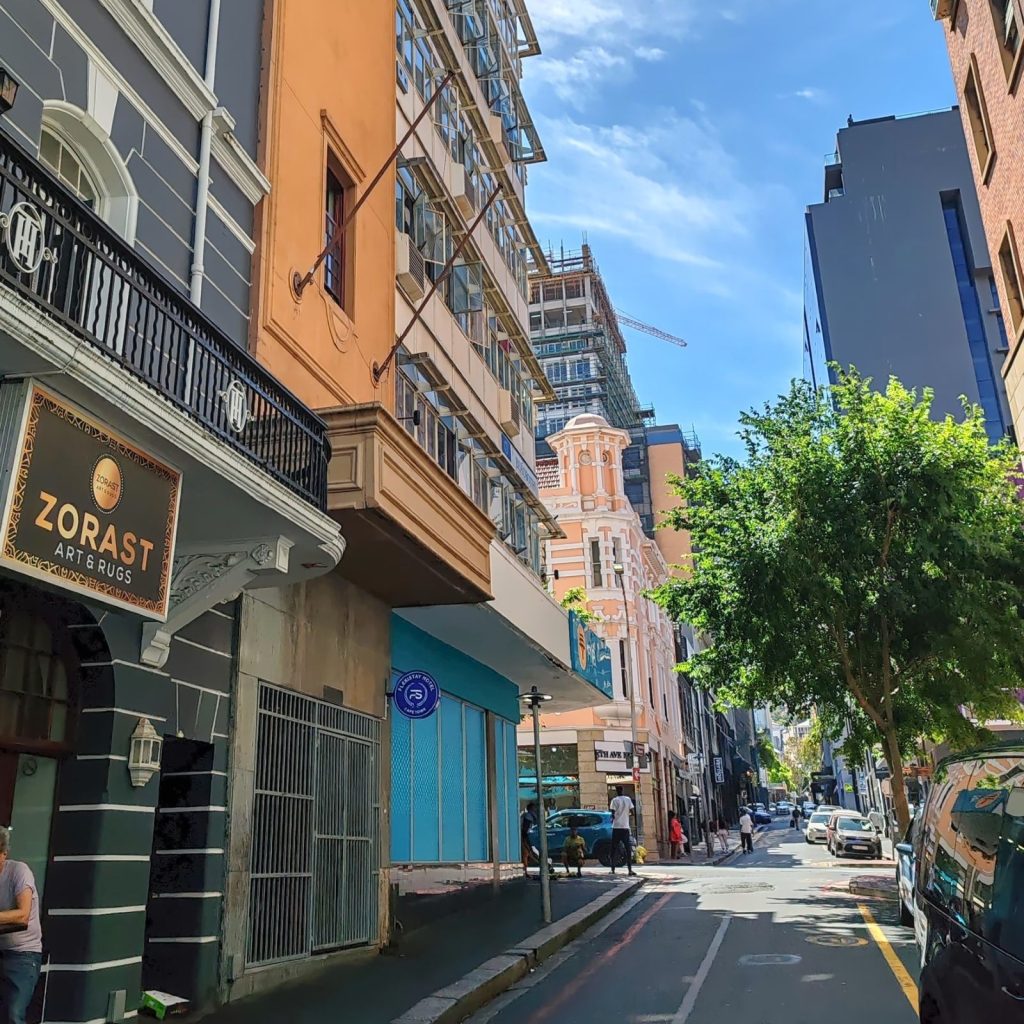
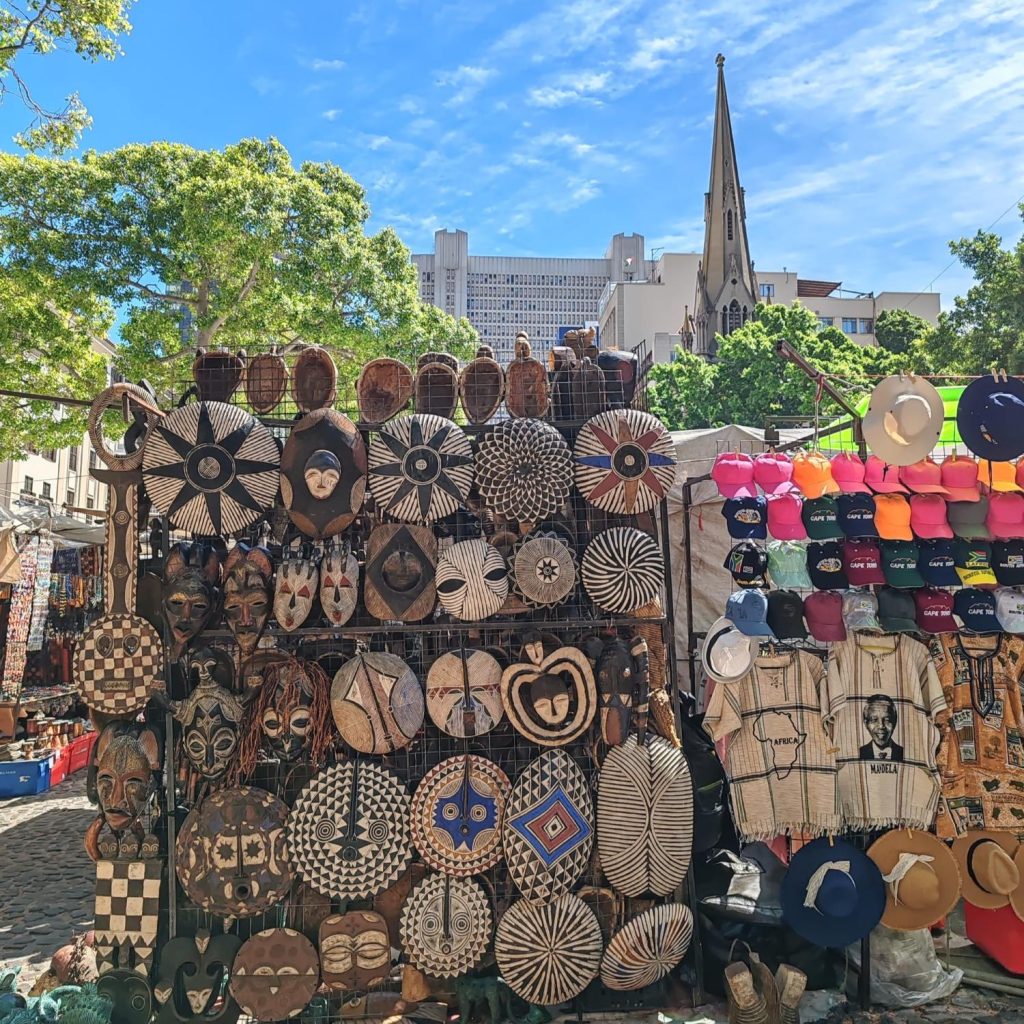
The oldest parts and buildings of the city centre exude colonial-era history, and there you should visit at the very least the Castle of Good Hope fortress, the Grand Parade square and the City Hall, where a statue of Nelson Mandela on the balcony commemorates his first speech after being released from prison, as well as the historic trading place Greenmarket Square. Other interesting sights in the City Bowl area include Company’s Garden park, Kloof Street, known for its beautiful buildings, restaurants and cafés, and the District Six Museum, which tells of the apartheid era.
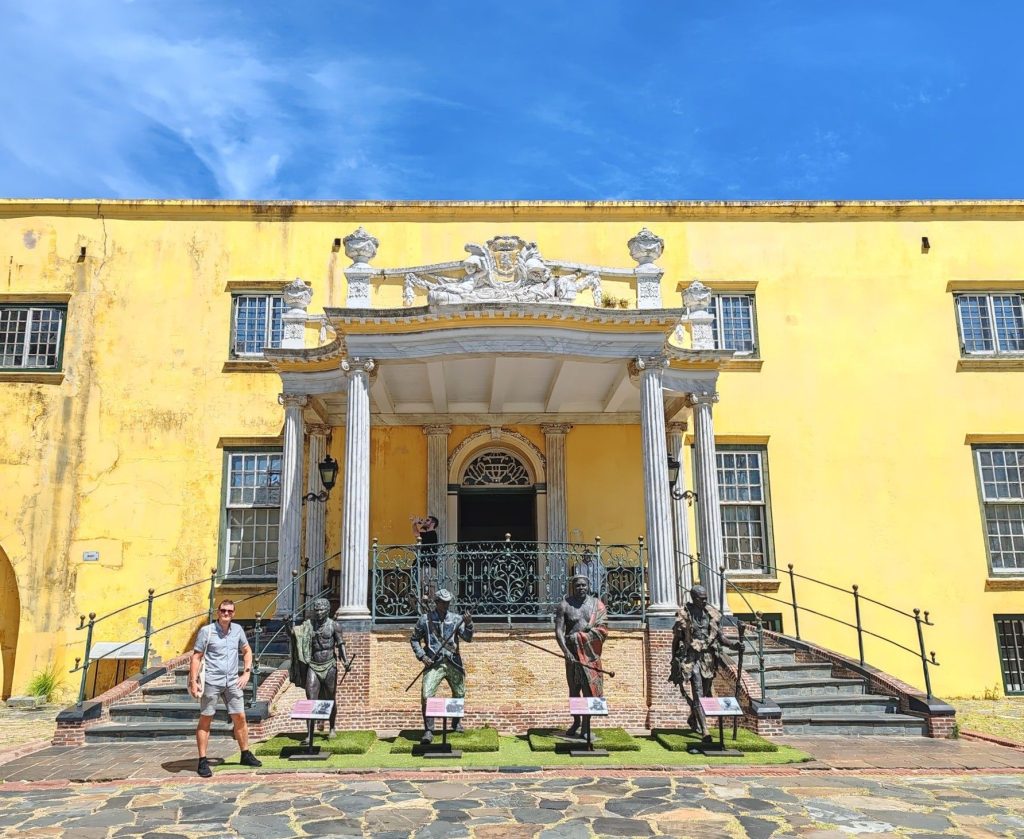
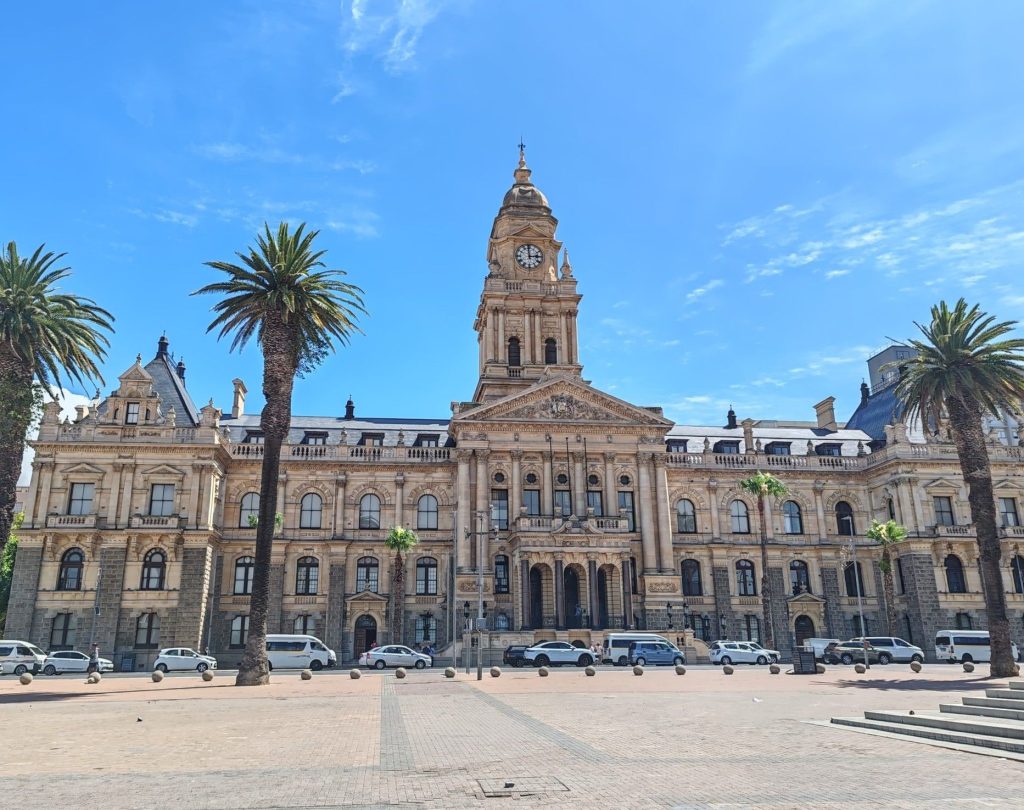
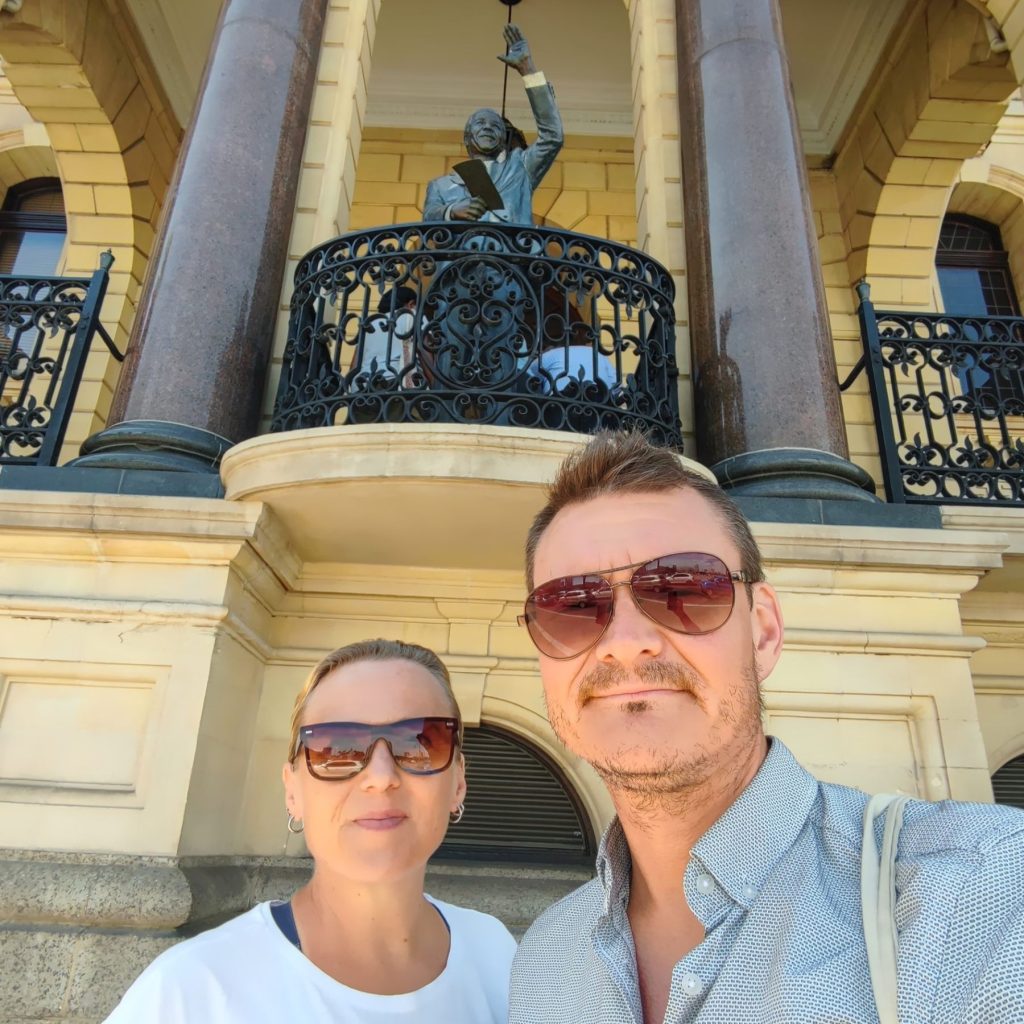
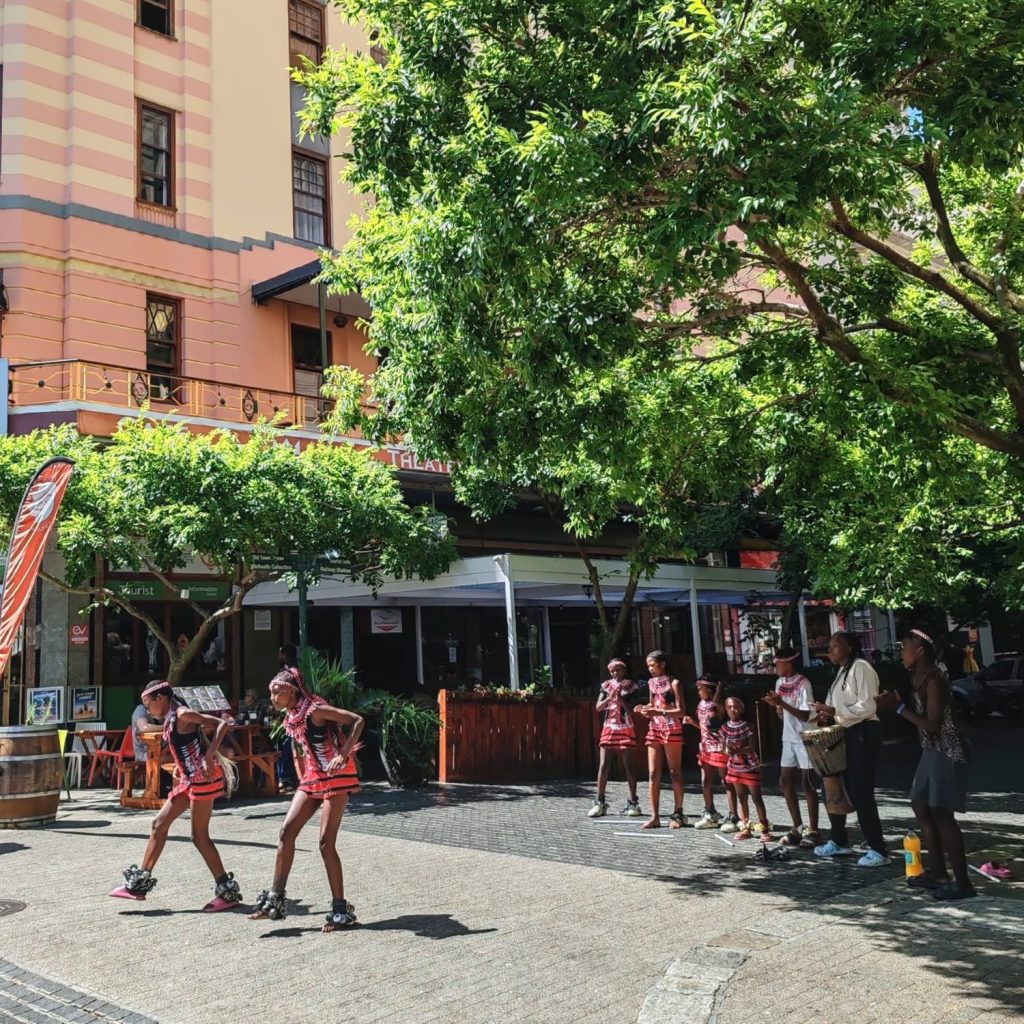
In the City Bowl area, in the quiet Vredehoek, we did a fairly long pet-sitting assignment over the Christmas and New Year season, and from there we made both city tours and outings onto the trails of Table Mountain.
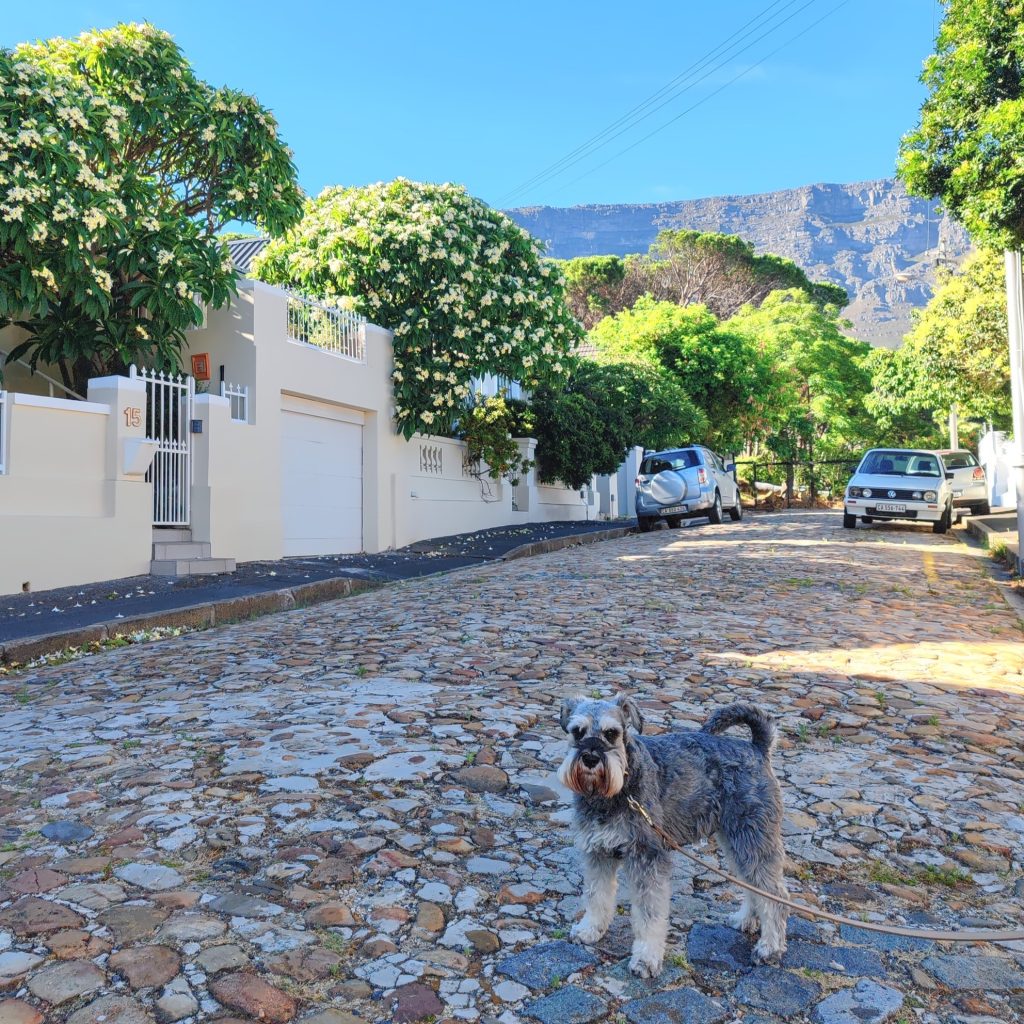
Between house-sitting assignments and road trips, we also stayed a few days on a couple of occasions near the city centre in Woodstock and Observatory. Woodstock is a lively area with many restaurants and, among other things, microbreweries, while Observatory is a more bohemian area where many students live. In fact, we too spent a night or two in a so-called student residence*, which also has rooms for rent. In Woodstock we stayed in hostels, such as the quite nice Happy Home*.
Colourful, historic Bo-Kaap
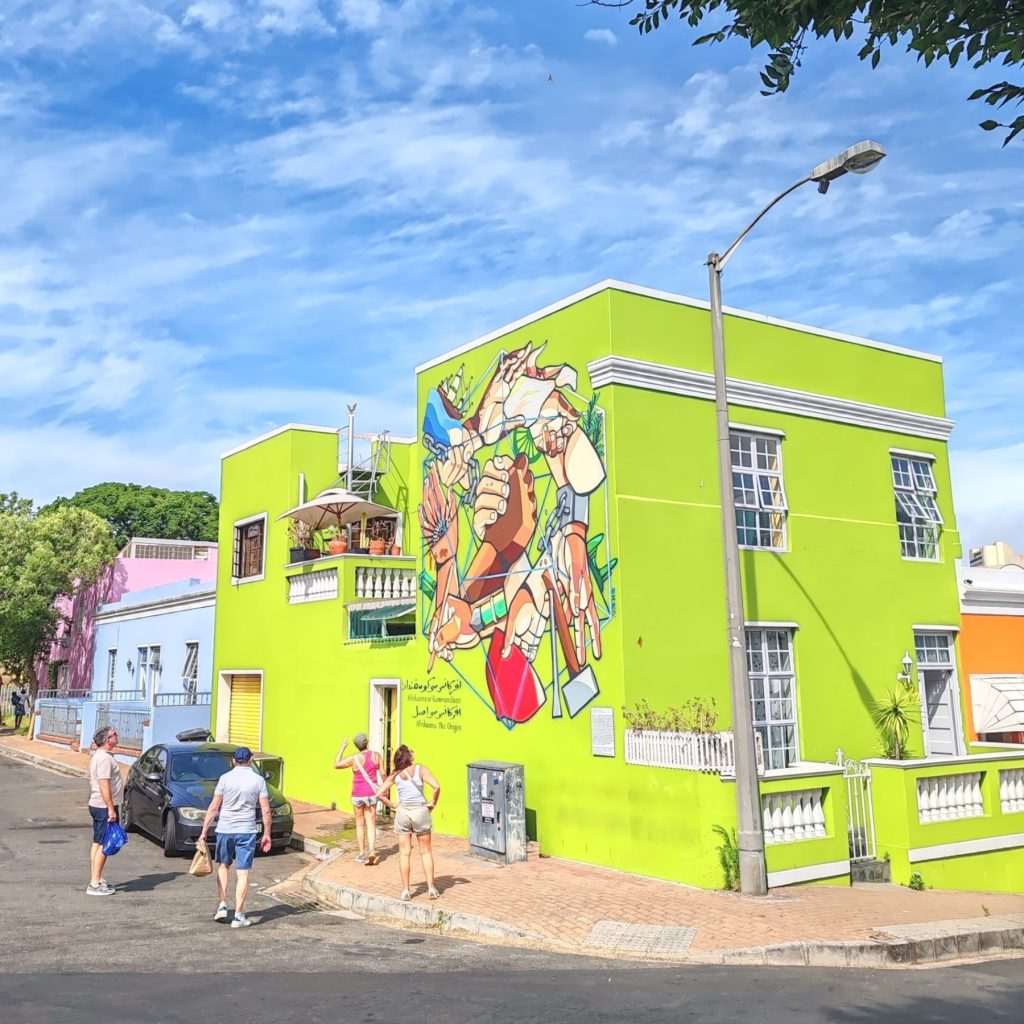
The Bo-Kaap area can also be counted as part of the City Bowl, but it is such a distinctive whole that it deserves to be introduced separately. Bo-Kaap is one of Cape Town’s most photographed areas, so it has become, so to speak, “Insta-famous”, but the area’s story is a special one. Originally, Bo-Kaap was settled in the 17th century by, among others, slaves brought from Indonesia, Malaysia and northern parts of Africa, and there formed the so-called Cape Malay community, whose unique Islamic cultural heritage has survived to the present day.
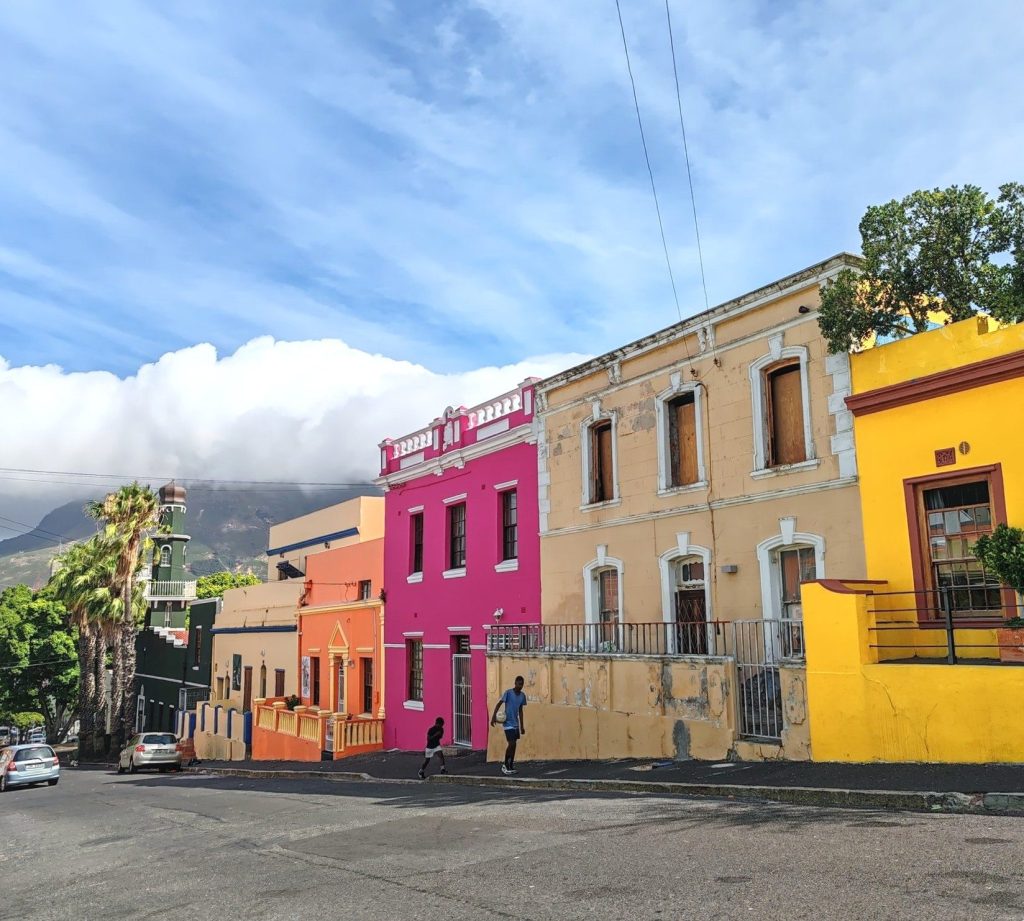
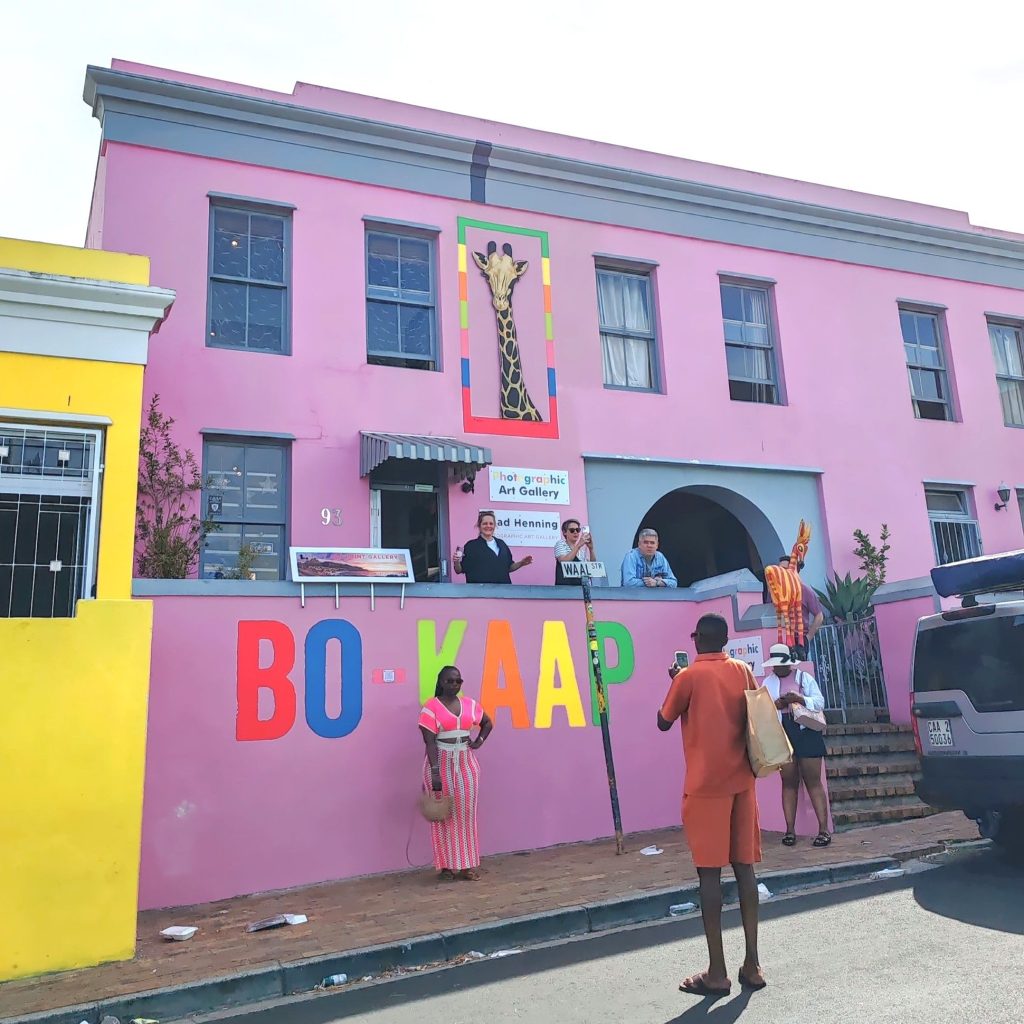
Bo-Kaap is home to, among other things, South Africa’s oldest mosque, the Auwal Mosque, founded in 1794, and you can learn more about the area’s history at the Iziko Bo-Kaap Museum, built in the oldest surviving house in the area. However, Bo-Kaap is not an open-air museum but still a living residential area and religious centre, where local ways of life should be respected. Popular activities include walking tours and Cape Malay cooking classes.
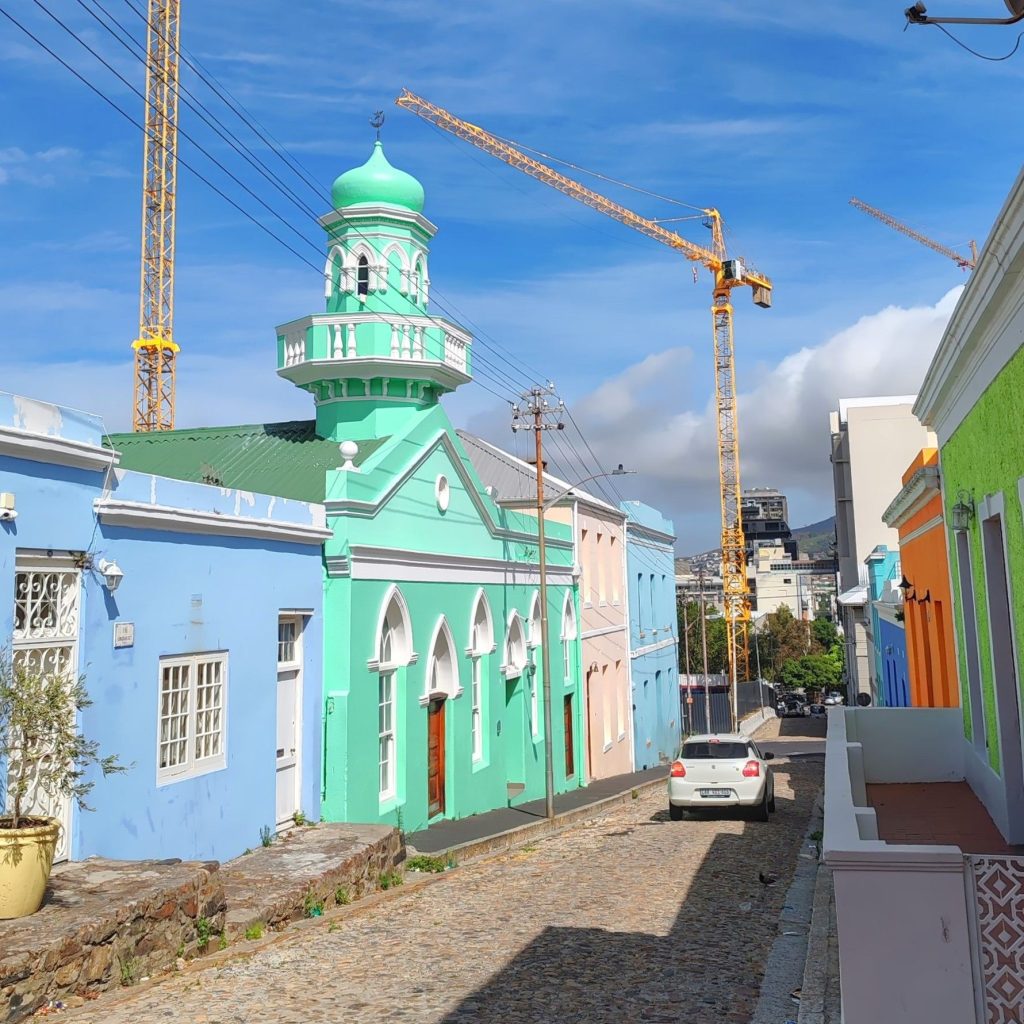
But yes, what about those colourful houses? The houses painted in bright pastel colours are, alongside the mosques and cobbled streets, Bo-Kaap’s most visible hallmark and a significant part of the area’s history. Bo-Kaap was not originally colourful, since in the colonial era the rental houses inhabited by slaves were required to be white. When slavery was finally abolished in 1834, the residents of the area were able to buy the houses as their own, and as a show of joy and freedom many of them were painted in bright colours. The colour tradition has survived, and today many residents repaint their houses every year to mark the end of Ramadan.
Victoria & Alfred Waterfront
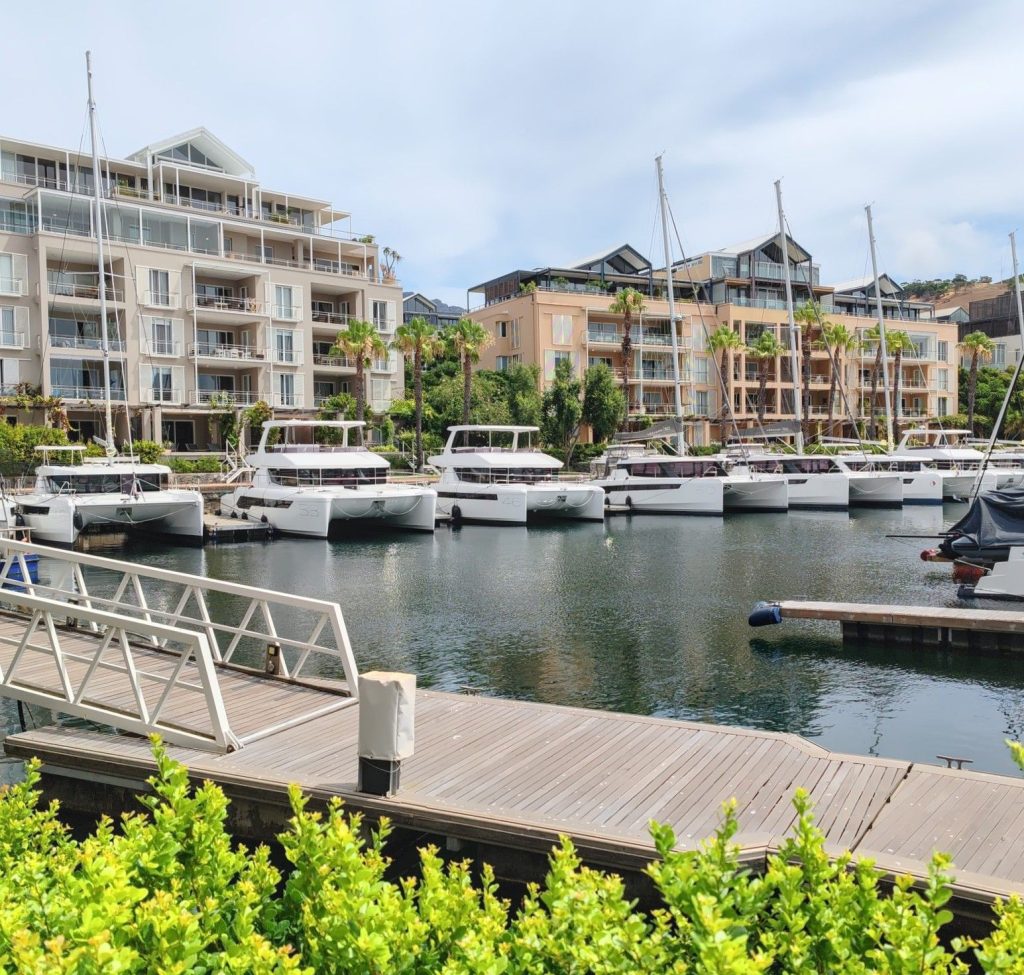
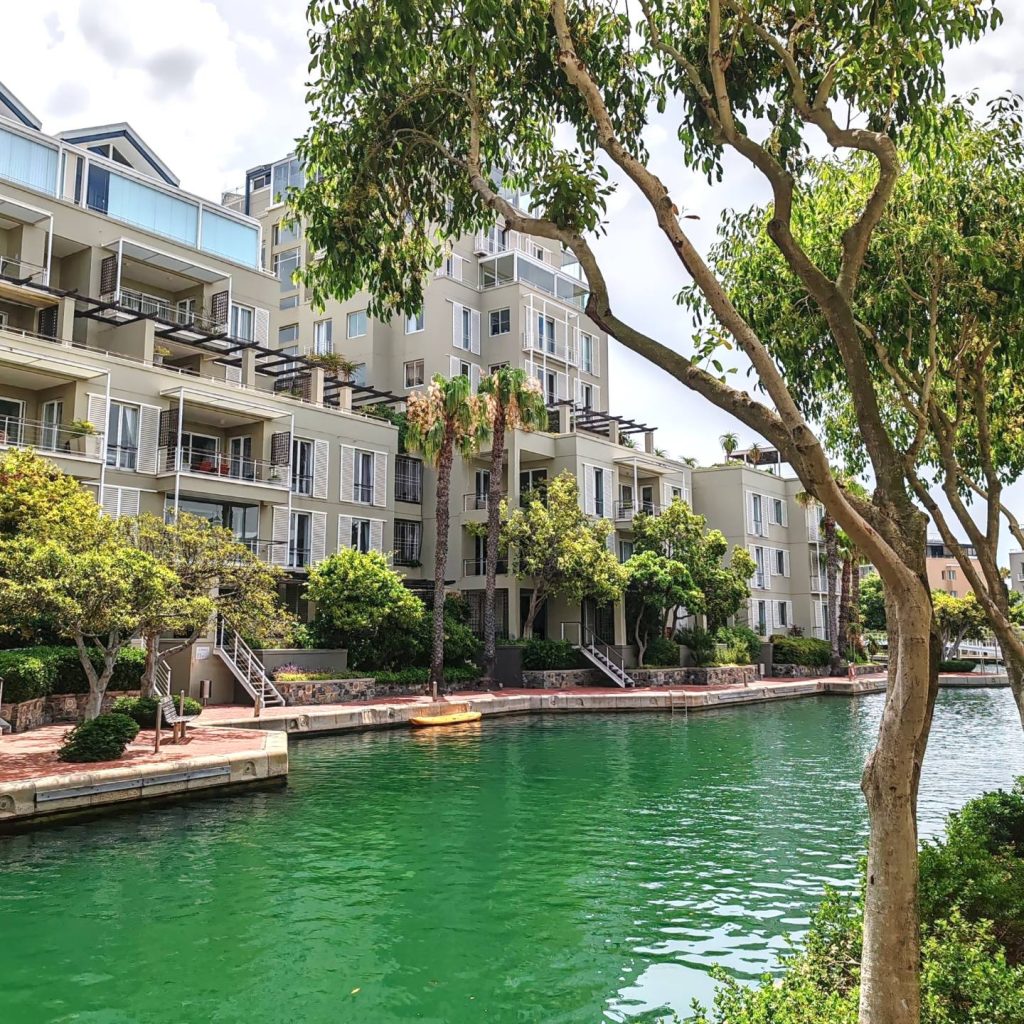
Located north of the city centre, the V&A Waterfront is a hugely popular urban leisure area built on a former harbour area. The area began in 1988, when a development company was established to turn the run-down, industrial and closed harbour area into an open urban space. The basic idea of the transformation project was to keep the area a working harbour, but to build around it structures supporting tourism, services and housing. Reuse of old buildings was one of the project’s guiding threads, but among the historic harbour buildings, such as grain silos and warehouses, plenty of modern architecture has also risen.
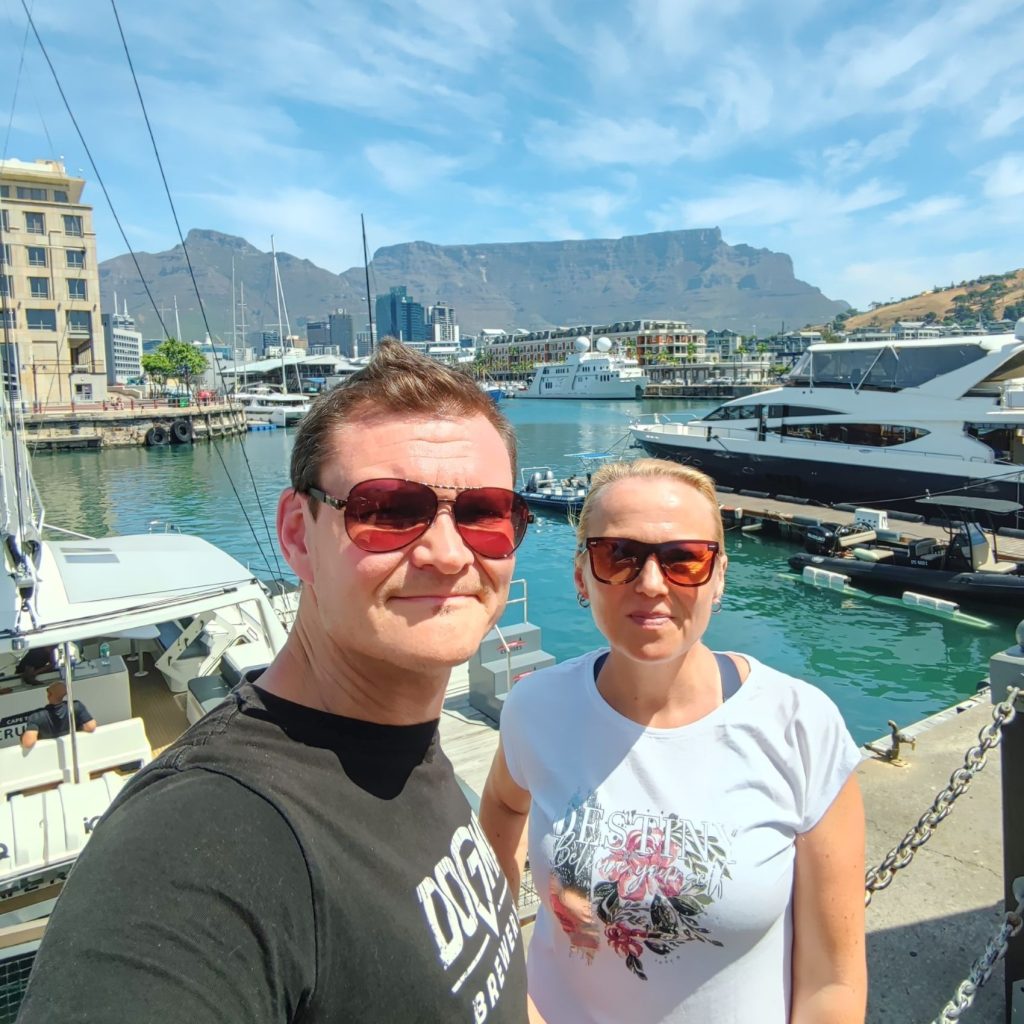

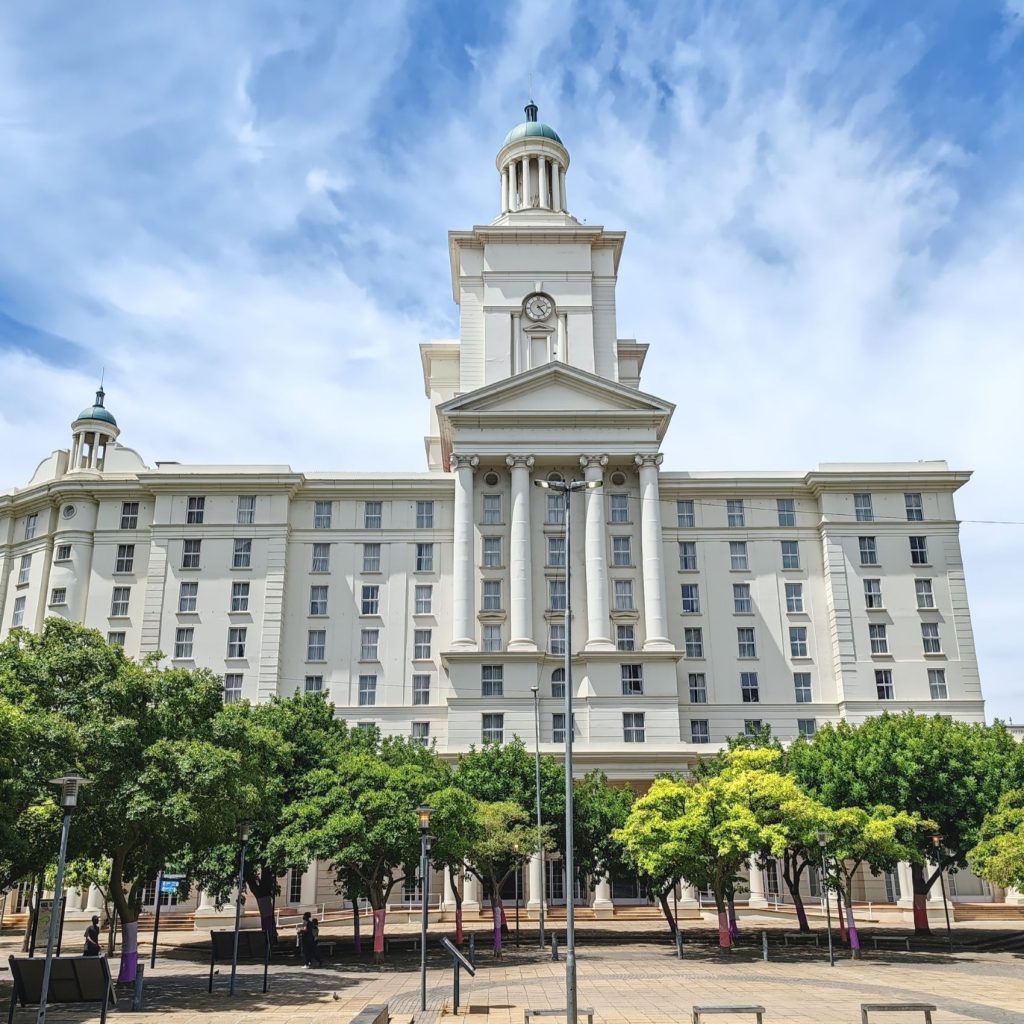
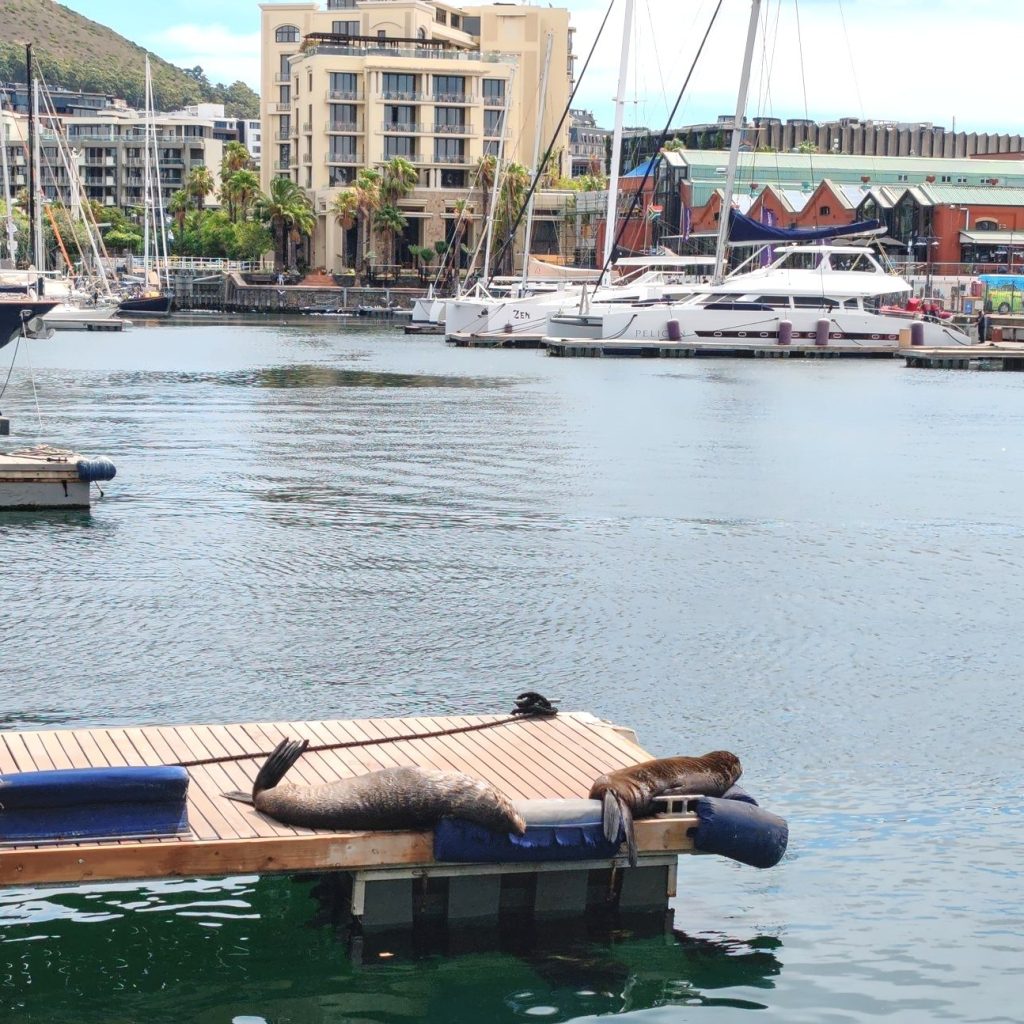
The attractions of the still-growing area include a giant shopping centre, the Two Oceans Aquarium and a Ferris wheel, but it is also home to, for example, museums, modern residential blocks, hotels and office spaces, and numerous restaurants. The area has pedestrian streets, marinas, impressive canals and opening bridges, and from the piers at the water’s edge you can often spot seals. You should reserve plenty of time for exploring the V&A Waterfront, preferably a whole day, as the area is popular and atmospheric in the evening lighting too.
Sea Point and the Clifton beaches
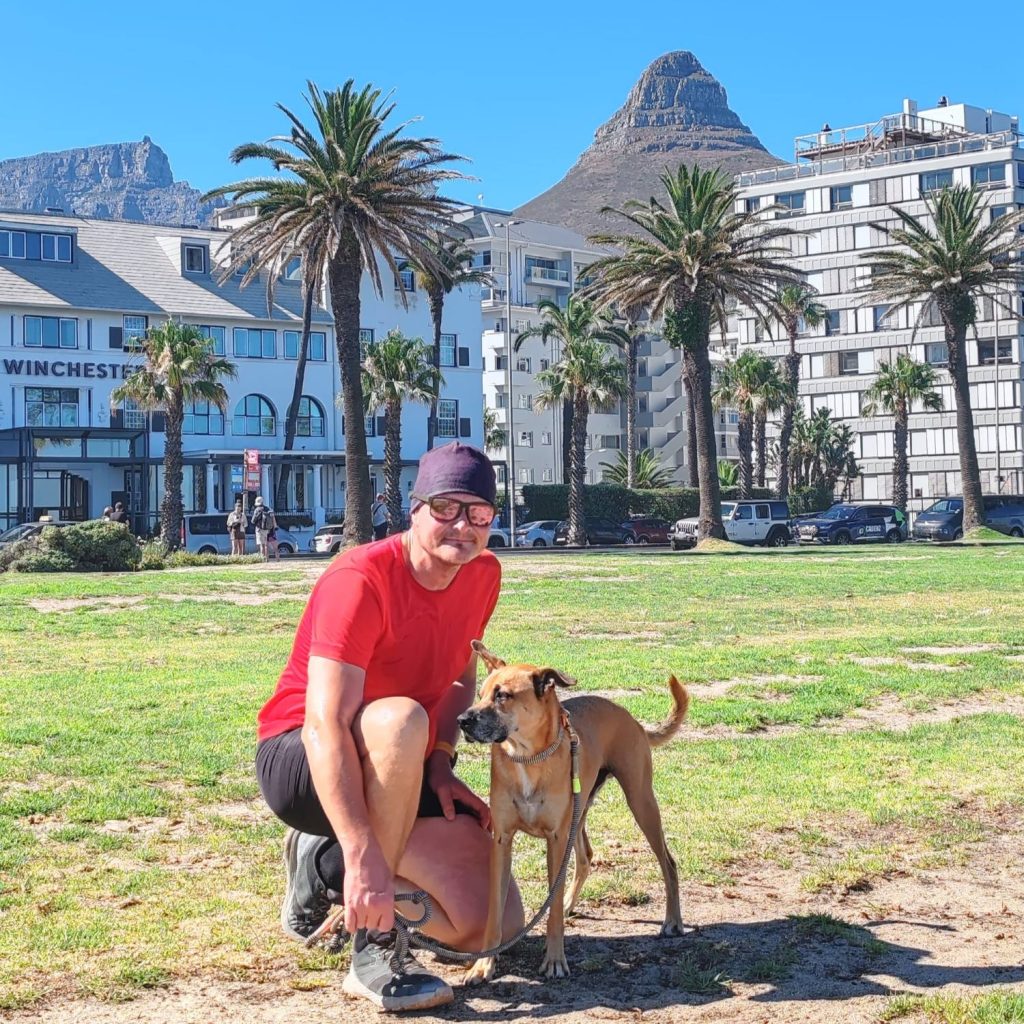
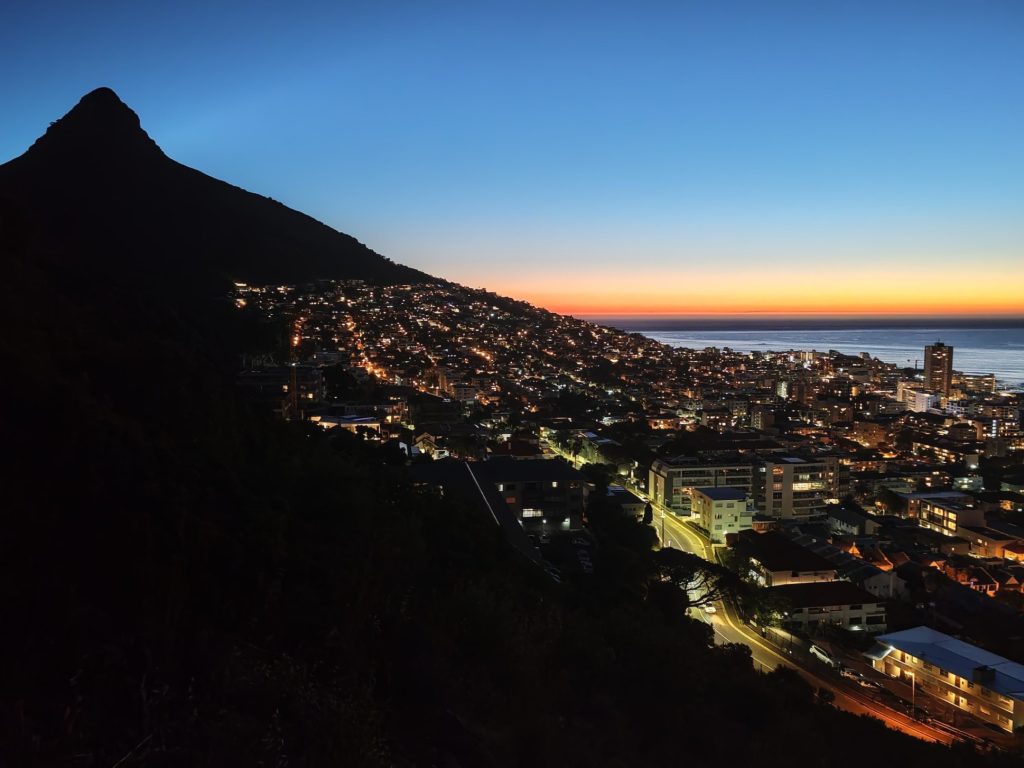
Cape Town’s perhaps most spectacular residential areas and beaches are found west of the centre, at the foot of Signal Hill, Lion’s Head and Table Mountain on the Atlantic coast. Thanks to a dog-sitting assignment we got to live for a couple of weeks in the Sea Point area, and from there to get to know the neighbouring suburbs too. Sea Point, Clifton and Camps Bay form Cape Town’s most desirable and most expensive coastal area, often called the Atlantic Seaboard.
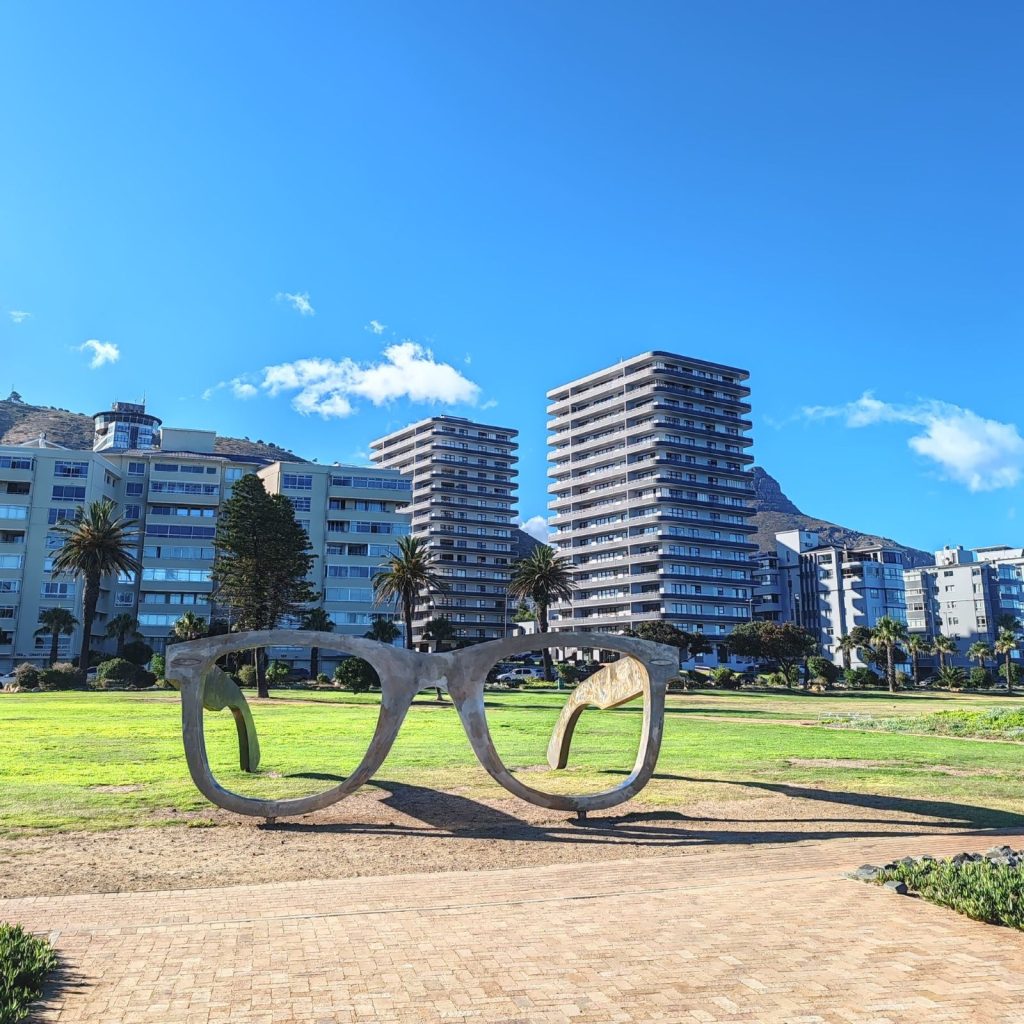
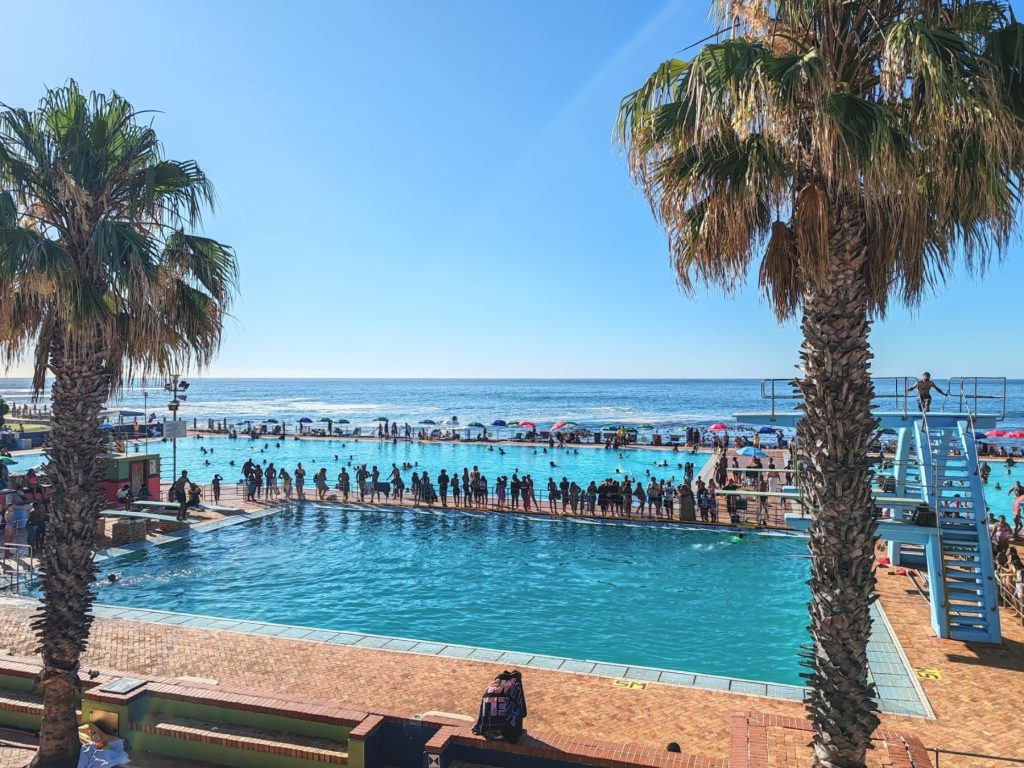
Originally known as a shabby residential area, Sea Point has cleaned up its act and developed into a densely populated, flourishing prime area, known for its beach promenade several kilometres long, the park areas lining it, and its open-air swimming pool. Sea Point is lively and multicultural, and besides actual residents it attracts weekend visitors and tourists. We lived with Sua the dog right by the shore, and got to admire Sea Point’s seafront on our daily walks. From Sea Point we also hiked on the terrain of Signal Hill and Lion’s Head.
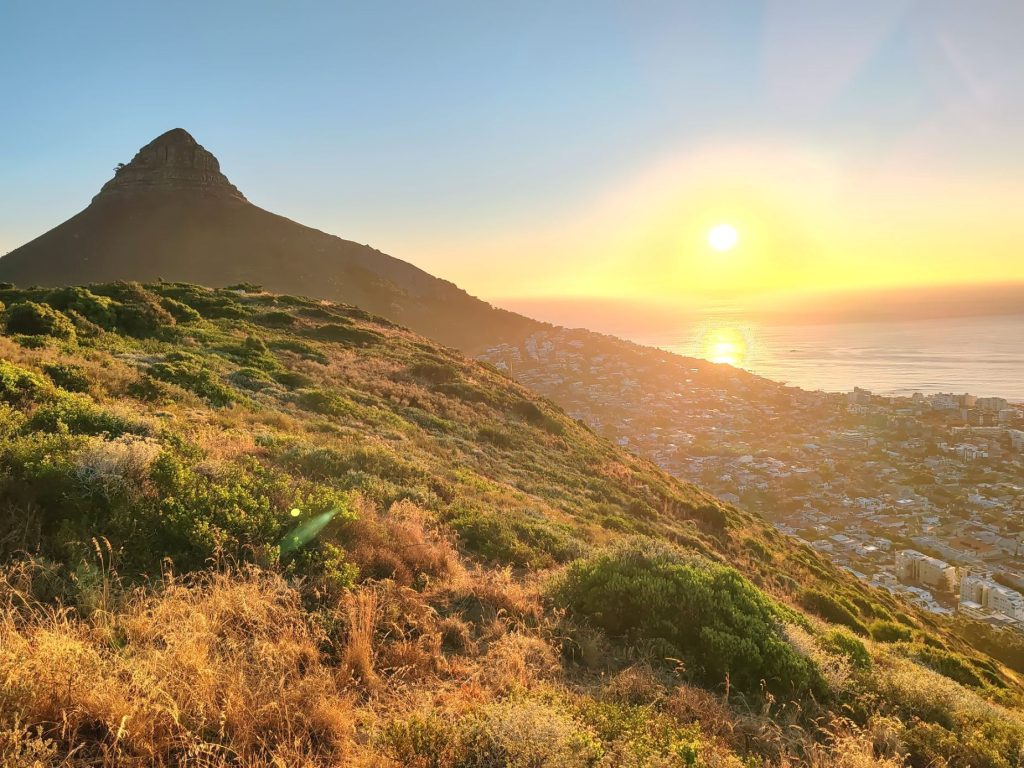
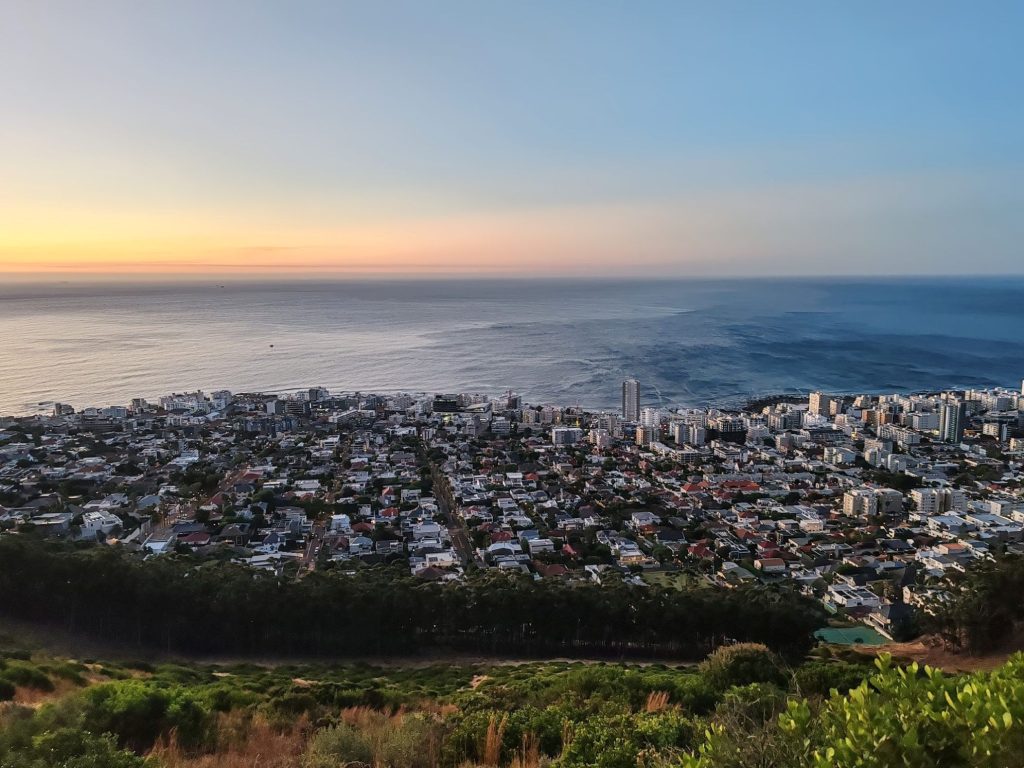
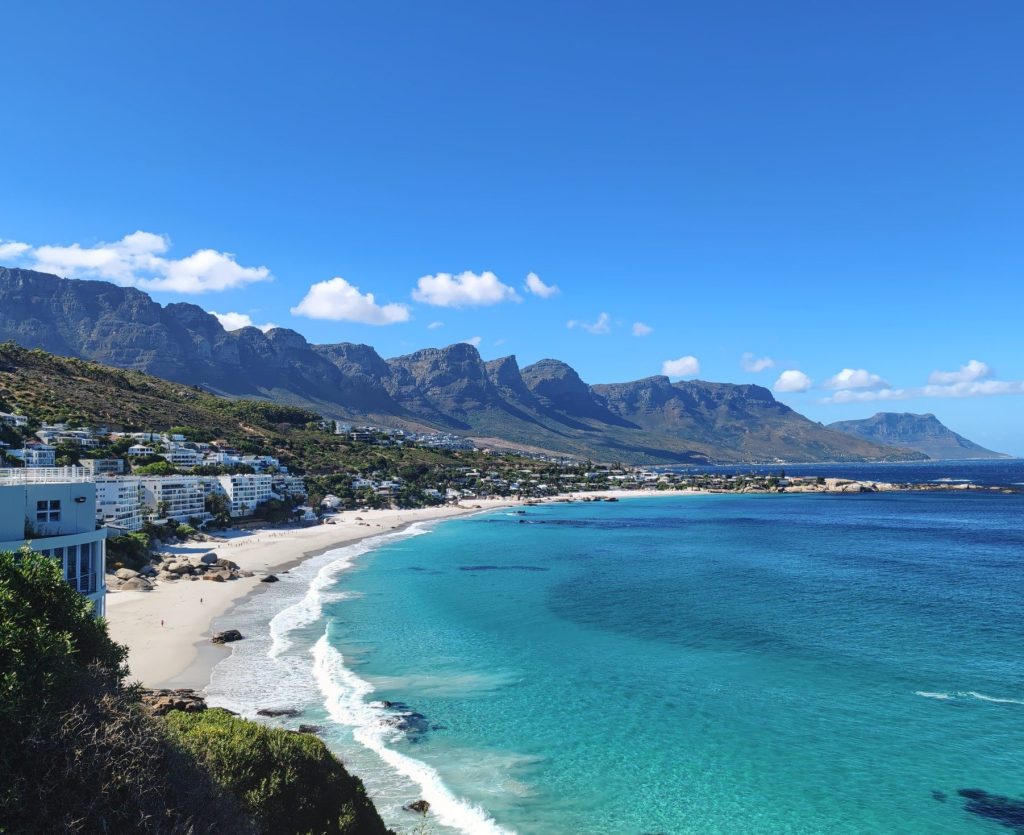
Clifton, south of Sea Point, is the most expensive residential area in all of South Africa, and looking at the scenery it is not hard to understand why. Clifton is built in a spot with little wind, above four consecutive sheltered beaches, and the building stock is dominated by grand villas. Clifton’s four beaches are popular but somewhat “private” in atmosphere, as they can only be reached by long, narrow staircases running between buildings. The beach area has deliberately been kept as just a beach, so there are hardly any services, such as restaurants.
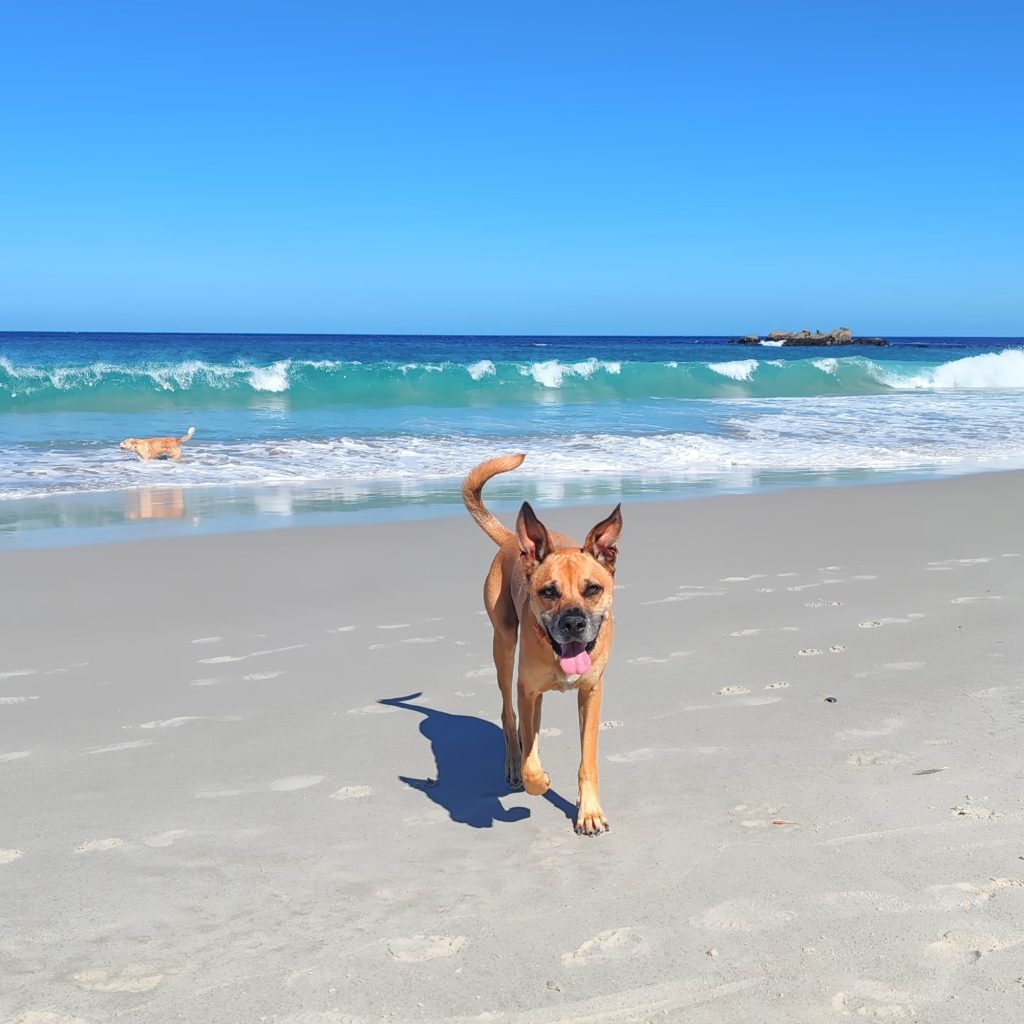
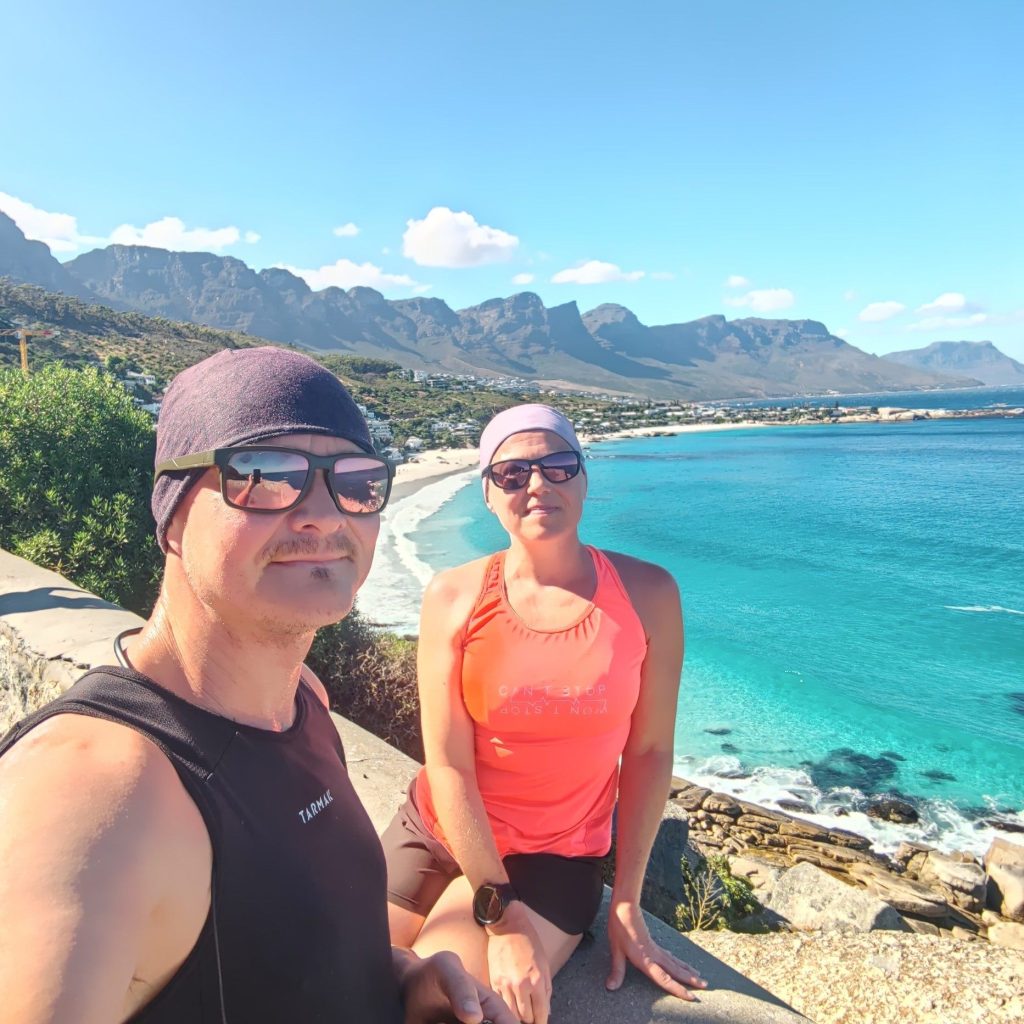
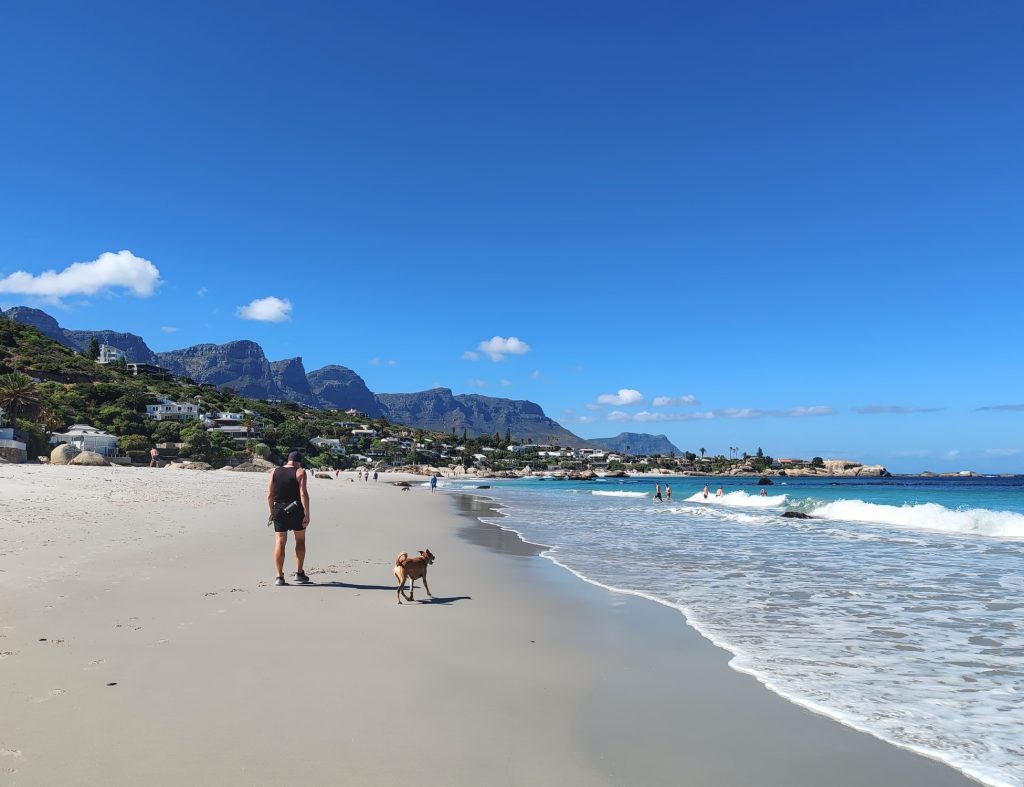
The beaches of Camps Bay, south of Clifton, are more open and livelier than Clifton’s, and the Camps Bay area is the centre of Cape Town’s beach life and glamour. Scenically, Camps Bay is a classic combination of white sand and palm trees, plus the magnificent coastal scenery of Table Mountain.
Kirstenbosch Botanical Garden
Nature is present everywhere in the Cape Town area, but it is on display especially magnificently in the Kirstenbosch gardens. Founded in 1913, the garden made history by being the world’s first botanical garden dedicated solely to protecting a country’s own native flora.
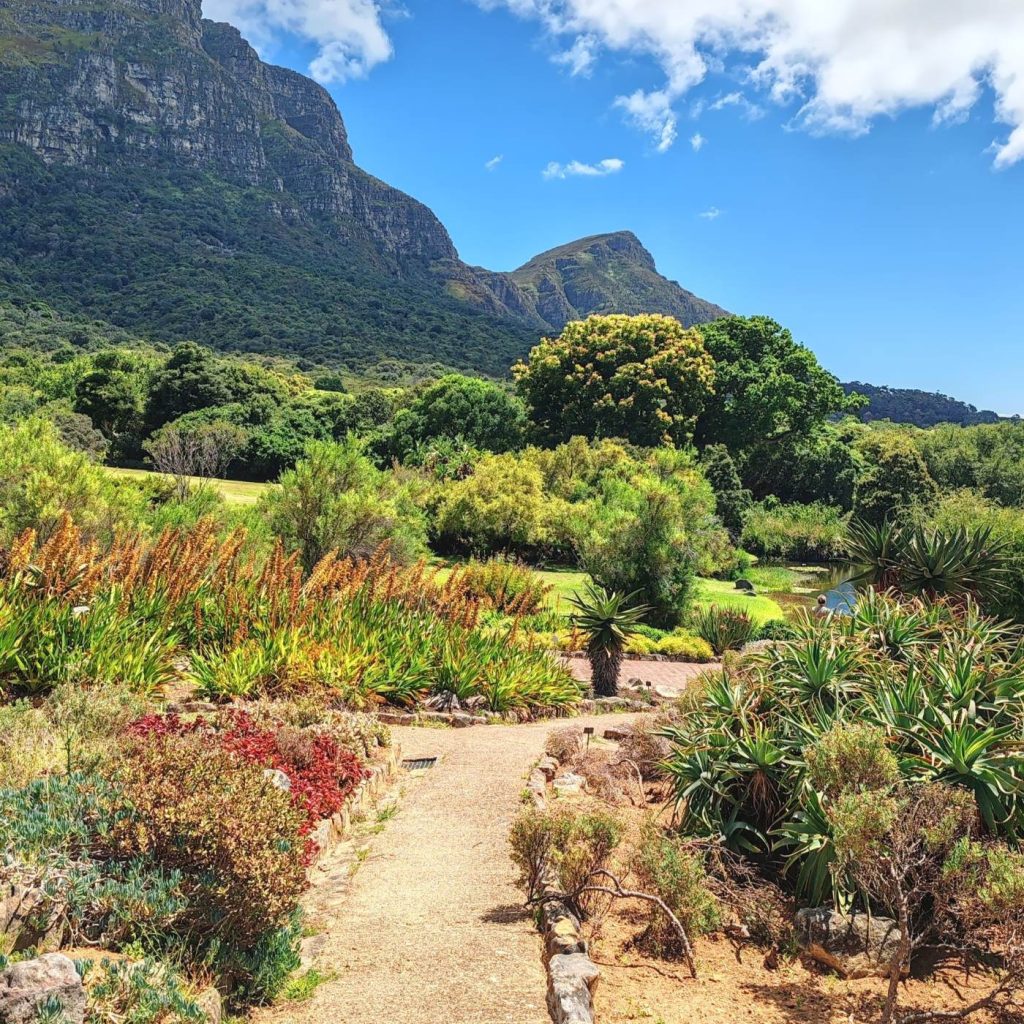
Kirstenbosch Botanical Garden is located next to the Bishopscourt suburb, on the eastern slopes of Table Mountain. The garden area, a full 528 hectares in size, is a UNESCO World Heritage Site as part of the wider Cape Floral Kingdom, which is one of the world’s most diverse ecosystems.
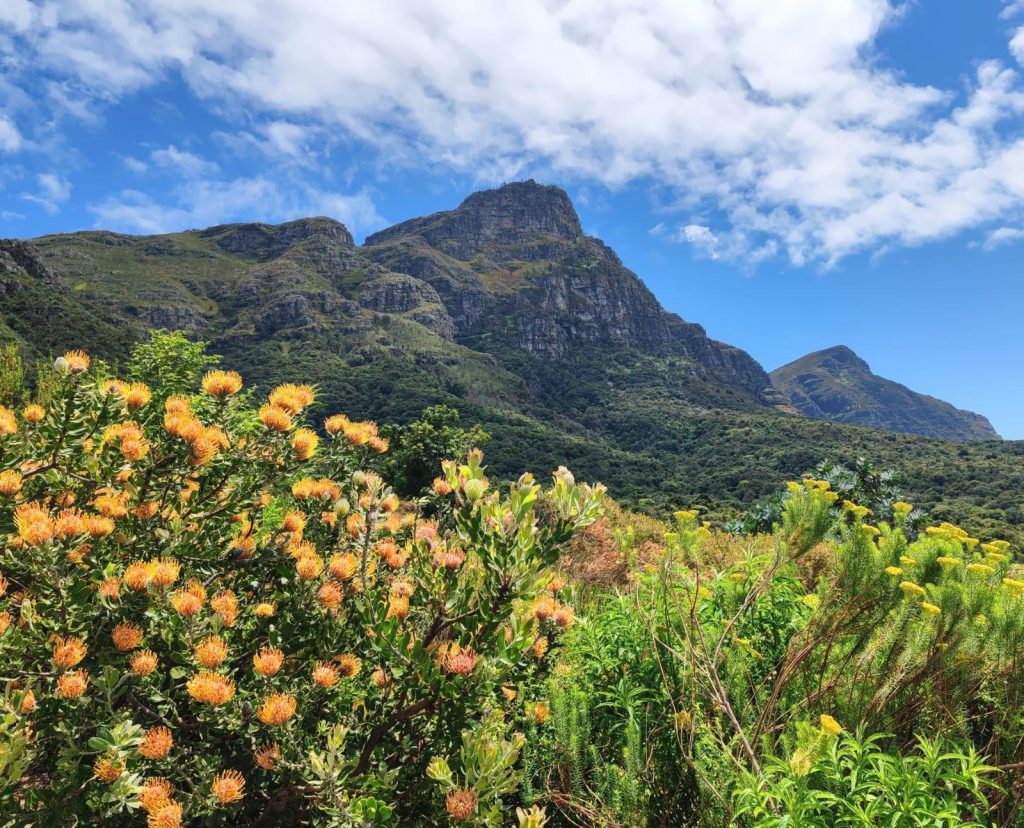
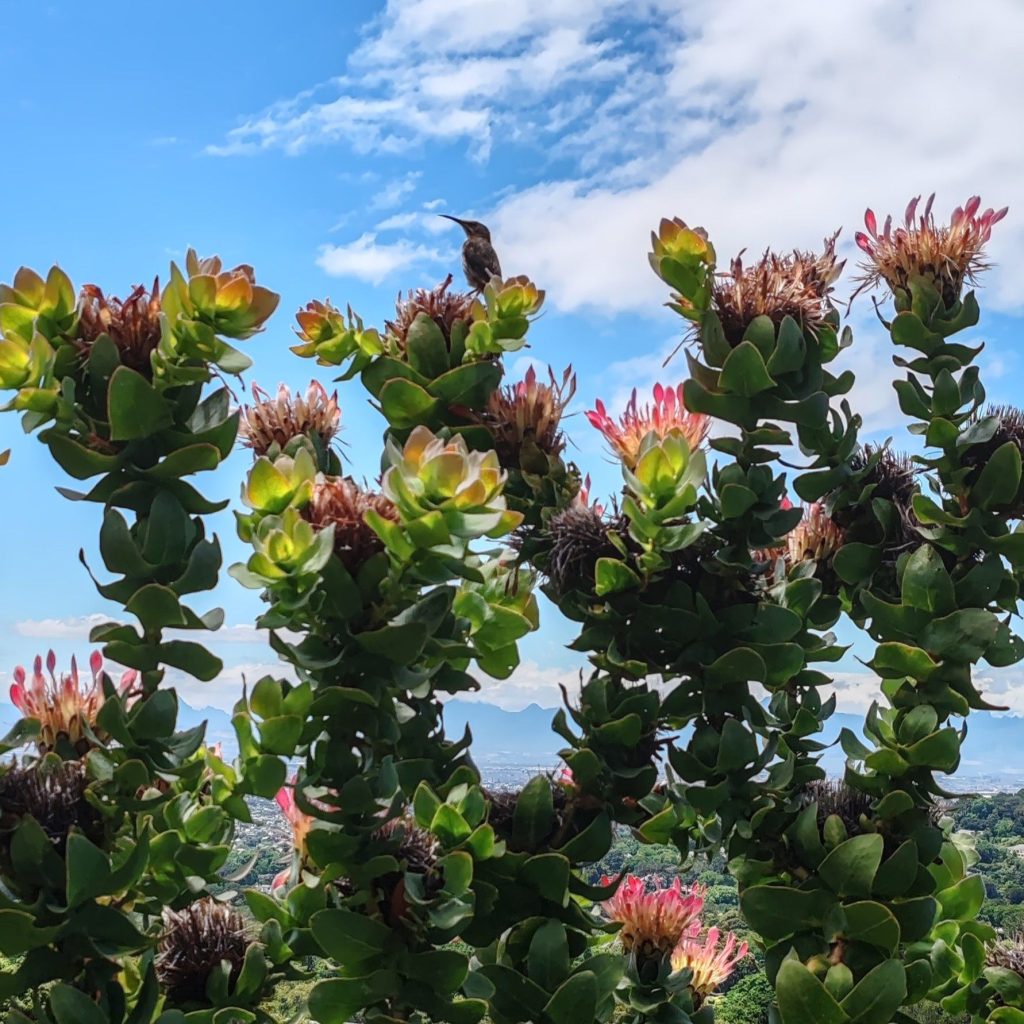
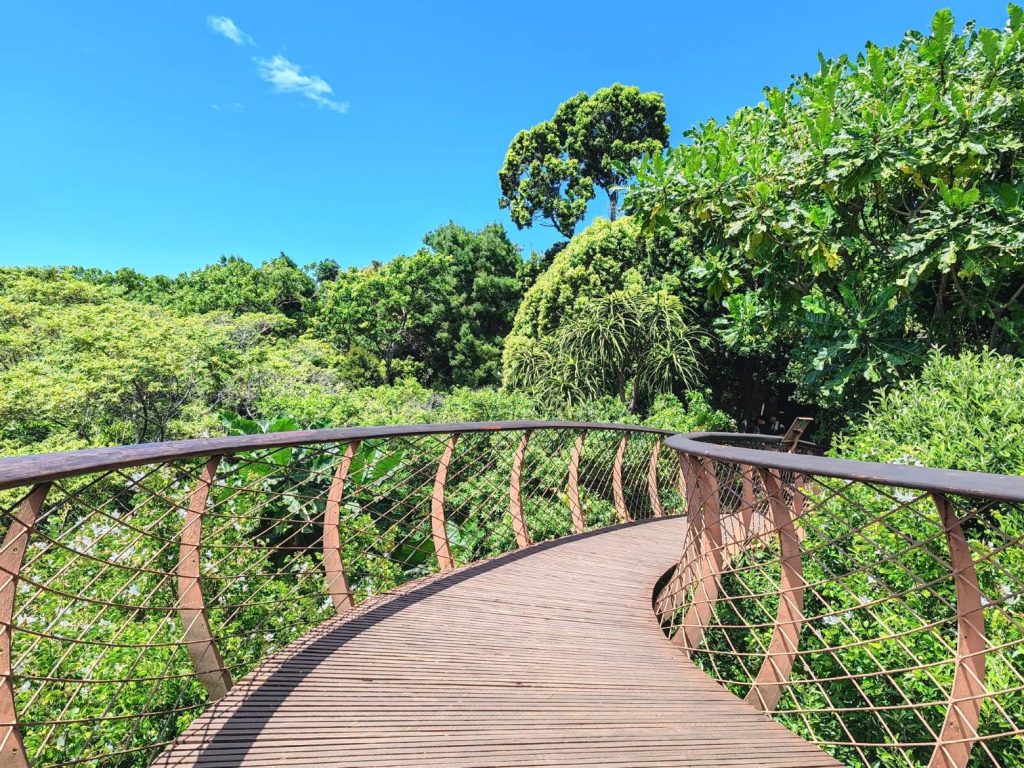
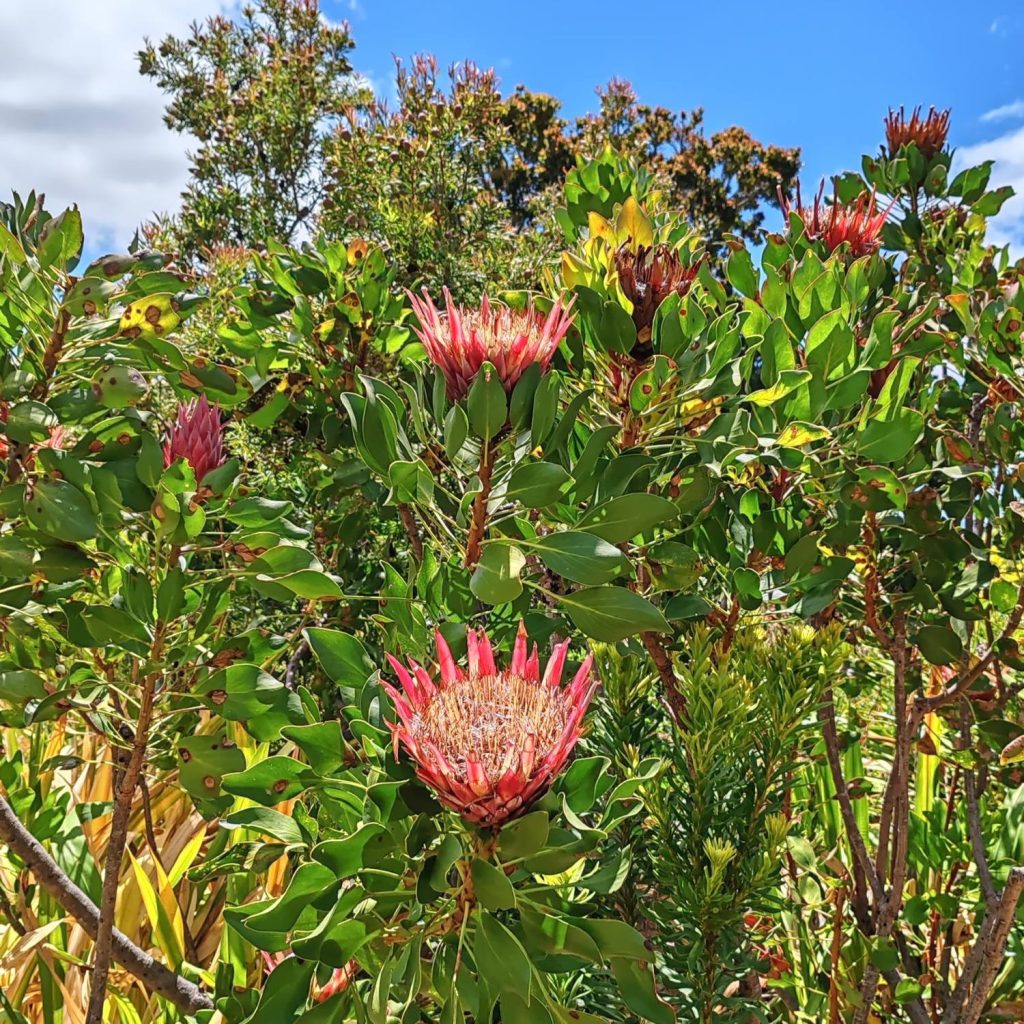
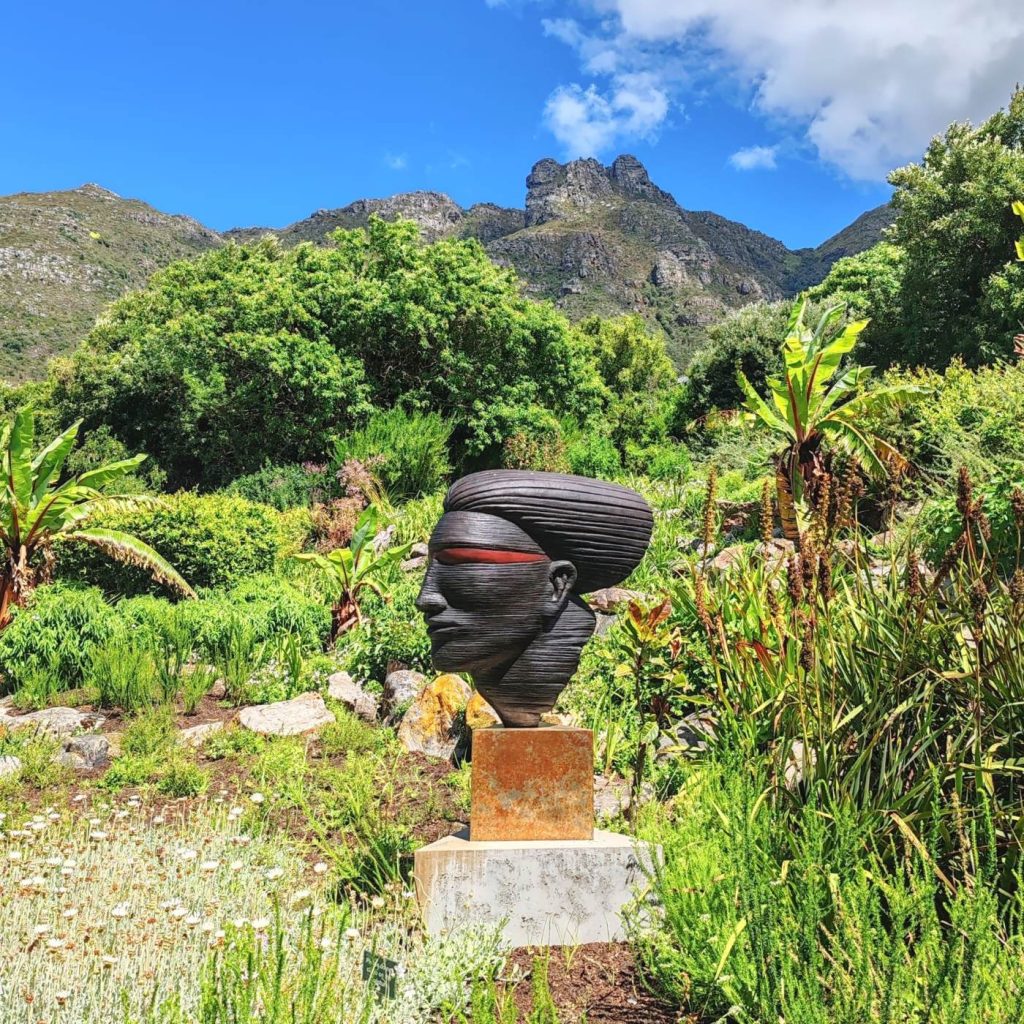
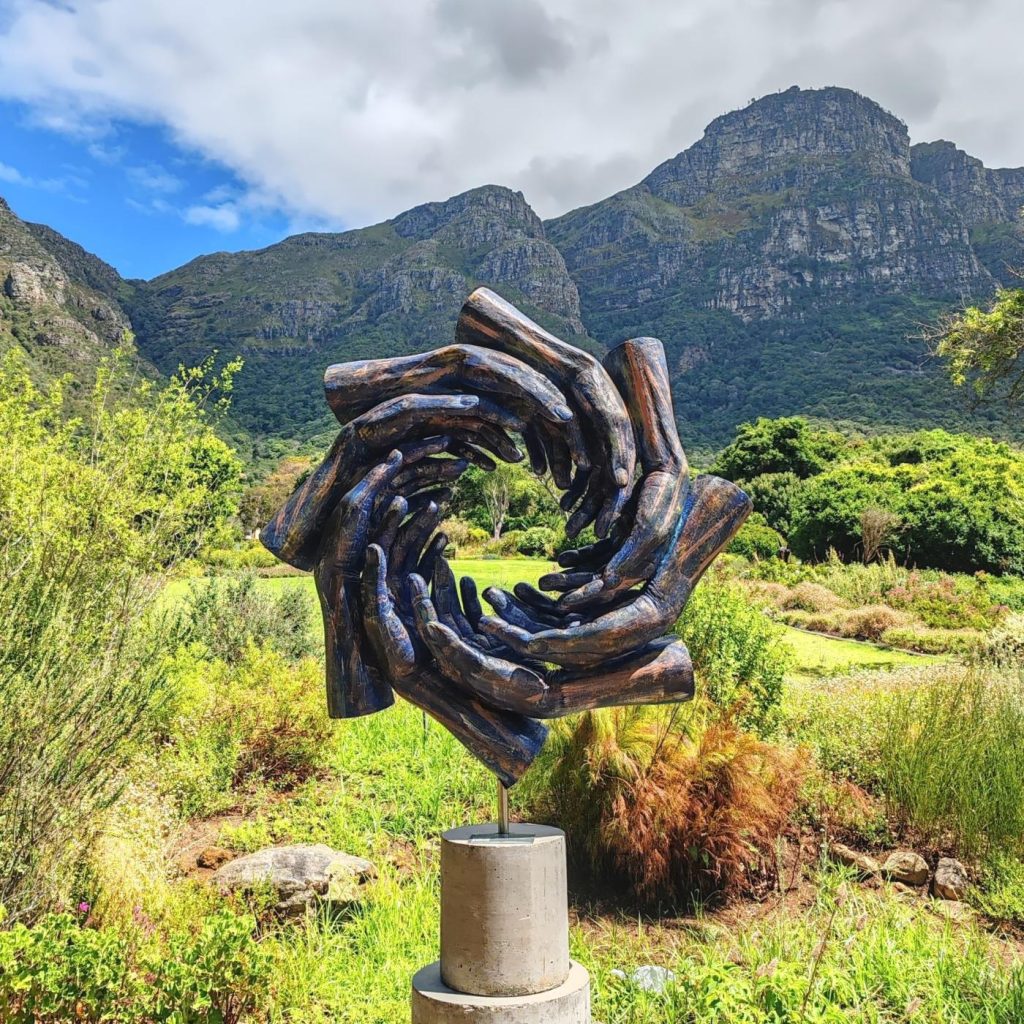
Kirstenbosch is a stunning destination simply for admiring and wandering among the plants, but the area also has headline attractions, such as the Boomslang canopy walkway and a permanent stone sculpture exhibition. The most popular of the plant “attractions” is probably the beautiful protea garden – the giant king protea is South Africa’s national flower. In the summer season the popularity of Kirstenbosch is boosted by open-air concerts, the Kirstenbosch Summer Sunset Concerts. You can bring your own picnic food to these concerts, as to the gardens in general, and Kirstenbosch is a popular picnic spot especially on summer weekends. Kirstenbosch is also one of the starting points for Table Mountain hiking trails, and we too ended up combining the garden visit with conquering Table Mountain.
Where to get travel insurance for a longer trip?
Over more than eight years of nomad life, we’ve searched for cost-effective and reliable solutions, especially for travelers’ health insurance.
In the article Nomad Travel Insurance: 3 +1 Easy Options, we present international insurance options suitable also for extended trips.
Table Mountain and its national park
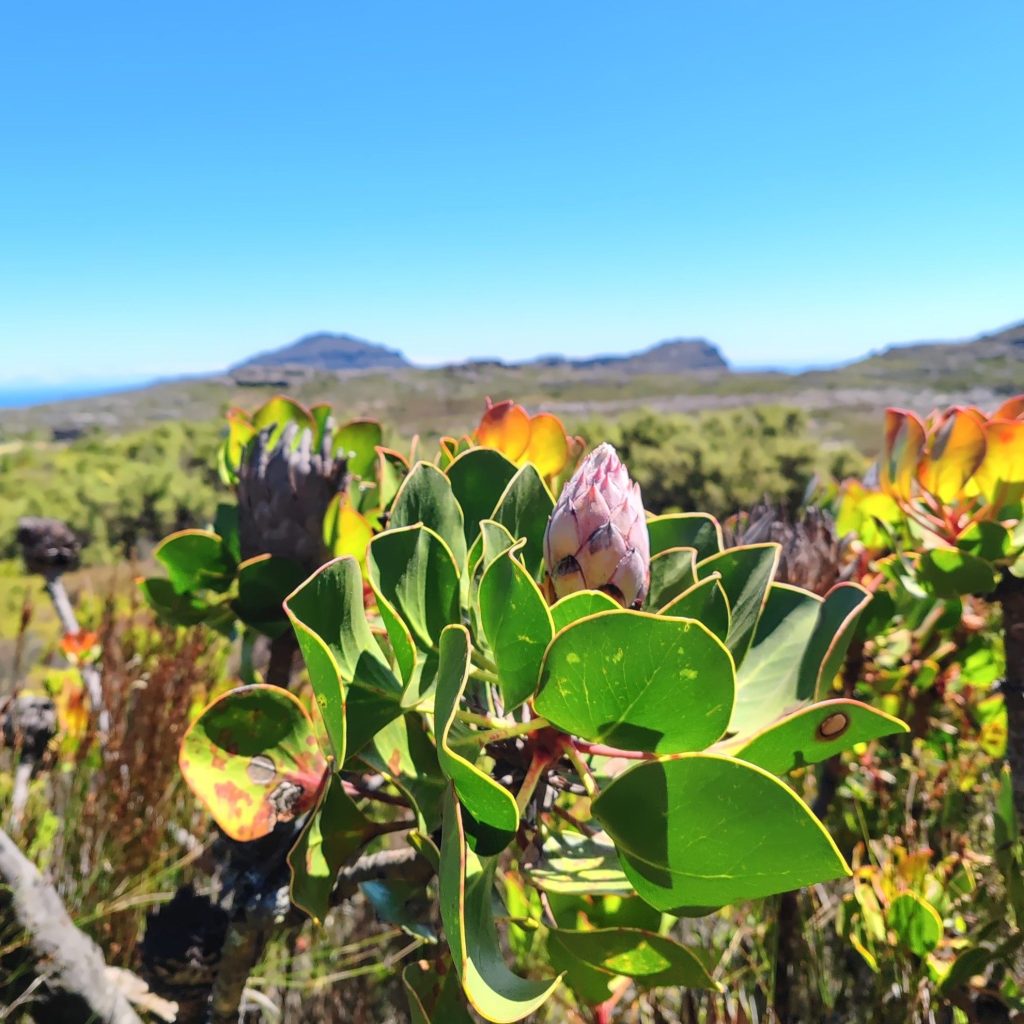
Rising over a kilometre high, with a flat top, Table Mountain is Cape Town’s trademark. The huge sandstone mountain and the national park protecting its nature offer endless hiking opportunities, and the area’s flora and fauna are unique. At the mountain’s highest point is a cairn called Maclear’s Beacon, erected by astronomer Thomas Maclear in 1865 to measure the curvature of the Earth.
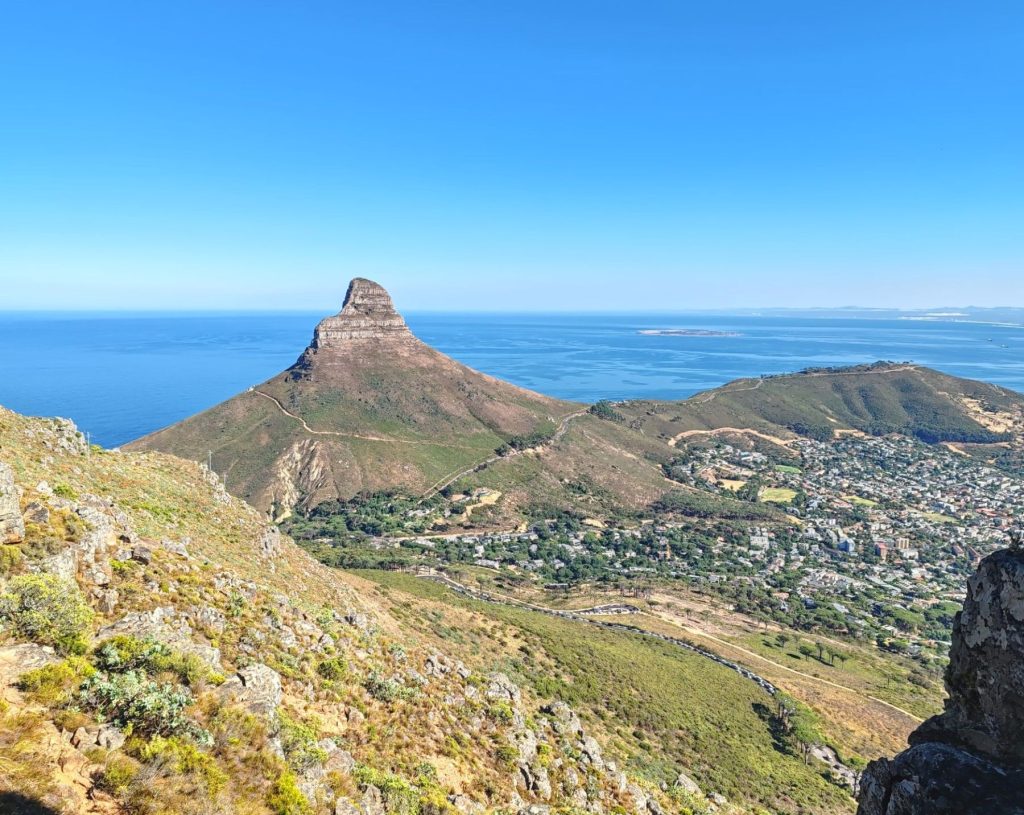
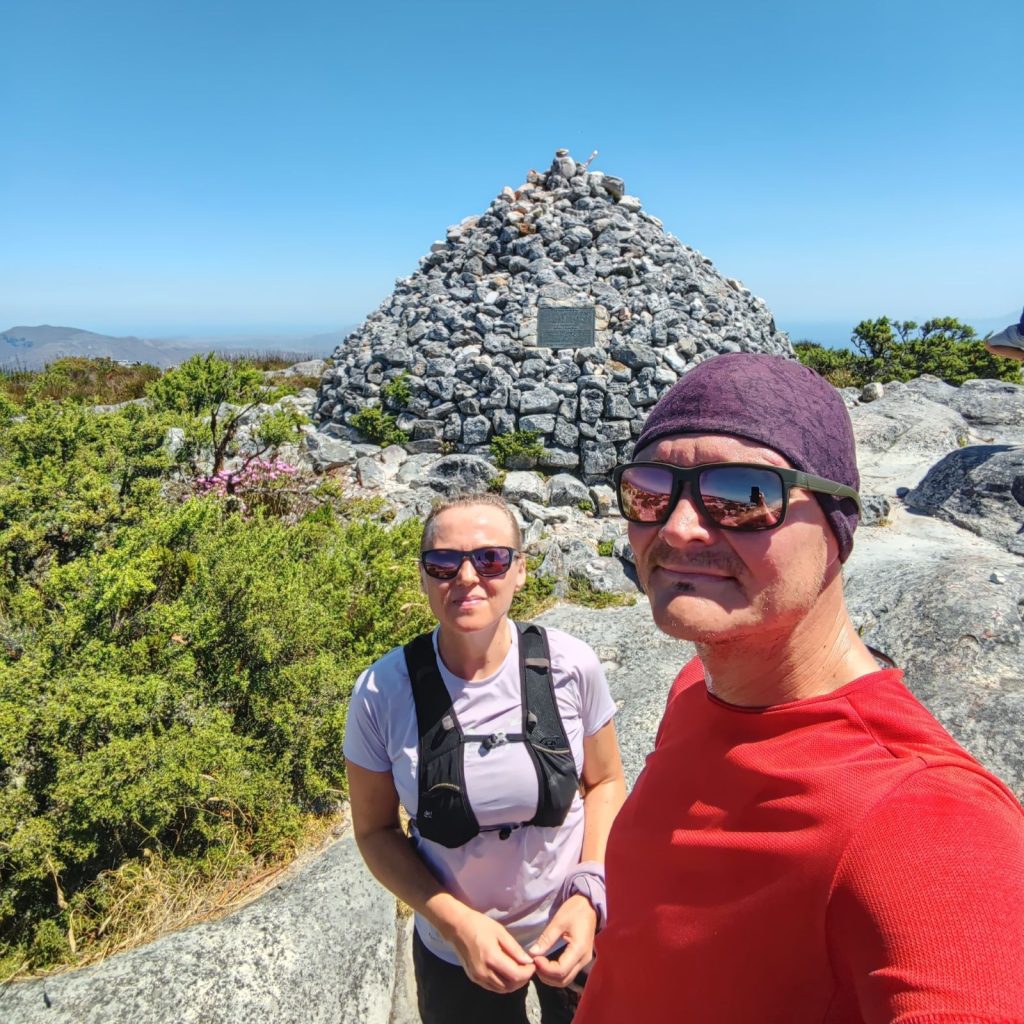
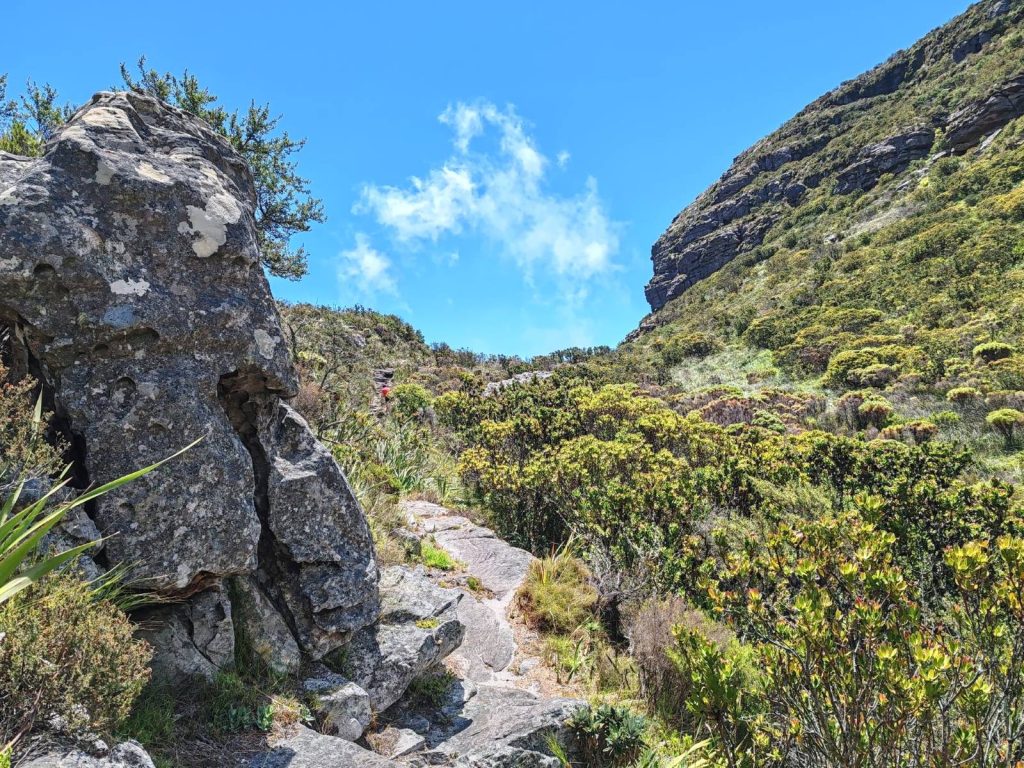
The easiest way to get to know Table Mountain is to use the cable car up to its summit, but if you’re fit enough, we definitely recommend climbing the mountain along the hiking trails. We did two hikes up Table Mountain: the first along the Skeleton Gorge and Nursery Ravine routes starting from Kirstenbosch, and the second up along the India Venster route starting from the cable car’s lower station and down along the popular Platteklip Gorge trail.

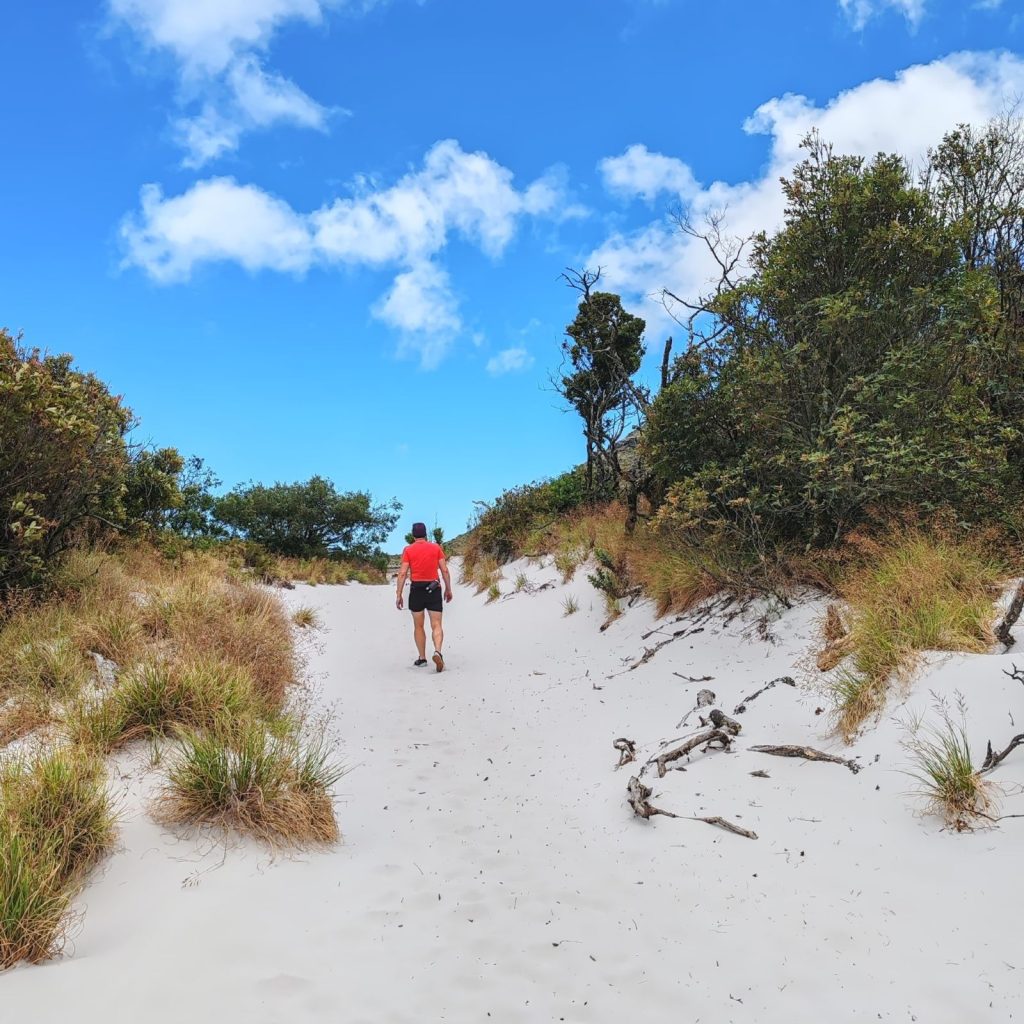
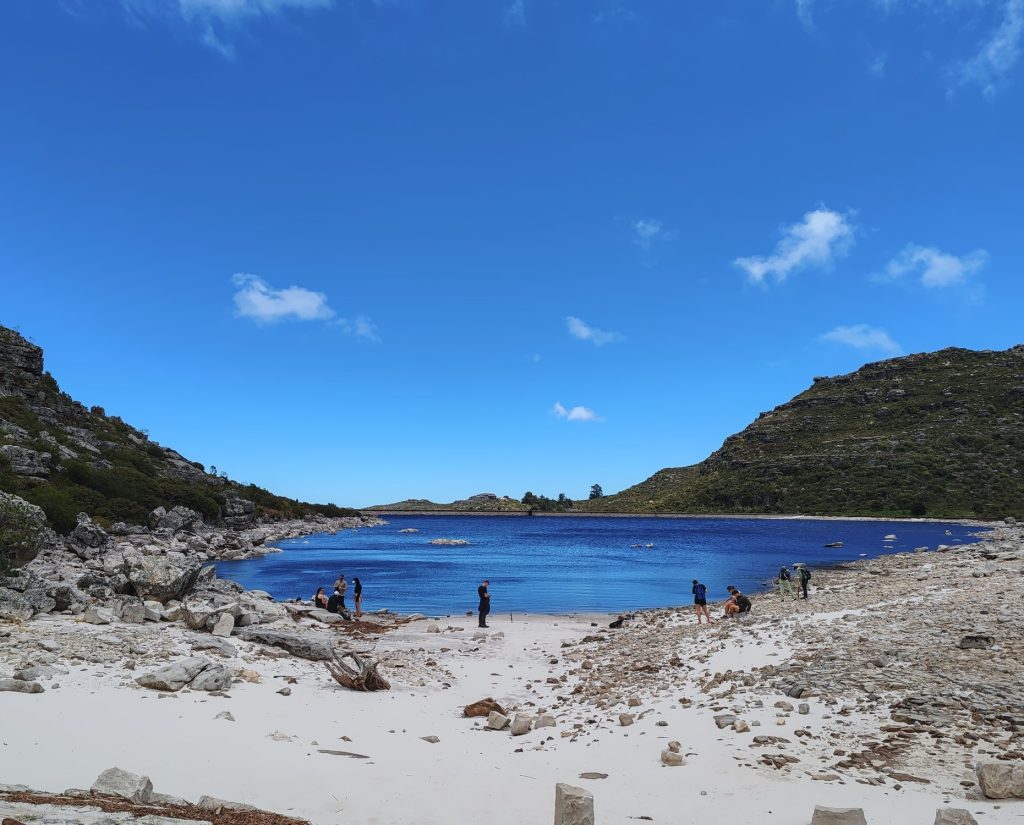
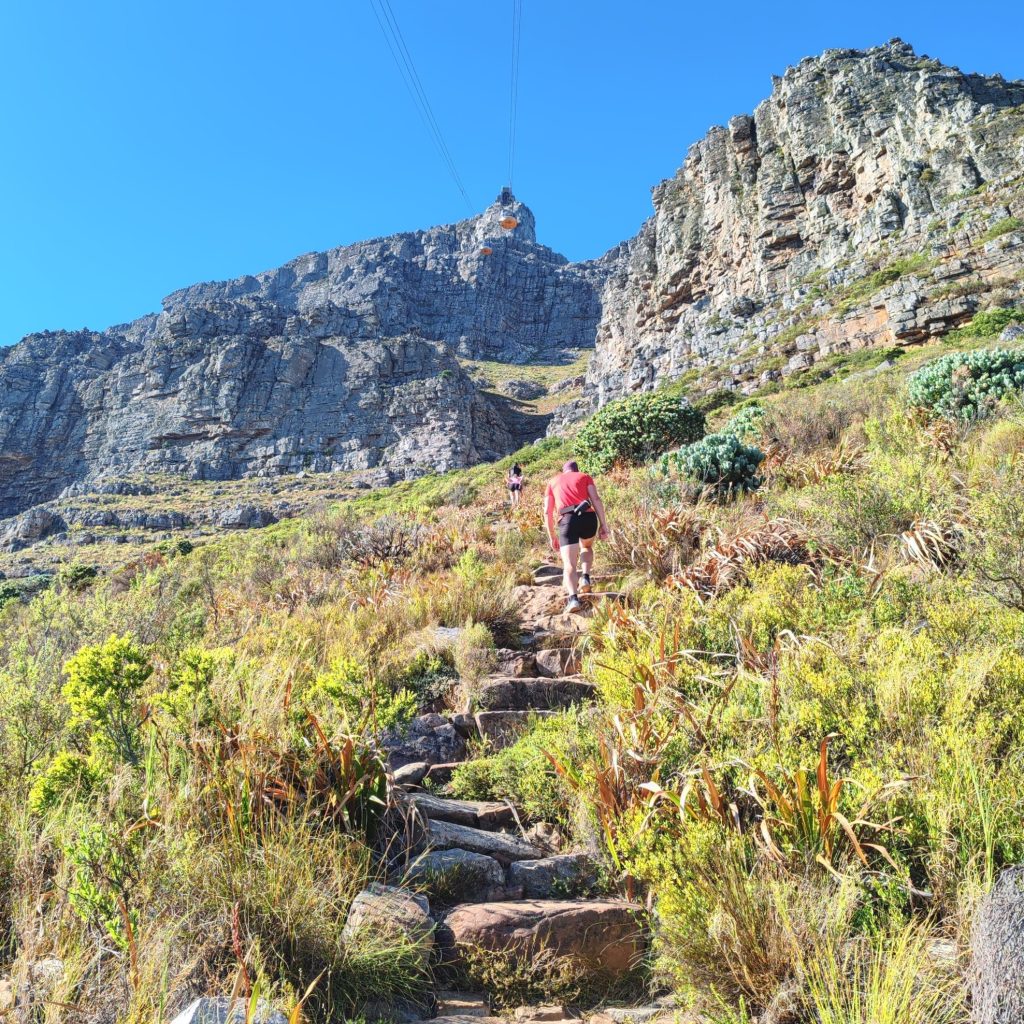
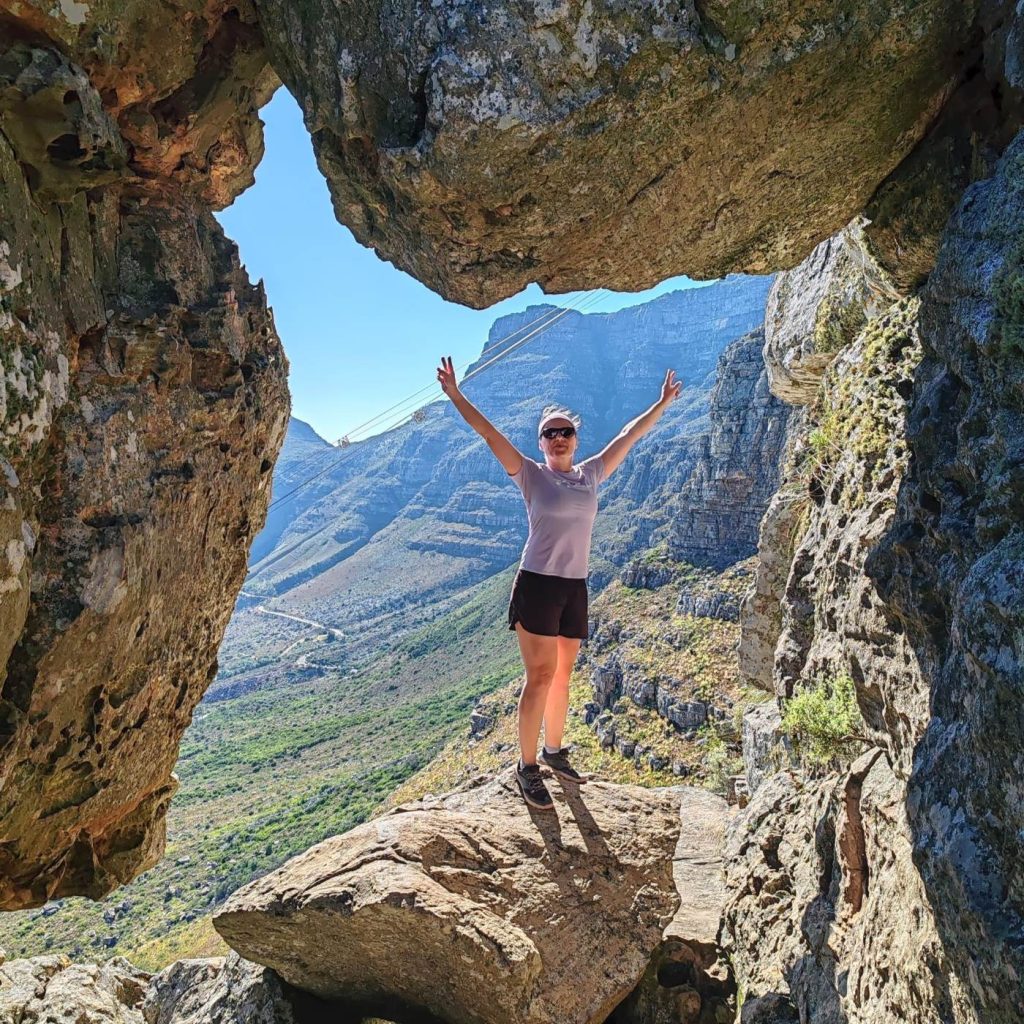
How challenging climbing Table Mountain is depends partly on the route chosen (Platteklip Gorge is considered the easiest), but whichever route you take, you need to be well equipped for conquering the mountain. Weather conditions can change quickly, and it can be windy, cloudy and cold up top. Strong wind can also close the cable car – and in Cape Town it really does often blow quite hard. One of Table Mountain’s weather peculiarities is a flat white cloud layer that sometimes lingers on the summit. This cloud formation, called the tablecloth, is beautiful seen from below, but can reduce visibility on top of the mountain to very poor.
The Cape Peninsula
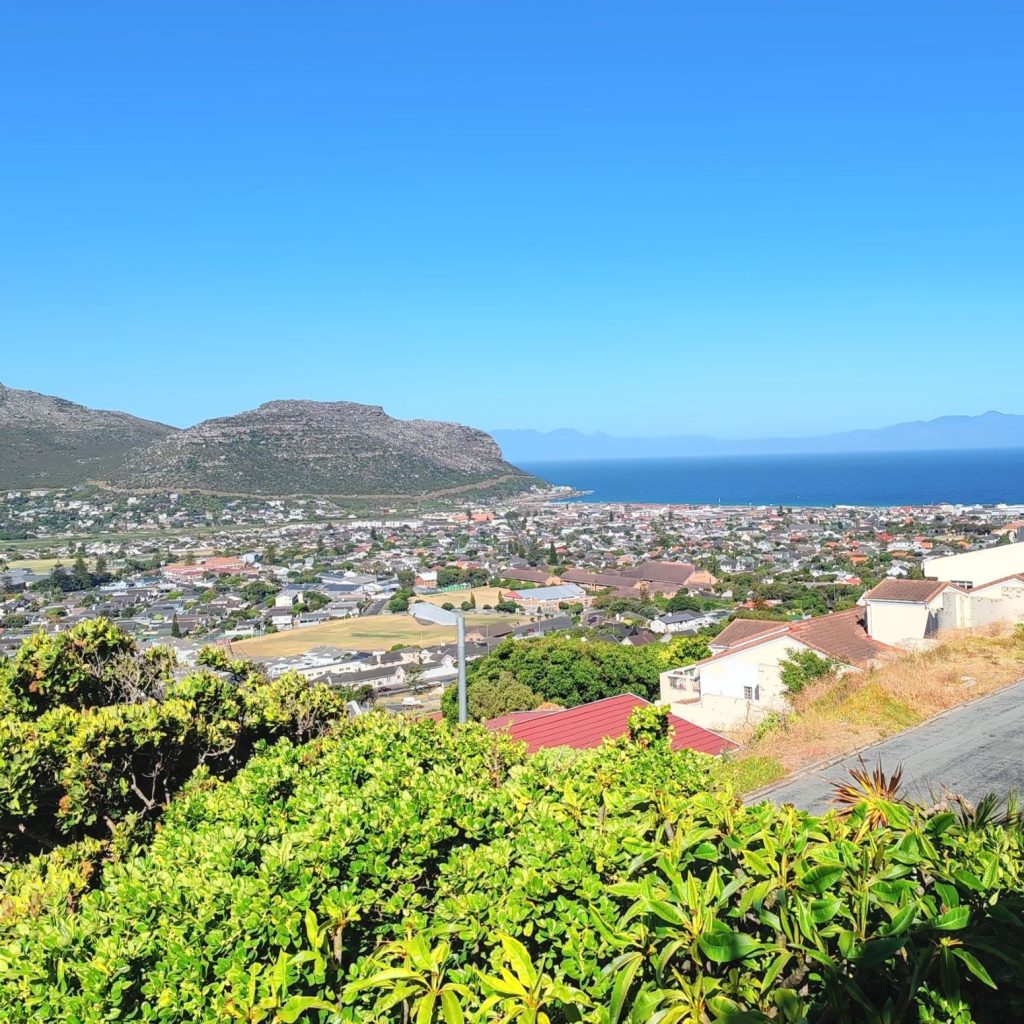
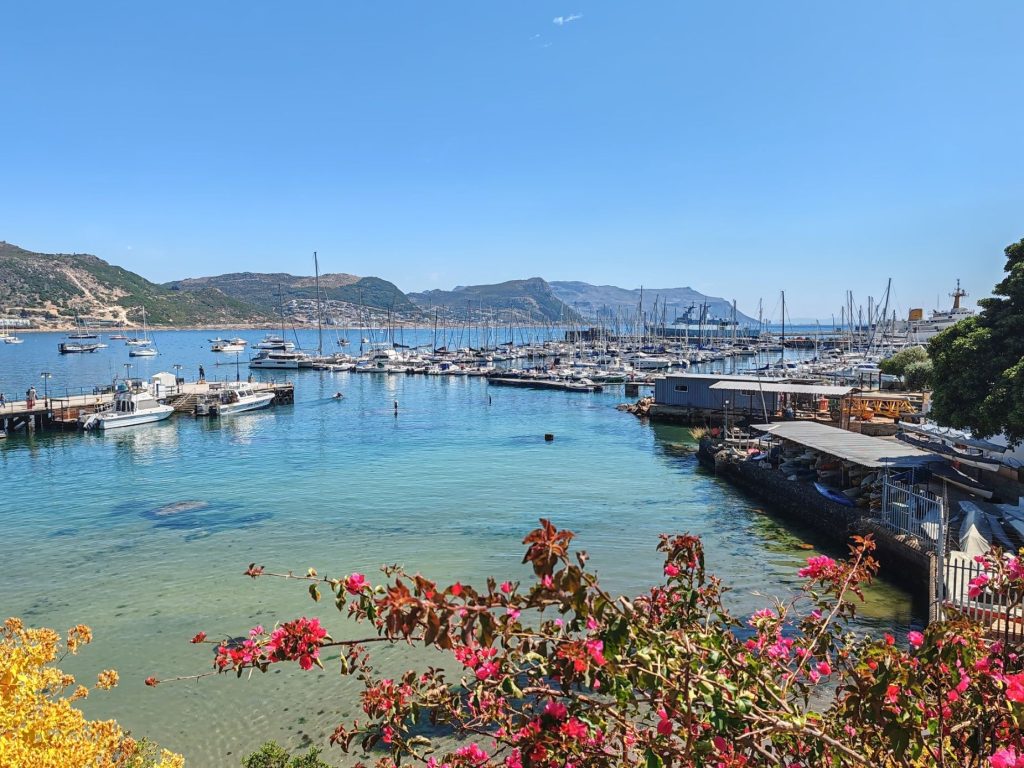
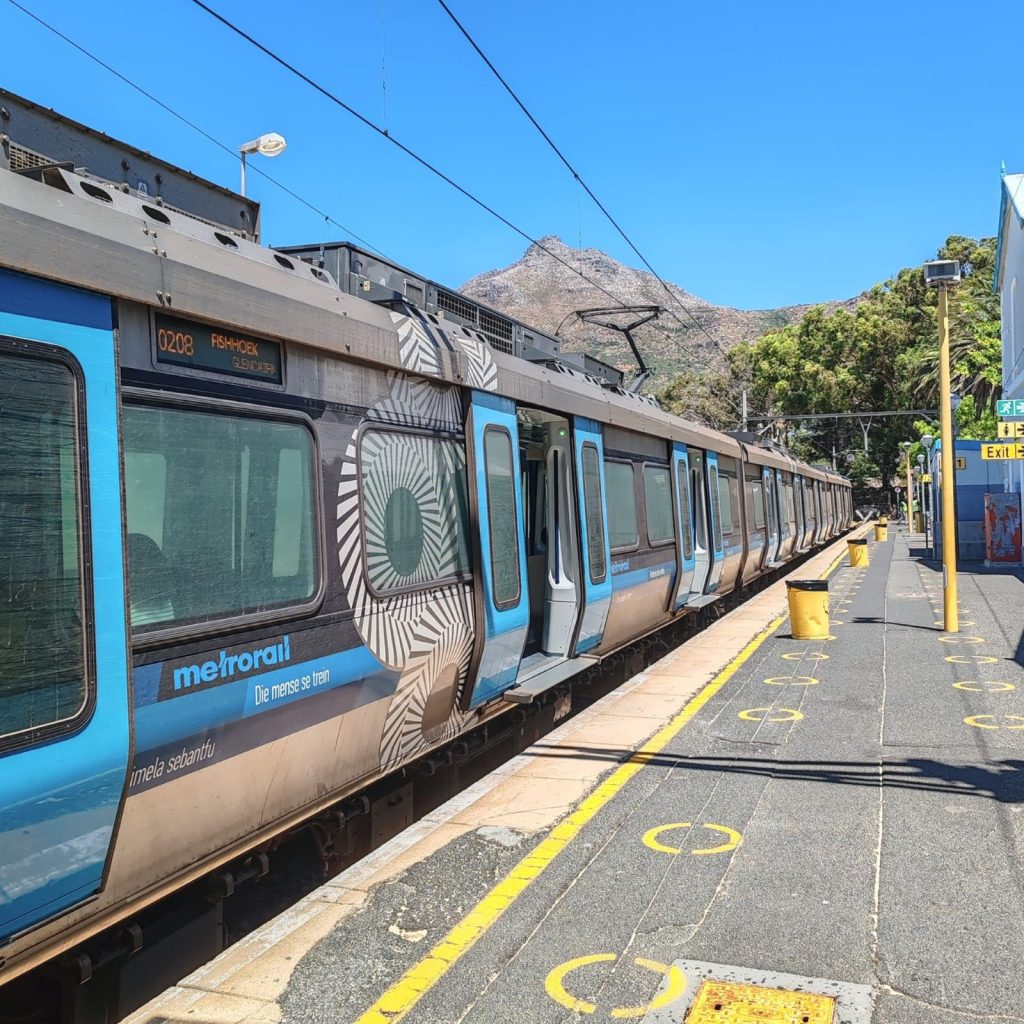
The Cape Peninsula, stretching tens of kilometres south of Table Mountain, is probably best known for the Cape of Good Hope at its tip. The whole peninsula belongs to Table Mountain National Park, but it is also home to several villages and suburbs as well as beach destinations. We stayed a few days on the peninsula’s east coast in Fish Hoek, in a quite nice apartment* rented through Booking, and from there visited Simon’s Town, the area around Boulders Beach, known for its penguins, and Noordhoek. From central Cape Town you can get to the area conveniently and cheaply by Metrorail train.
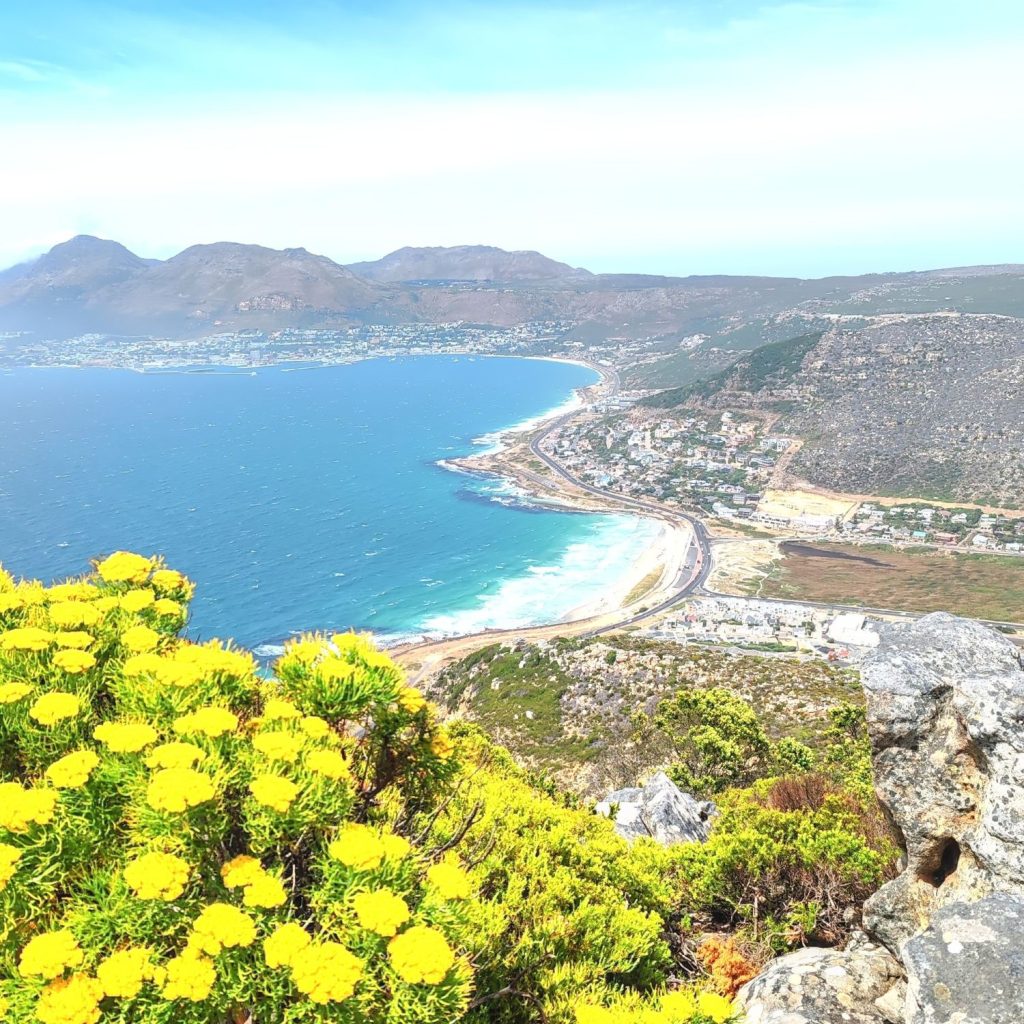
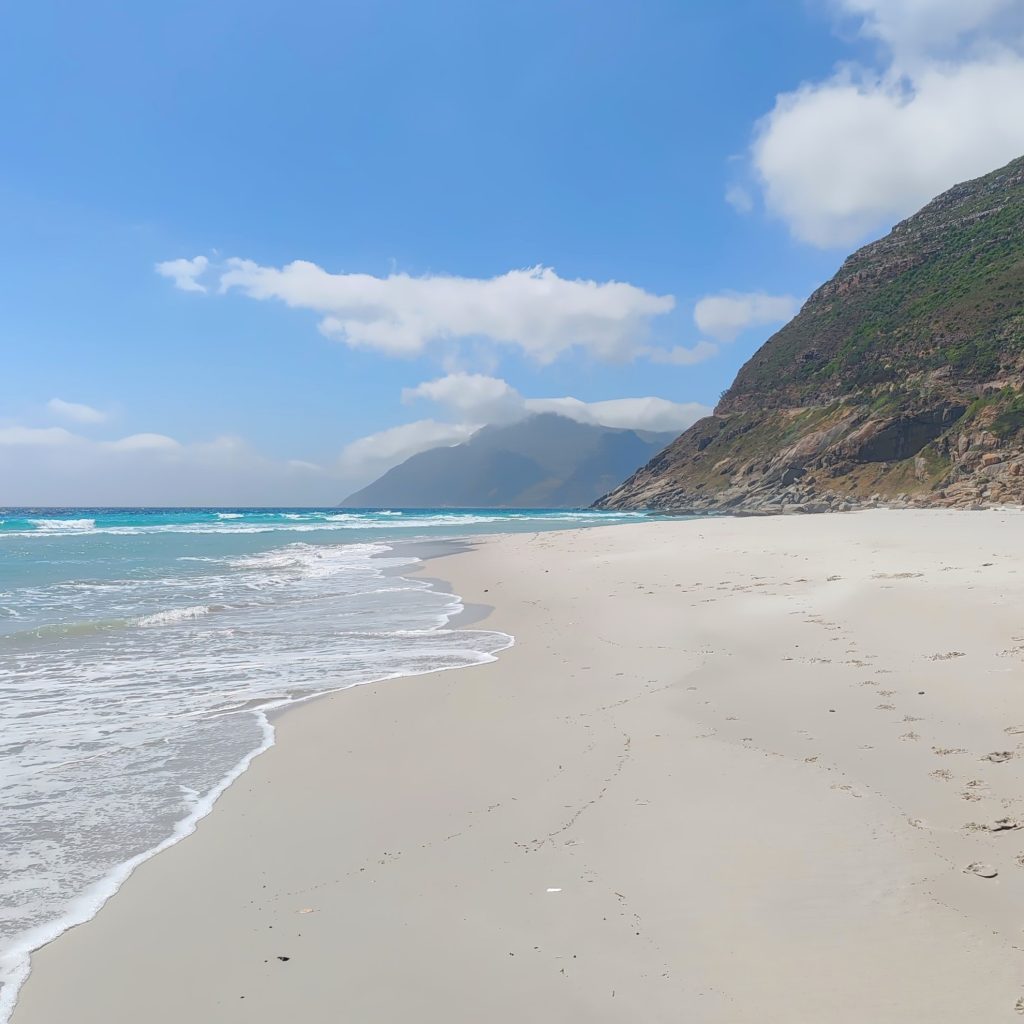
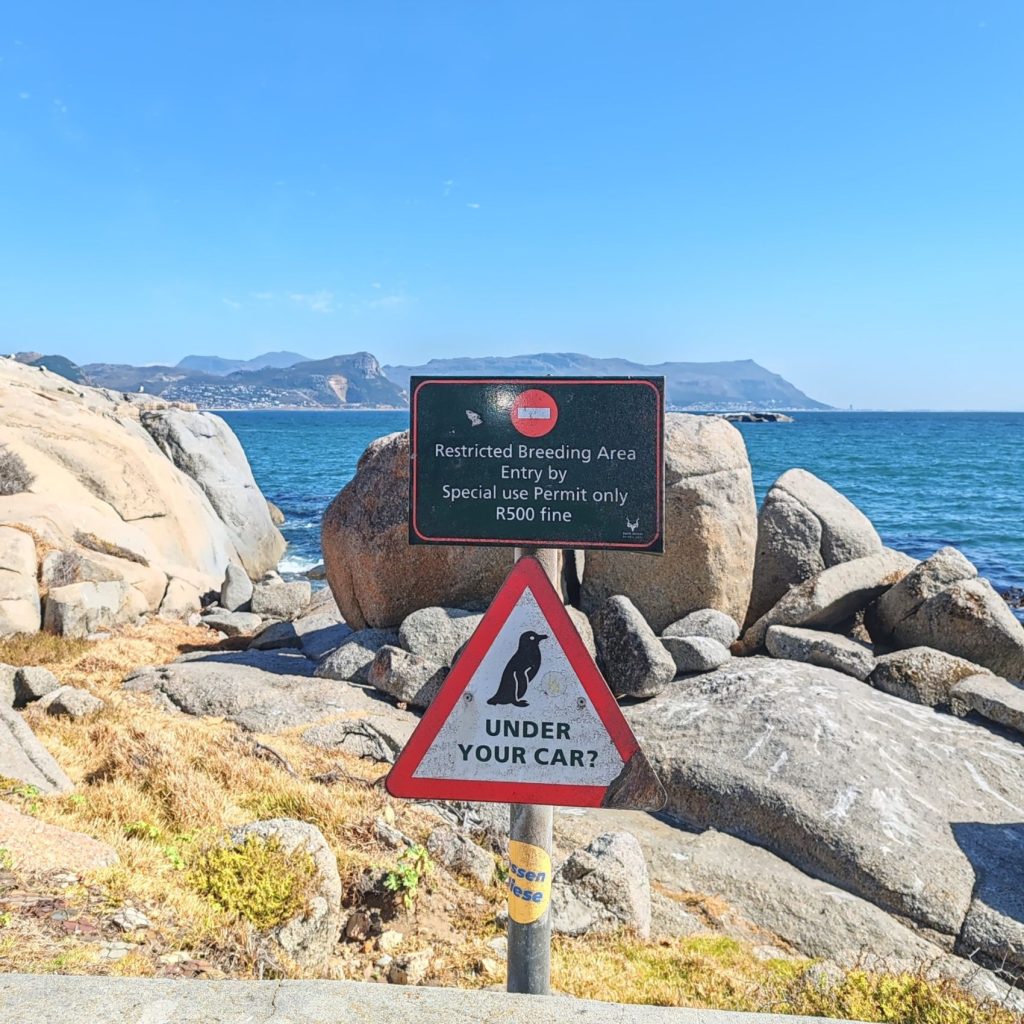
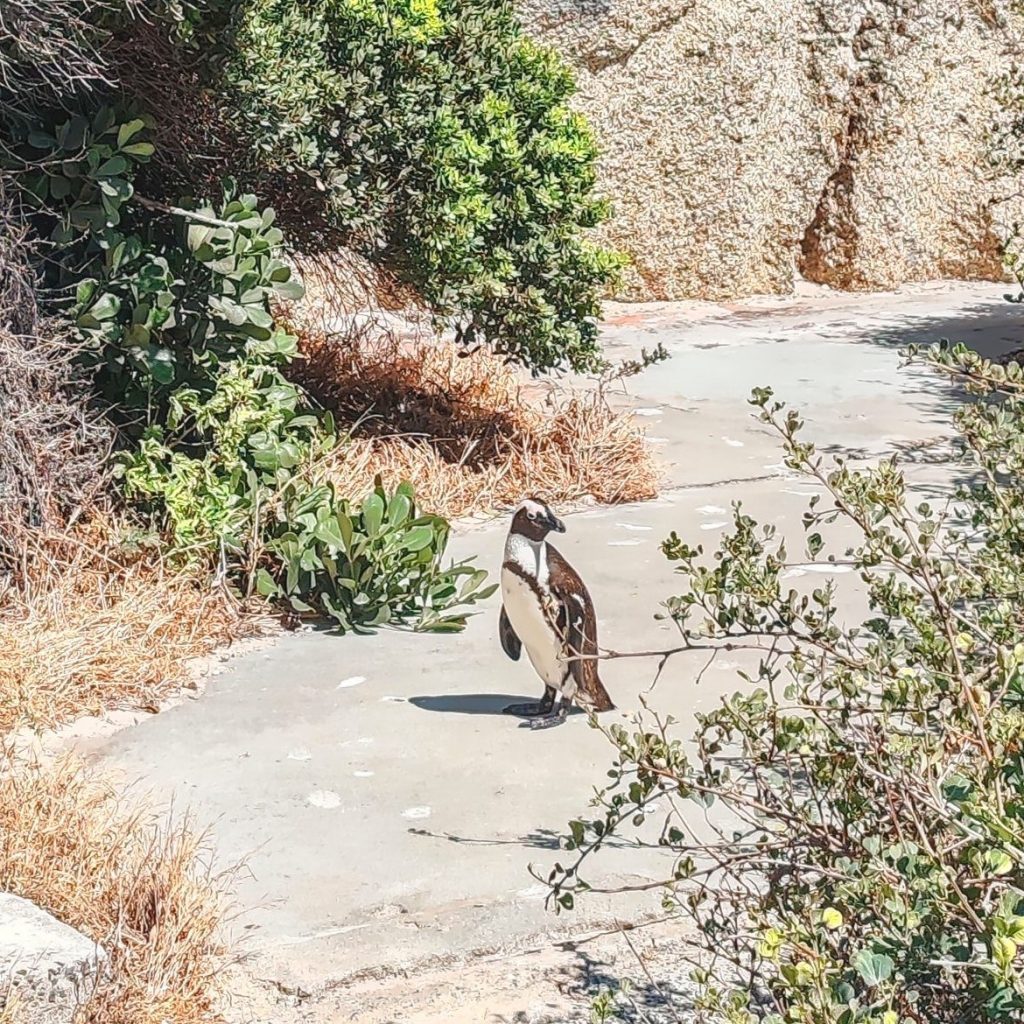
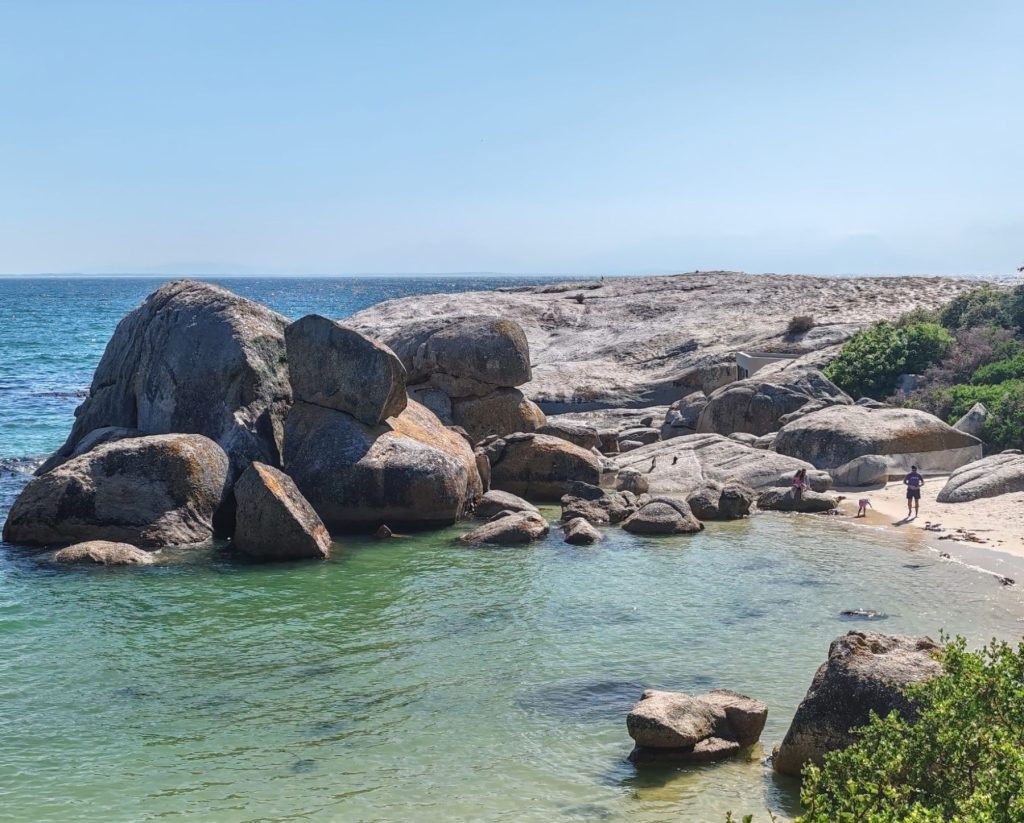
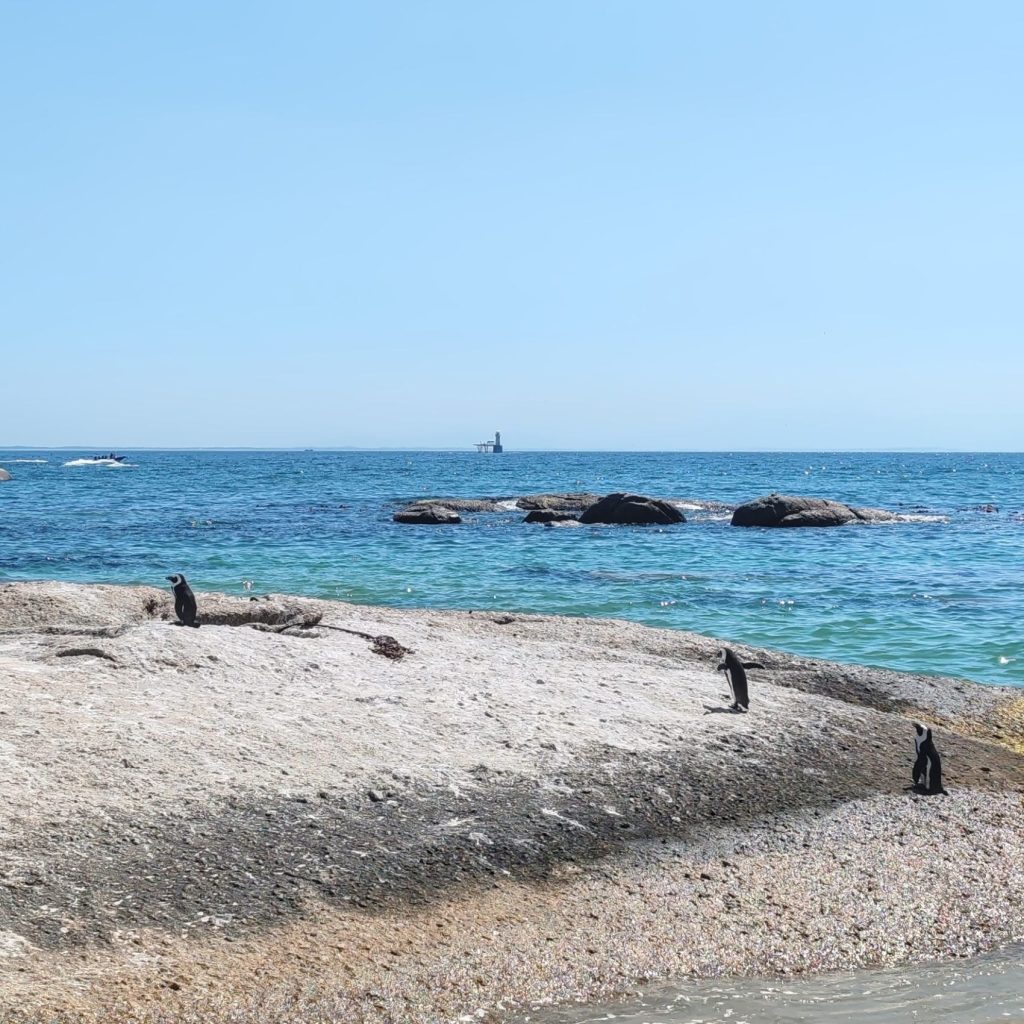
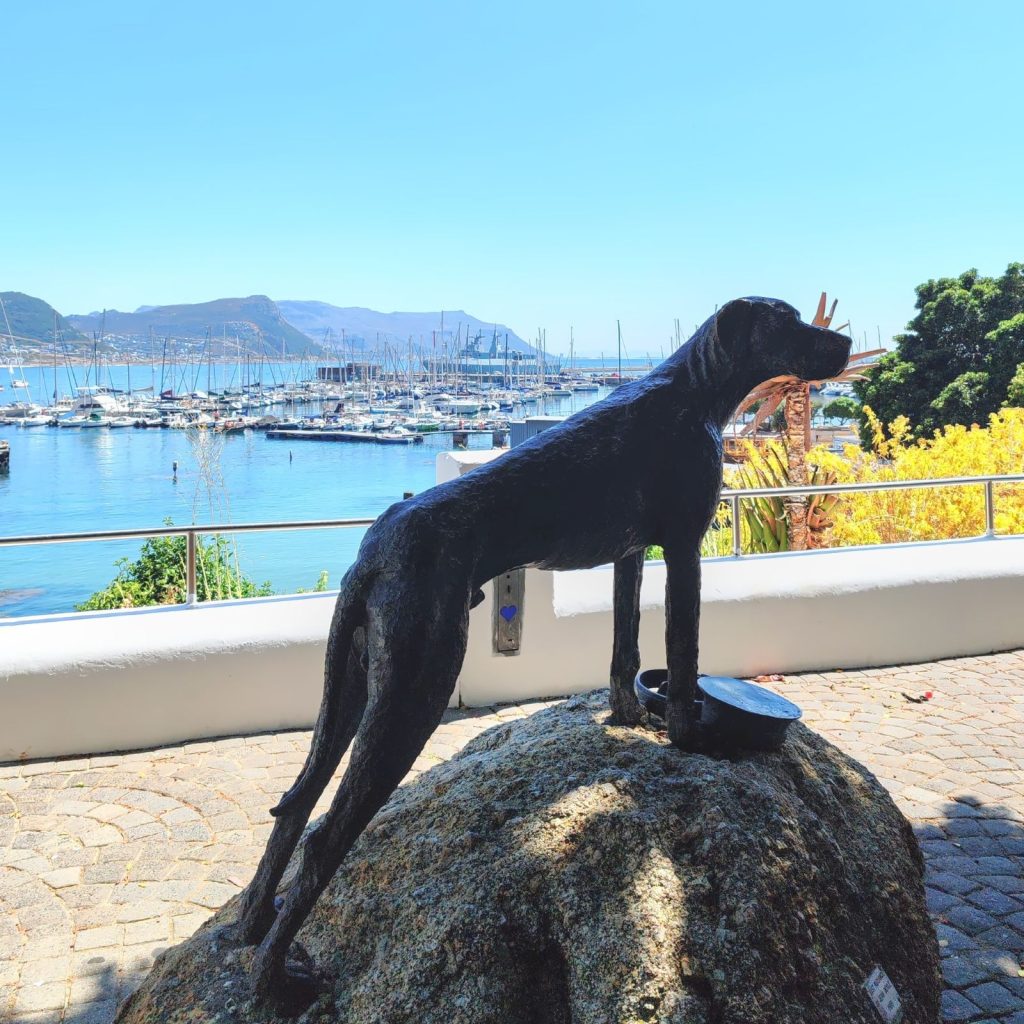
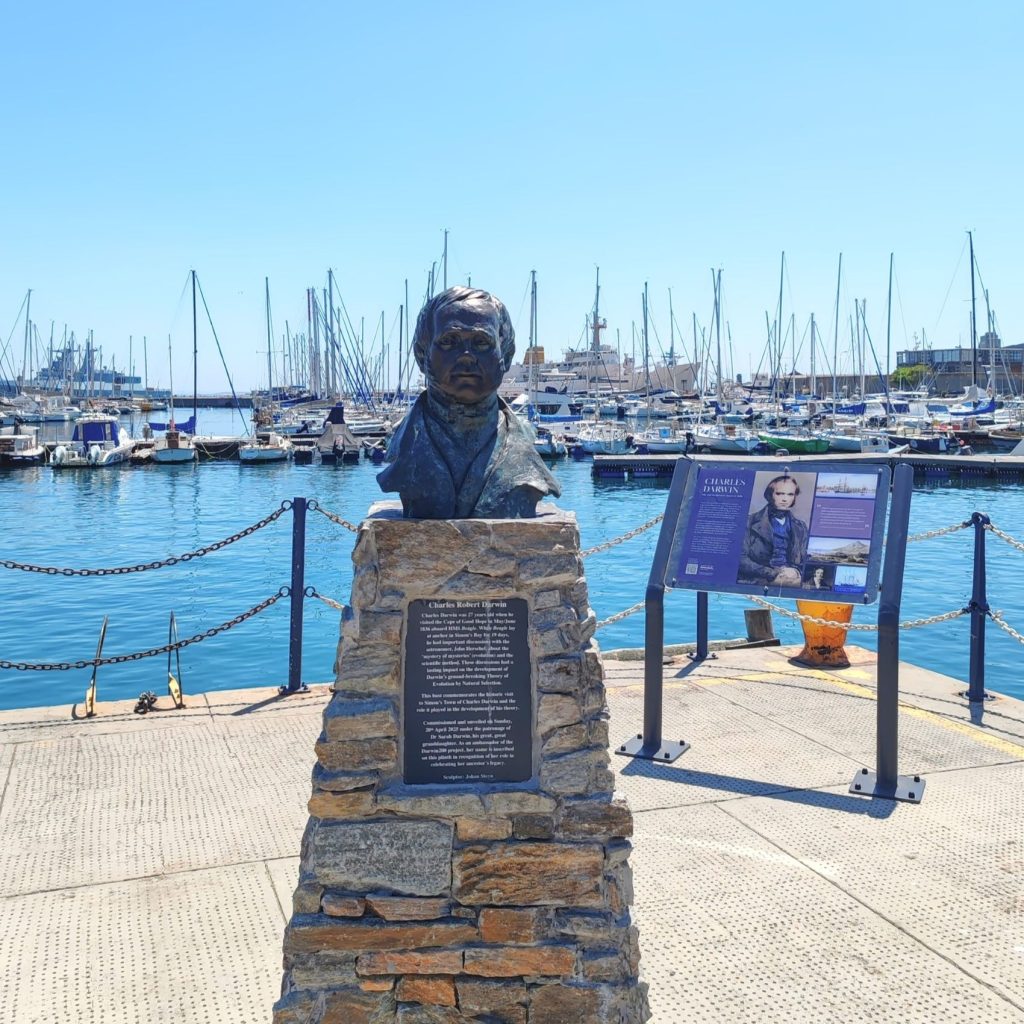
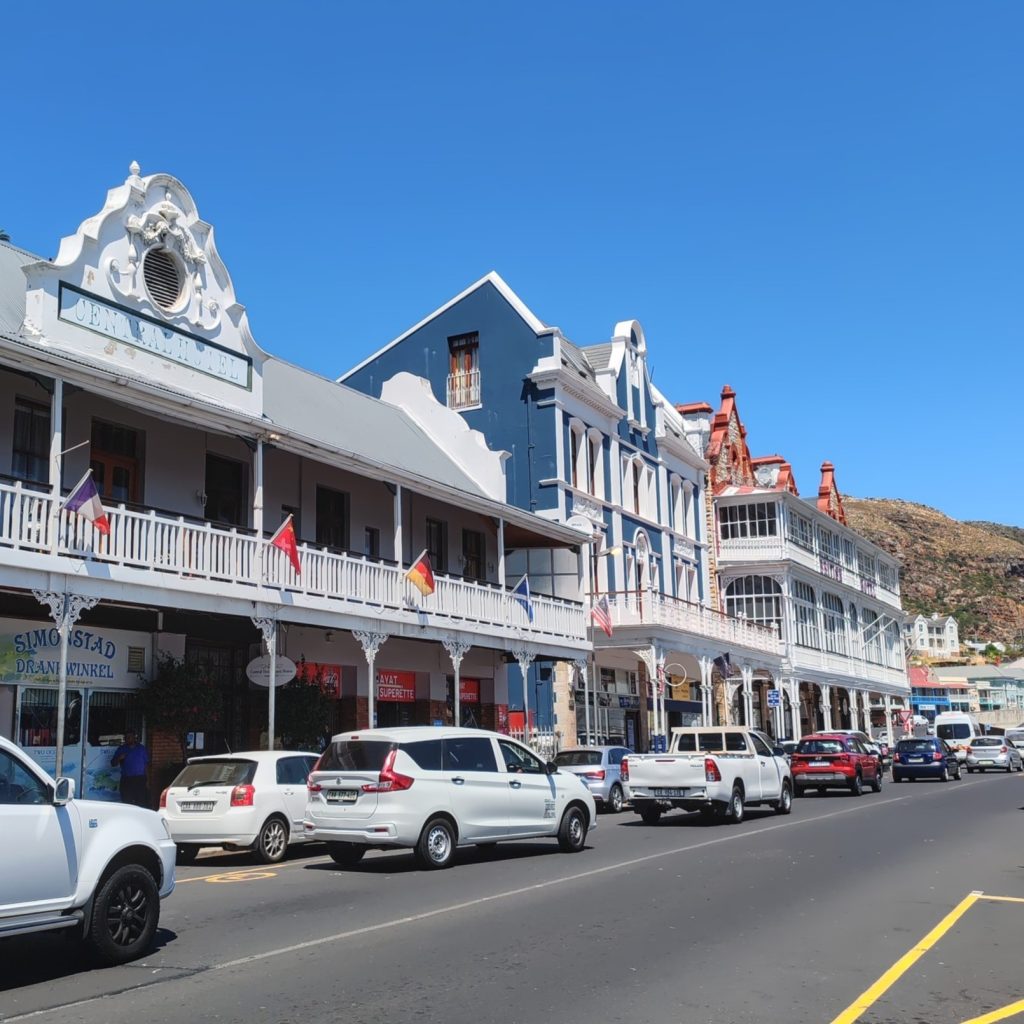
Many head to Simon’s Town specifically for the African penguin colony at the neighbouring Boulders Beach, but the little town is a great day-trip destination in its own right. (We admired penguins in Cape Town “only” at the free beach next to Boulders Beach, but later also on a longer road trip at Betty’s Bay – more about that in the next post). Part of Greater Cape Town, Simon’s Town is a historic naval base with, among other things, beautiful Victorian-era buildings, museums, and restaurants and cafés specialising in seafood. Among the statues, worth mentioning is the bronze statue of the Great Dane Just Nuisance standing on Jubilee Square. Just Nuisance was a support to sailors during the Second World War, and is the only dog in history officially enlisted in the British Royal Navy.
Where we didn’t (at least not yet) go
Even though we spent almost two months in Cape Town, there was still more to see. Of the best-known sights, we did not visit the prison island Robben Island, though many consider it one of the highlights. Another super-popular place we didn’t go to is Cape Point at the tip of the Cape Peninsula, and the neighbouring Cape of Good Hope. We also did not drive the famous scenic road Chapman’s Peak Drive, which winds between Table Mountain and the crashing Atlantic waves, connecting the suburbs of Hout Bay and Noordhoek. We did get a taste of scenic roads elsewhere in the Western Cape, though, and in the next post we head off road tripping!
Are you already familiar with Cape Town, and have you been to South Africa? Or are you perhaps planning to go someday? Ask for tips or share your experiences and thoughts in the comments below!

If travelling through house-sitting assignments could be your thing too, in this post we tell you how to get started:
11 tips for aspiring pet sitters