
In November, with autumn having reached even southern Europe, it was time to move again to slightly warmer conditions for the winter. This time, the Caribbean and South America were chosen as the destinations for the winter months, but before crossing the Atlantic, we took a shorter trip to Egypt, which was a new acquaintance for us.
Of course, we knew about the country’s history and iconic sights, including the Giza pyramids, and we included numerous wonders of ancient Egypt along the route. In this post, we travel to the pyramids and the burial chambers of Saqqara, visit the Memphis open-air museum, and visit the Cairo Citadel and stroll the streets of pyramid-Giza.
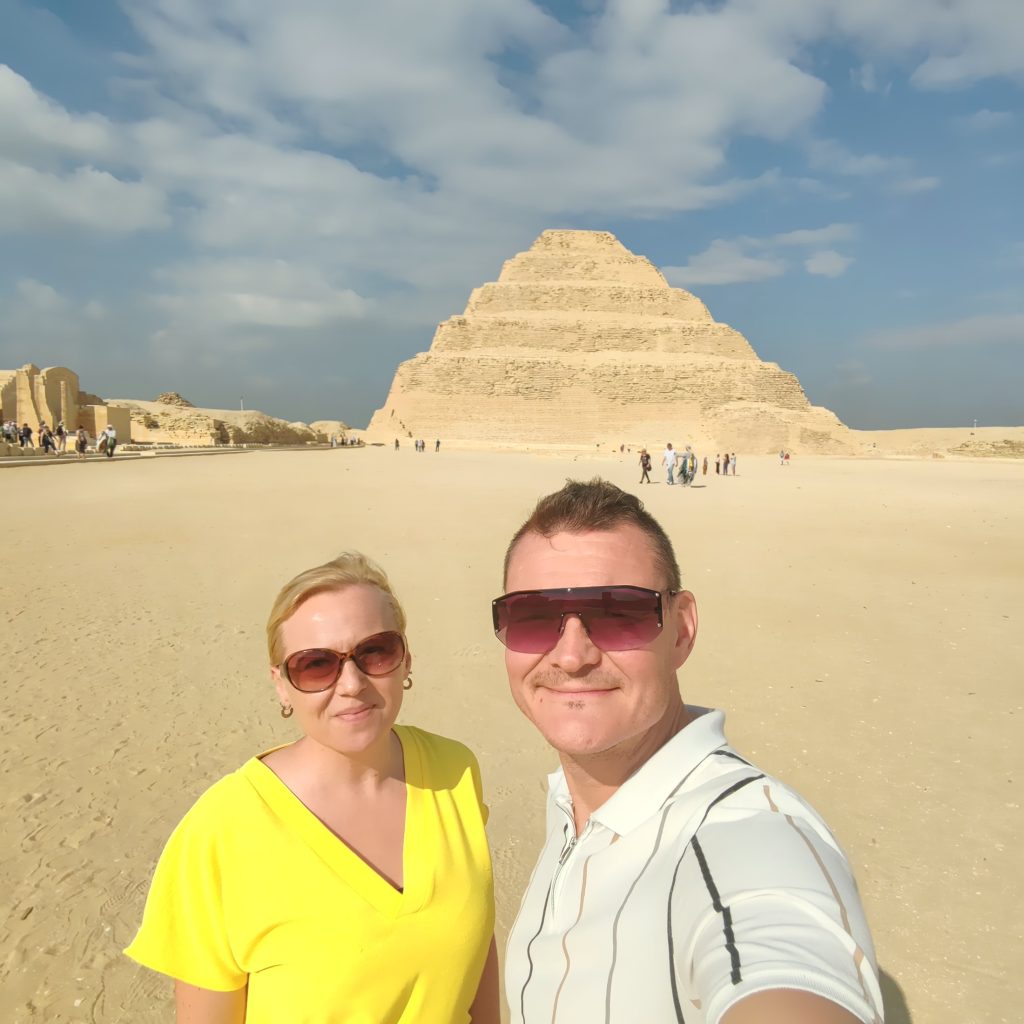
To the base of the pyramids in Giza
After leaving our campervan for the winter in Alsace, France, we headed to Geneva, Switzerland, from where we had spotted affordable Easyjet flights to Giza, Egypt. The trip to Egypt was actually booked on fairly short notice, and we only had ten days to stay there before our flight to the Caribbean. A couple of days were spent on a local work project, that was partly the reason why we went to Egypt overall, but otherwise it was our own “vacation” trip – vacation in quotation marks because we almost always do some remote work, no matter where we are.

Our adventure in Egypt started from Giza’s relatively new Sphinx Airport, where after landing we bought visas (20 USD) and a local SIM card, and hopped into the transportation provided by our hotel. Let me just say at the beginning that, with the collapse of the Egyptian pound, the price level in the country in November 2024 was really low (1 euro equaled about 53 Egyptian pounds), which of course was also reflected in accommodation prices.
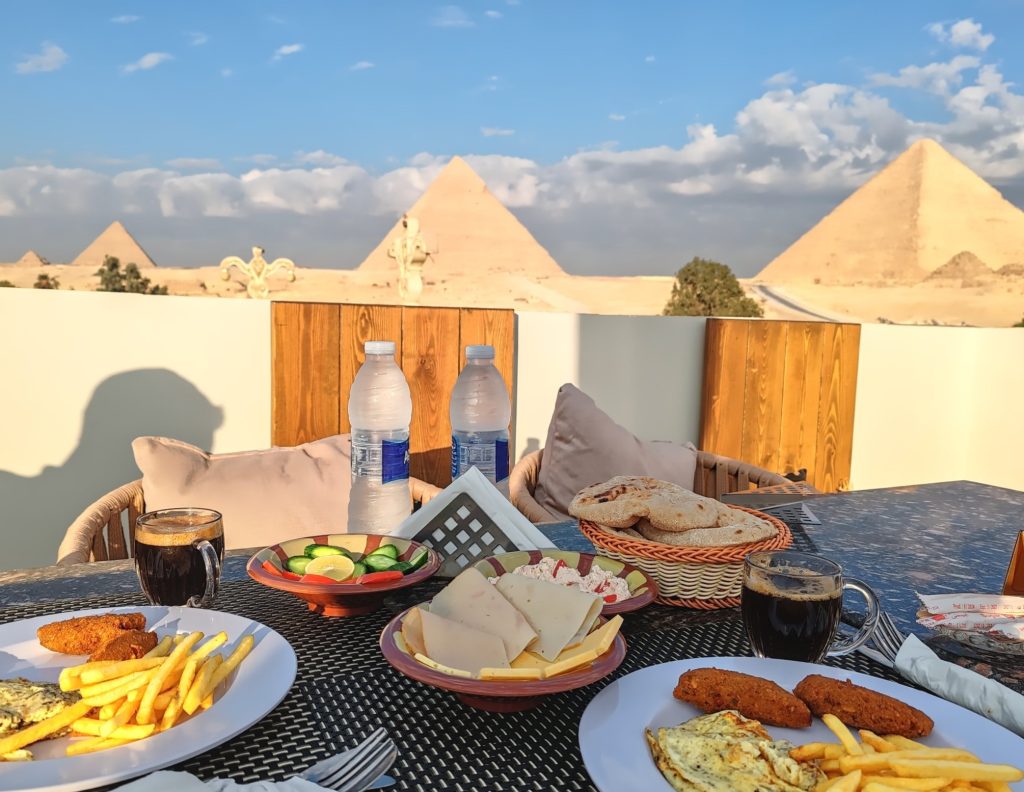
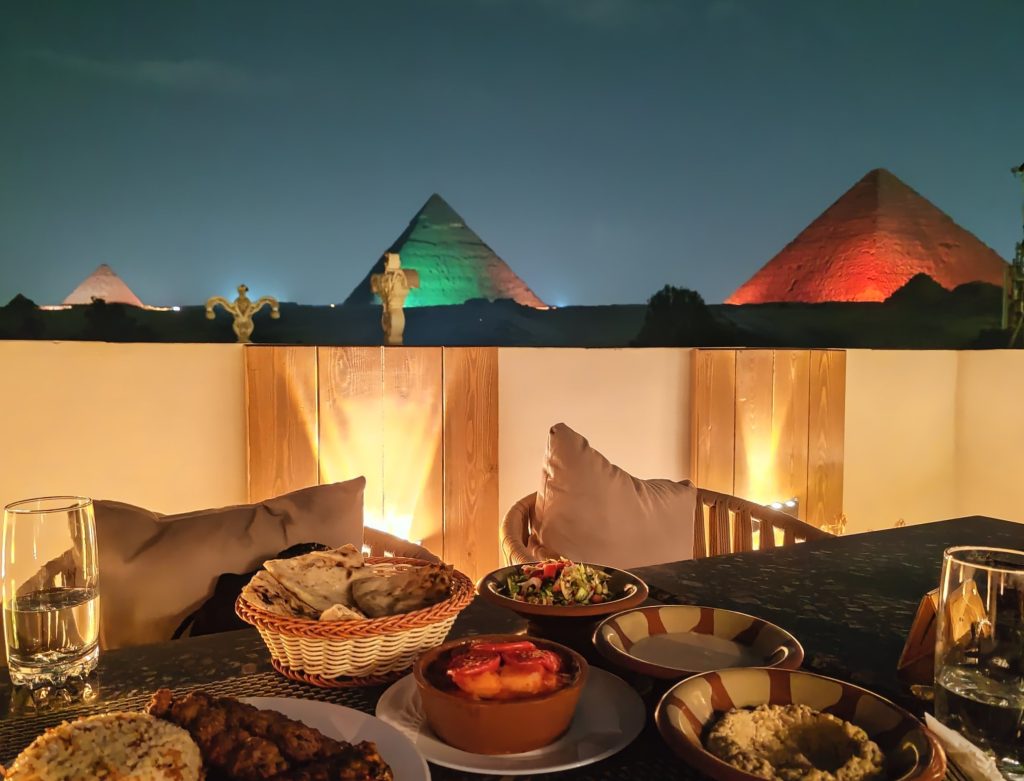
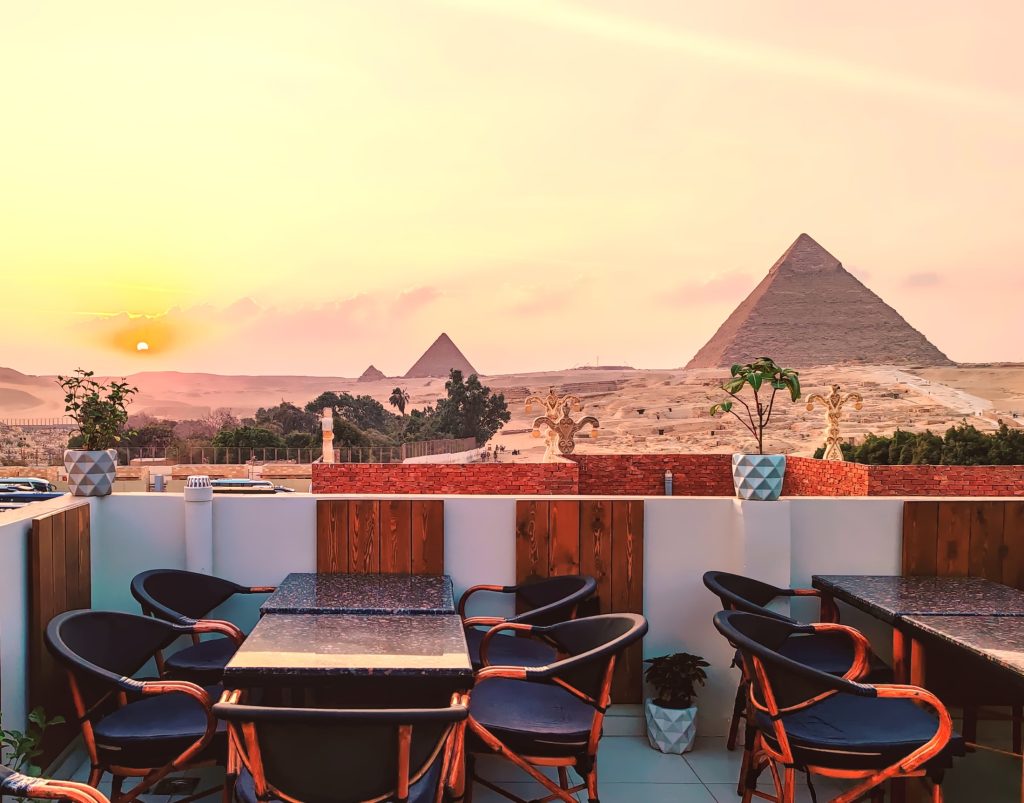
We usually stay in guesthouses or rental apartments, but in Giza we stayed in a hotel, and a fairly new one at that. We wanted a view of the pyramids, and from the numerous options, we ended up at a small hotel called Pyramids on the Spot View. From the hotel’s rooftop terrace, the view to the Giza pyramids was practically unobstructed, and we admired them at breakfast, sunset, and during the pyramids’ audio and light show. This almost nightly spectacle is a dramatized account of the history of the pyramids and pharaohs, presented at the foot of the pyramids with spectacular lighting. The price of this accommodation with breakfast was about 25 euros per night (double room).
Where to get travel insurance for a longer trip?
Over more than eight years of nomad life, we’ve searched for cost-effective and reliable solutions, especially for travelers’ health insurance.
In the article Nomad Travel Insurance: 3 +1 Easy Options, we present international insurance options suitable also for extended trips.
Guided tour of Saqqara, Memphis, and the Giza pyramids
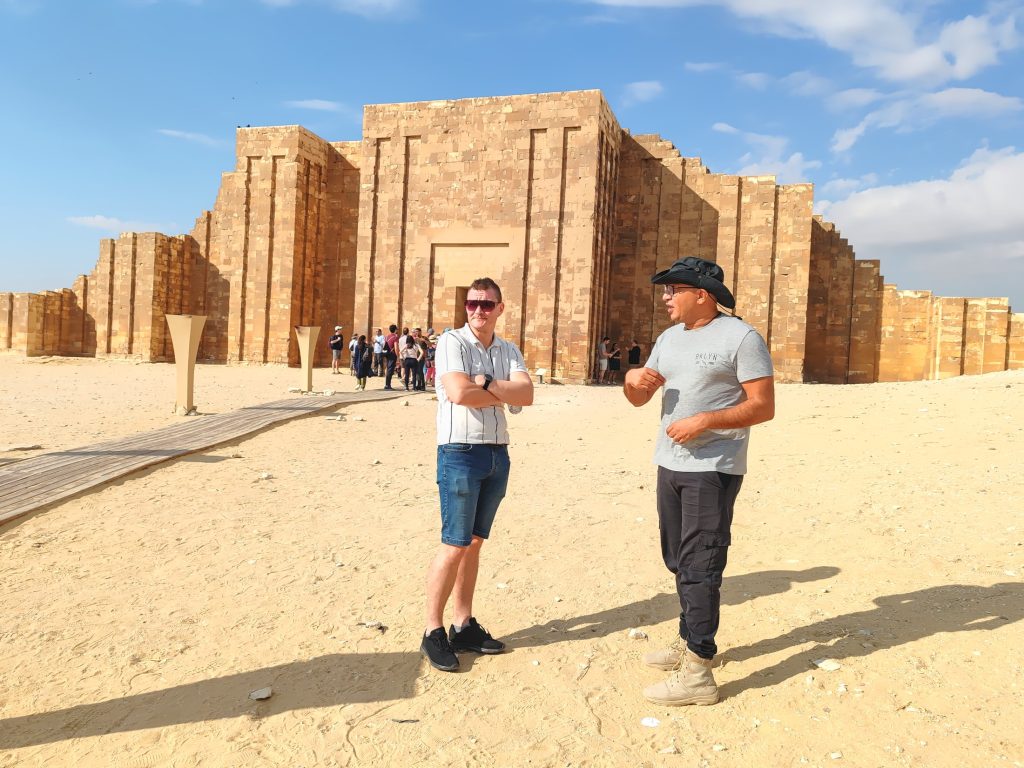
We usually prefer to explore attractions on our own, and it would have been possible to discover the sights of the Cairo area, including the Giza pyramids, without a guide too. However, this time we decided to book a guided tour through Viator platform, to see selected ancient Egyptian wonders of the Giza area. The private full-day tour was led by an excellent Egyptologist, King Abu, and the $75 package included entrance fees to three attraction areas, as well as guidance, transportation, and lunch.
Saqqara pyramids and burial chambers
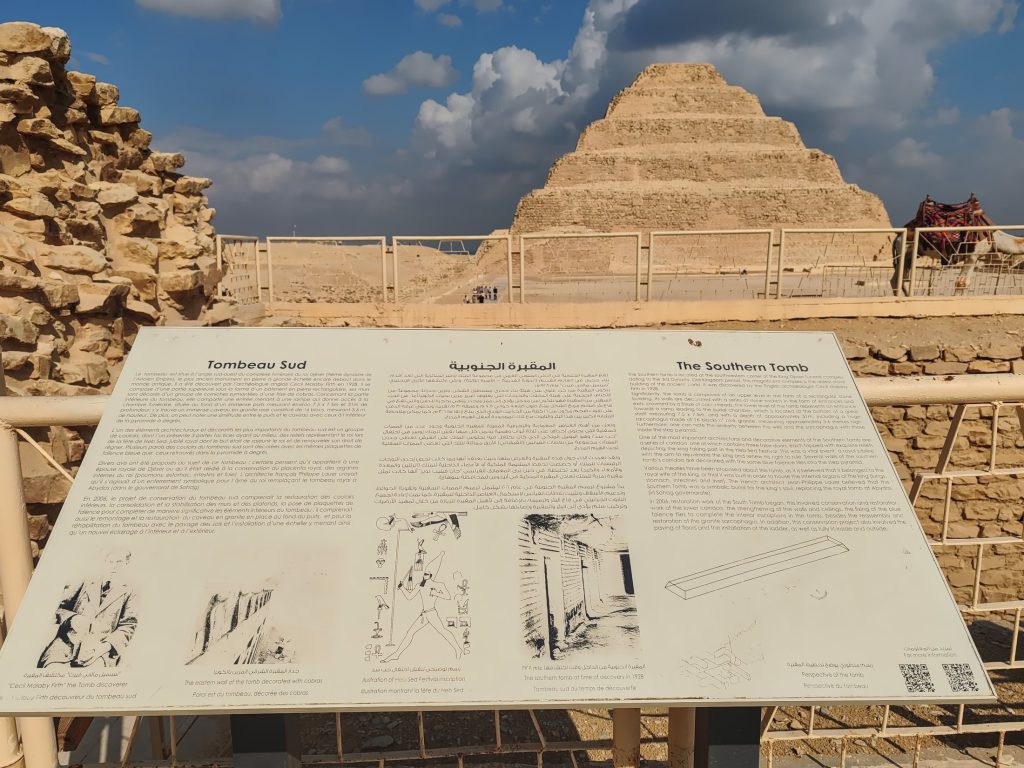
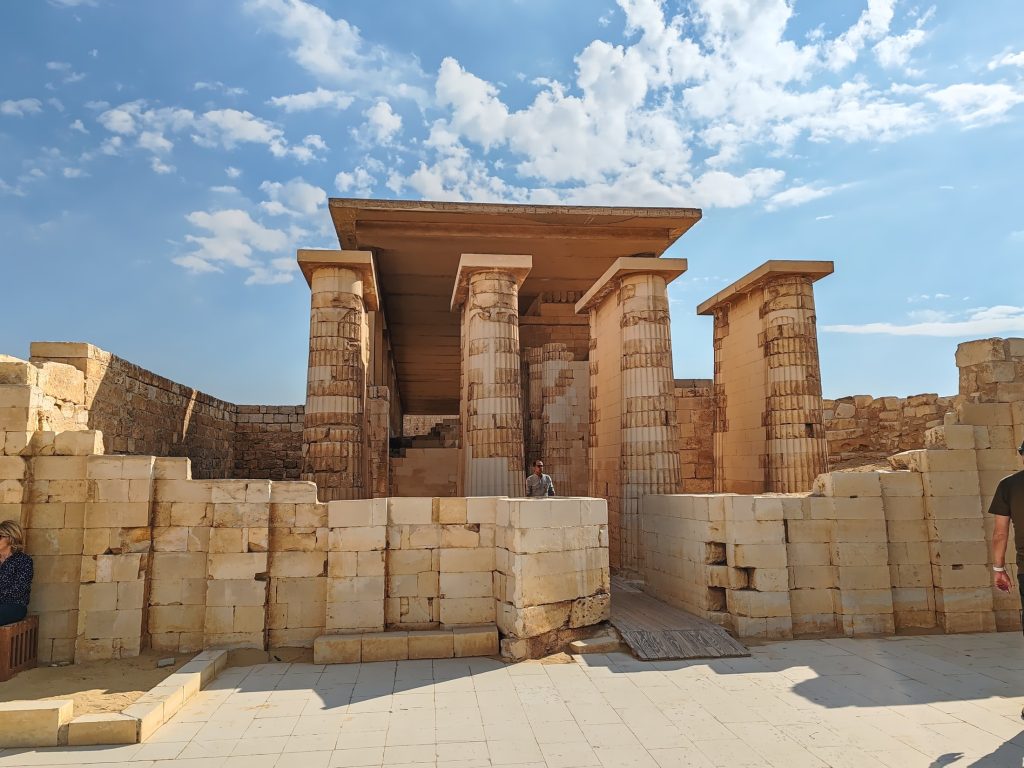
You could easily spend a whole day at just the first site on the tour, Saqqara. Saqqara was the burial ground of Memphis, the ancient capital of Egypt, where numerous royals were buried. The area consists of several pyramids, the largest and most famous of which is the Step Pyramid of Djoser, as well as several burial chambers from different eras. The Southern Tomb, part of the Djoser mortuary complex built during the Third Dynasty (approximately 2686 – 2613 BC), is reportedly the oldest intact stone building in the world, and the Step Pyramid itself is considered the oldest of the large stone pyramids.
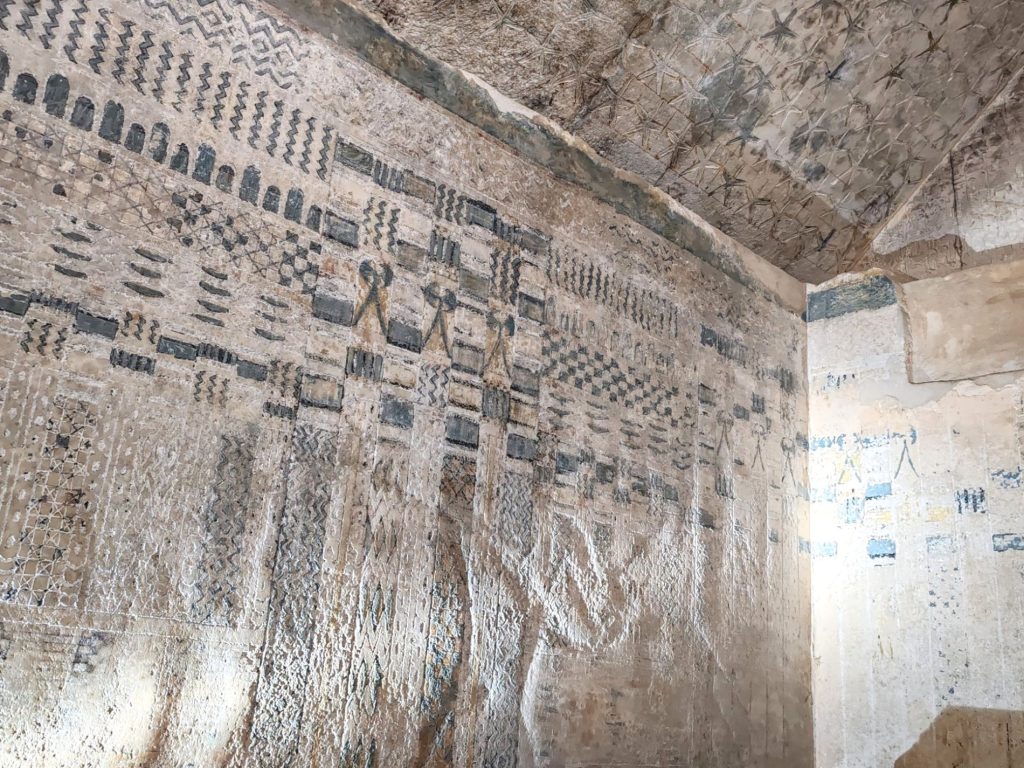
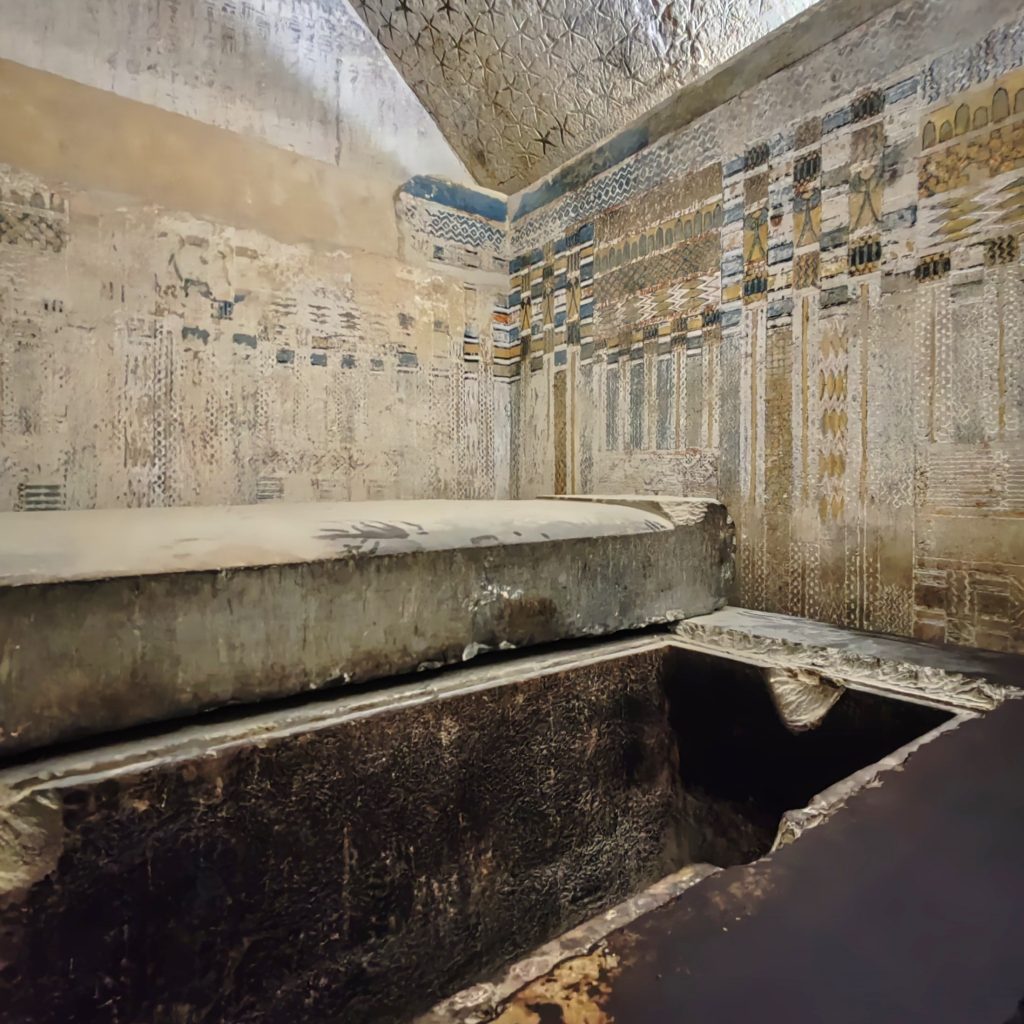
We went inside the Pyramid of Unas, which today barely looks more than a small pile of stones from the outside, but hides an ornate corridor and a burial chamber with sarcophagi. Entry to the pyramid was through a low, downward-sloping passage, and the air inside the chambers was hot and humid.
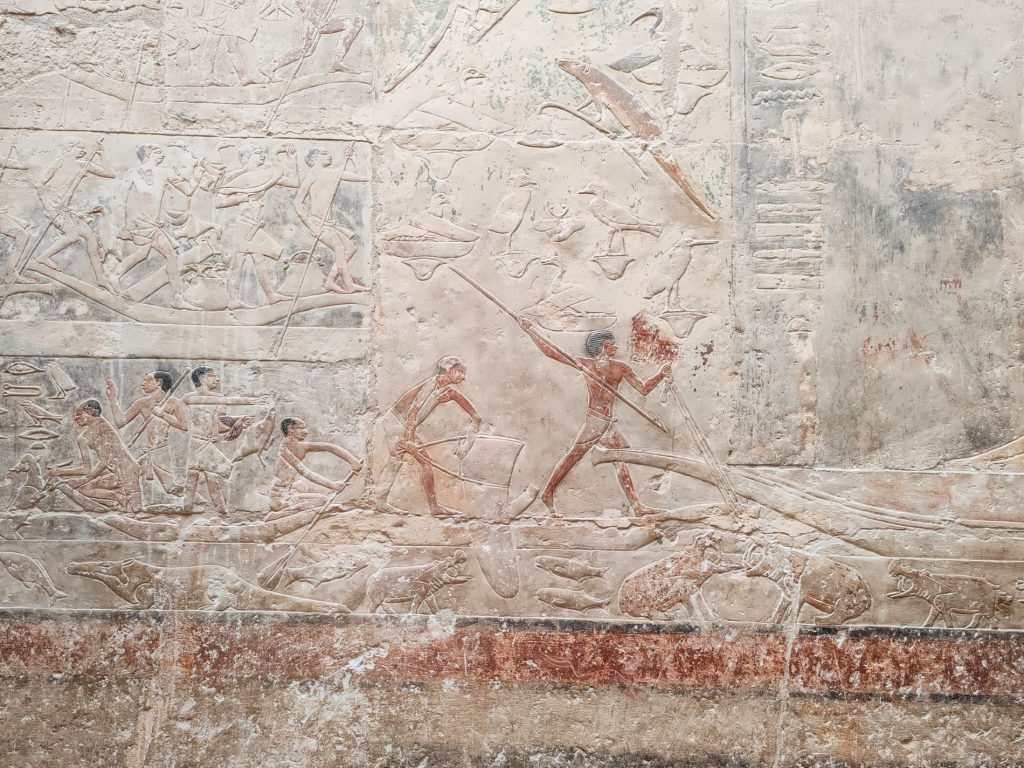
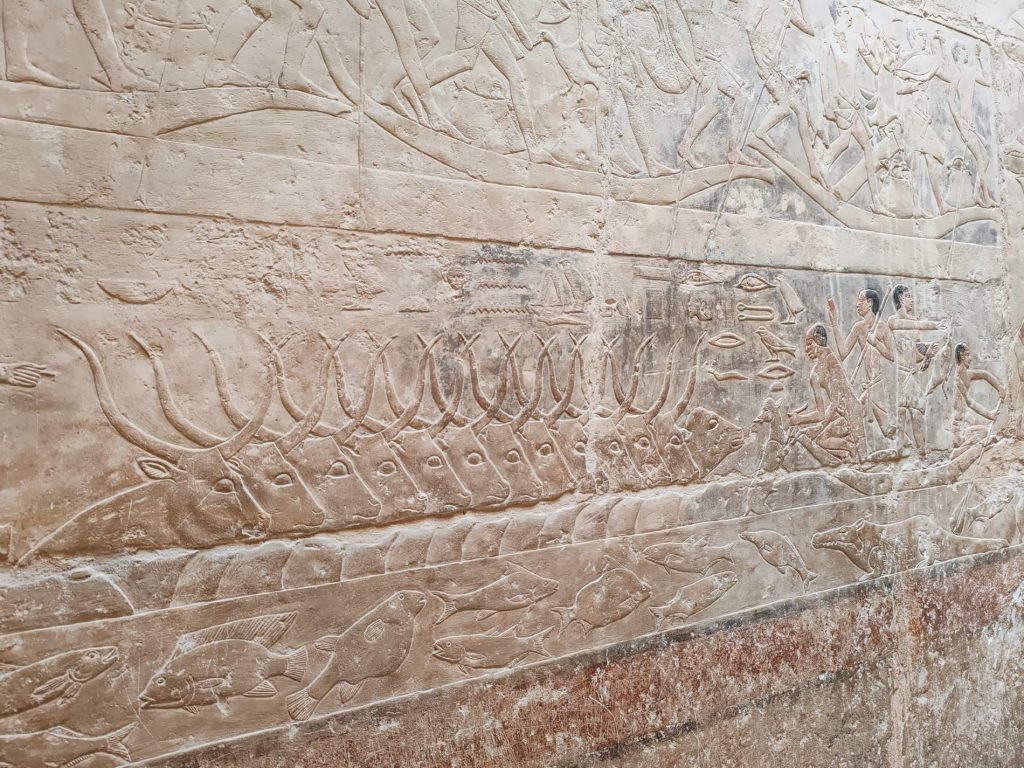
We also visited the burial chamber of Princess Idut, whose walls feature intricate reliefs depicting scenes such as hunting and the presentation of tribute gifts. This chamber also contains a rare relief showing the birth of a hippopotamus.
Memphis Open-Air Museum
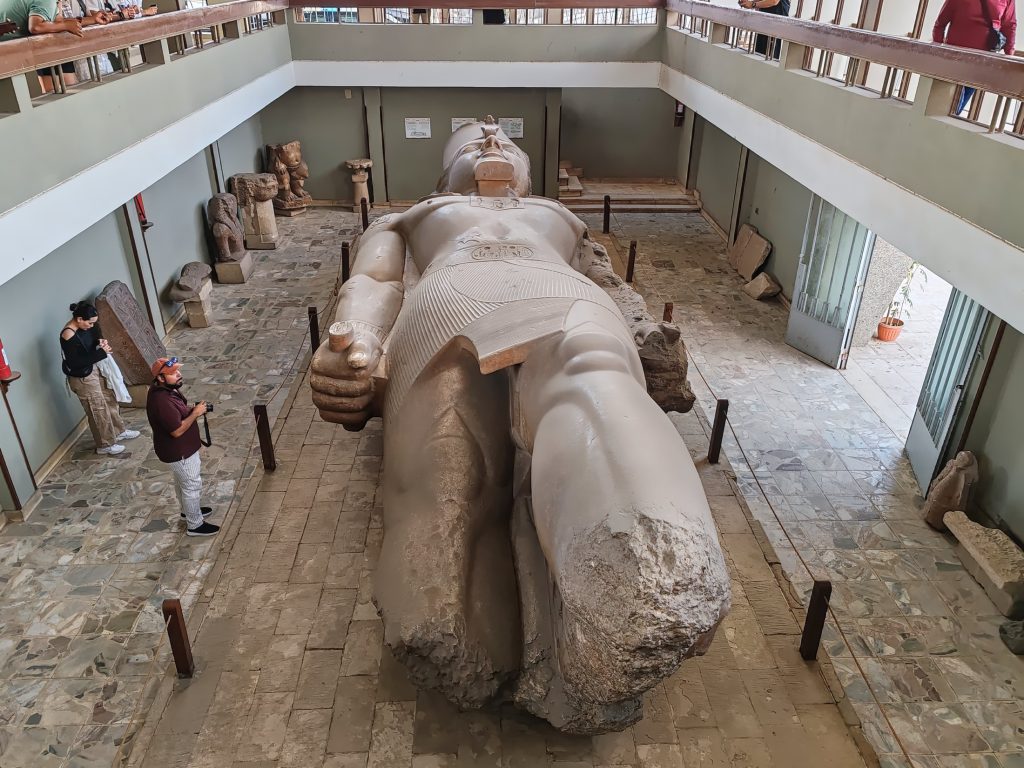
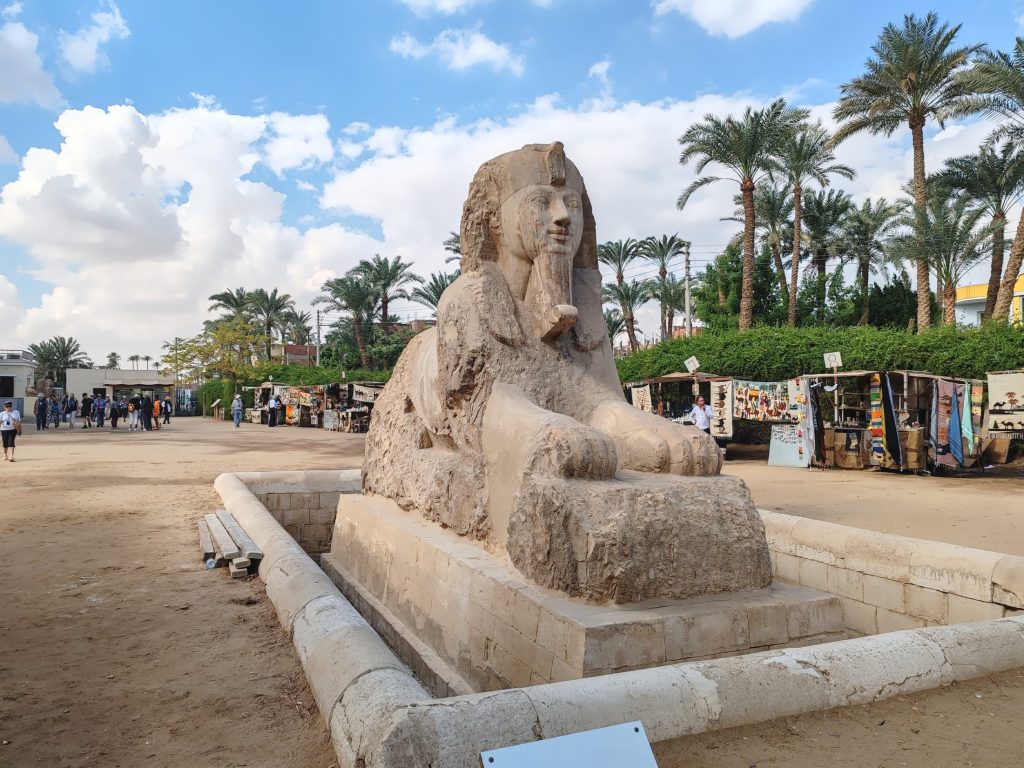
The main attraction of the ancient Memphis Mit Rahina open-air museum is the colossal, supine statue of Ramses II, one of the largest statues in the world. Most of the museum’s collection focuses on the era of Ramses II, and besides the colossal statue, the most notable pieces include an alabaster sphinx and numerous smaller sculptures depicting Ramses II.
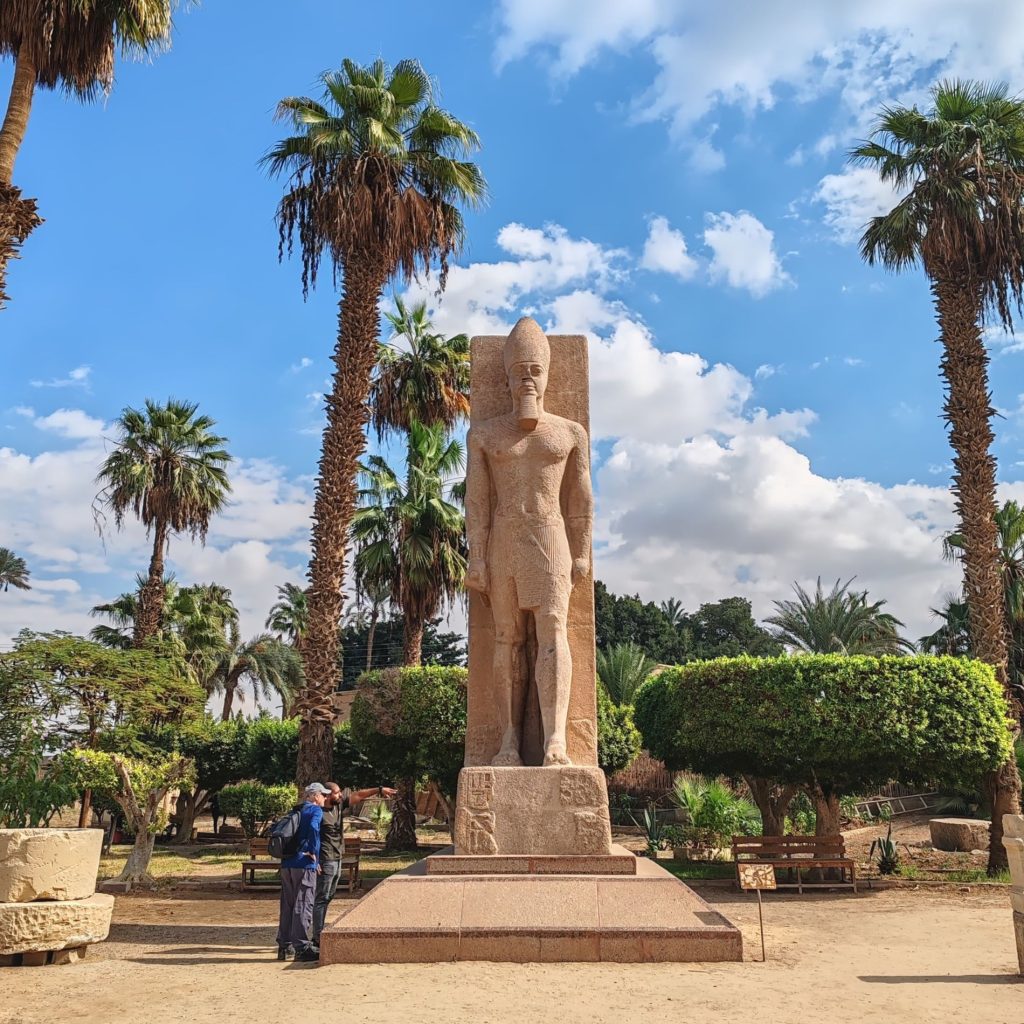
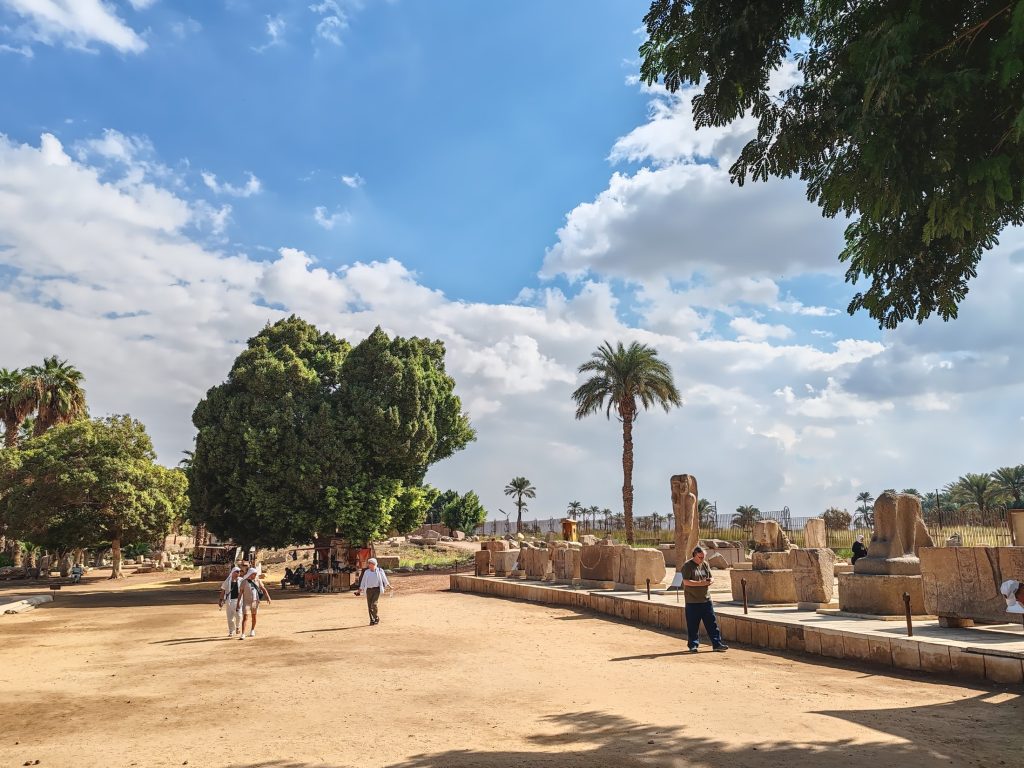
After visiting the Memphis museum, we returned to Giza and had lunch included in the tour at a large, popular restaurant that hosts even big tour groups daily for buffet meals. It felt a bit like a feeding line, but the food was good and there were plenty of options. In the afternoon, we moved to the Giza pyramid complex, where we finally got to admire these enormous, mysterious structures up close. And they really are incredible. The pyramid area was quite crowded, but the site is so vast that it’s easy to find space once you get past the bustle near the ticket booths.
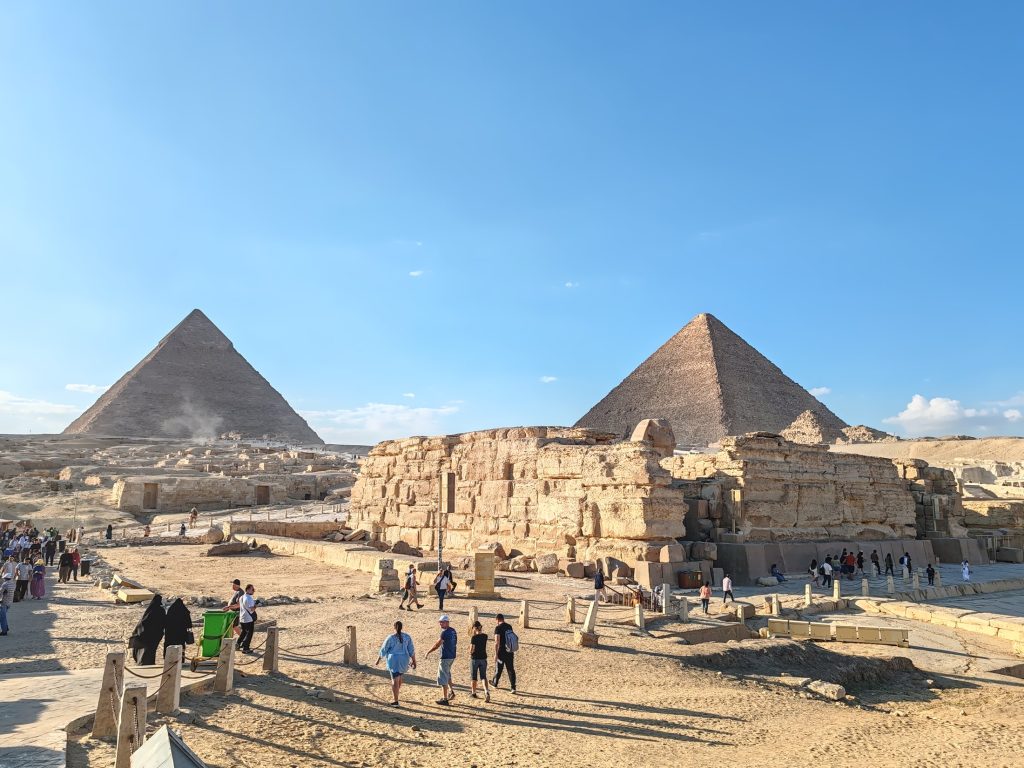
The Pyramids of Giza
The Pyramids of Giza date back to Egypt’s Fourth Dynasty, around 2600–2500 BCE. The most famous and largest is the 139-meter-high Great Pyramid of Khufu (also known as Cheops or the Great Pyramid of Giza), the only one of the Seven Wonders of the Ancient World still largely intact. The other major pyramids on the site are those of Khafre and Menkaure.
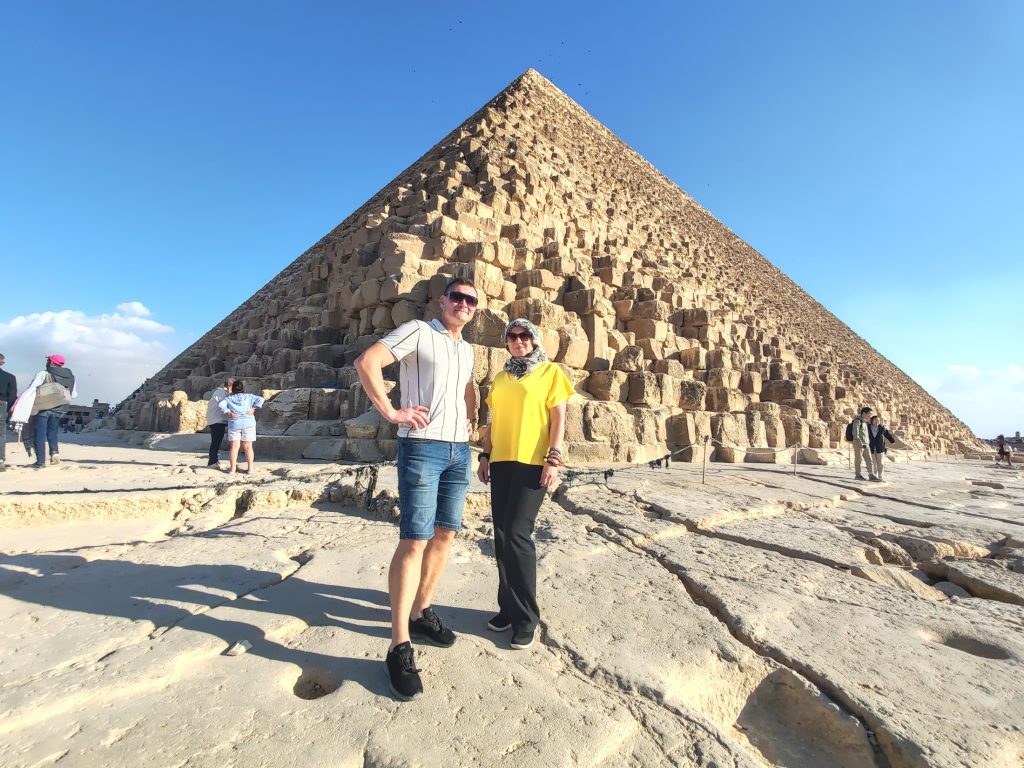

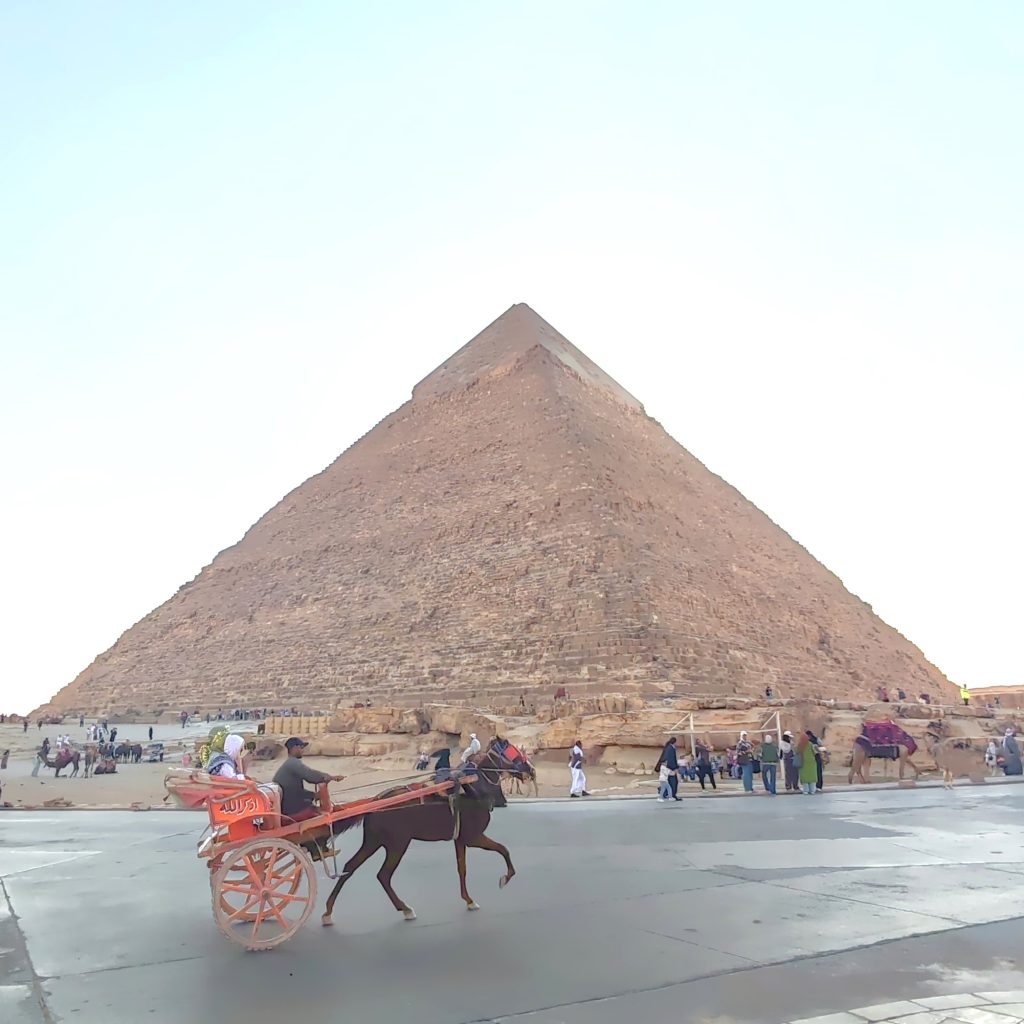
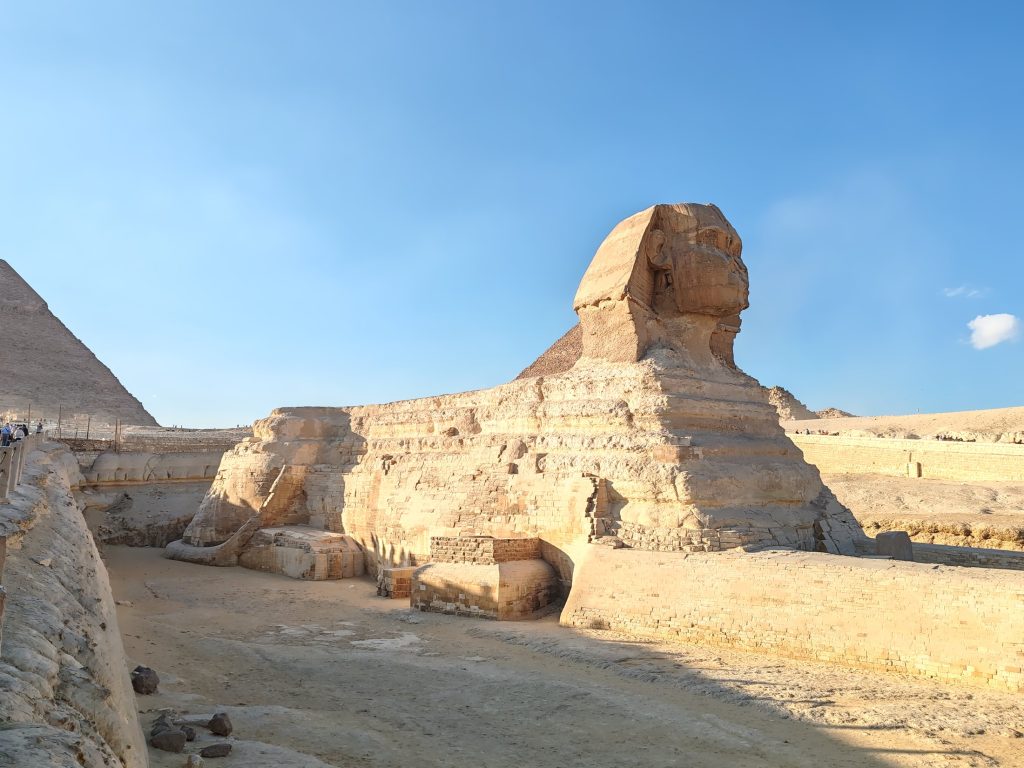
The site also features smaller pyramids, mortuary temples, and the impressive Great Sphinx of Giza. Constructing the pyramids from massive stone blocks arranged with such precision remains one of history’s greatest mysteries. In 2024, new research provided additional insight when an international team discovered a previously hidden branch of the Nile beneath the desert and farmland, which is believed to have been used to transport the stones. Of course, this finding still doesn’t fully explain how millions of massive blocks were precisely positioned.
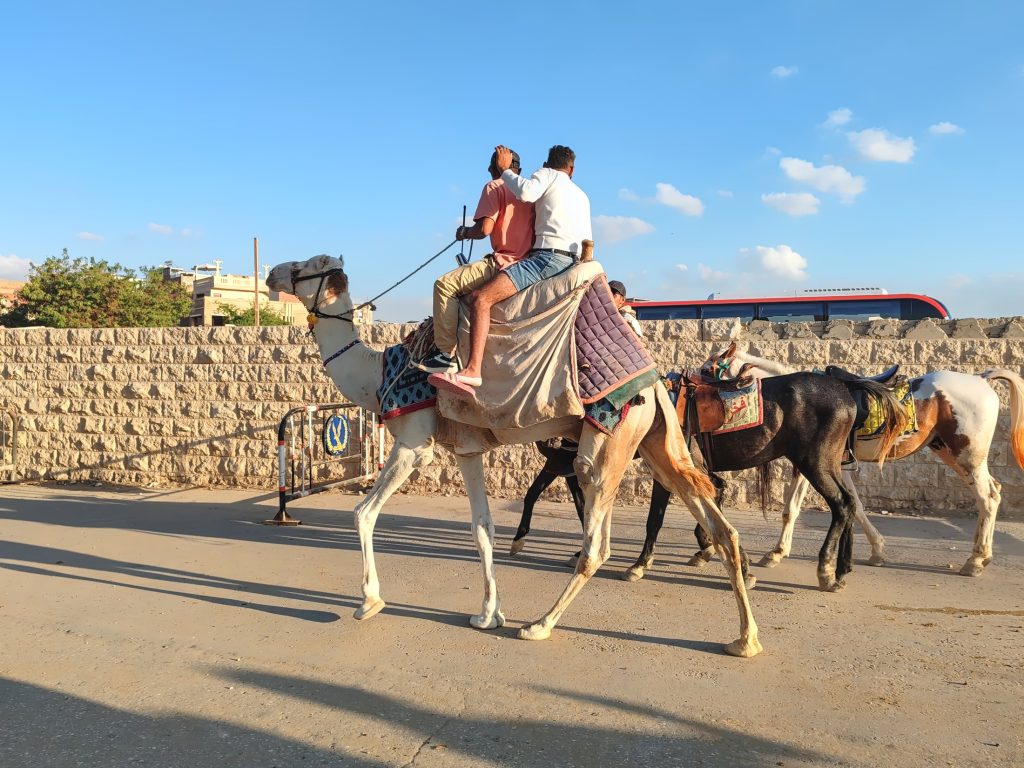
One very popular way to explore the pyramids is by camel ride, and it would have been tempting to try. We decided to skip it, however, since animal tourism is always somewhat questionable. The camels at Giza looked healthy and unbothered though, walking gracefully as if nothing could faze them. Camel rides are often offered quite aggressively, so a tip: for that and any other “helpful” offers, like taking photos, be firm and just calmly say no, thank you, and turn away.
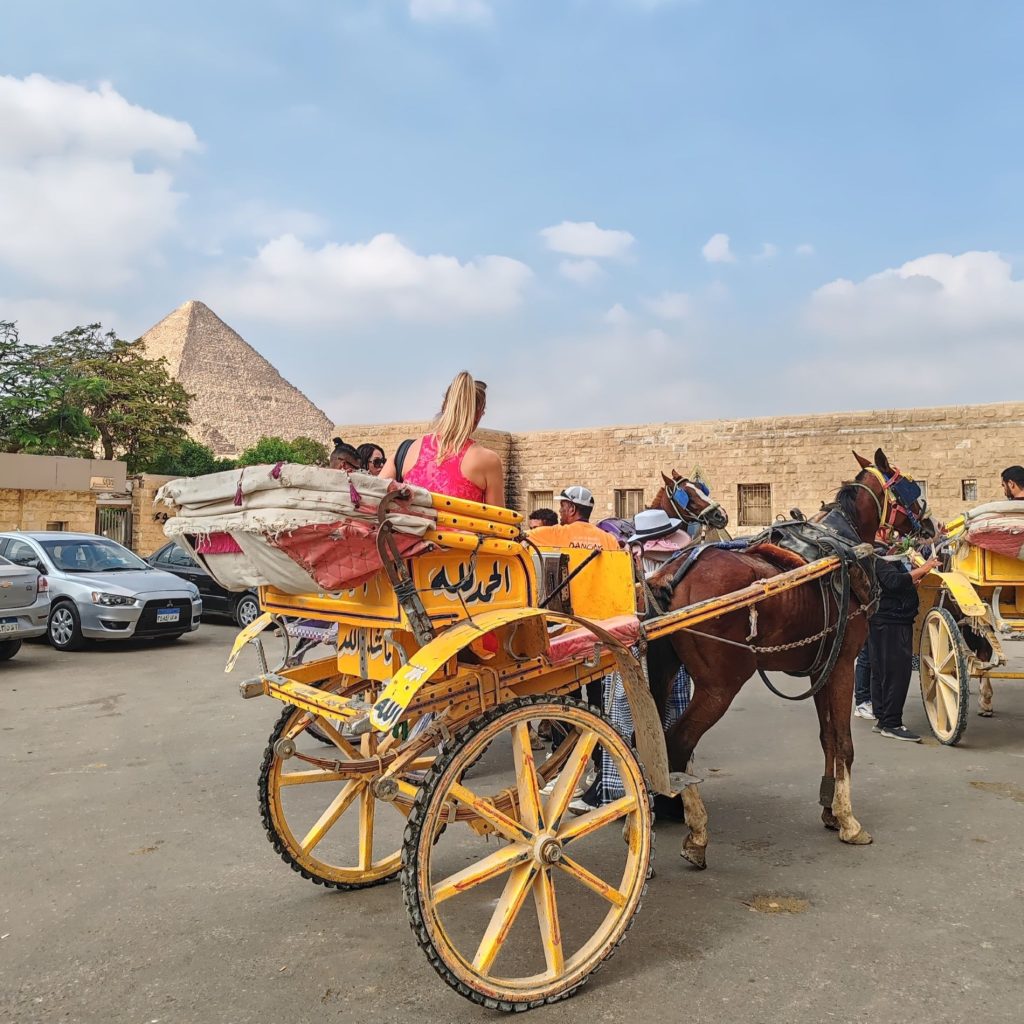
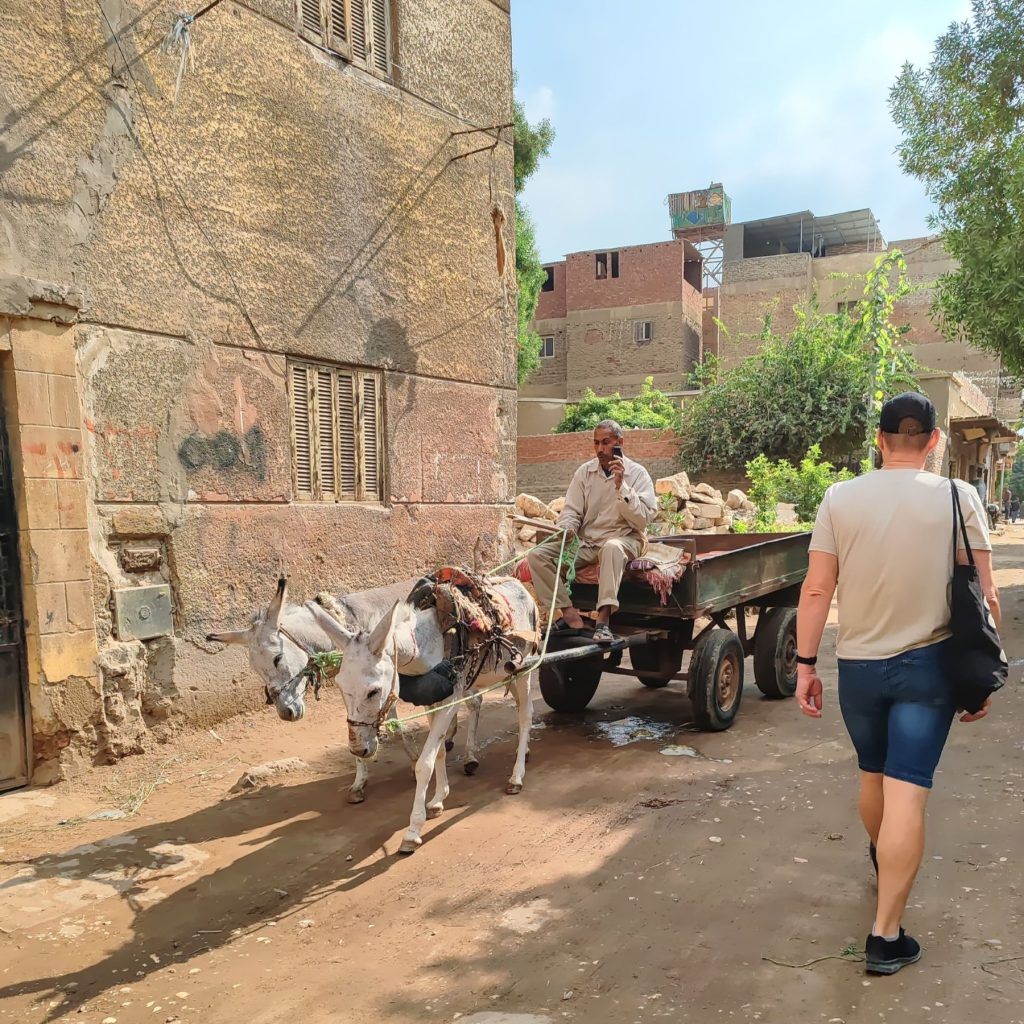
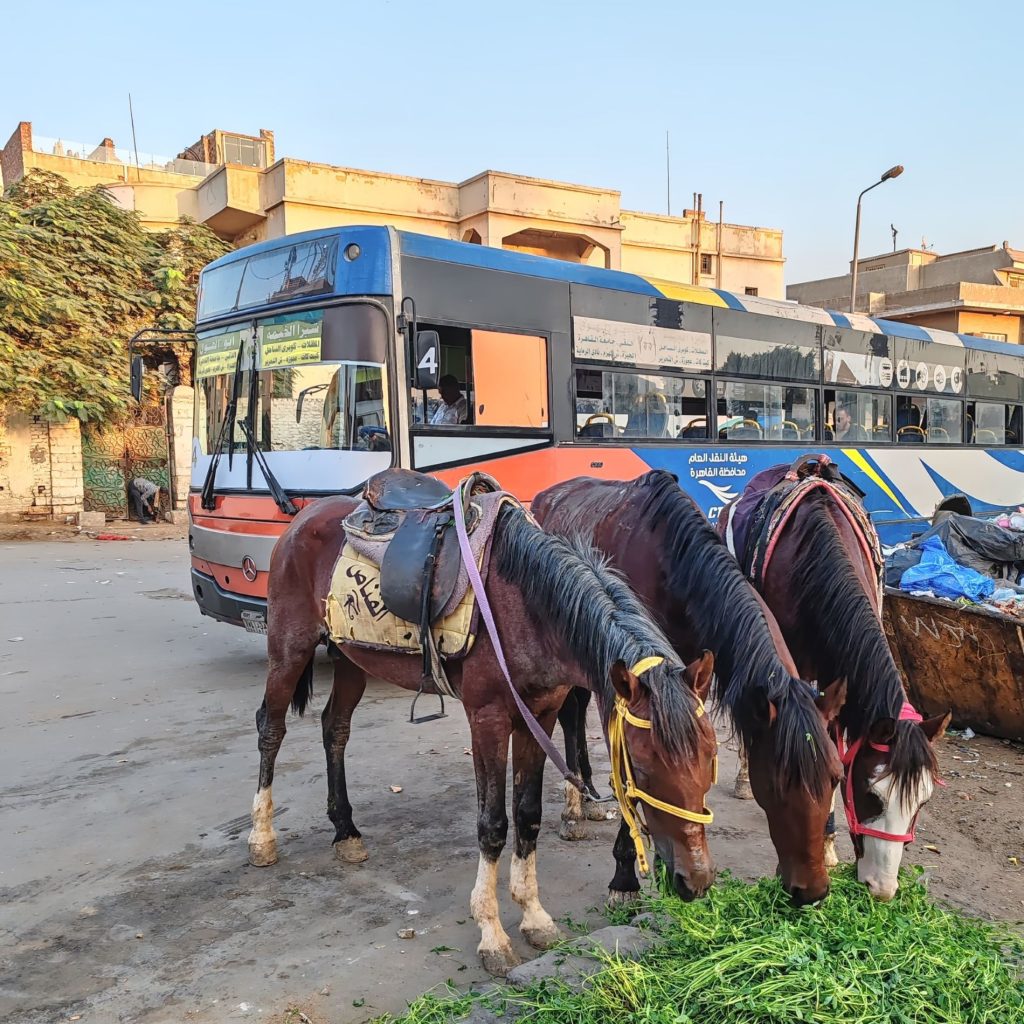
Besides camels, there are also plenty of horse-drawn carriages around the pyramids and throughout Giza, used both for everyday work and transportation as well as for taking tourists to the pyramids.
Streets of the Pyramid Giza
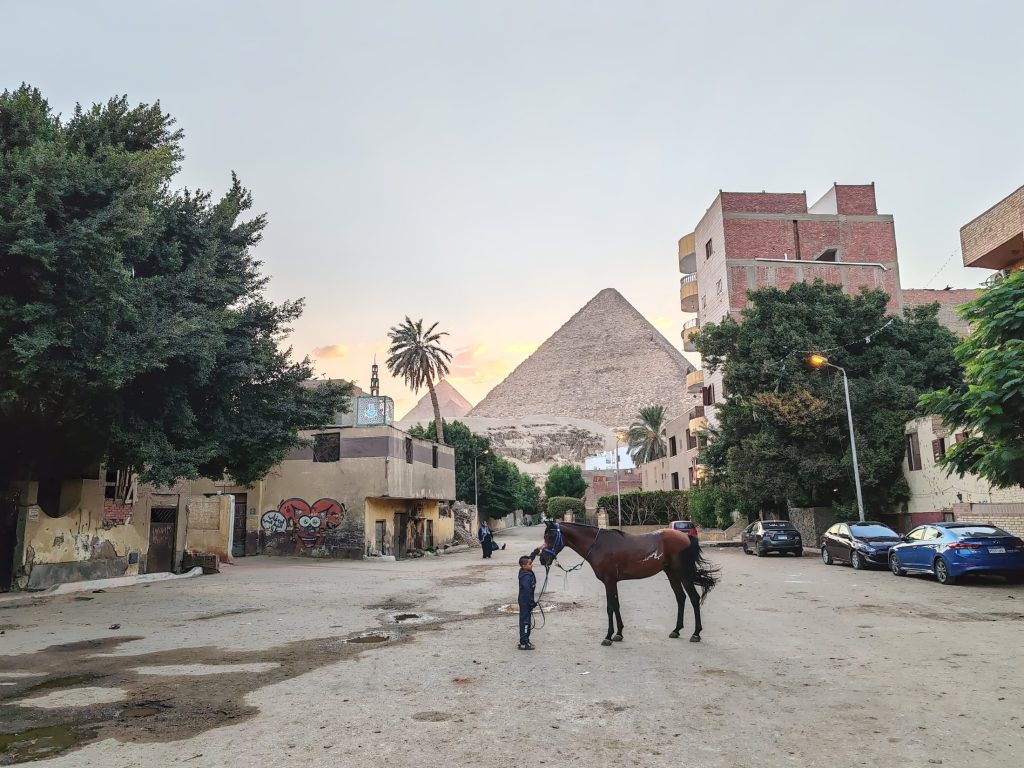
We spent three days at the foot of the pyramids in Giza, giving us time to explore the area more broadly. Our hotel was located on a street just in front of the pyramid complex, so especially in the mornings and evenings dozens of camels passed by on their way to and from the pyramids. The views of the pyramids were stunning, not only from rooftop terraces but also from certain streets within the Pyramid Giza itself.
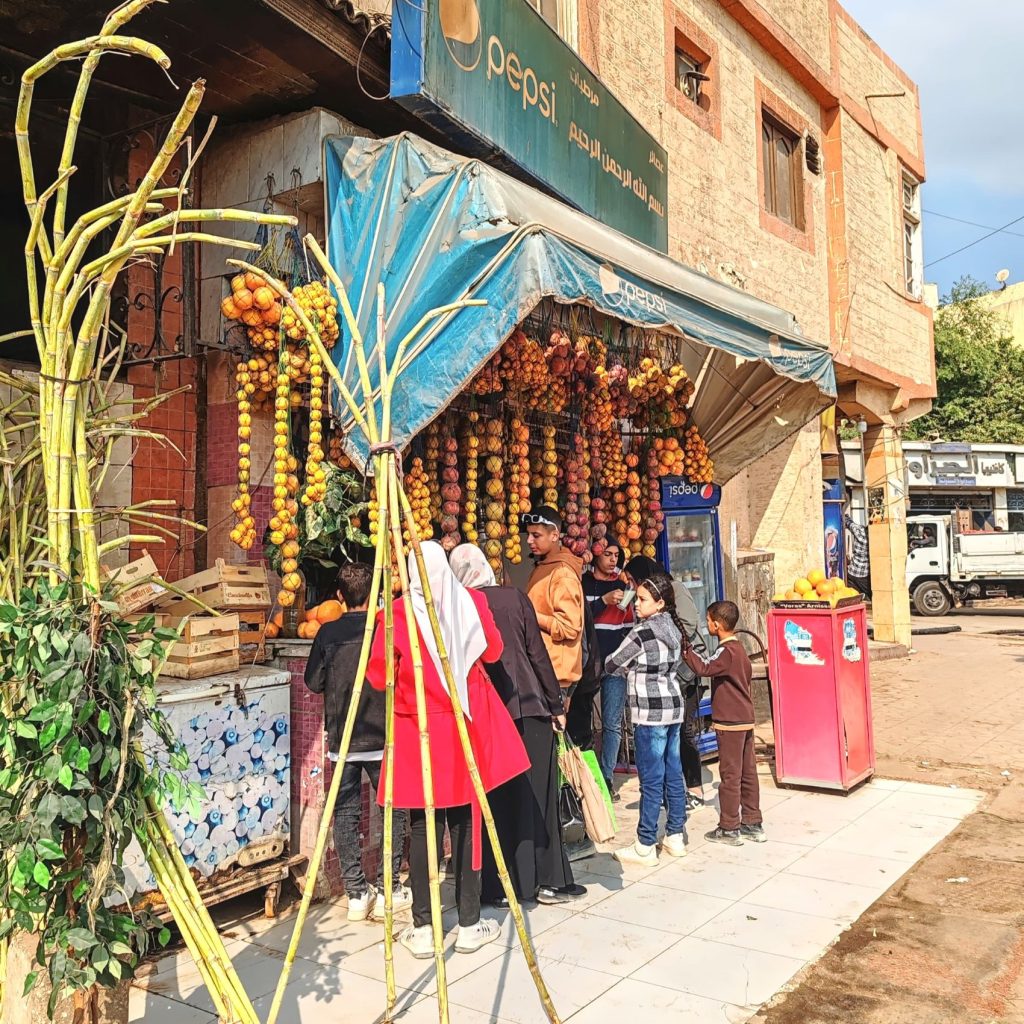
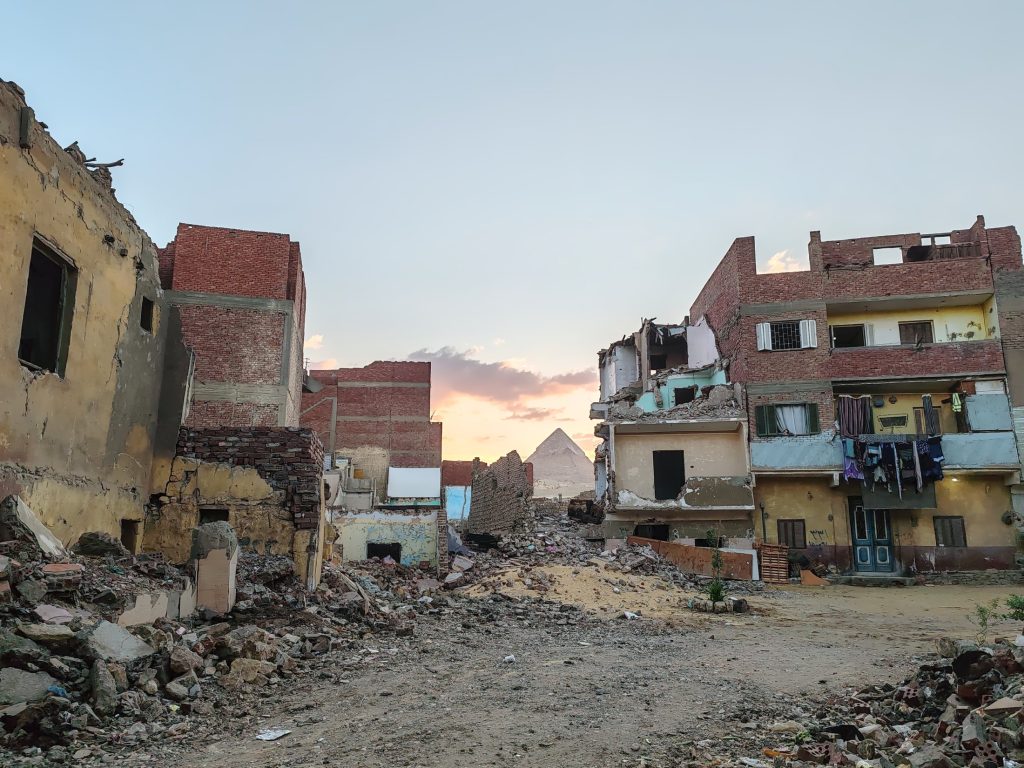
Pyramid Giza is an old and somewhat rundown area, where alongside a bunch of tourist-focused services, you’ll find dusty streets, modest buildings and everyday local life. There’s a lot of trash and general debris; during a run, we even saw a dead horse among the roadside rubbish piles, which was horrible. Talking with local business partners about Giza and Cairo’s sights, we learned that the blocks closest to the pyramid complex might be demolished and rebuilt at some point. Beneath the current buildings, there are reportedly ancient structures and possible treasure chambers, some of which have been accessed from inside the houses in search of riches. Whether that’s true or not, it’s certainly plausible.
When walking near the pyramids, be prepared for numerous vendors and guides trying to direct you to their shops, and for attempts to overcharge. Small local stores rarely display prices, and tourists are often quoted multiples of the fair price for everything. And no, they do not sell real beer in the corner shops, just some non-alcoholic malt drink – for the real stuff you need to find a specific alcohol store.
In Giza, one could also visit the recently opened Grand Egyptian Museum, the world’s largest archaeological museum. We saw the building from the outside while traveling from Cairo to Giza, and even just the structure is incredible! It’s a massive, triangular, partially glass-walled complex aligned directly with the Great Pyramid of Khufu. In November 2024, however, the museum was not fully open, so we decided to save the visit for another time. The long-delayed construction project, which took over 20 years to complete, reportedly cost more than a billion dollars.
Saladin’s Citadel in Cairo
Since we stayed in Giza, the nearby city of Cairo remained relatively unfamiliar to us. Cairo is a massive, hectic and polluted, but also fascinating and diverse metropolis. We took an independent afternoon trip to visit Saladin’s Citadel, one of the main attractions of Islamic Cairo. Uber rides to and from the citadel offered glimpses of different parts of the city, and if we return to Egypt, we’ll likely stay in central Cairo for a few days to explore it more thoroughly.
This time, besides the citadel, we only visited Gezira Island, home to landmarks such as the Cairo Tower and the Cairo Opera House, which we saw briefly on our way to Manna Insect‘s client meeting at the Gezira Sporting Club.

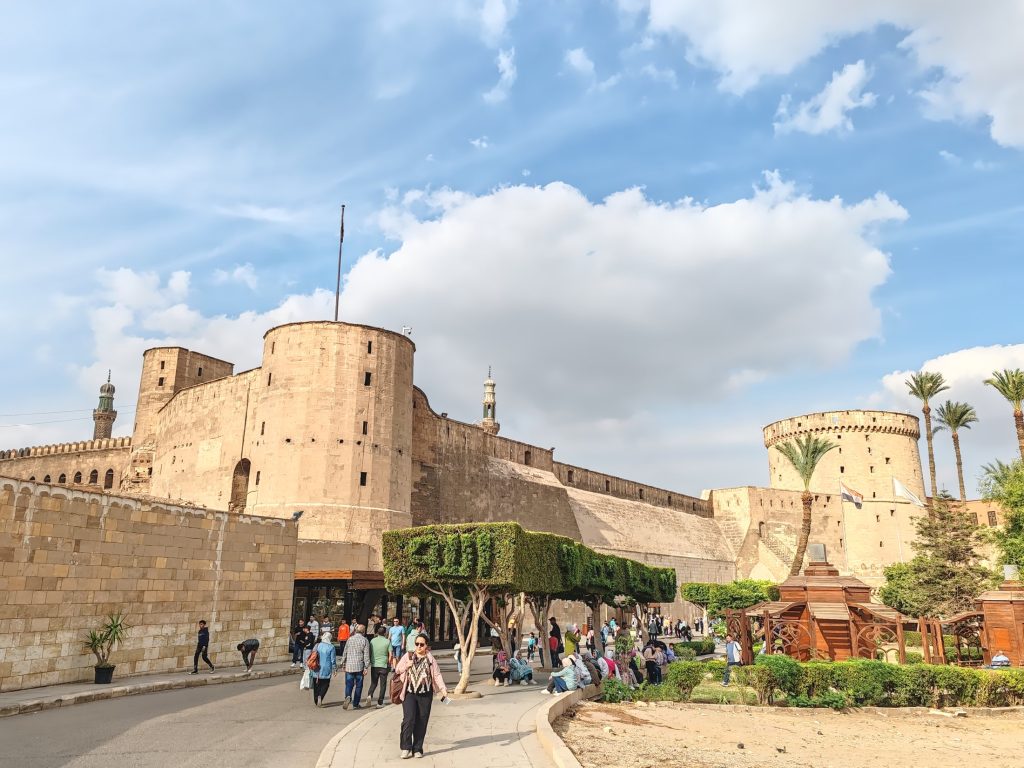
Saladin’s Citadel, also known as the Cairo Citadel, is an extensive fortified complex whose construction was begun by the Egyptian sultan Salah al-Din (Saladin) in 1176. Situated on the Muqattam Hills east of central Cairo, the citadel is renowned for its mosques and palaces, with sections built during different periods. Its original purpose was to protect Cairo from Crusader attacks. The complex is surrounded by strong walls and accessed via the massive Mamluk aqueduct.
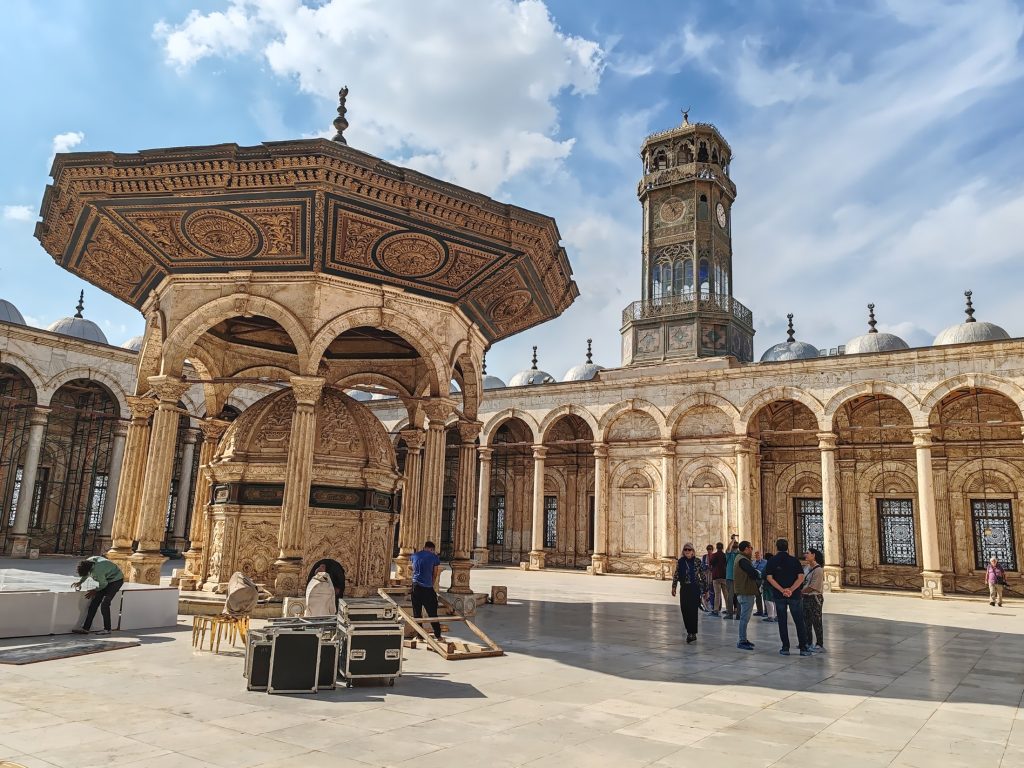
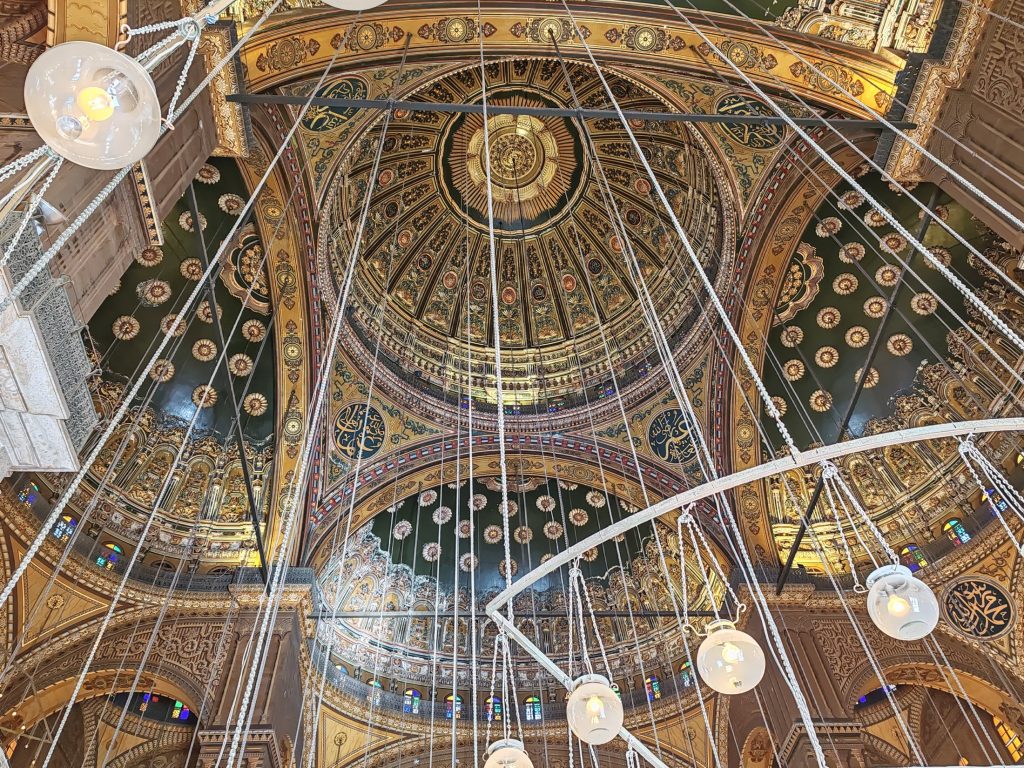
The most striking building in the citadel is probably the magnificent Muhammad Ali Mosque. Built between 1830 and 1848, its exterior is dominated by impressive minarets, domes, and a clock tower. Inside, it houses a vast, alabaster-covered decorative prayer hall, the tomb of Muhammad Ali Pasha, and a courtyard lined with a colonnaded walkway.

The most notable museum within the citadel is the National Military Museum, housed in an impressive palace building. Originally located in the old Ministry of Defense, the museum moved to the citadel in 1949 and is dedicated to the history of the Egyptian army. Its exhibition halls showcase some of Egypt’s most significant battles and military leaders, weapons and equipment from different eras, and military uniforms. Outside, numerous tanks and aircraft used in the 1973 conflicts are on display.

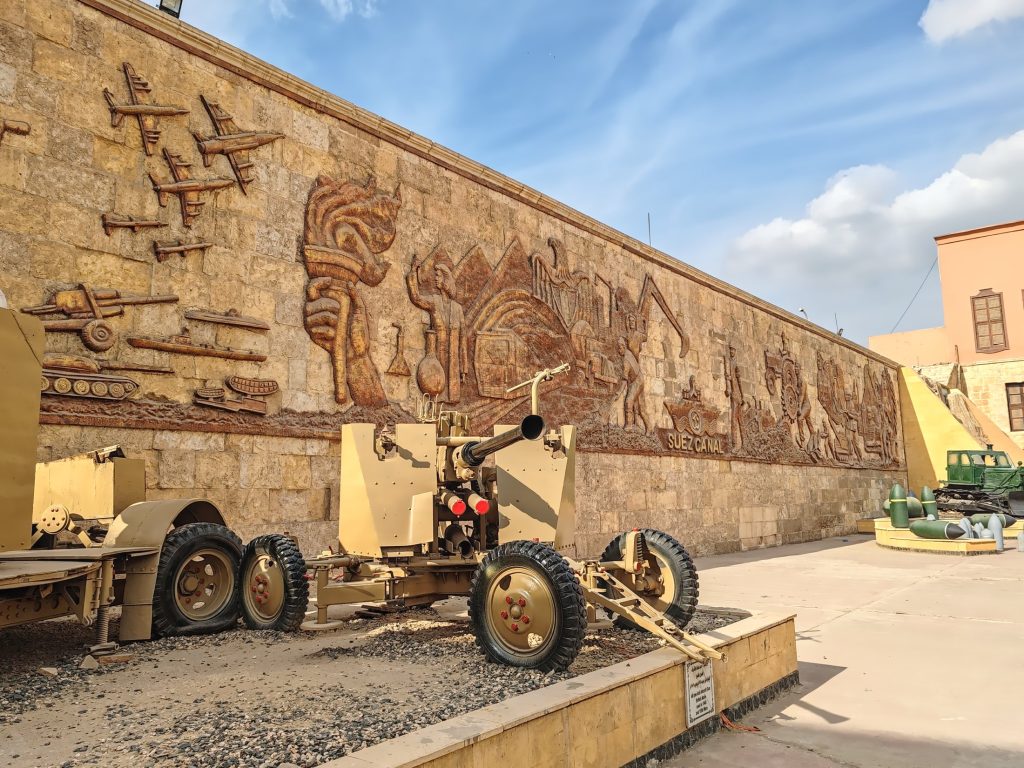
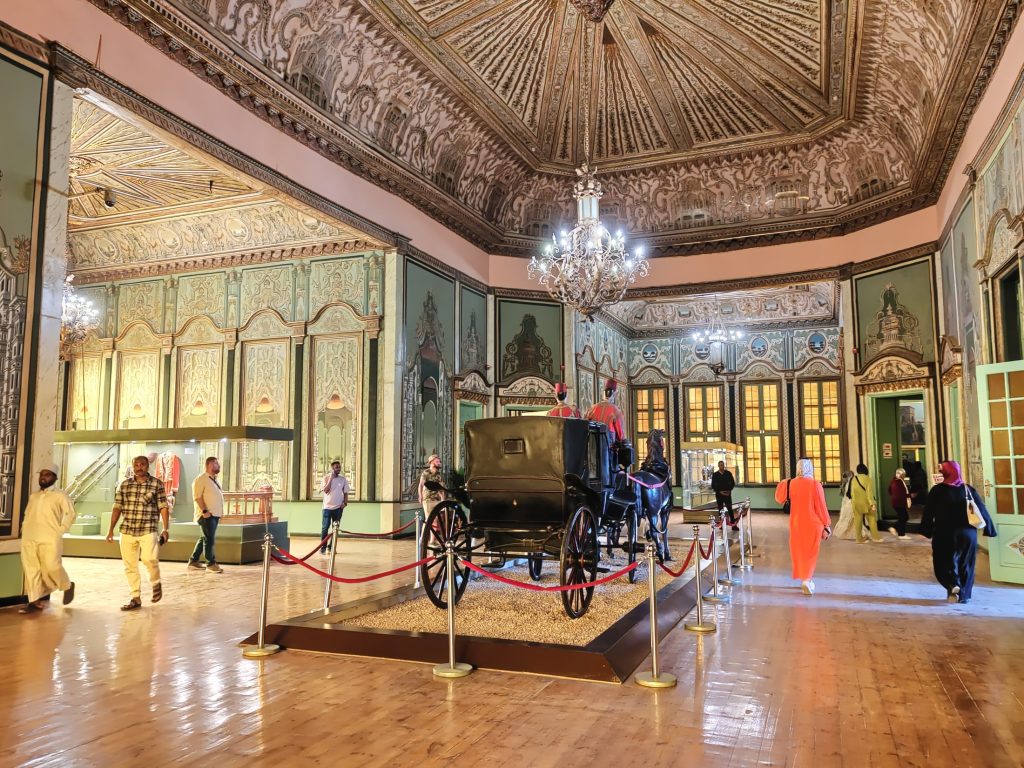
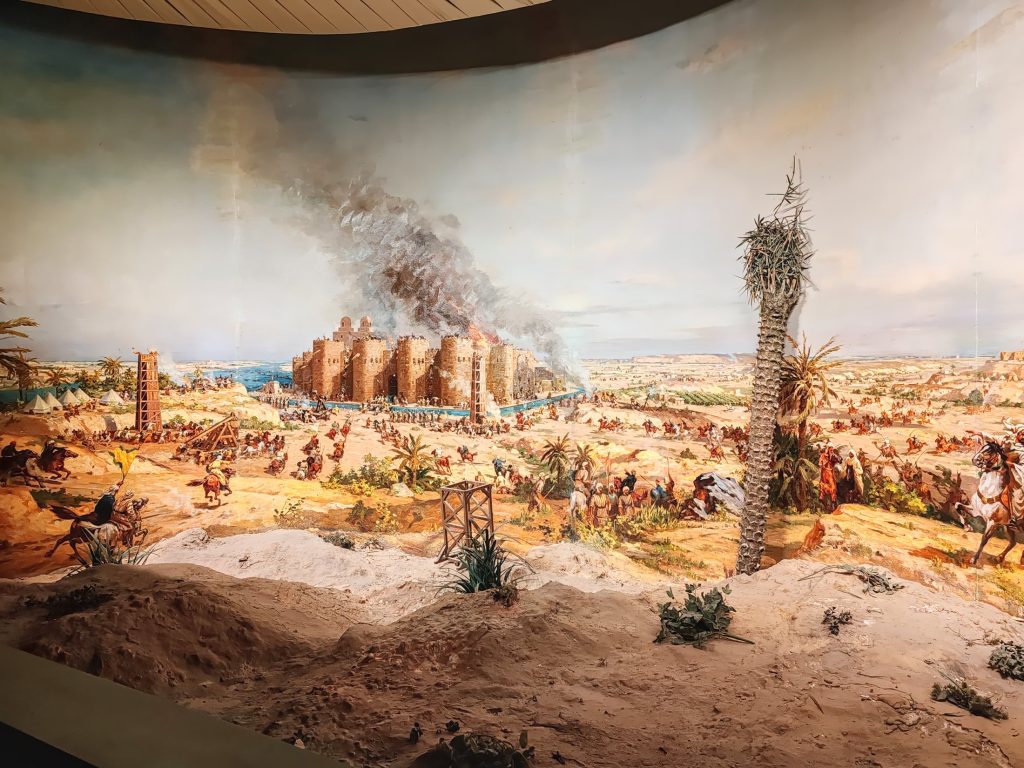

Beyond the mosques, museums, and walls, one of Saladin’s Citadel’s main attractions is the view. From the citadel’s large terrace areas, you can see across central Cairo and, in particular, the City of the Dead, Cairo’s historic cemetery, where mausoleums and makeshift structures have become home to hundreds of thousands of low-income residents. This meeting of the living and the dead can be striking, but in a metropolis of 20 million people, it is just one of many slum areas. In Cairo, as in Egypt generally, income inequality is vast.

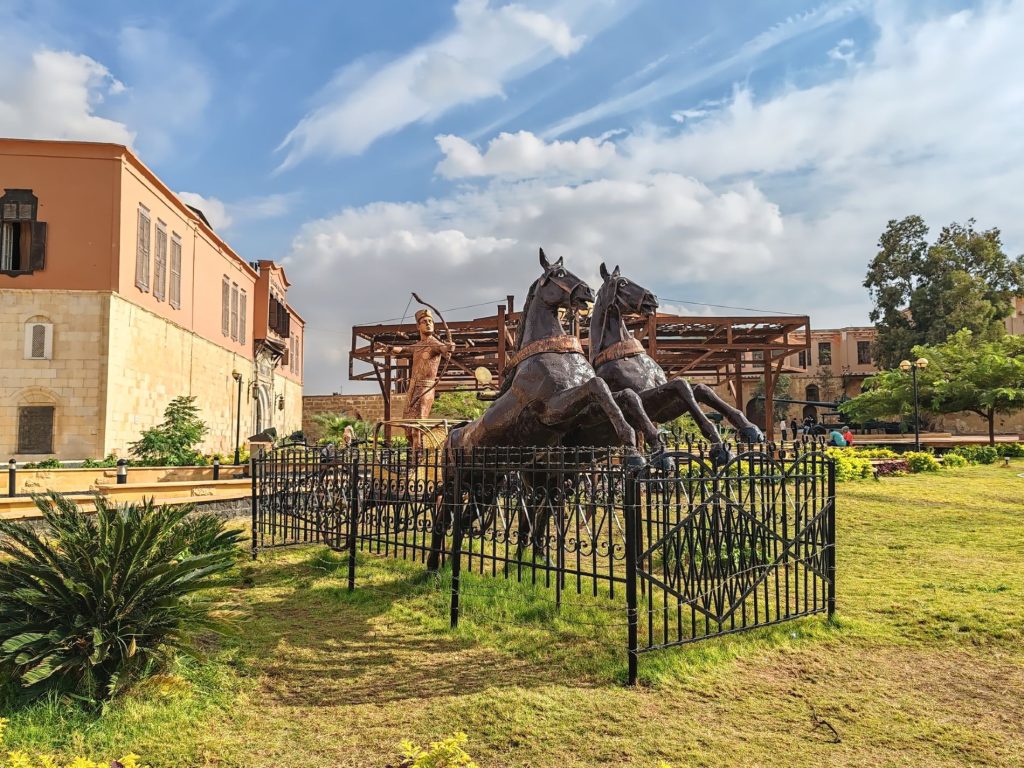
From Cairo and Giza, our journey continued upriver along the Nile to Luxor, famous for its temples and tombs, and then onward to the Red Sea coast in Hurghada. More on these destinations in the next post!
Next destination: Luxor and Hurghada – Temples, tombs and seaside in Egypt