
After returning from the Virgin Islands to the Dominican Republic in January, we first headed to Boca Chica, a neighbor of the capital Santo Domingo, and then — once whale season had begun — to the Samaná Peninsula. In this post you’ll find vibes from the beaches of Boca Chica and Las Terrenas, as well as from our whale-watching trip in Samaná Bay.
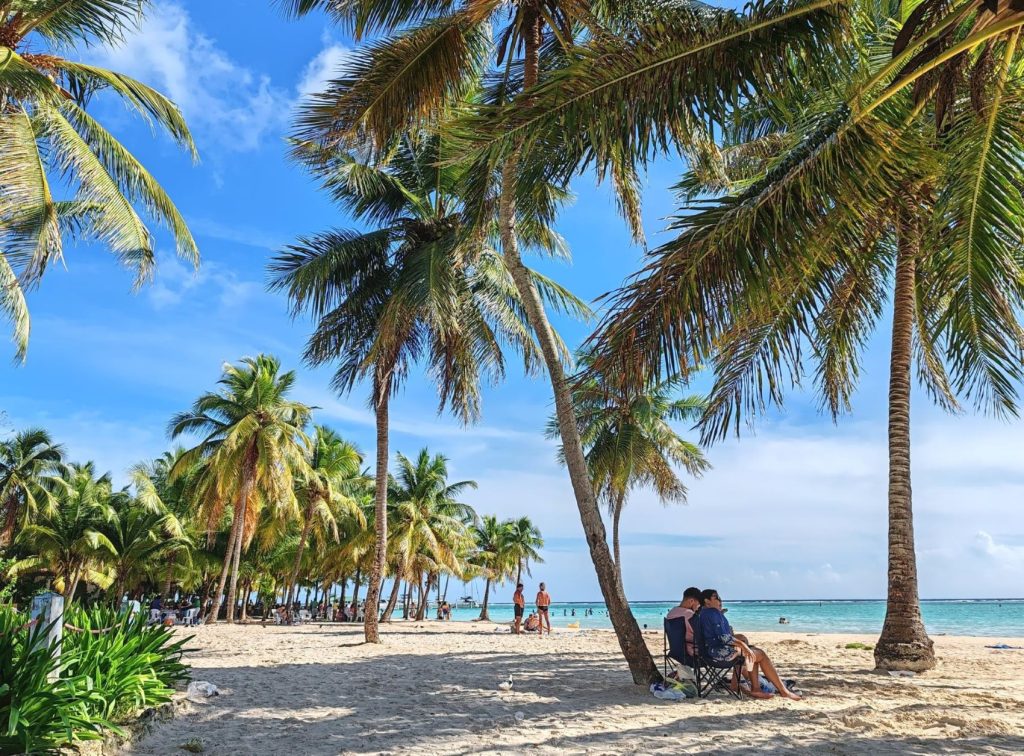
Boca Chica is a relaxed beach destination next to the capital
The small town of Boca Chica is located about 40 kilometers east of Santo Domingo on a sheltered bay, conveniently close to the capital’s international airport. Despite that, Boca Chica is more of a weekend getaway for Santo Domingo residents than a choice for foreign vacationers seeking a beach destination. You can easily reach Boca Chica from Santo Domingo or Santo Domingo Este on an affordable small bus (100 pesos ≈ 1.5 euros), and from the airport it’s less than a 15-minute taxi ride.
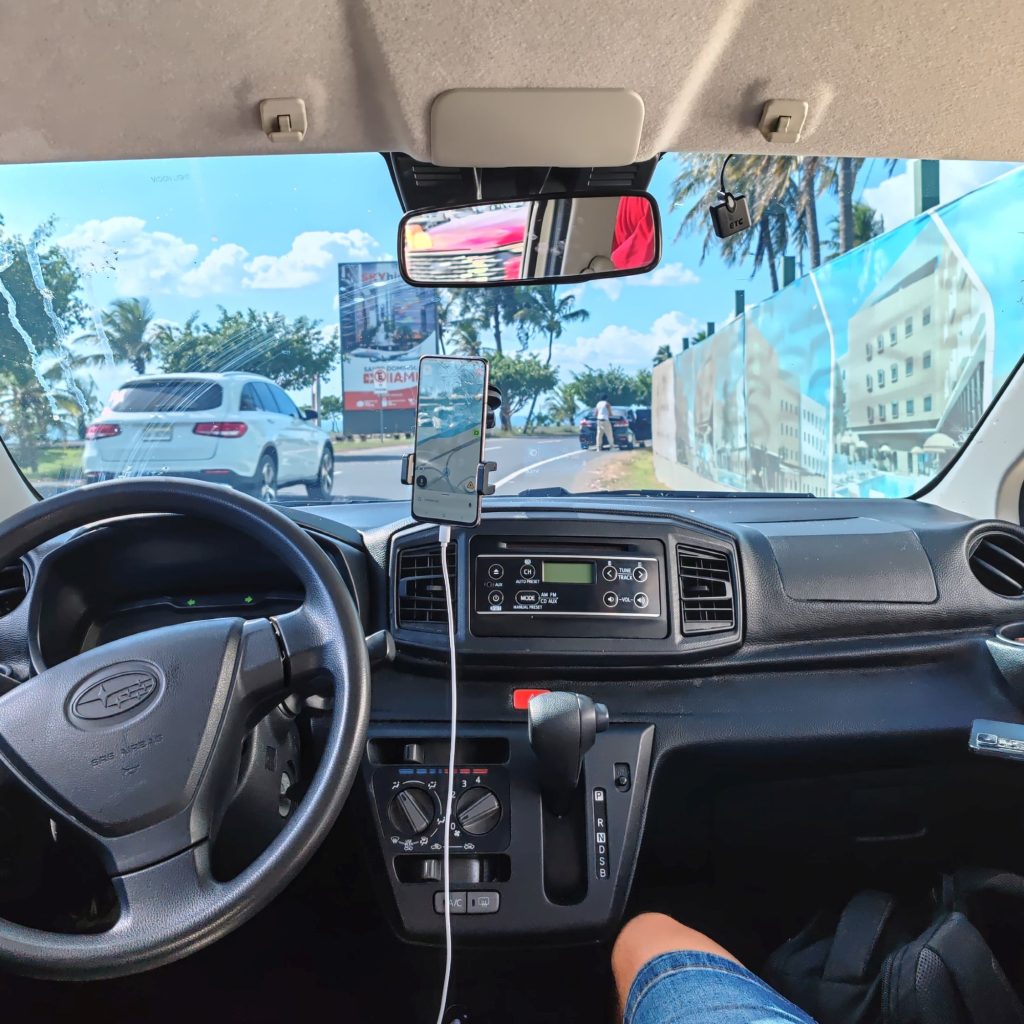
Instead of an airport taxi, we took an InDrive taxi (similar app to Uber), which is an affordable but safe option. This time, though, the driver had let the fuel tank run too empty, and the car stalled after about 500 meters… Well, the driver ran to a nearby station with a canister, then called a friend for help because the car also needed a jump-start. On top of that, there was a major accident blocking the main road, so we ended up taking back roads to get to Boca Chica. Quite a welcome back to the Dominican Republic, haha.
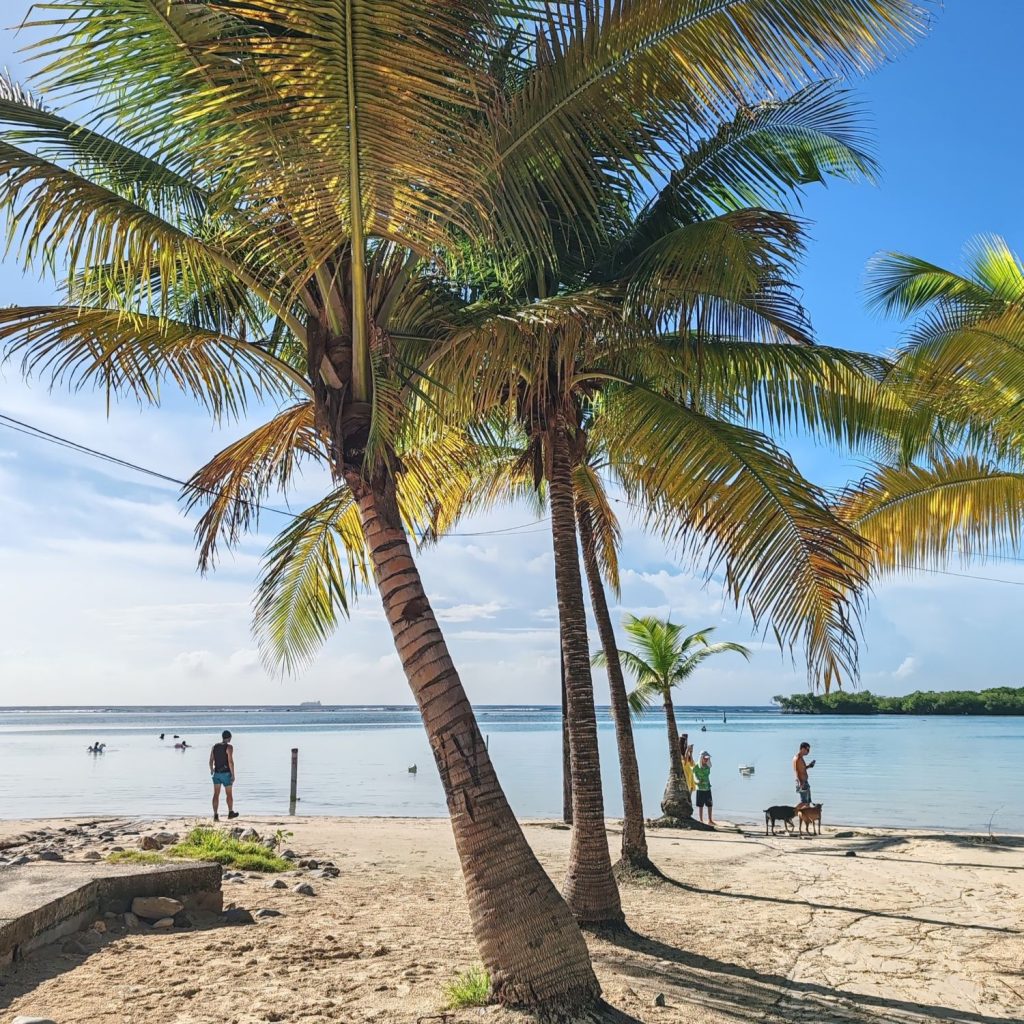
We had actually visited Boca Chica briefly before our Virgin Islands trip and thought the beaches were quite nice then. Now, returning from the stunningly beautiful Virgin Gorda, Boca Chica’s beach scenery felt a bit modest in comparison — but it’s still a perfectly decent spot for a few days of relaxation, or in our case a mix of work and free time. On our first stay we were in a really nice Airbnb apartment a bit outside the center, and in January we stayed in a basic local apartment more centrally located, also booked via Airbnb.
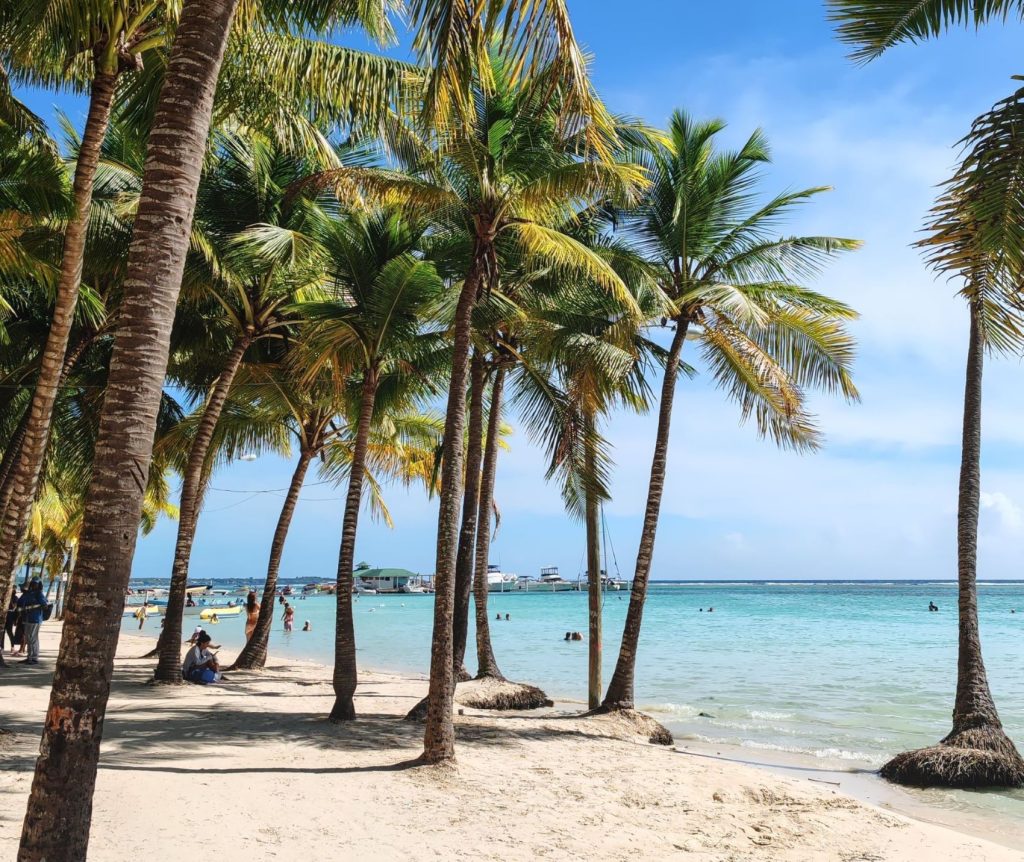
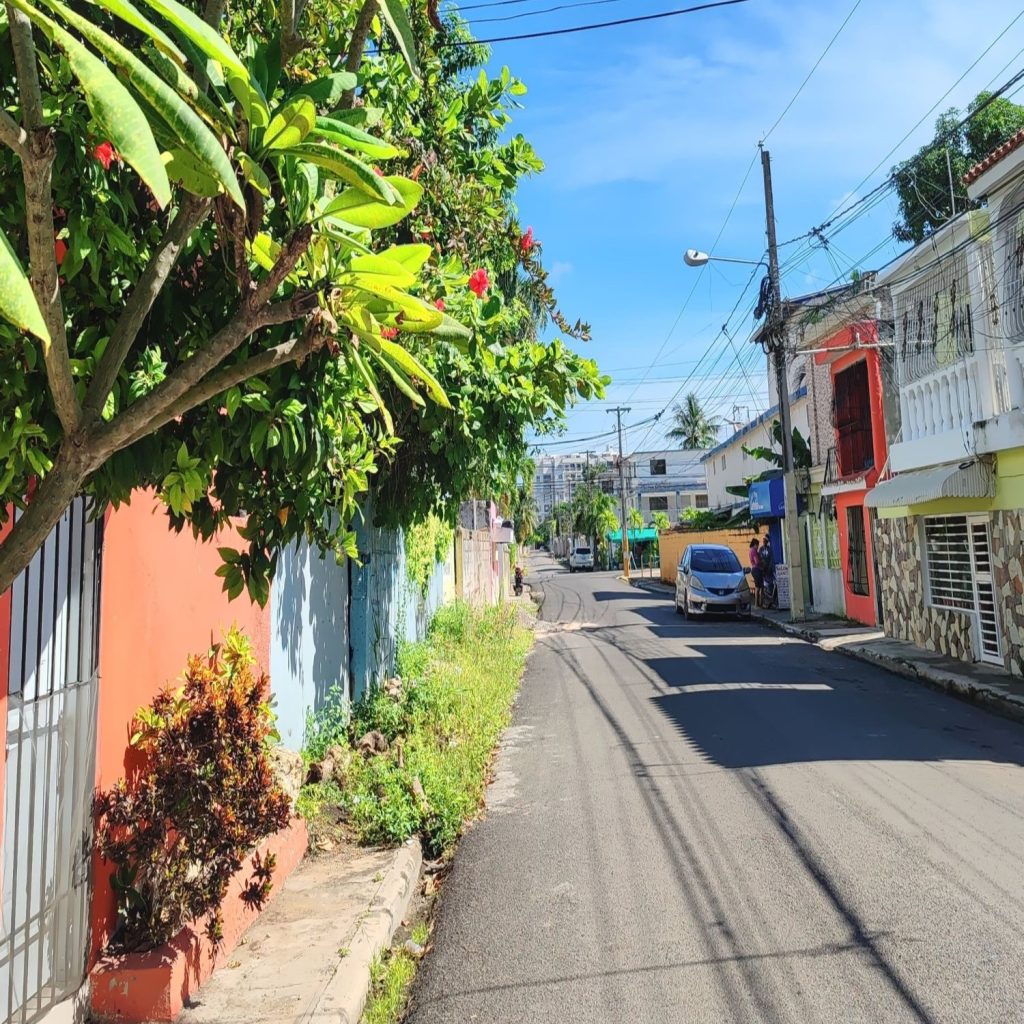
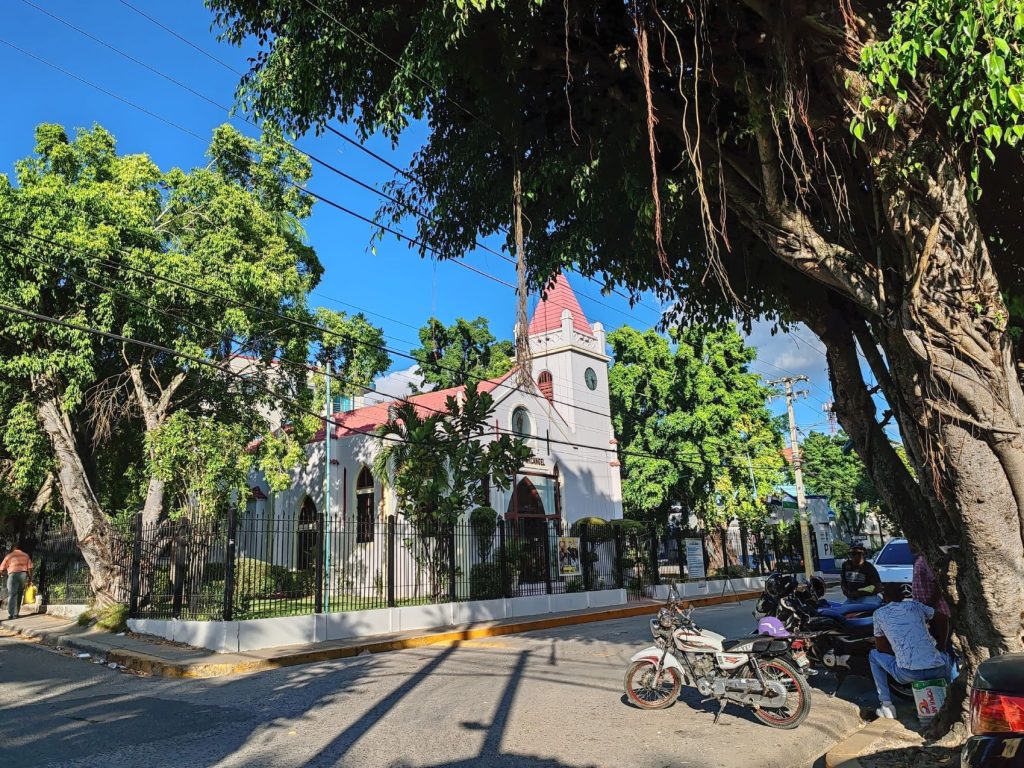
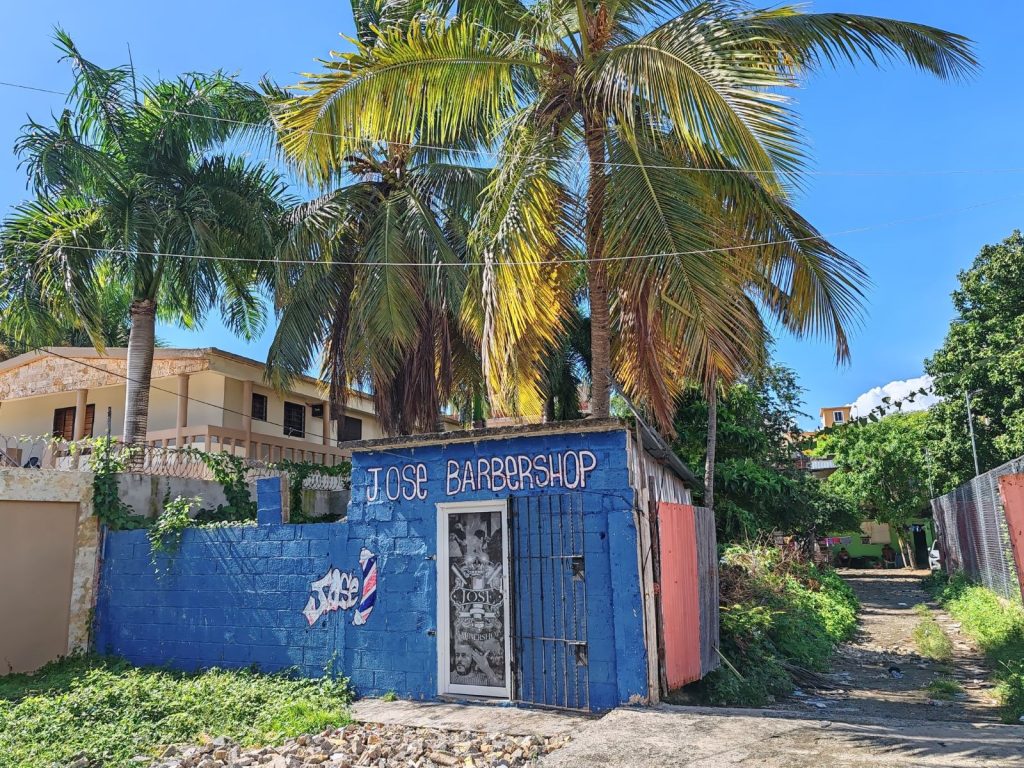
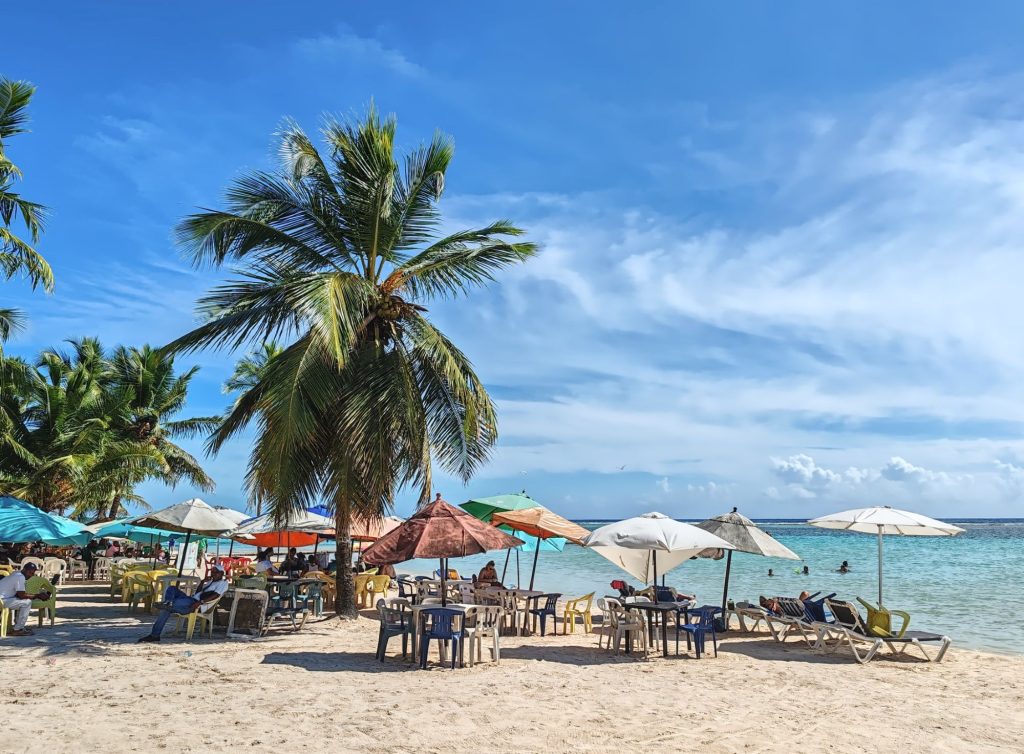
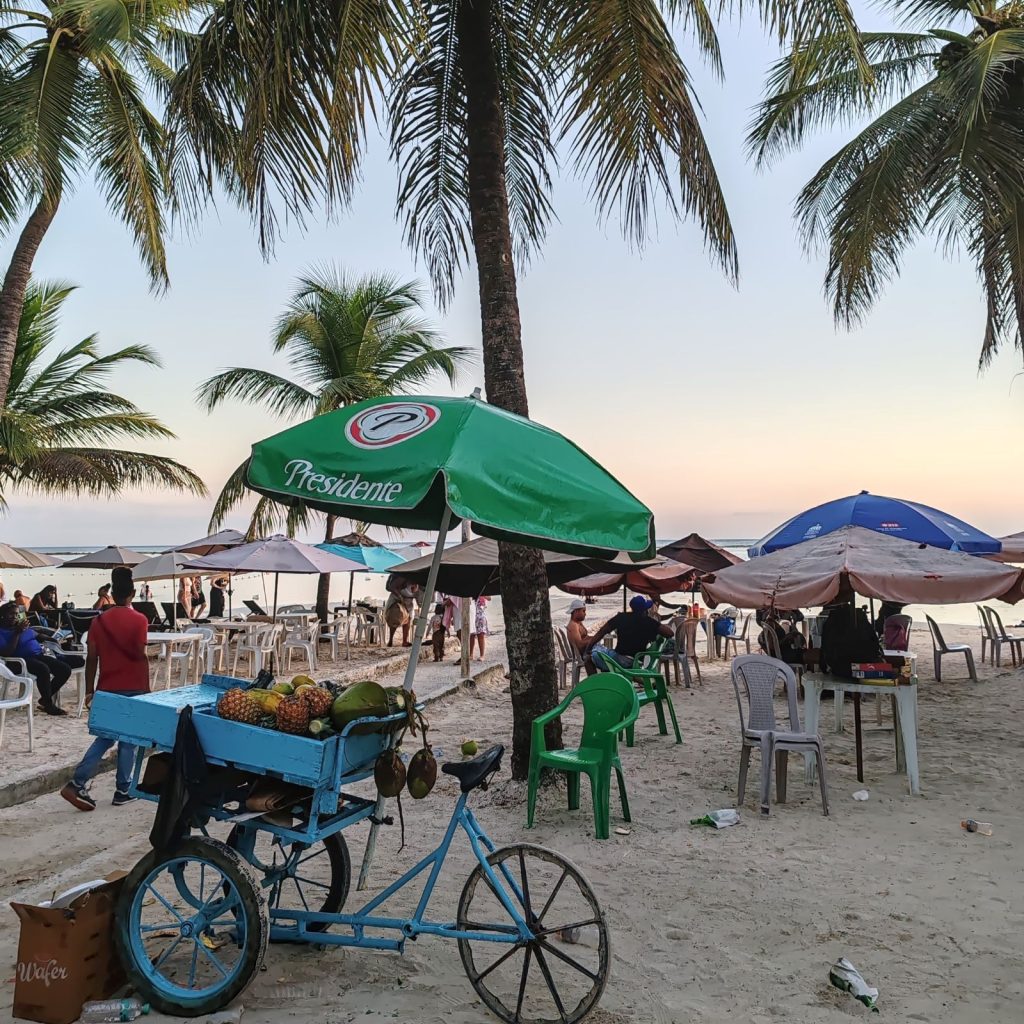
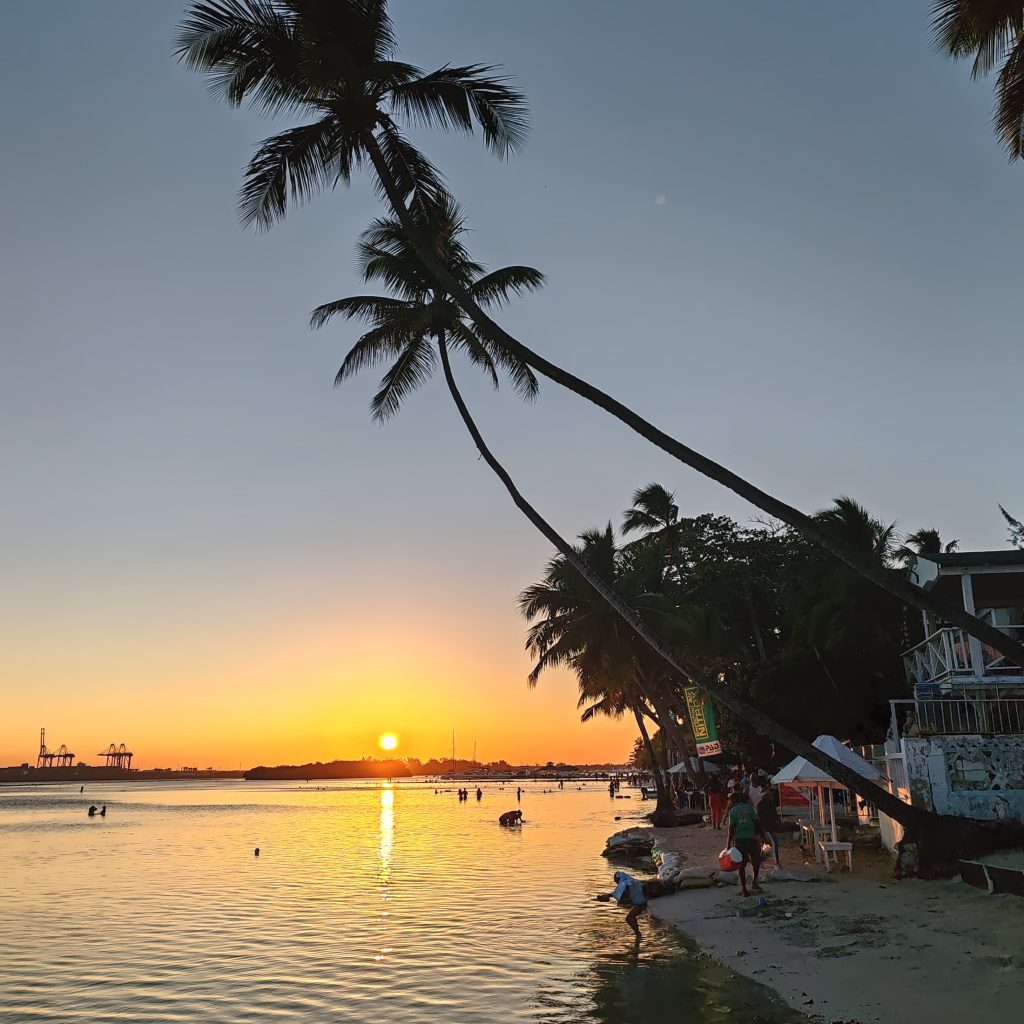
There was a laid-back feel on Boca Chica’s beaches — at the eastern end there are a few larger hotels and a nicer marina area, but it looked like the best days of the resort hotels there might already be behind them. On the western side of the main beach there’s a long stretch of narrow sand lined with numerous small local restaurants and bars. The main beach at the bottom of the shallow bay (Playa Boca Chica) has a huge “natural swimming pool” sectioned off, so there’s hardly any wave action and swimming is quite safe even for children. The beach has lots of restaurants and various shops, as well as roaming jewelry vendors and the like, but we didn’t encounter any really pushy selling here either.
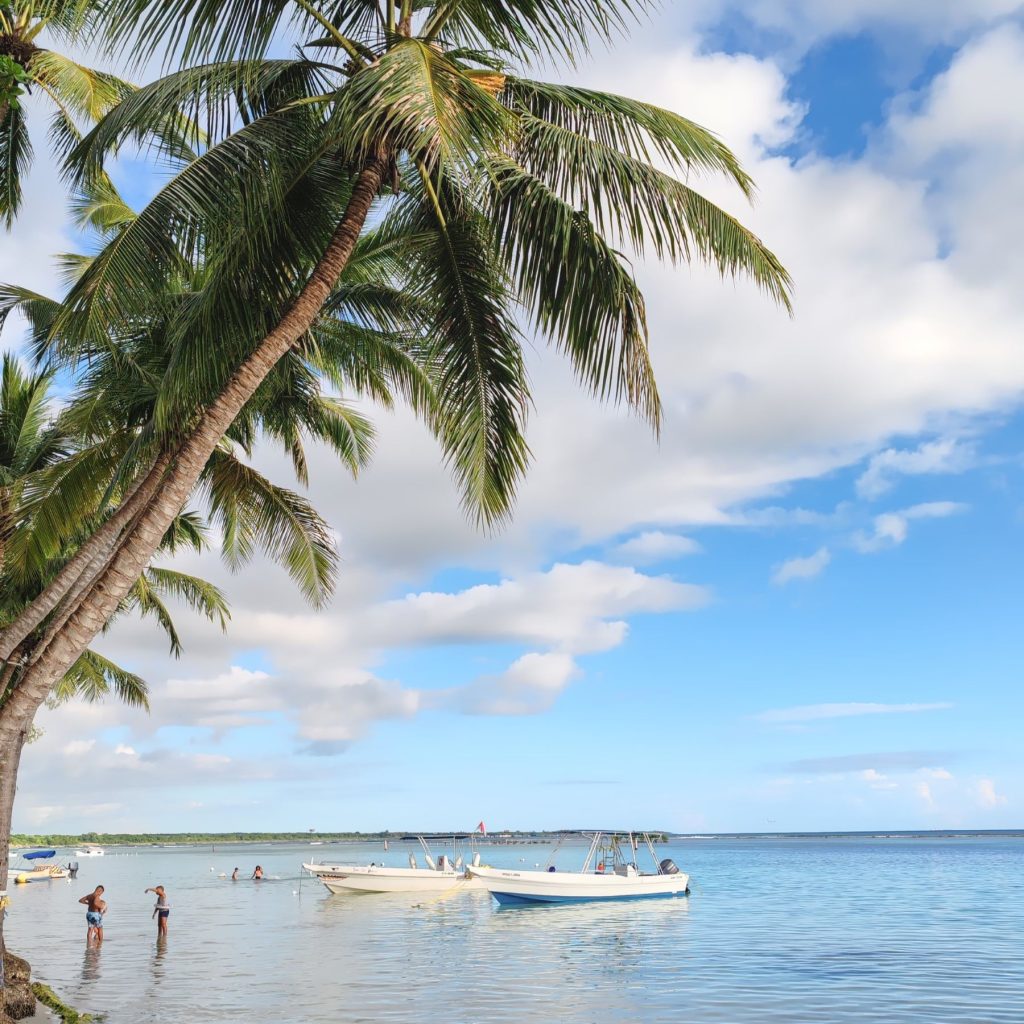
Las Terrenas is one of the beautiful beach destinations on the Samaná Peninsula
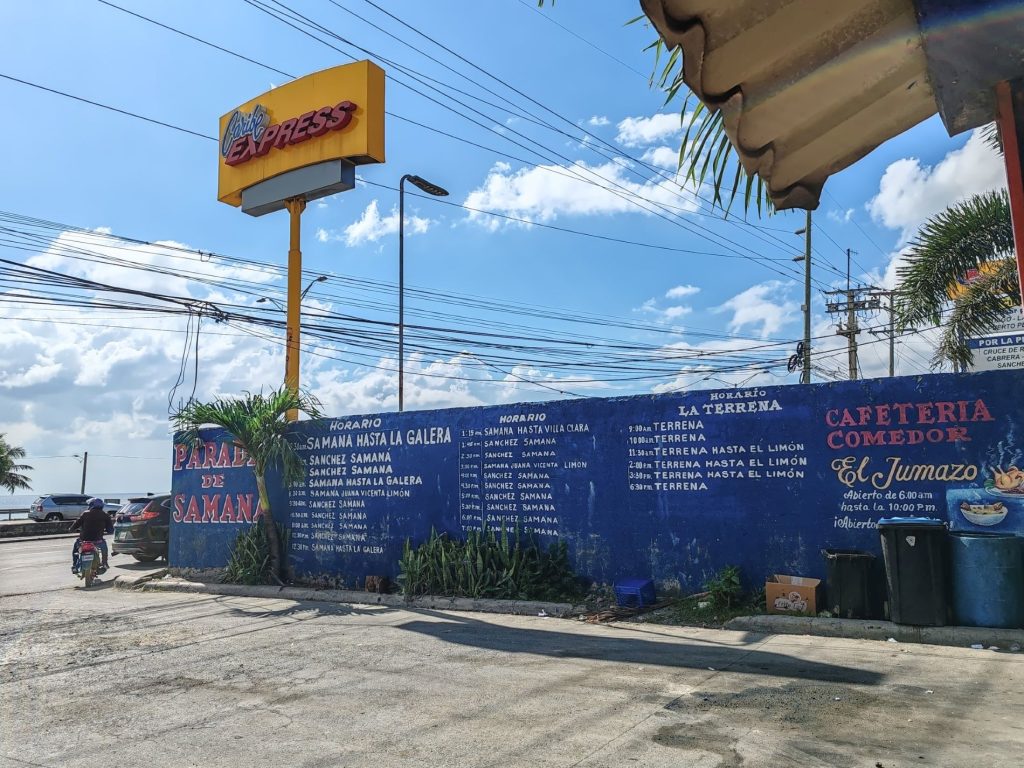
From Boca Chica the journey continued to the northeast corner of the Dominican Republic, the Samaná Peninsula. We chose Las Terrenas on the north coast as our first stop there — you can reach it conveniently by bus from Santo Domingo. Since we were coming from Boca Chica direction, we boarded the bus at the Parada Samaná bus stop at the intersection of the Las Américas highway and the northbound road (Route 7). In a couple of hours we arrived at Las Terrenas bus station and walked from the roadside to the La Playa area, where we had booked accommodation via Airbnb.

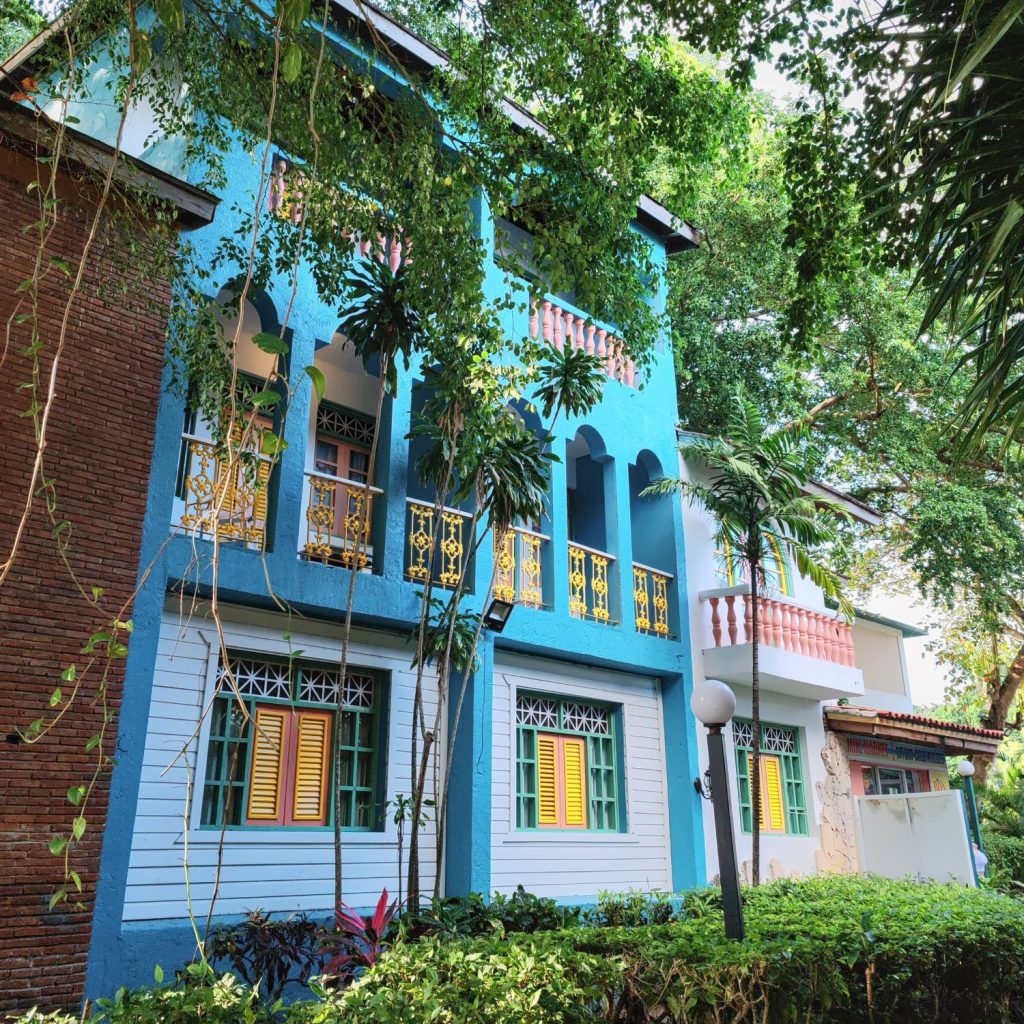
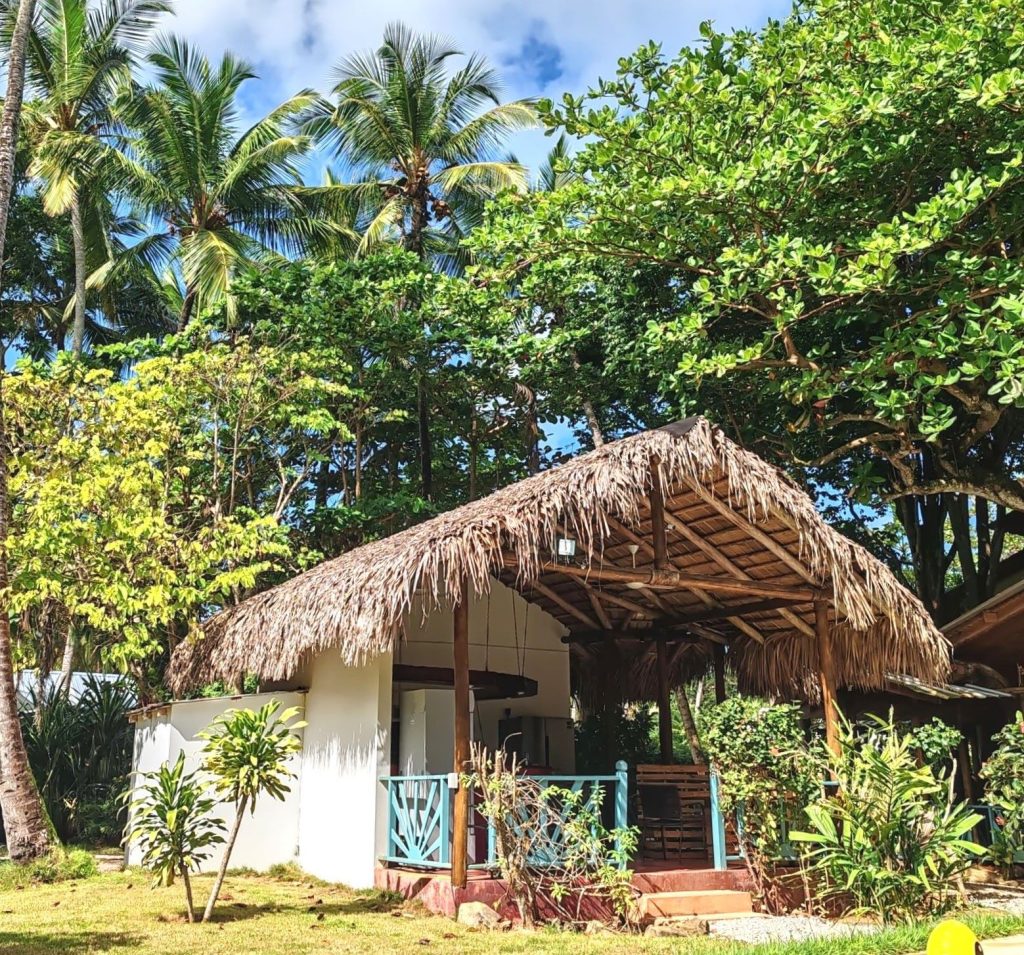
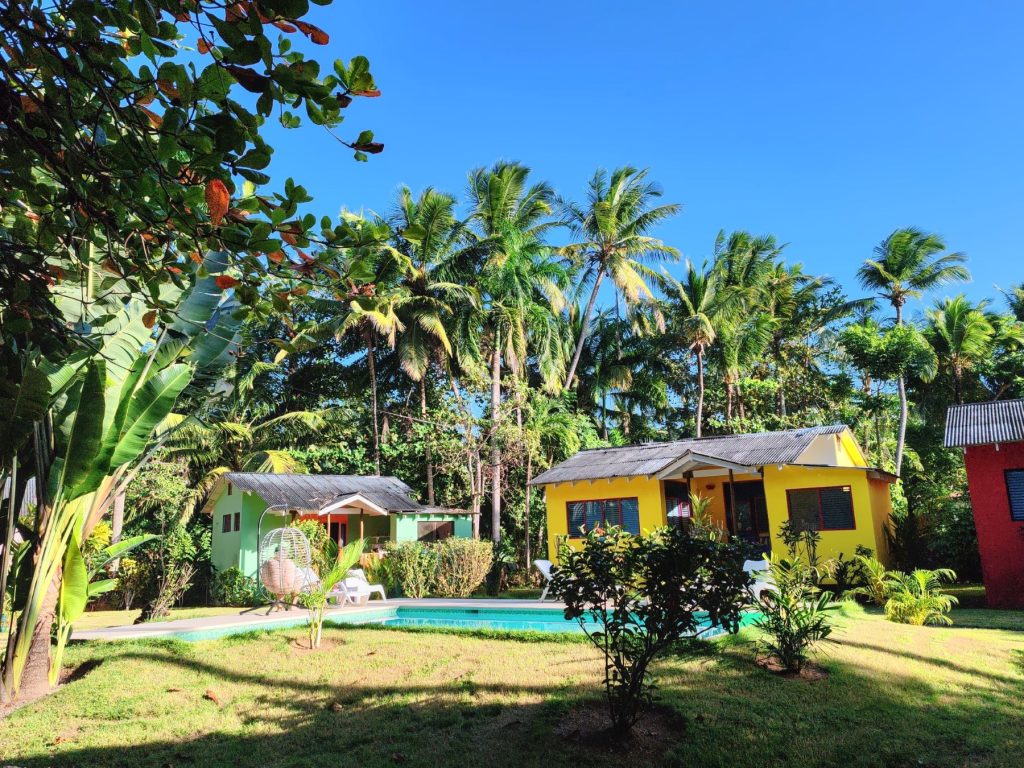
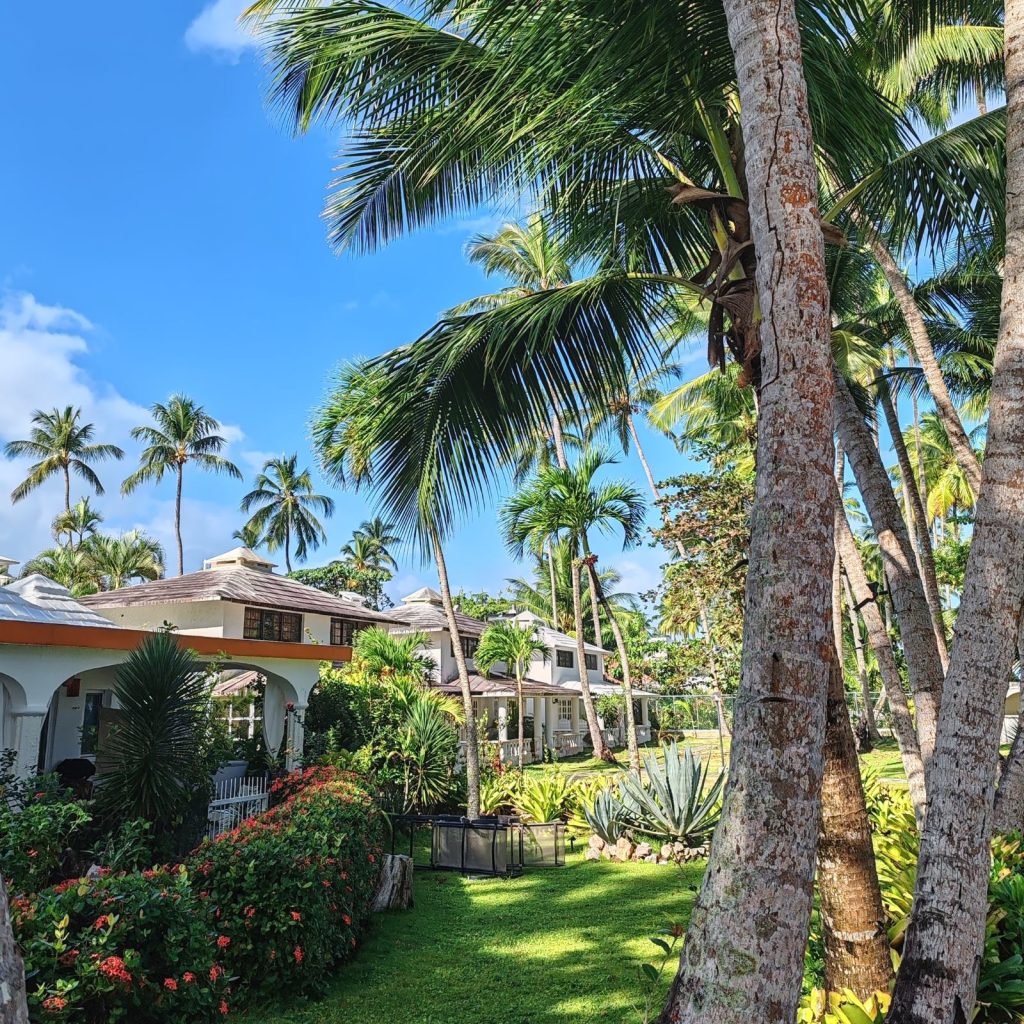
Hotel Iguana turned out to be a really nice place with cute, colorful bungalows and a pool area. The bungalow was reasonably priced at about 30 euros per night, but spacious and pleasant, equipped with an outdoor kitchen and private bathroom — even with hot water in the shower. If you want accommodation right on the beachfront, the hotels are fancier and more expensive, some even luxurious, but for around 100 euros per night you can get a very stylish apartment for 2–4 people, for example at La Cortesana hotel*.
After checking in, we took a short sunset walk on the beach and got to know the area. Beautiful beaches, lots of restaurants, and accommodation options from small guesthouses to larger hotels. We chose a cozy Italian-style restaurant for dinner and had very good pizzas, but the prices were quite high for both pizza and wine glasses — and annoyingly, taxes and service charges were added on top of the listed prices (the whole dinner ended up costing almost 40 euros — so the next meals we cooked ourselves).
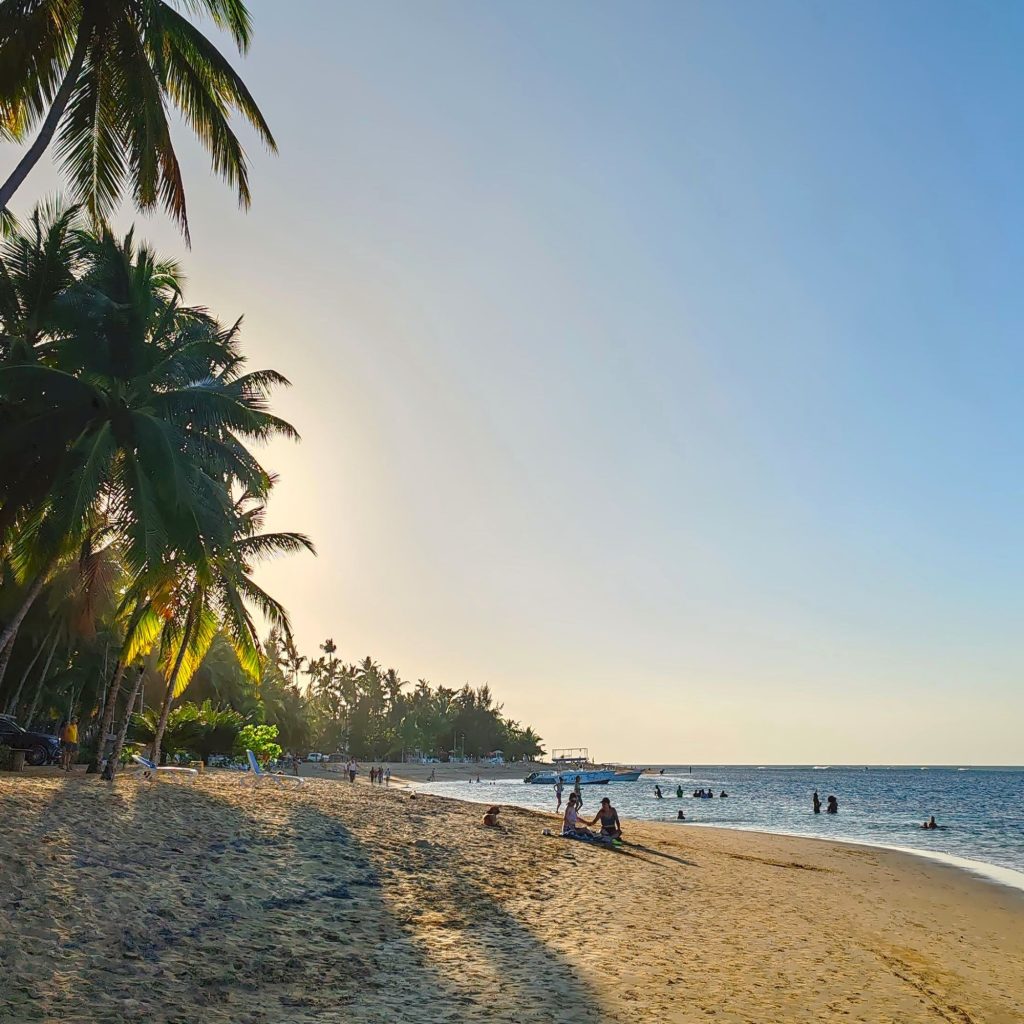
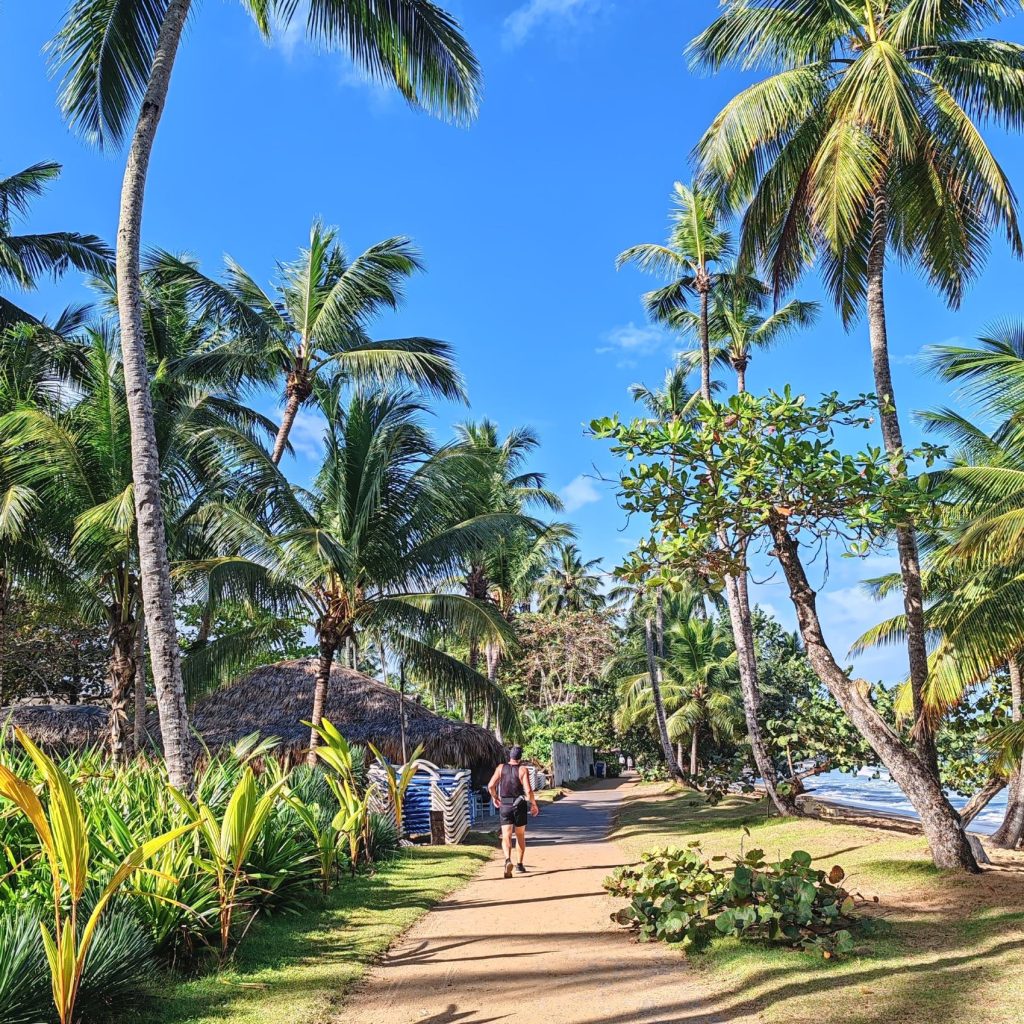
Over the following days we explored the area’s other beaches and the town center by running. Las Terrenas felt like a slightly better holiday destination that probably started as a small village but grew popular thanks to its beautiful beaches.
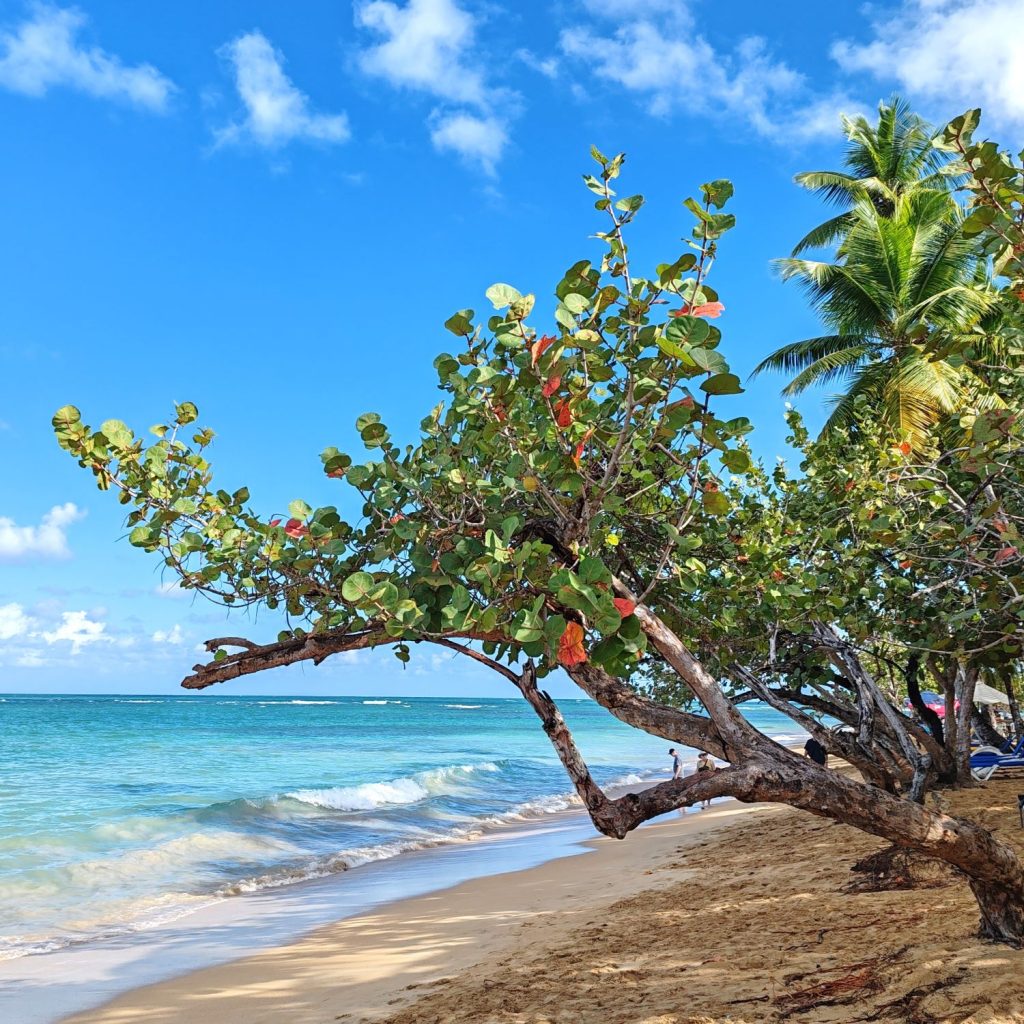
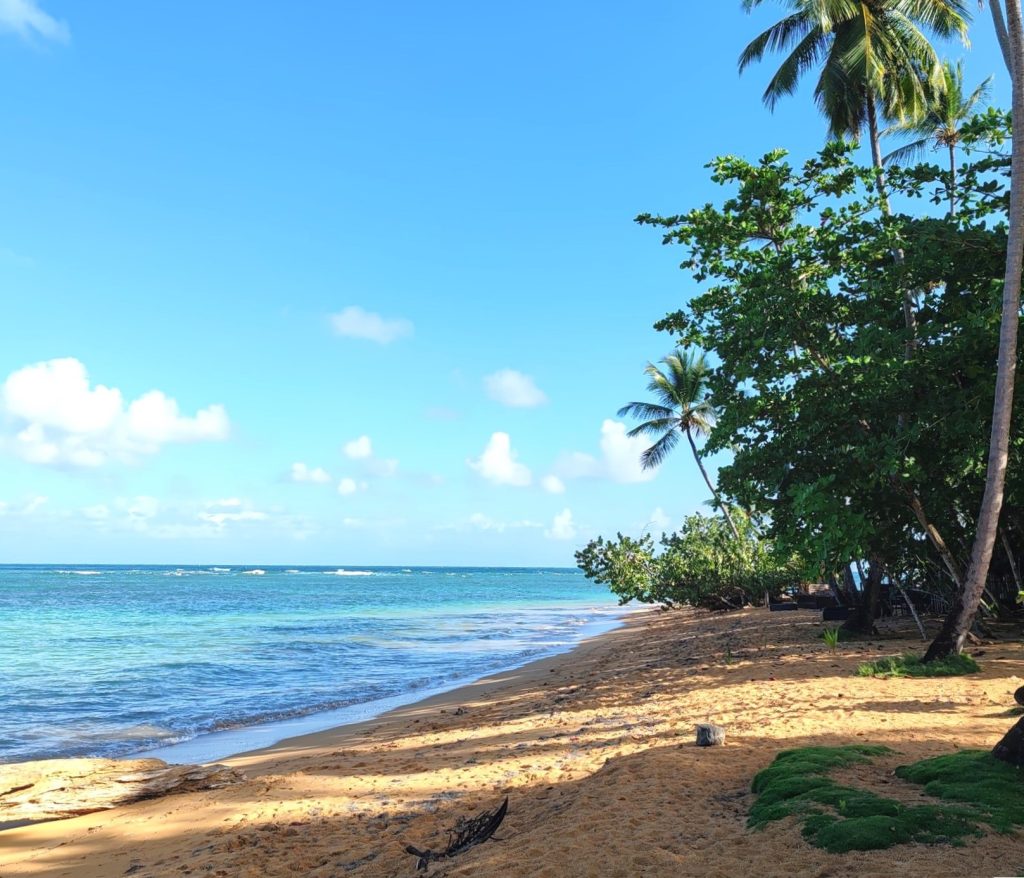
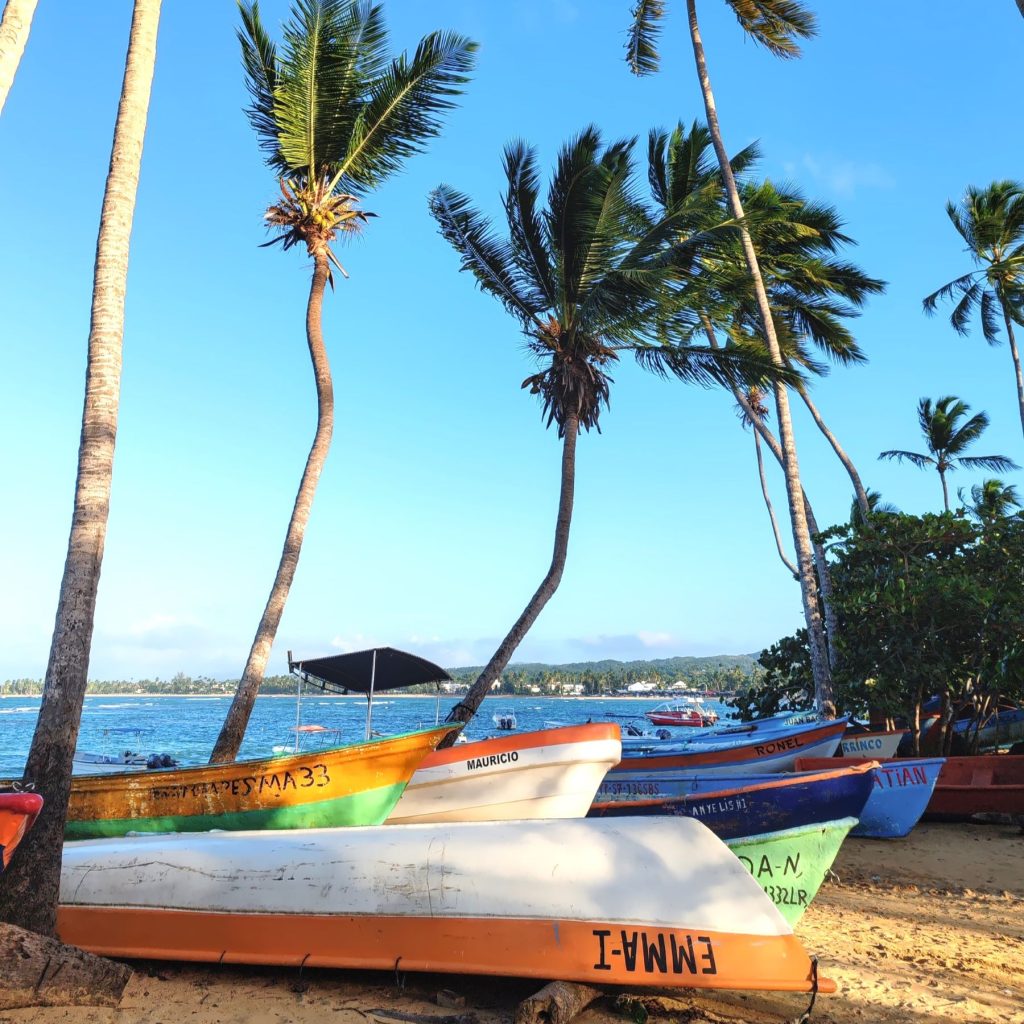
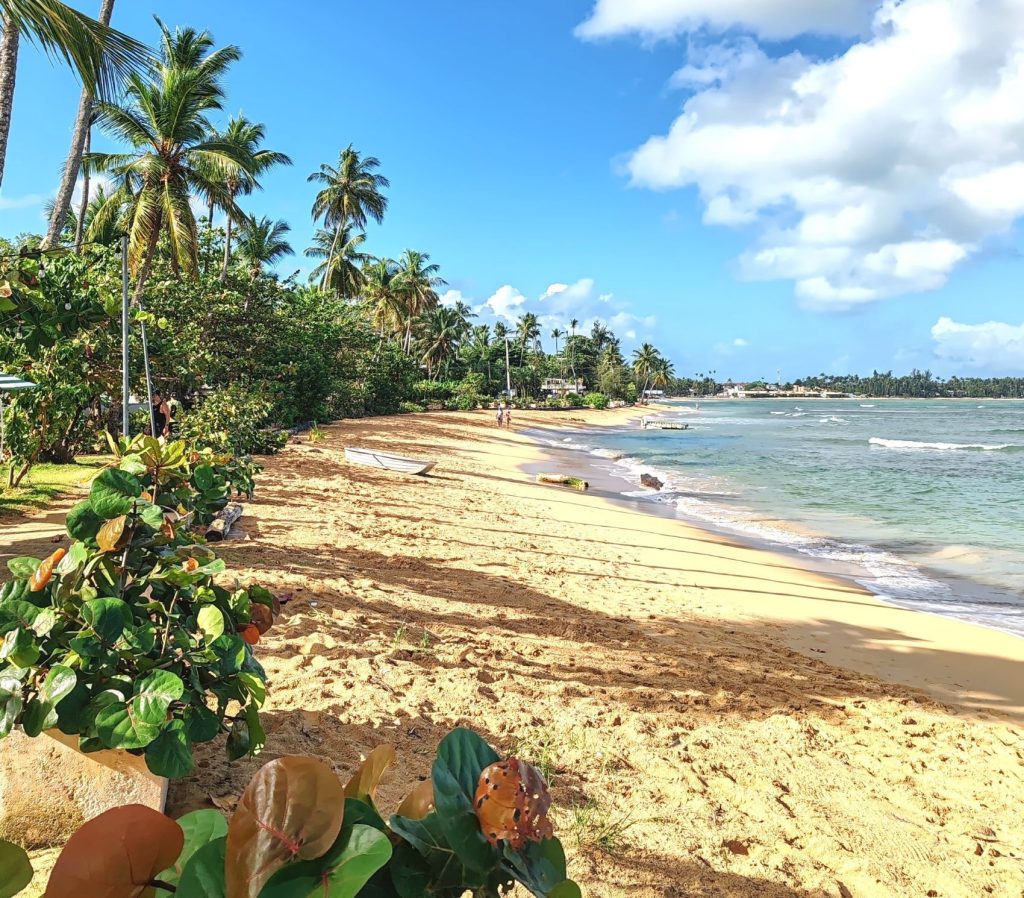
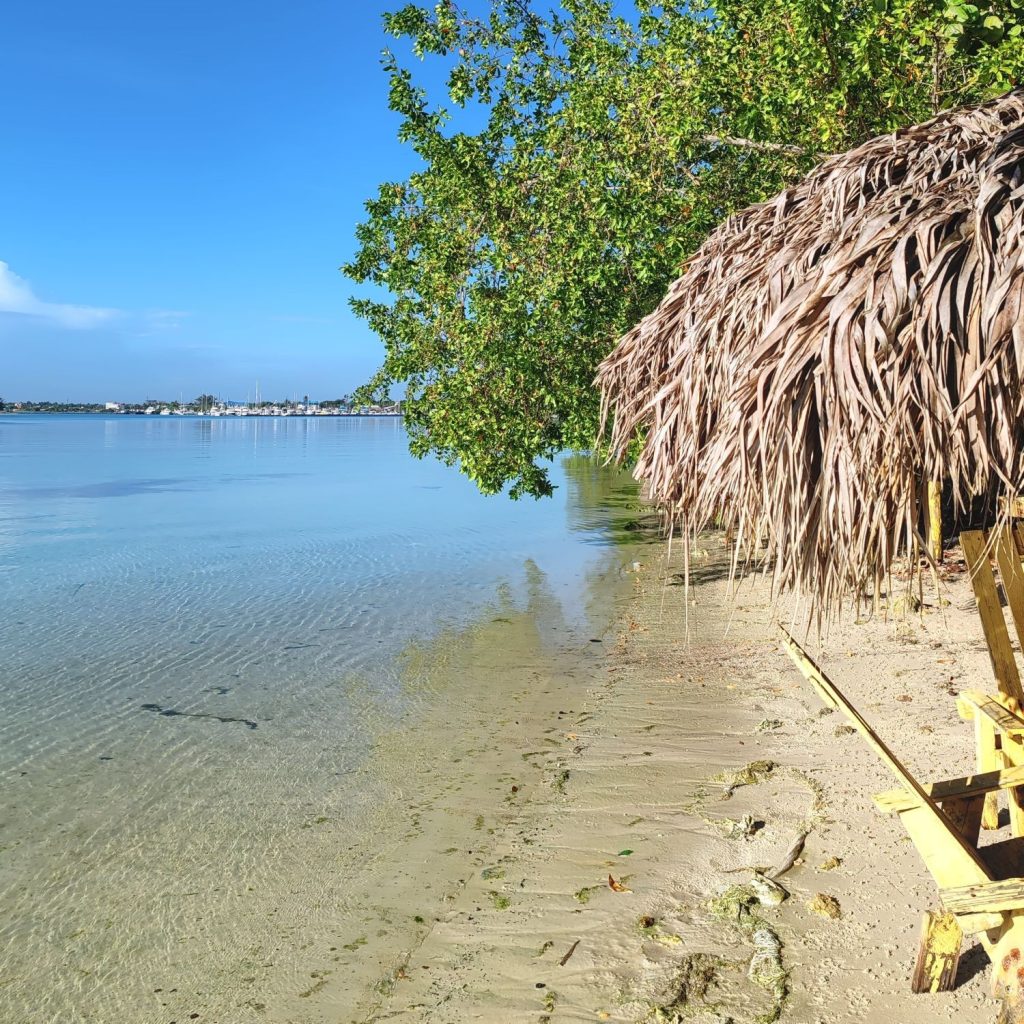
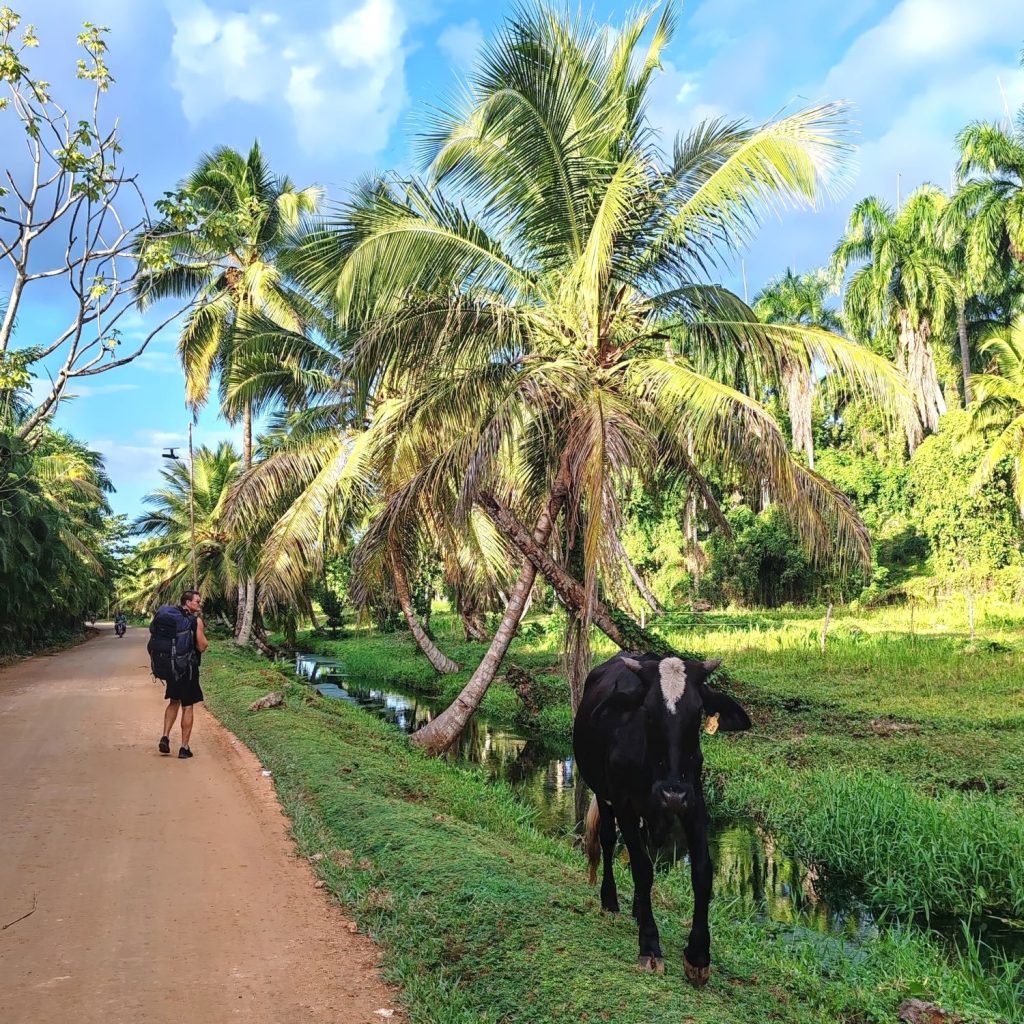
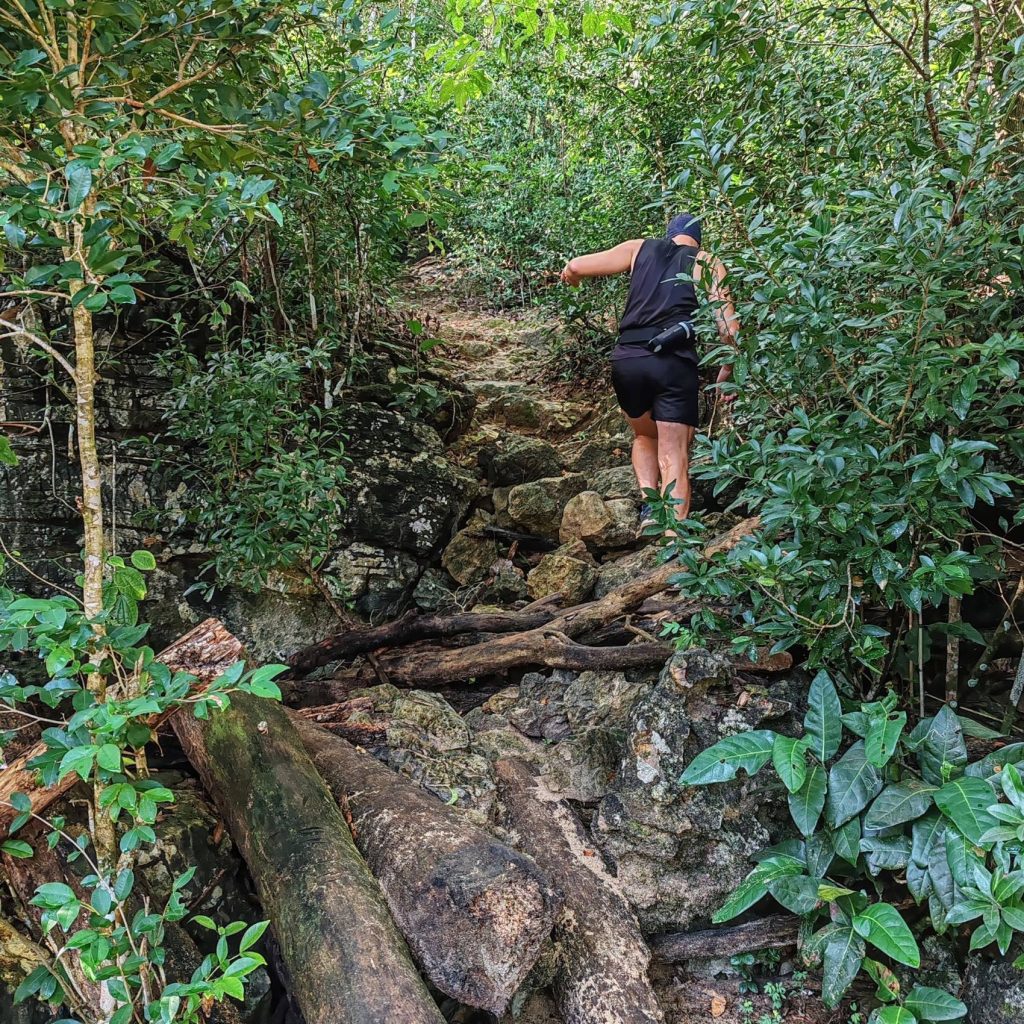
West of La Playa there are more charming palm-lined beaches, such as Playa Escondida and Playa Bonita. Playa Escondida (known as Hidden Beach) has no road access at all, so it has remained quite natural and quiet. You can reach it either by boat or on foot through forest trails.
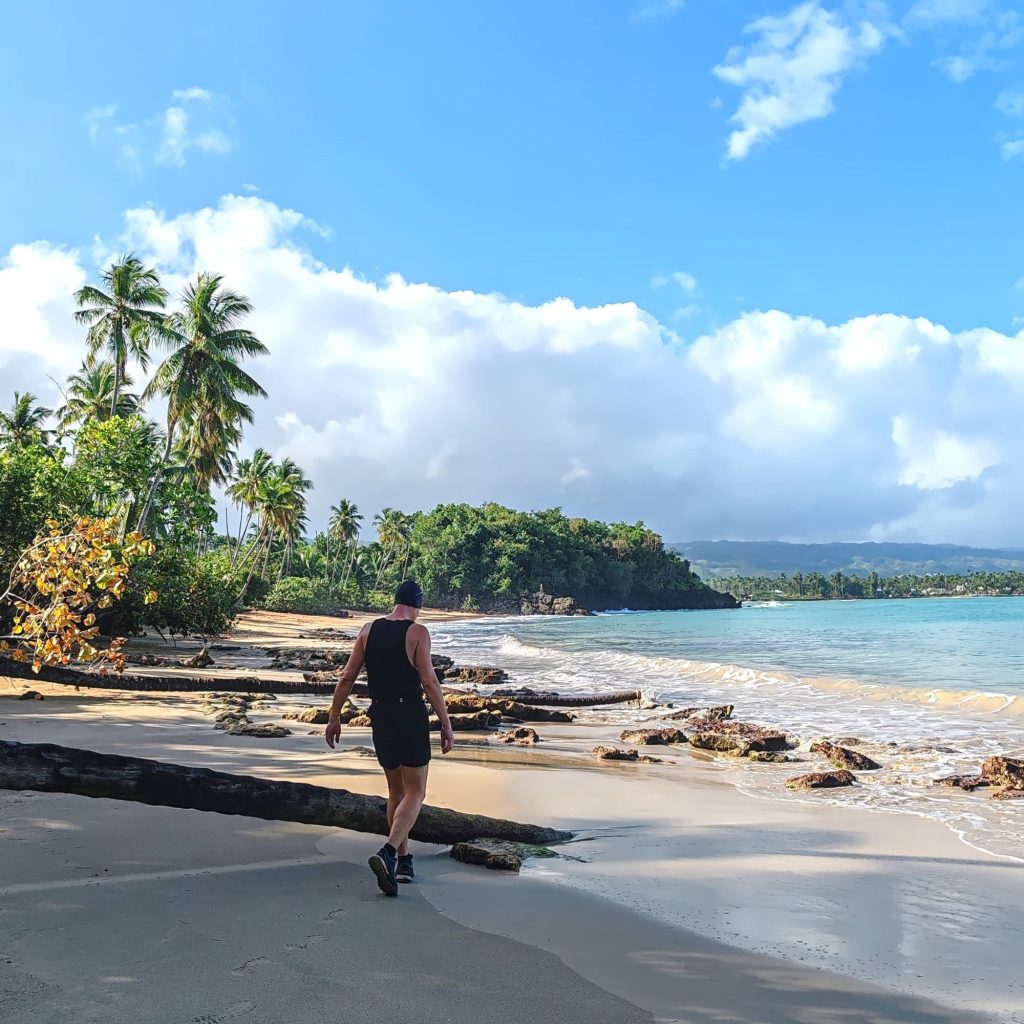
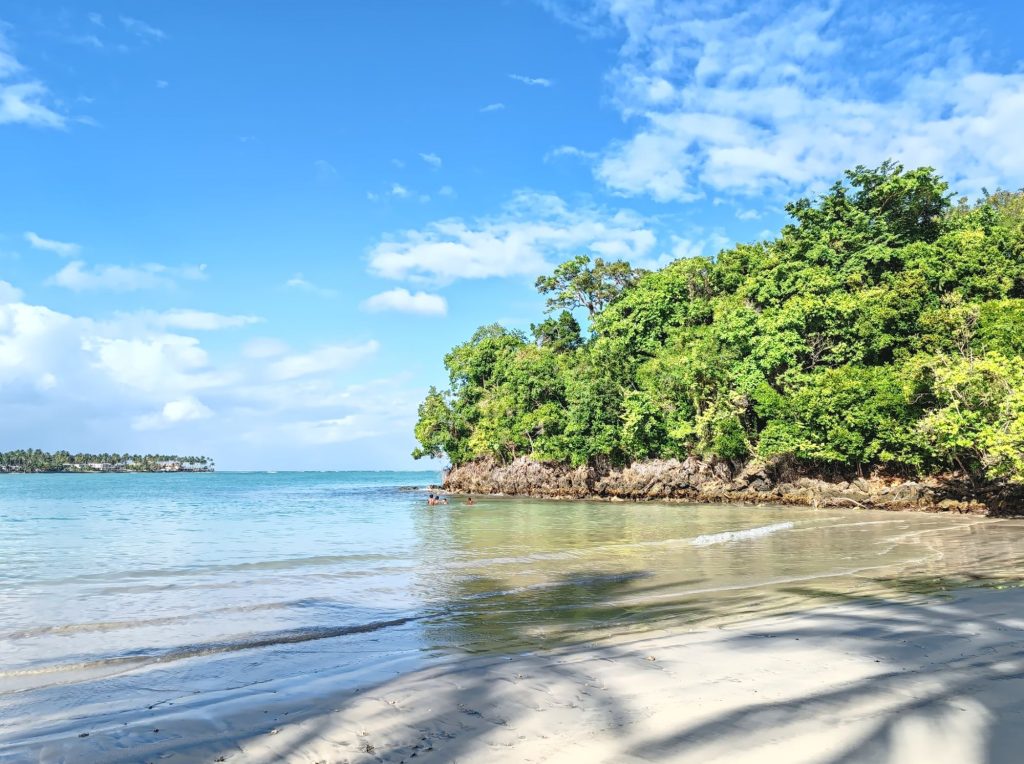
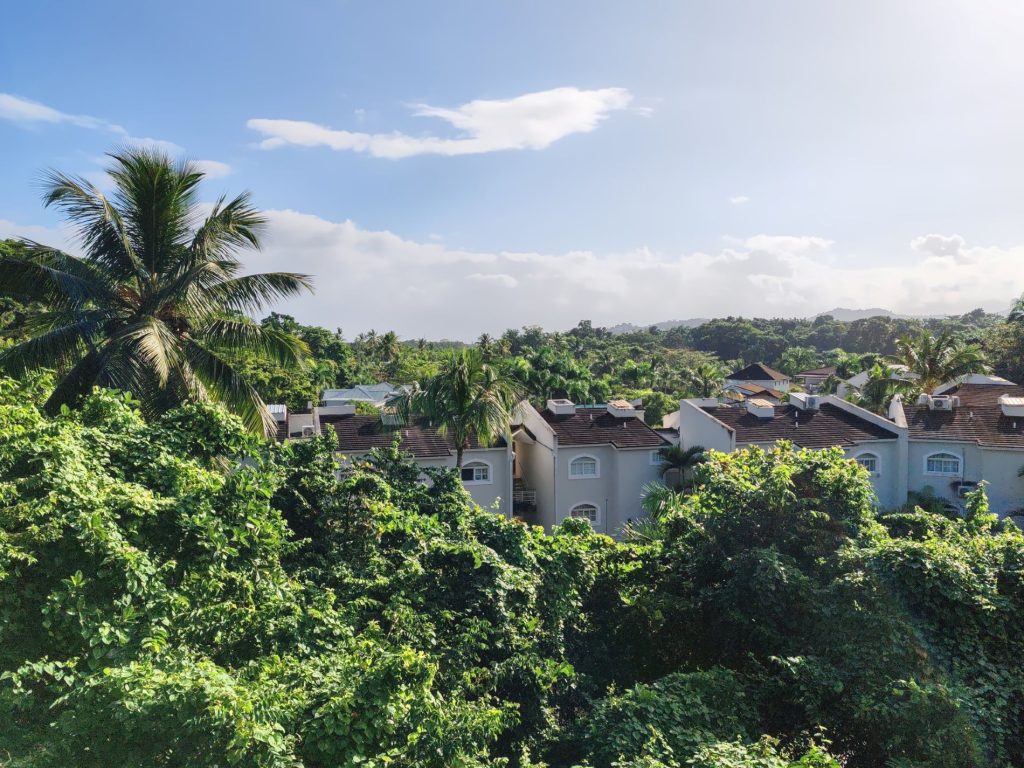
From Playa Escondida you can continue along a trail to the next beach, Playa Bonita, which is also partly very quiet. As you head toward Punta Bonita, hotels, restaurants, and resorts start appearing, but the atmosphere in the area remained pleasantly calm nonetheless.

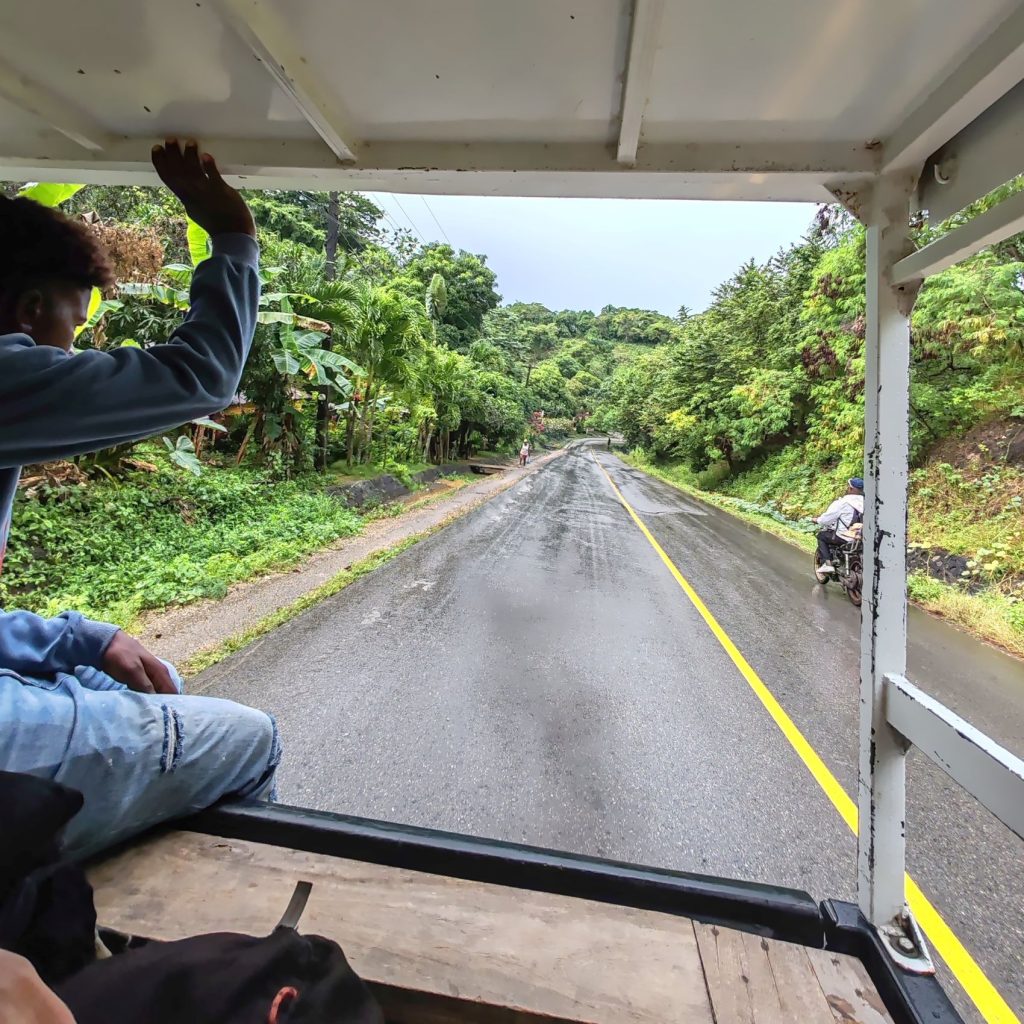
From Las Terrenas we continued by local transport to the other side of the Samaná Peninsula, to the town of Samaná. To get there we hopped on a charming open-sided guagua (local name for small buses and similar vehicles running between villages) in central Las Terrenas. After traveling through lush forest areas we reached El Limón, where we changed to a small bus heading to Samaná. The total distance of about 40 km cost less than two euros per person. In Samaná we stayed at an affordable but somewhat quirky hostel* on a hillside above the center.
Whale-watching tour and Playa Cayo Levantado in Samaná
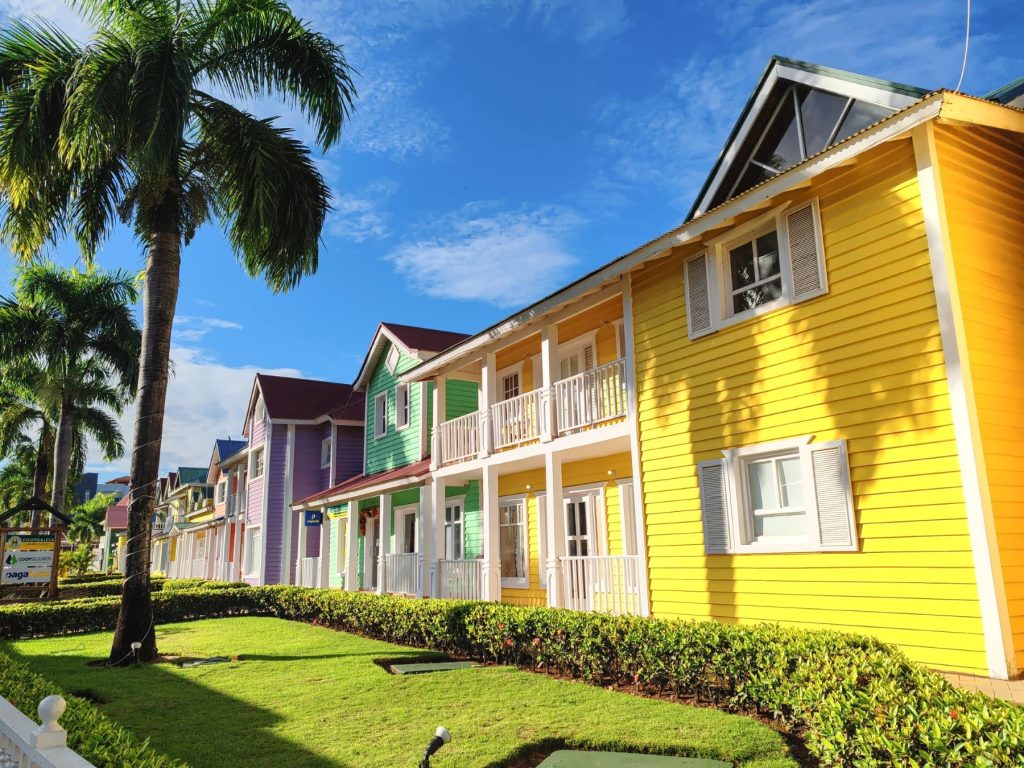
Samaná, or fully Santa Bárbara de Samaná, is a city on the north shore of Samaná Bay particularly known for whale-watching tours. The town itself is quite modest in terms of sights and beaches, but from mid-January to late March the whale season brings plenty of visitors. For us too, the main reason to travel to Samaná was the humpback whales, and in addition to the whale tour we visited the beautiful beach destination Cayo Levantado island.
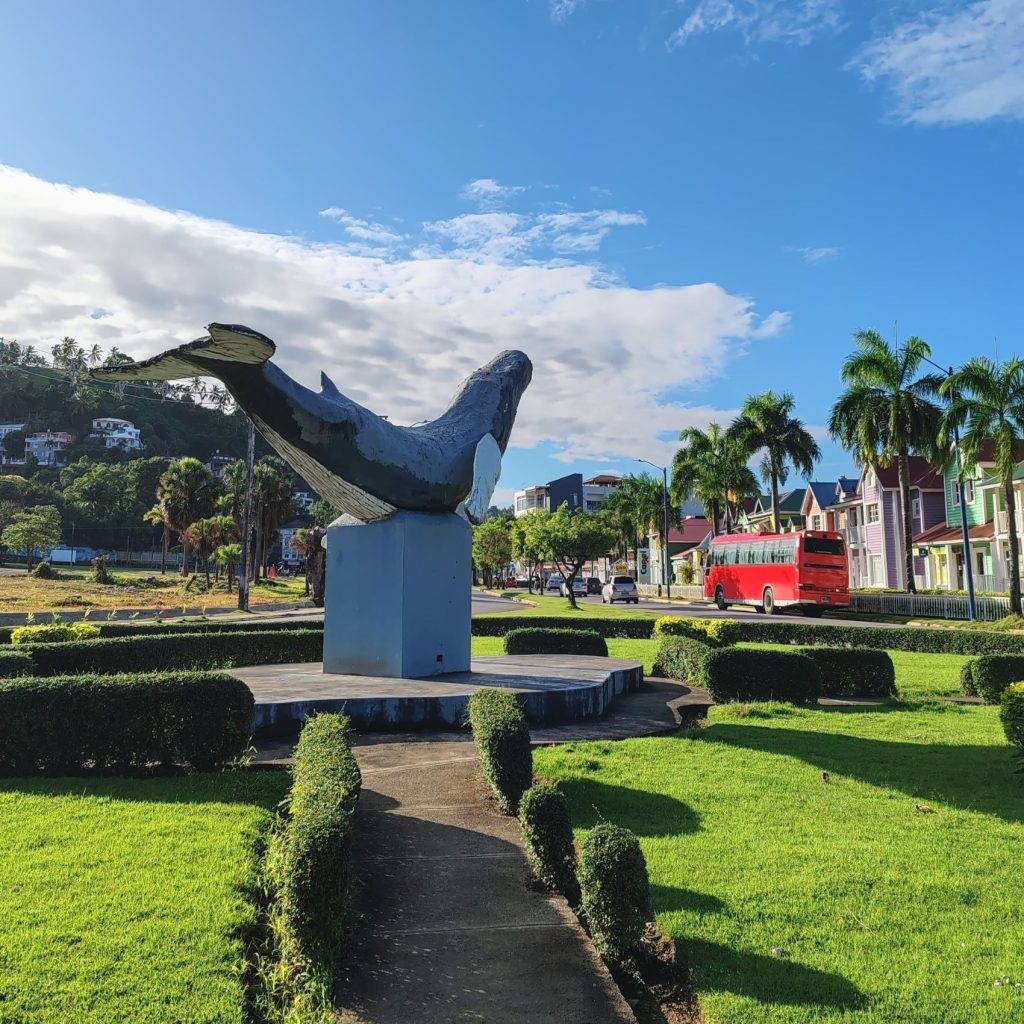
Samaná Bay and the surrounding coastal waters — where the Atlantic meets the Caribbean Sea — fill every year from January to March with thousands of humpback whales that have migrated from the North Atlantic to the warm tropical waters to breed and raise their calves. To protect the marine life and mammals in the area, the Marine Mammals Sanctuary Bancos de La Plata en Navidad was established in 1986 — the first marine mammal sanctuary in the Atlantic Ocean. The humpback whale sanctuary in Samaná is part of this overall more than 19,000 square kilometer protected area.
The humpback whale is one of the world’s largest whale species, and adults can weigh over 30 tons. Humpbacks spend the summer in the cool, nutrient-rich Arctic and sub-Arctic waters and breed in tropical areas during winter. Their migration routes often exceed 20,000 kilometers per year. Females have an approximately 12-month gestation period, so calves conceived in Samaná the previous winter are born when the whales return the following year. After growing enough in the warm waters, the calves head north with their mothers on their first long migration.
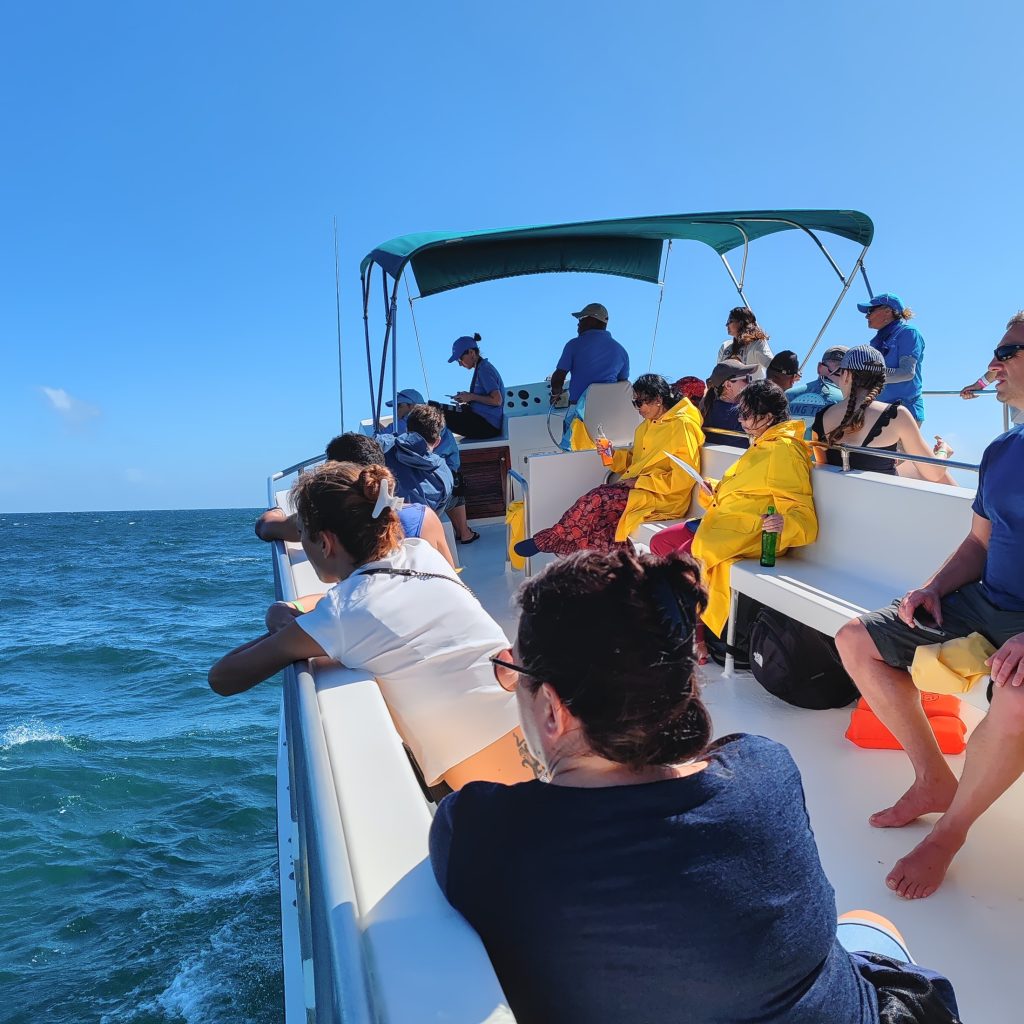
As whale-watching tours have become very popular in Samaná, there are now quite a few operators in the business. We wanted to choose a responsible company, as we had read that some boats get disturbingly close to the whales and some operators depart with very small, overcrowded vessels. There are clear rules for tour operators about how many boats can follow whales at the same time within a certain radius and how long one group may stay near the observed whales, but we still saw boats driving very close. We booked our tour with the long-established Whale Samana company run by marine mammal specialist biologist Kim Beddall. The 65-dollar tour (plus optional 5-dollar stop at Cayo Levantado) is not the cheapest, but it was on a well-equipped catamaran and included a lot of information about the whales.
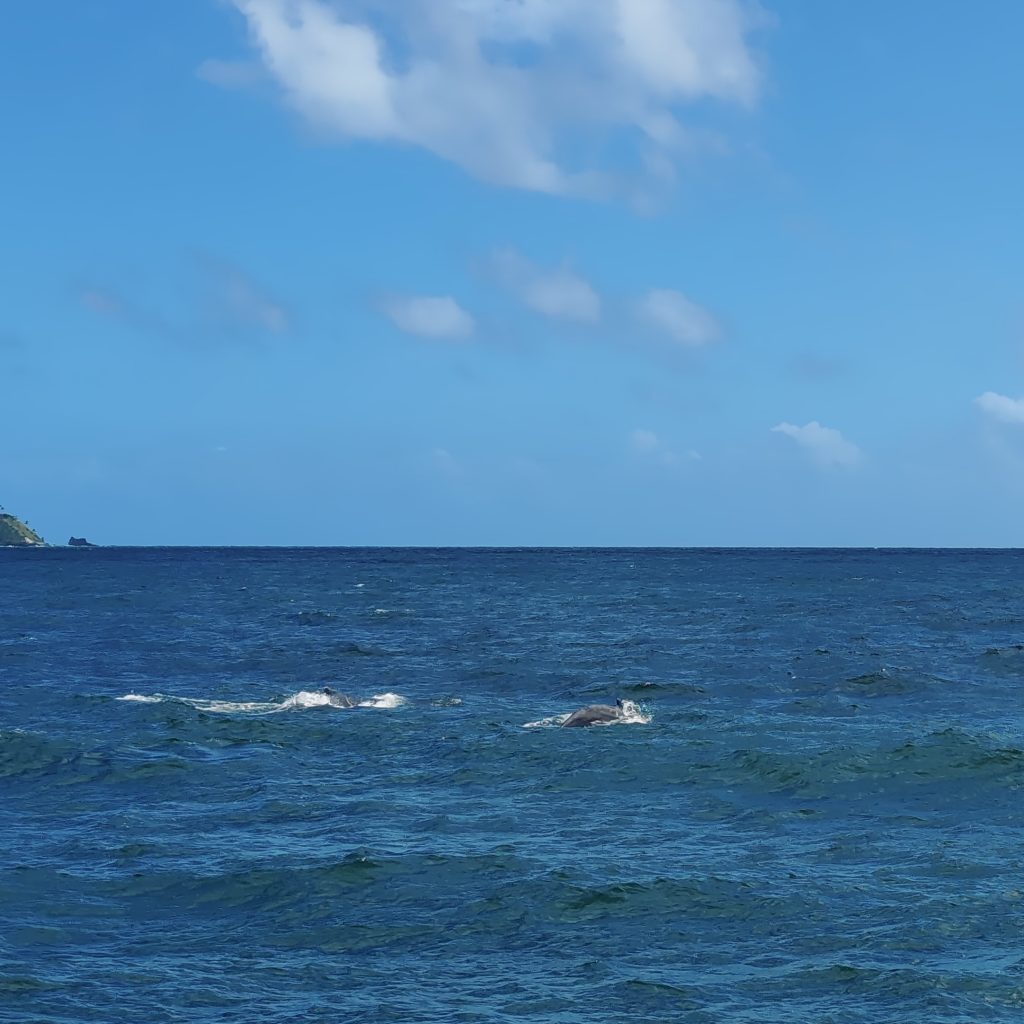
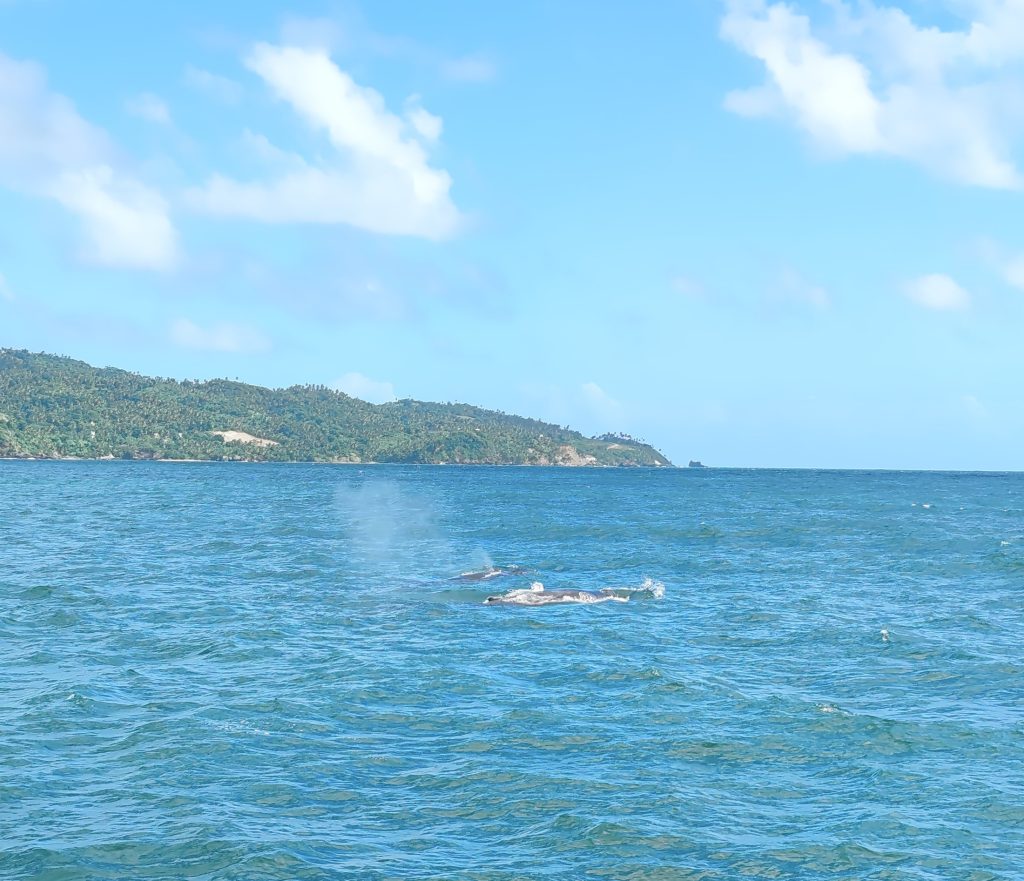
The actual whale-watching time on this day tour was about three hours altogether, and during the whole time the guides provided information in different languages about Samaná’s whales and their behavior. We managed to see two calves from last year and two adult whales, and we could follow them swimming and surfacing. We saw a few nice tail flukes, but unfortunately no full breaches. The guides were good at tracking the whales’ swimming path even though they swim quite deep, making it hard to predict the next surfacing spot. Binoculars and a good camera help with observing and photographing the whales — our rather unfortunate photos were taken with a basic smartphone, so they can’t be zoomed much.

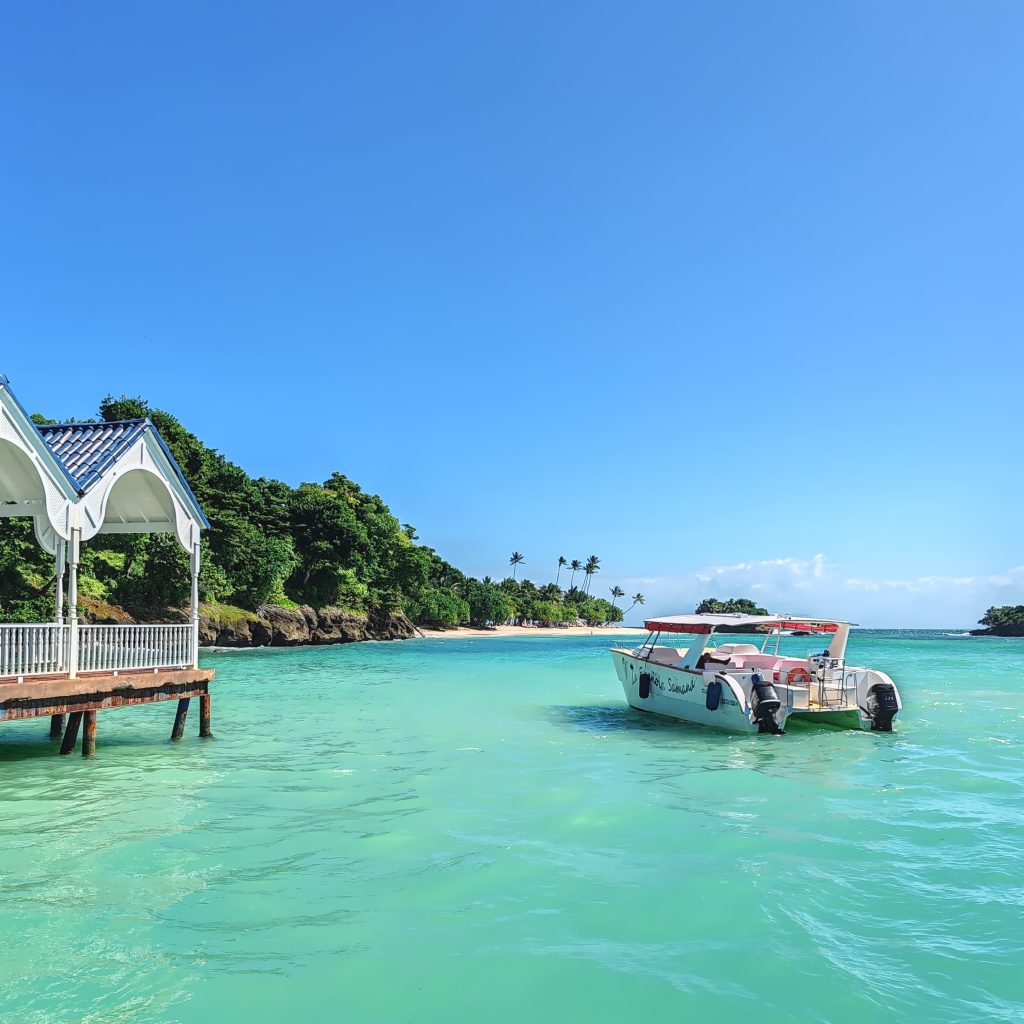
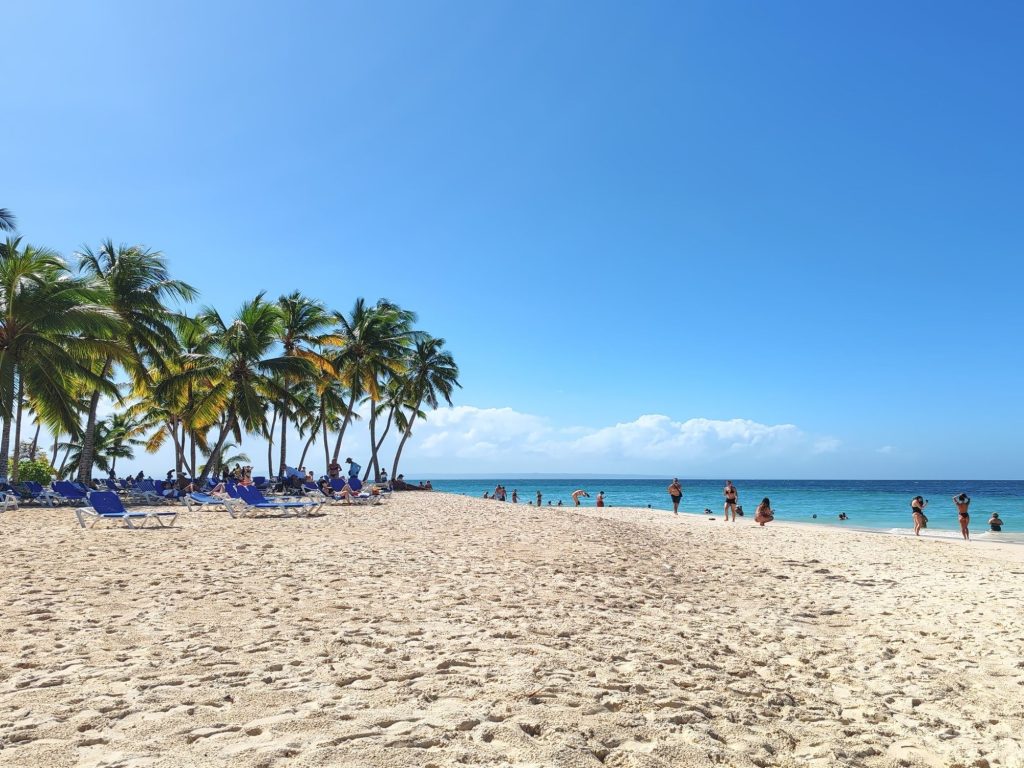
At the end of the whale tour we made an optional 5-dollar stop at Cayo Levantado, where the boat dropped off those who had bought the add-on for a few hours. The beautiful white-sand island, known for its stunning beaches, was probably once a real paradise but nowadays feels quite overcrowded and a bit hectic. Compared to Isla Saona — one of our first destinations in the Dominican Republic — Cayo Levantado didn’t impress us much, but if you want to relax under a palm tree in the sun at the end of a whale tour, stopping at Cayo Levantado offers a perfectly fine opportunity.
In addition to whale tours, organized day trips are also made from Samaná — and from Las Terrenas — for example to Los Haitises National Park*. From Samaná we returned once again to Santo Domingo, from where our winter Caribbean adventure continued to Jamaica!
Where to get travel insurance for a longer trip?
Over more than eight years of nomad life, we’ve searched for cost-effective and reliable solutions, especially for travelers’ health insurance.
In the article Nomad Travel Insurance: 3 +1 Easy Options, we present international insurance options suitable also for extended trips.