
How does spending the Christmas and New Year holiday period in the Caribbean, on the British Virgin Islands, sound? At least we didn’t think it sounded bad at all, so when a dog-sitting placement opened up on Virgin Gorda while we were planning our winter in the Caribbean, we decided to seize the opportunity — and ended up in quite a paradise! In this post you’ll find vibes (and quite a lot of photos) from our three-week stay on Virgin Gorda, an island particularly known for its beautiful beaches. At the end of the post there’s also practical info about traveling to the islands independently.
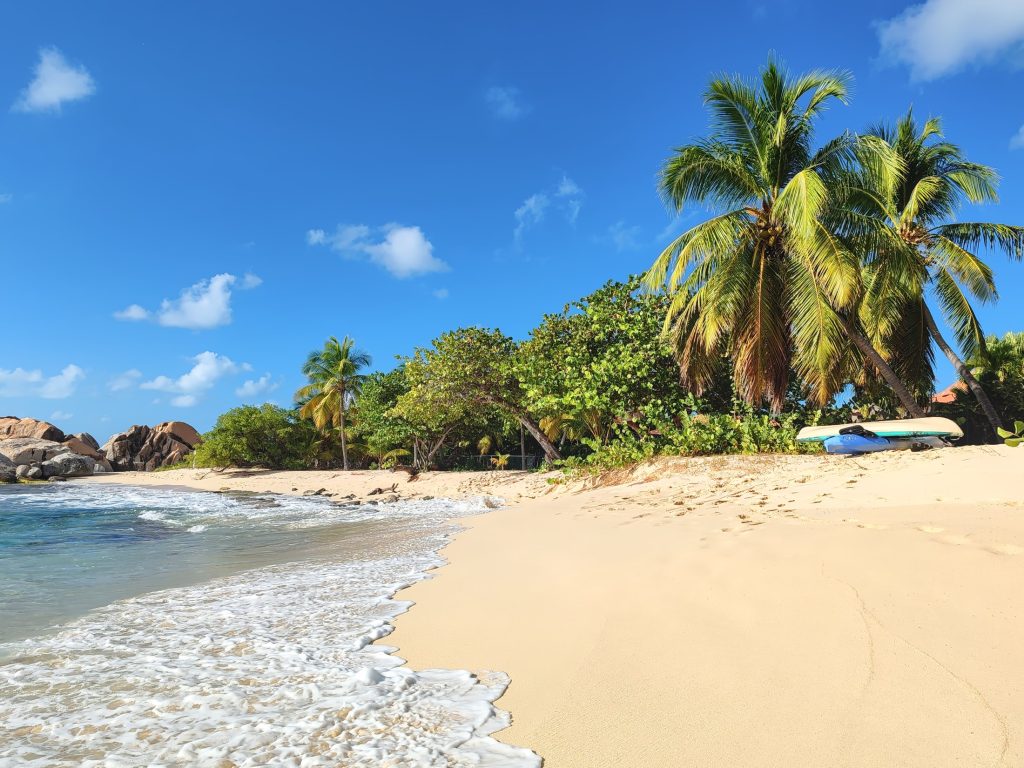
The British Virgin Islands in a nutshell
The British Virgin Islands are a tropical archipelago in the Caribbean Sea, north of the US Virgin Islands and east of Puerto Rico. They are not an independent country but a British Overseas Territory. The group consists of 4 main islands and 32 smaller ones, with a total population of nearly 40,000. The volcanic islands are mountainous and have a warm climate — there are no real seasons, but the rainy season usually lasts from May to November. The currency used on the islands is the US dollar.
The original inhabitants were the Caribs, and Christopher Columbus is considered the discoverer of the islands during his second voyage in 1493. Spanish forces conquered the main islands in 1555, apparently completely expelling or killing the Caribs living there. Dutch pirate Joost van Dyk established the first settlement on Tortola in 1615. In 1672 the islands came under British control after being captured by an English faction.
During British rule, slaves were brought to work on cotton plantations and sugar production. Slavery was abolished in 1834, after which the sugar industry declined. In 1949 the islands marched for self-government, and in 1950 the British Virgin Islands received a parliament. In 1967 the territory became a British Overseas Territory, and ten years later an associated state.
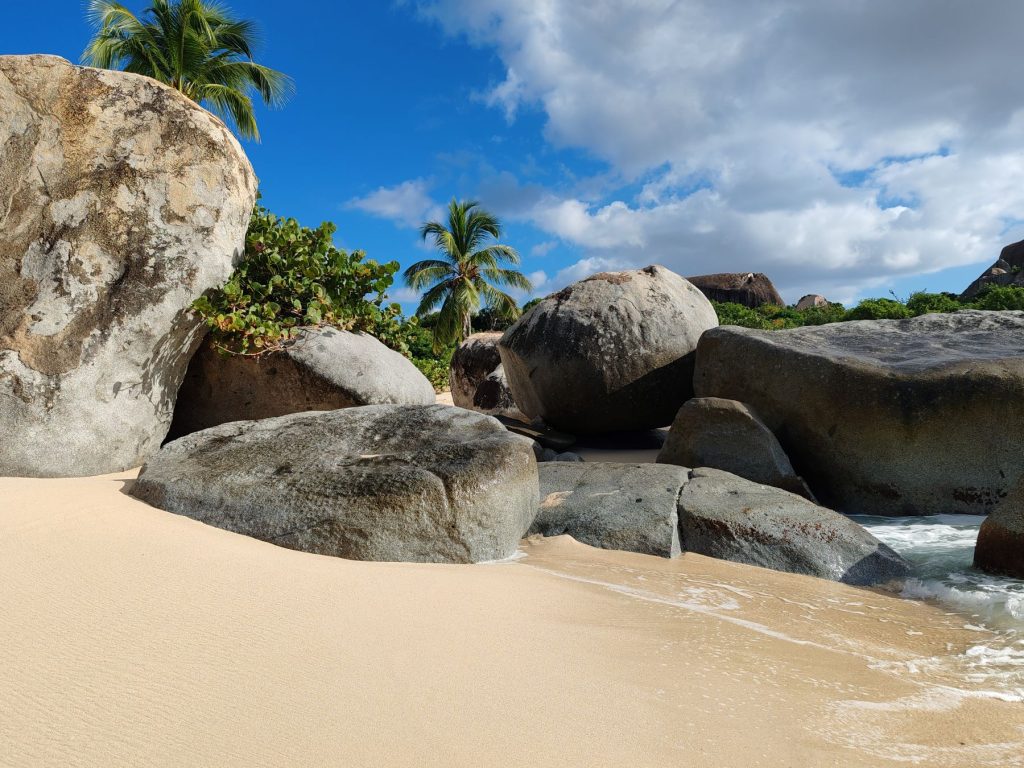
Virgin Gorda is the fourth-largest island in the British Virgin Islands (BVI), with about 4,000 inhabitants (the larger ones are Anegada, Jost Van Dyke, and the main island Tortola, which has the majority of the population and the capital Road Town). Virgin Gorda is known for its large granite boulders in various formations along the island — even down to the beaches — and for its crystal-clear diving waters.
Digital work and a new dog friend on Virgin Gorda
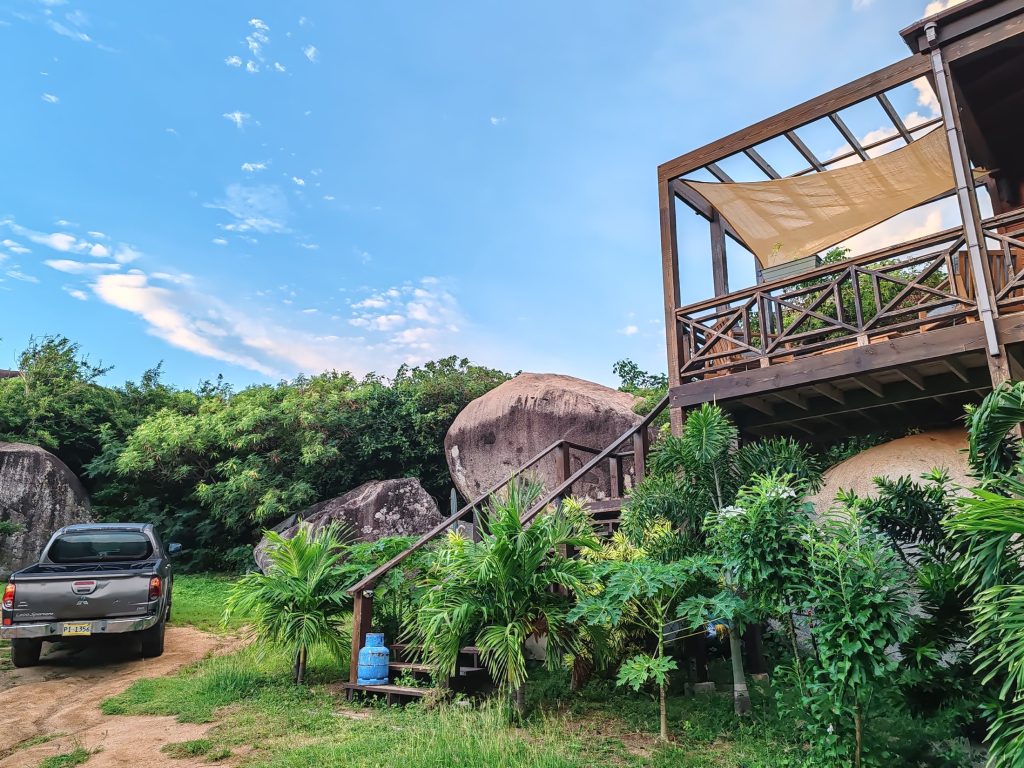
Known as a tax haven, BVI is definitely not a typical budget travel destination, and we certainly wouldn’t have gone there without a house-sitting placement — meaning free accommodation in exchange for taking care of pets. On Gorda we had access not only to a beautiful apartment but also a car, kayaks, snorkeling gear, and gym access, so the setting for this house-sit was excellent overall.

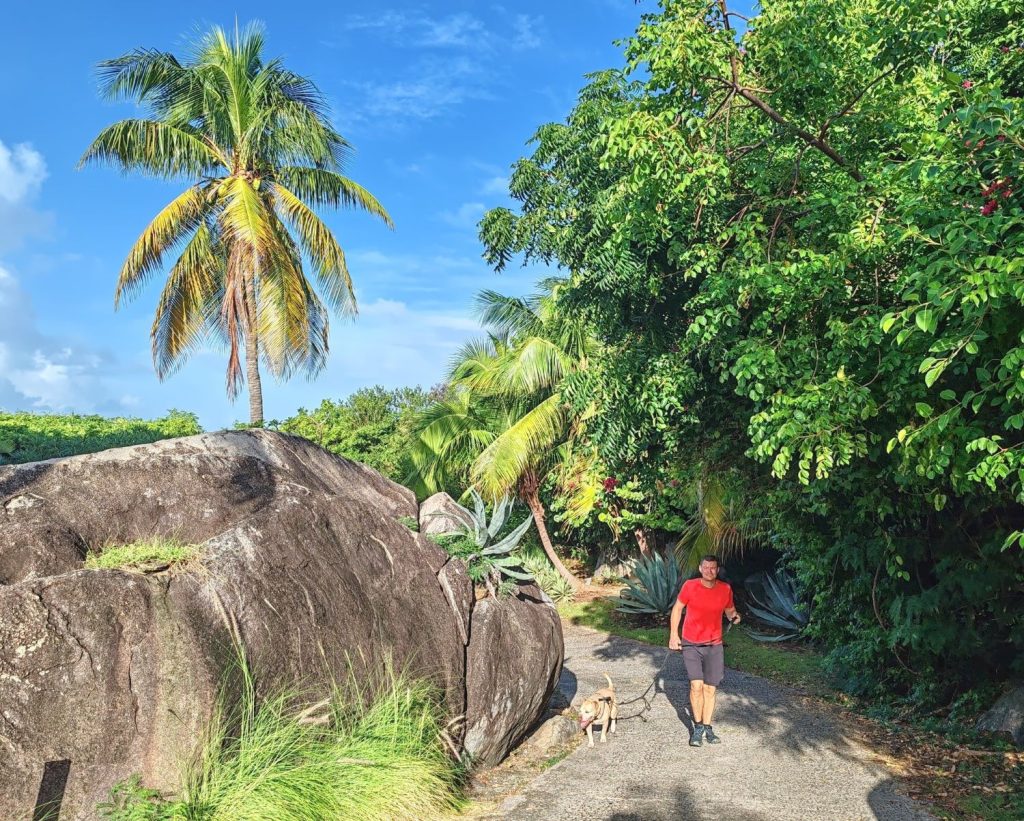
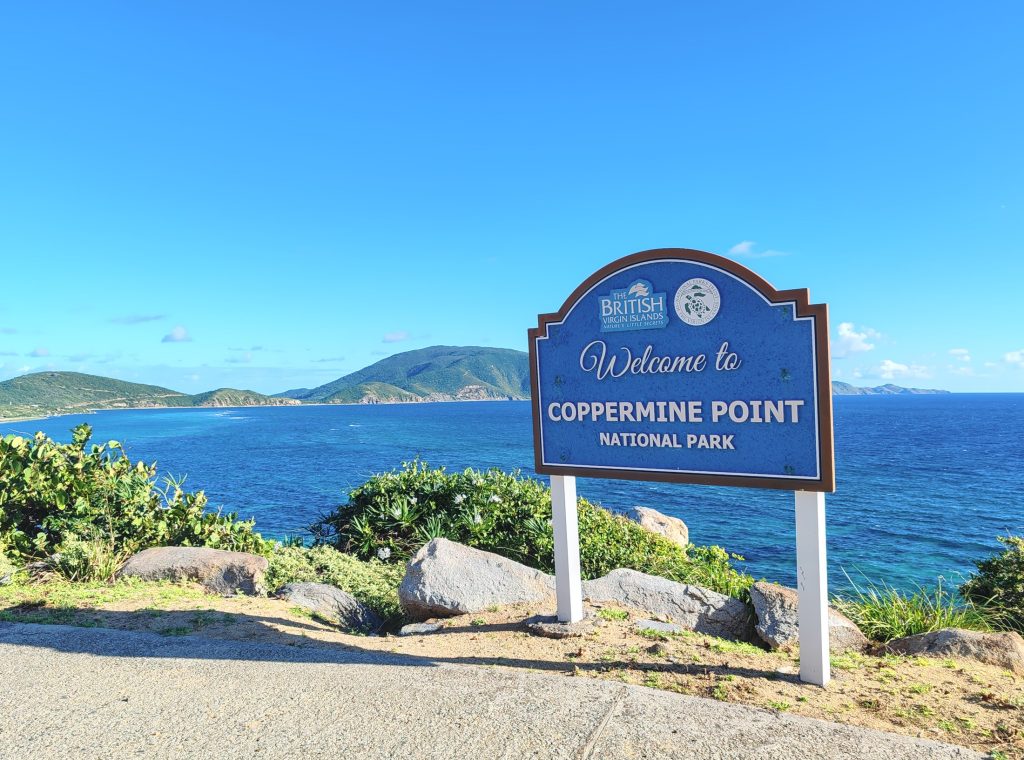
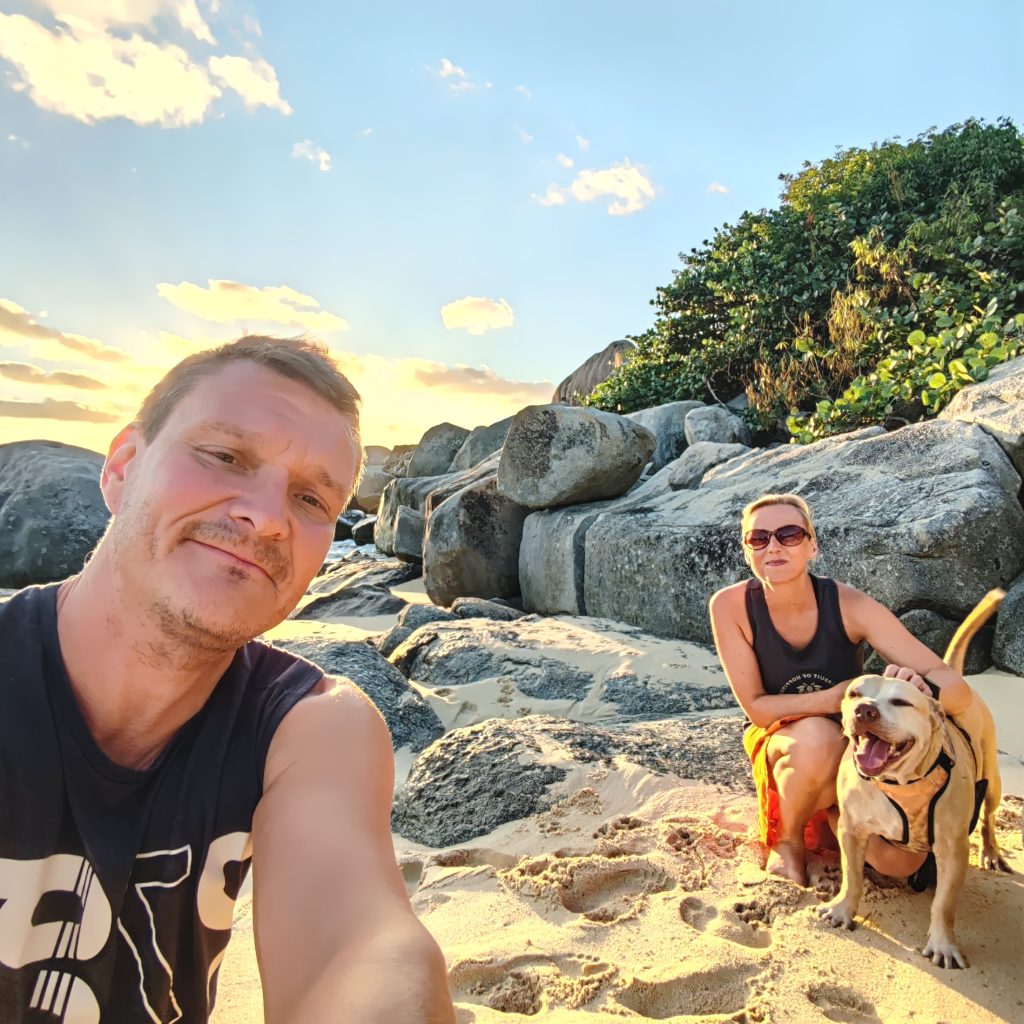
Our daily “duties” mainly consisted of taking care of Bruno, the young British couple’s dog who lives in the house. The mixed-breed Bruno was a very laid-back guy who mostly just slept or chilled on the balcony all day. On walks, though, he showed a bit more personality, and sometimes we had to negotiate about direction and the necessity of chasing cats. But we got along really well with Bruno, and sometimes we took him in the car and walked a bit farther from home, like at Copper Mine Point, where there are stunning sunrises and ruins of an old copper mine.
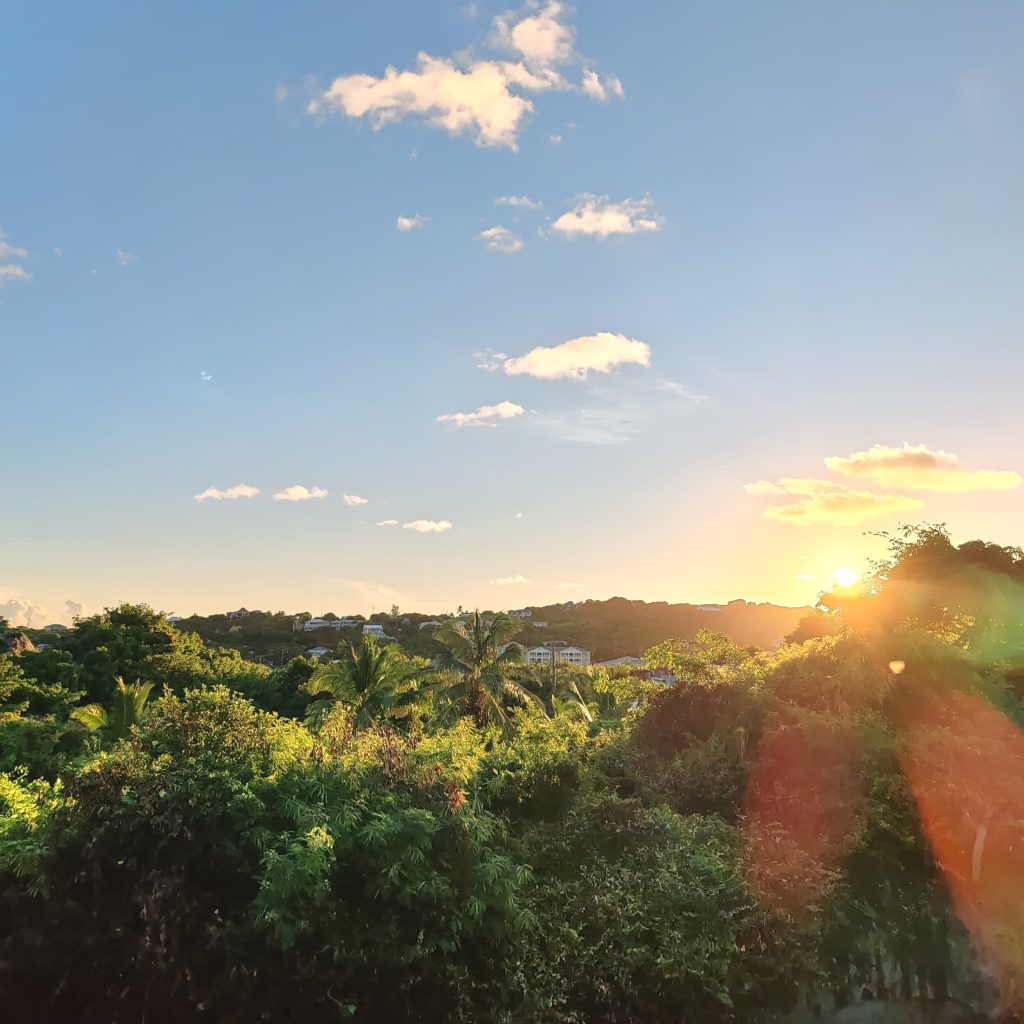
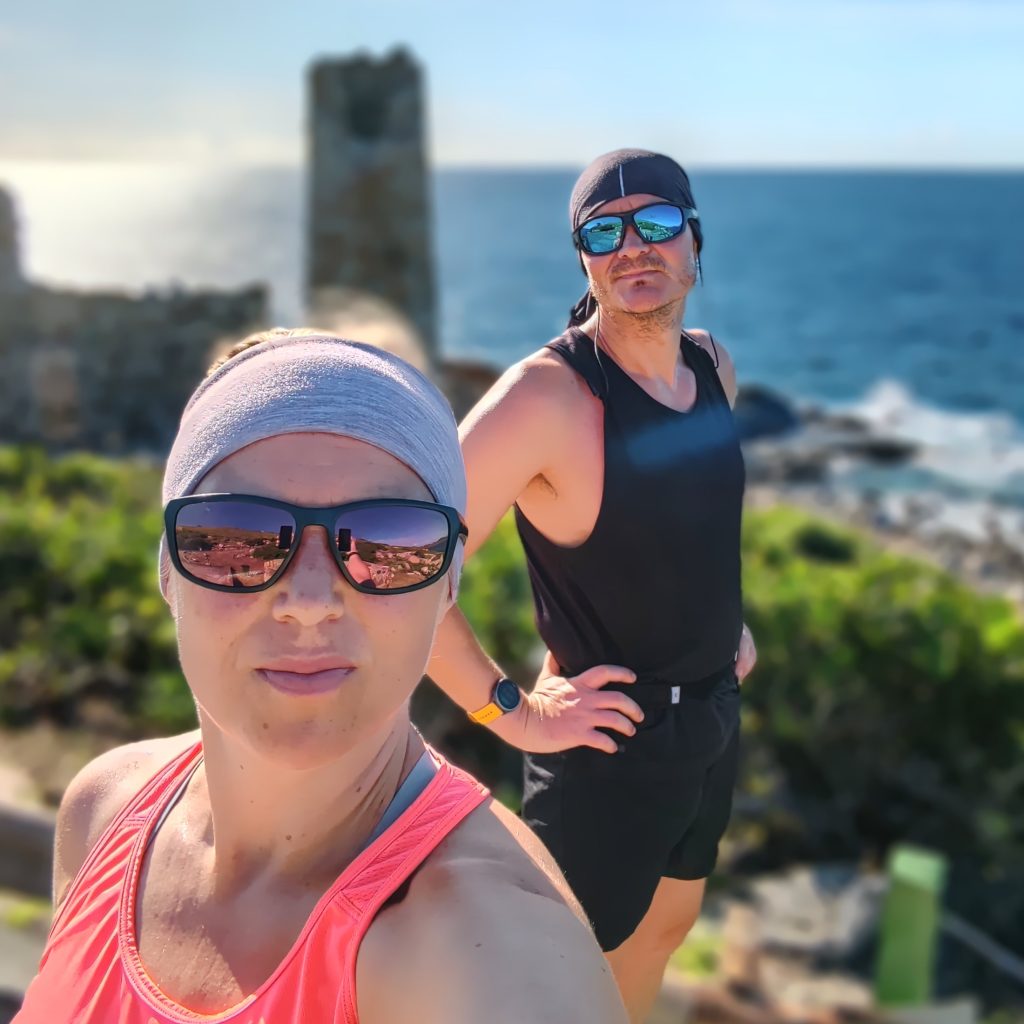
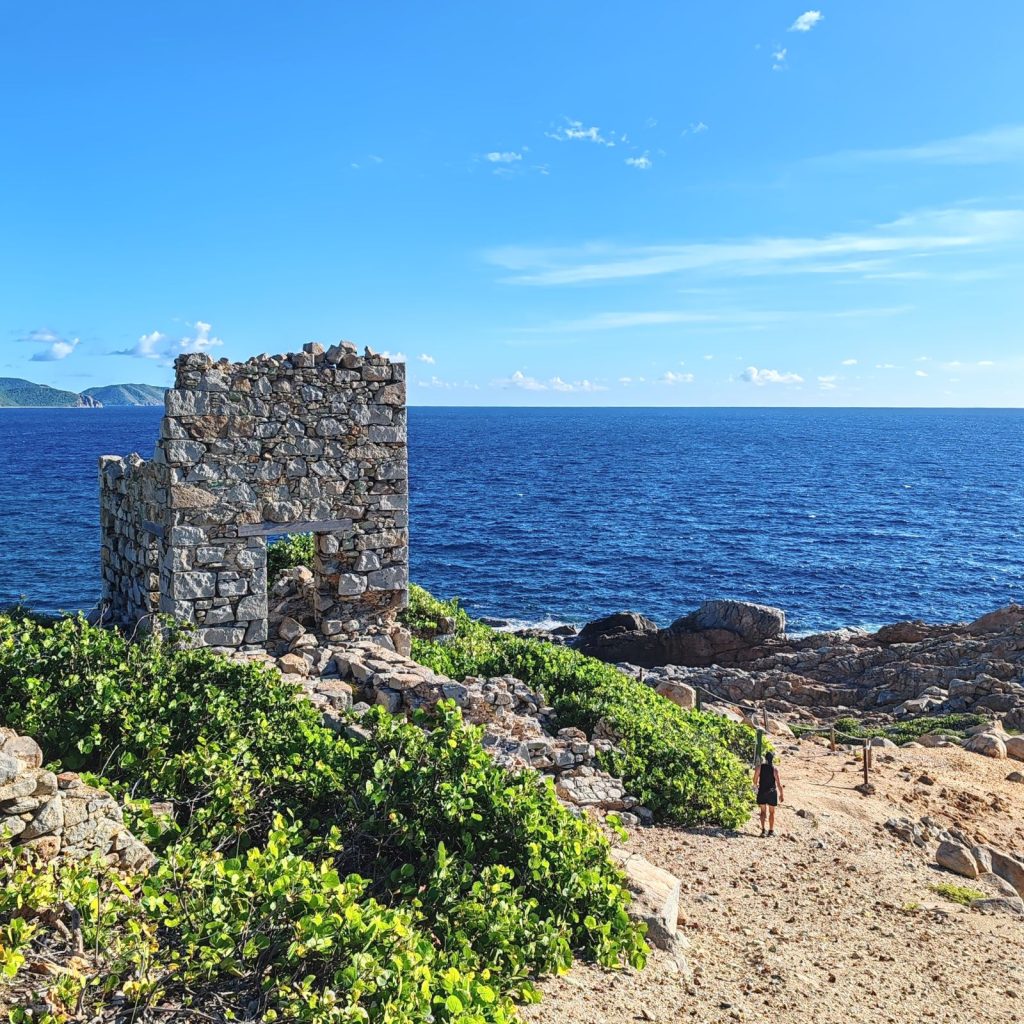
This house-sit placement happened during the Christmas and New Year holiday season, but for us it meant the opportunity to settle down for a while and focus on work and writing instead of pure vacationing. We didn’t of course spend all days just indoors, but we did spend a lot of time in front of laptops. In return we exercised a lot and occasionally took full days off to explore different parts of the island and enjoy the insanely beautiful beaches.
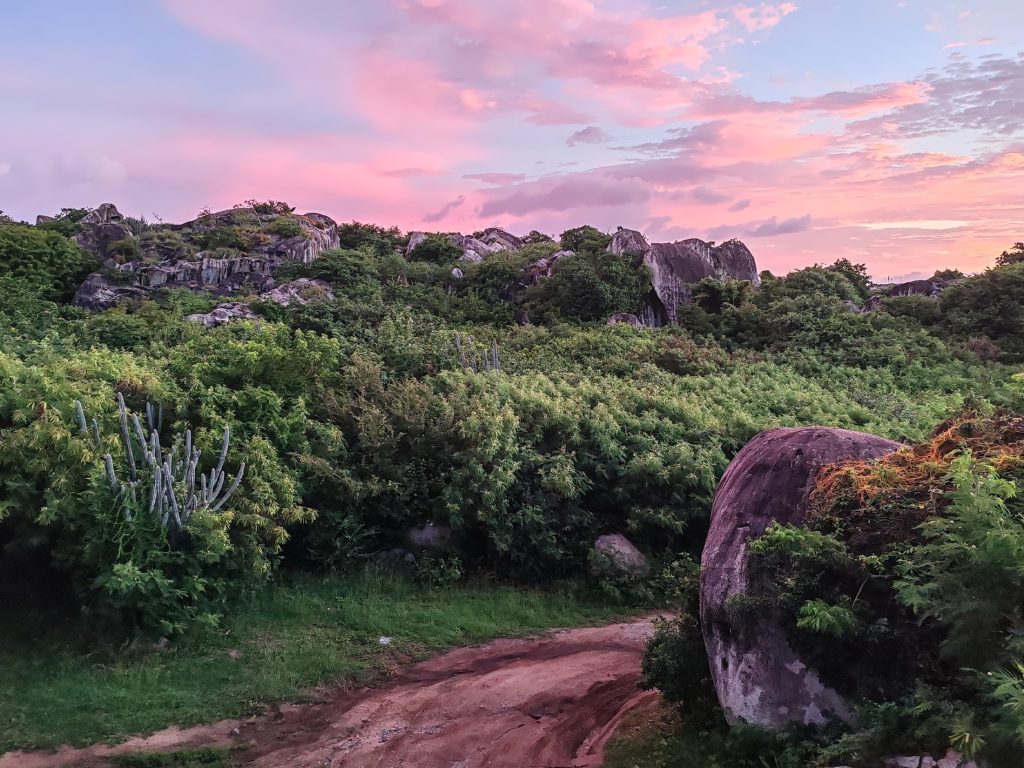
The apartment was less than a kilometer from the island’s main settlement, Spanish Town. That “town” has the island’s grocery stores and most of the restaurants. We practically never ate in restaurants because of the high prices, and even grocery shopping required careful choices — since practically everything is imported, prices for basic food items are sky-high.
Interested in pet-sitting? Read more: 11 tips for aspiring house/pet sitters
Breathtakingly beautiful Spring Bay
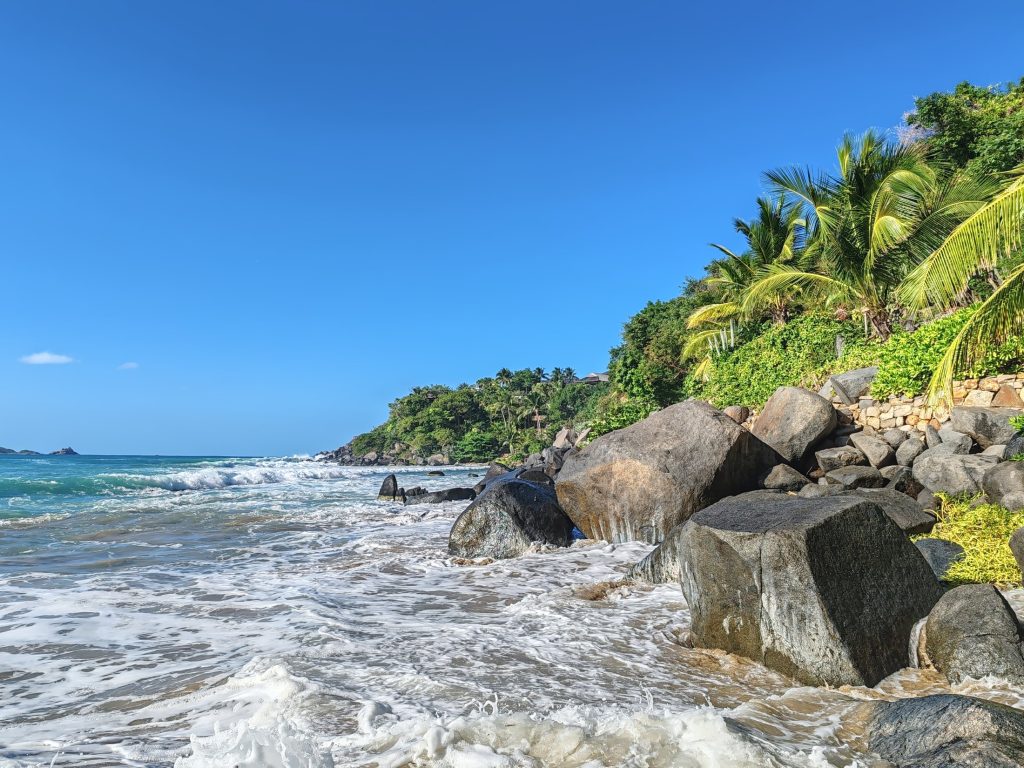
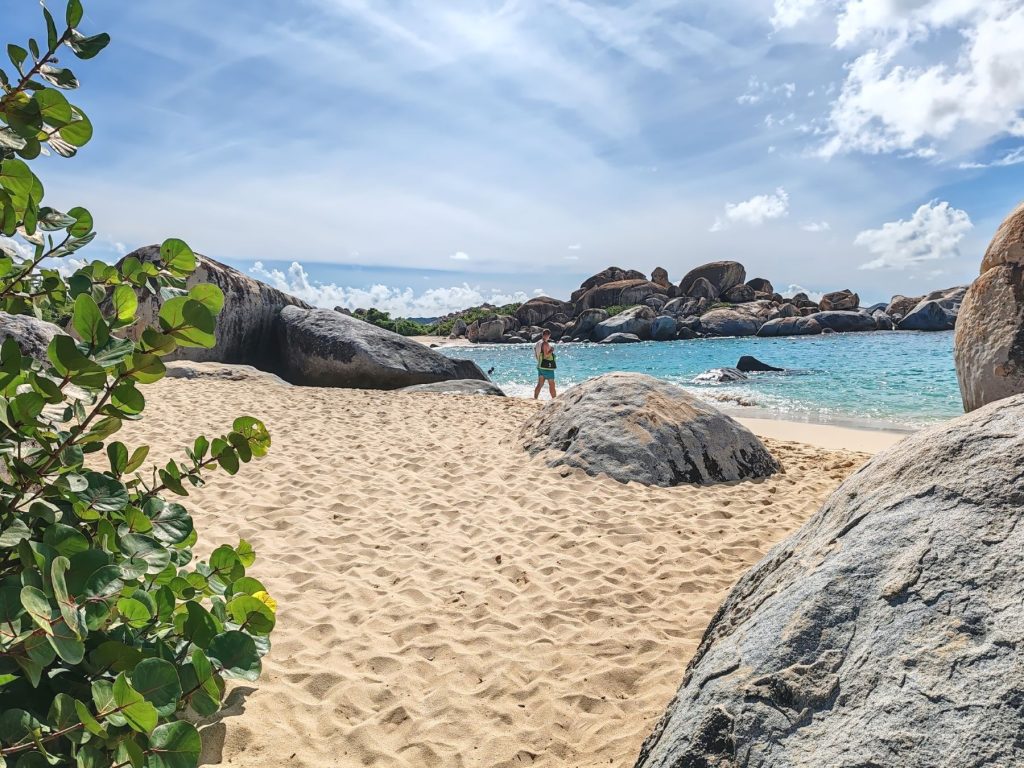
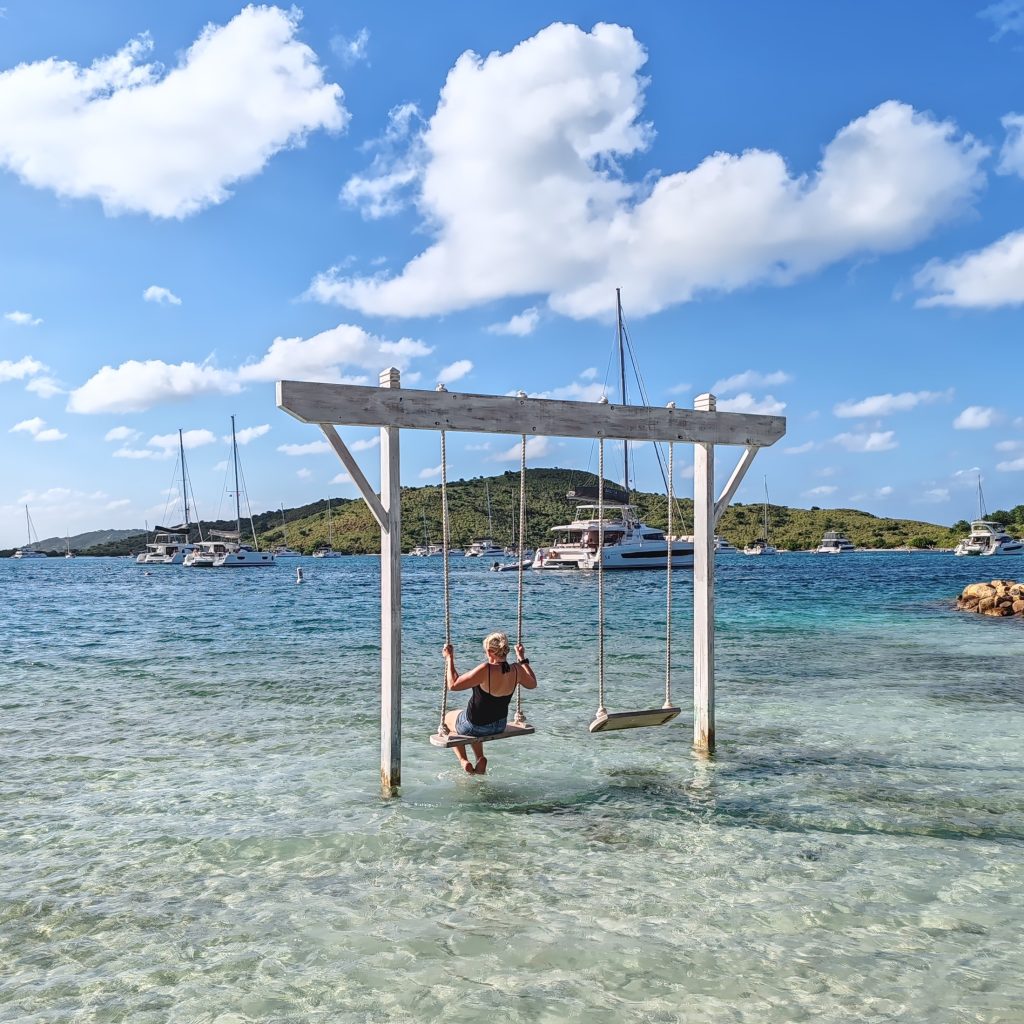
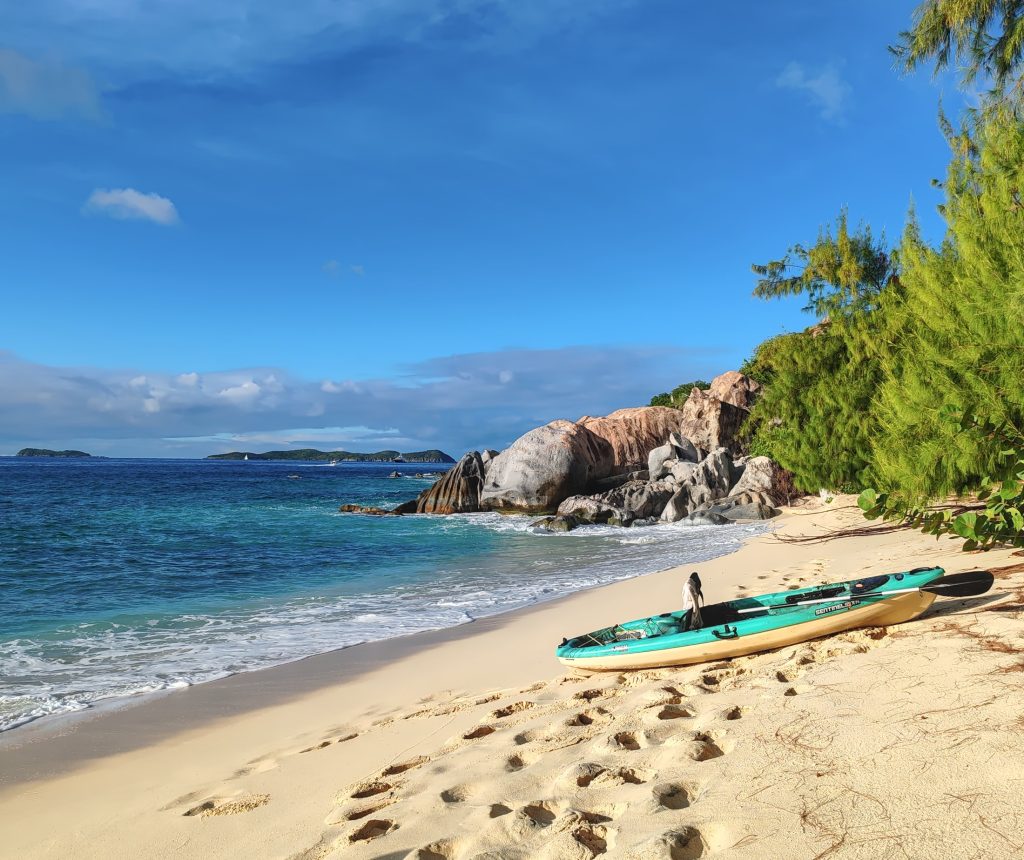
The nearest beach to our accommodation was Spring Bay Beach, which became an almost daily destination for us. In fact, we think this beach was the most stunning on the entire island — its scenery never got old. Soft white sand, the characteristic large granite boulders of Virgin Gorda, and spectacular sunsets.
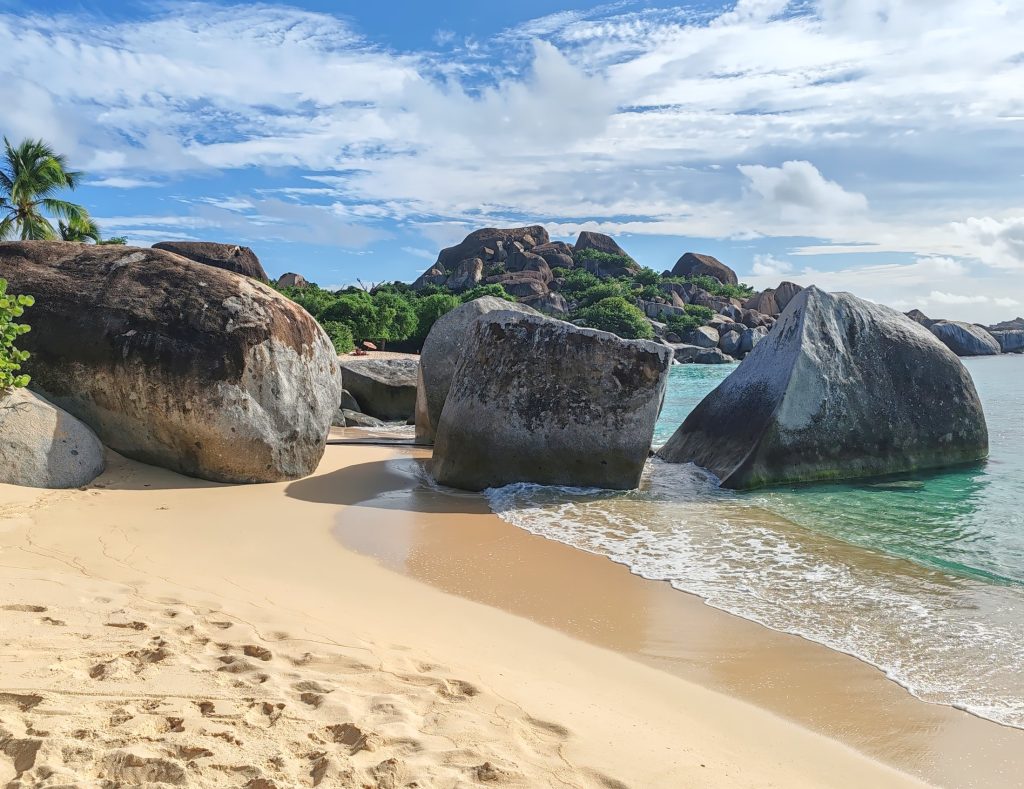
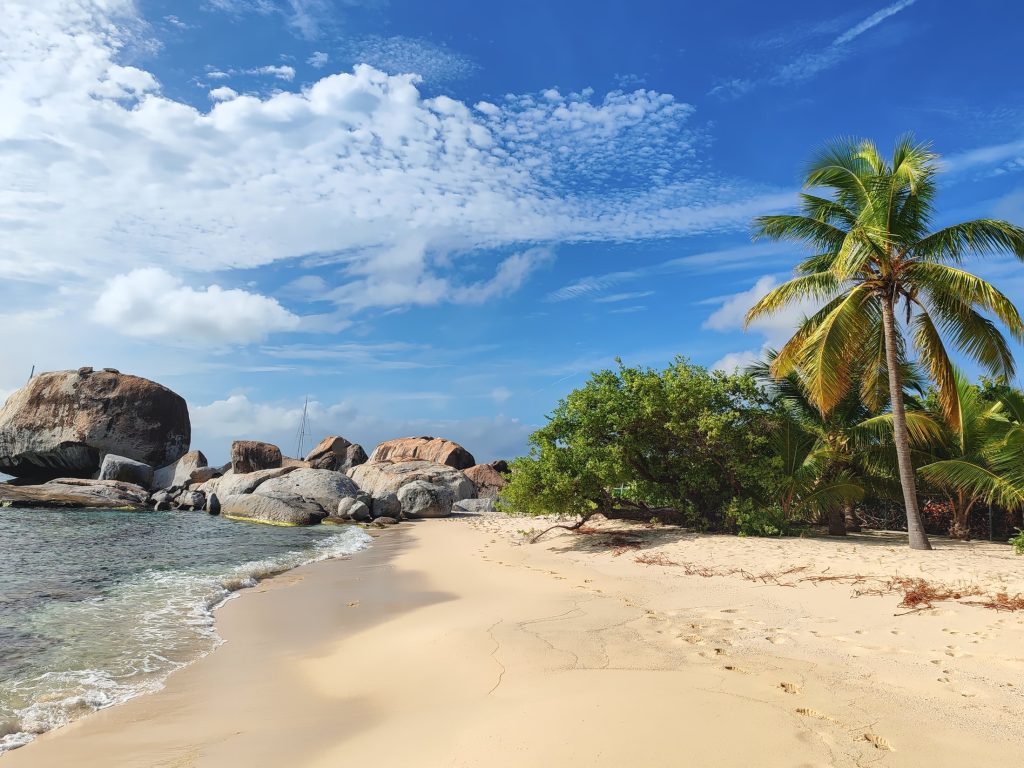
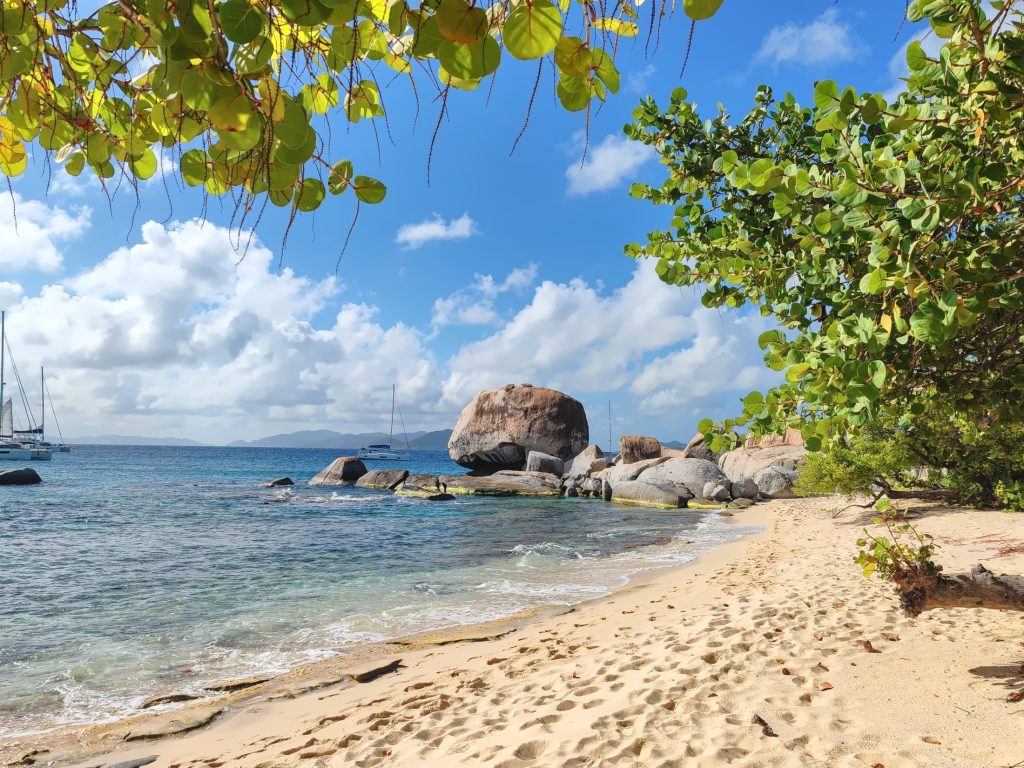
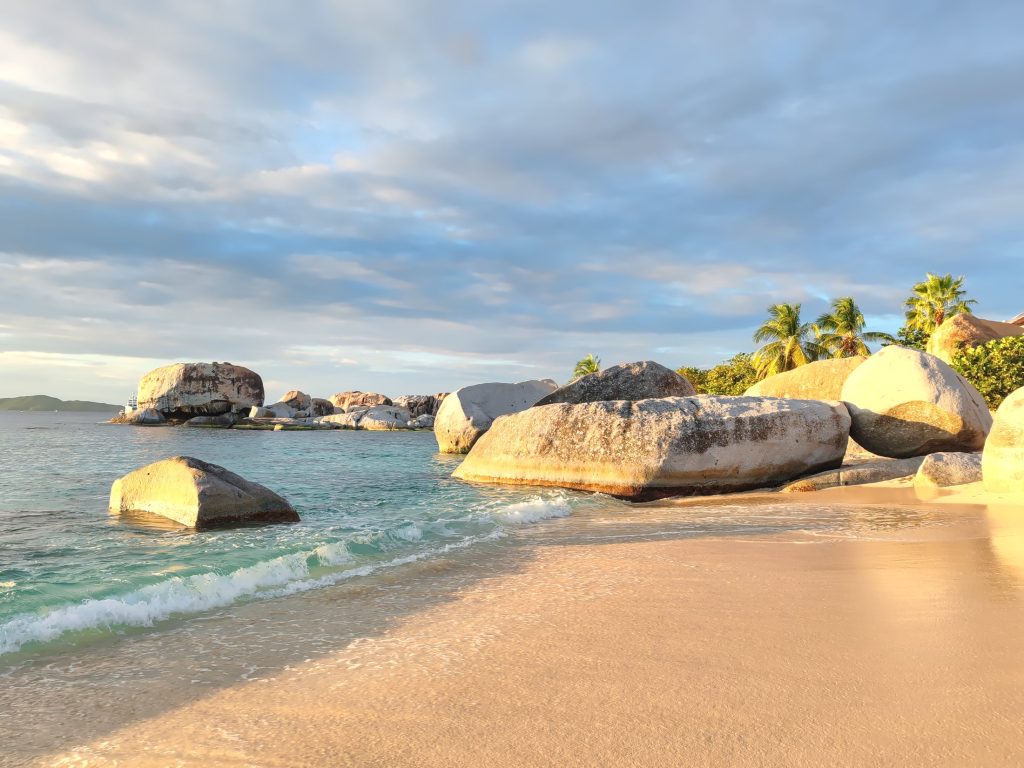
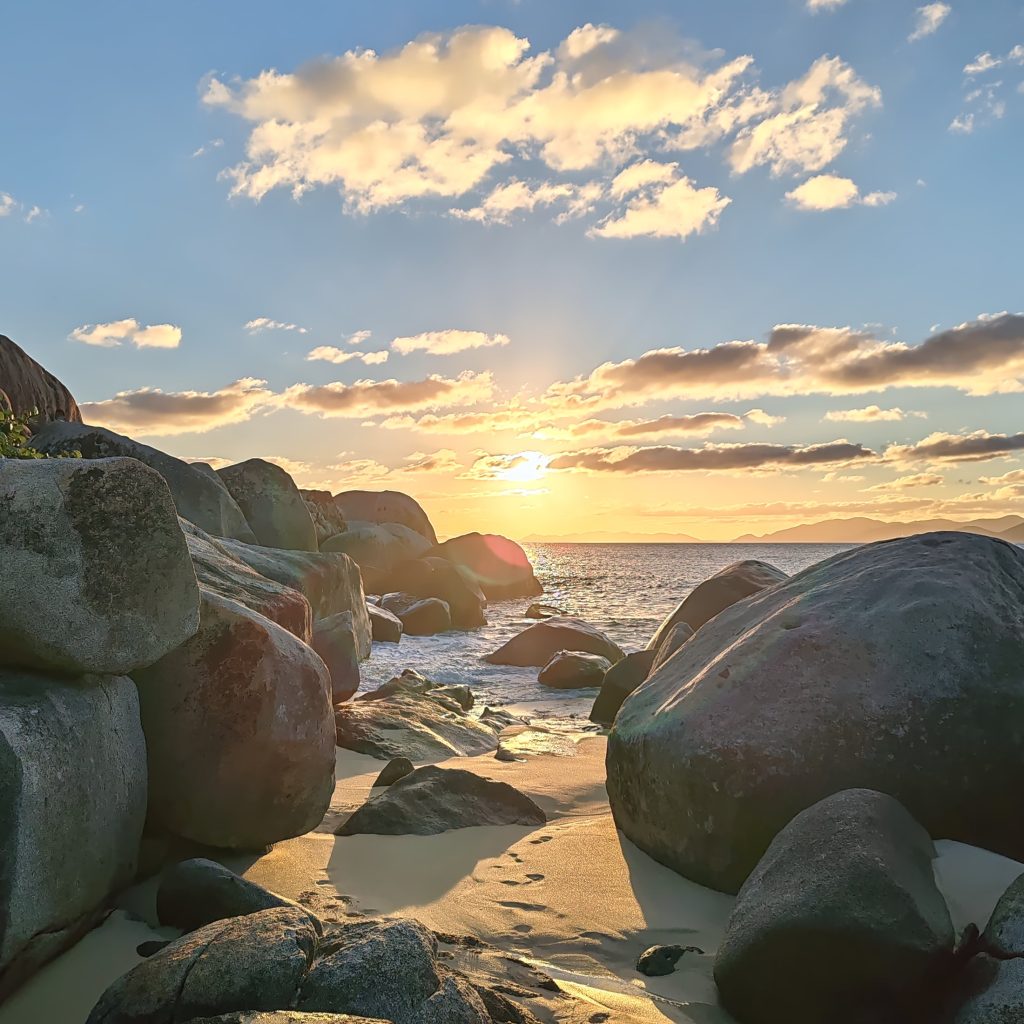
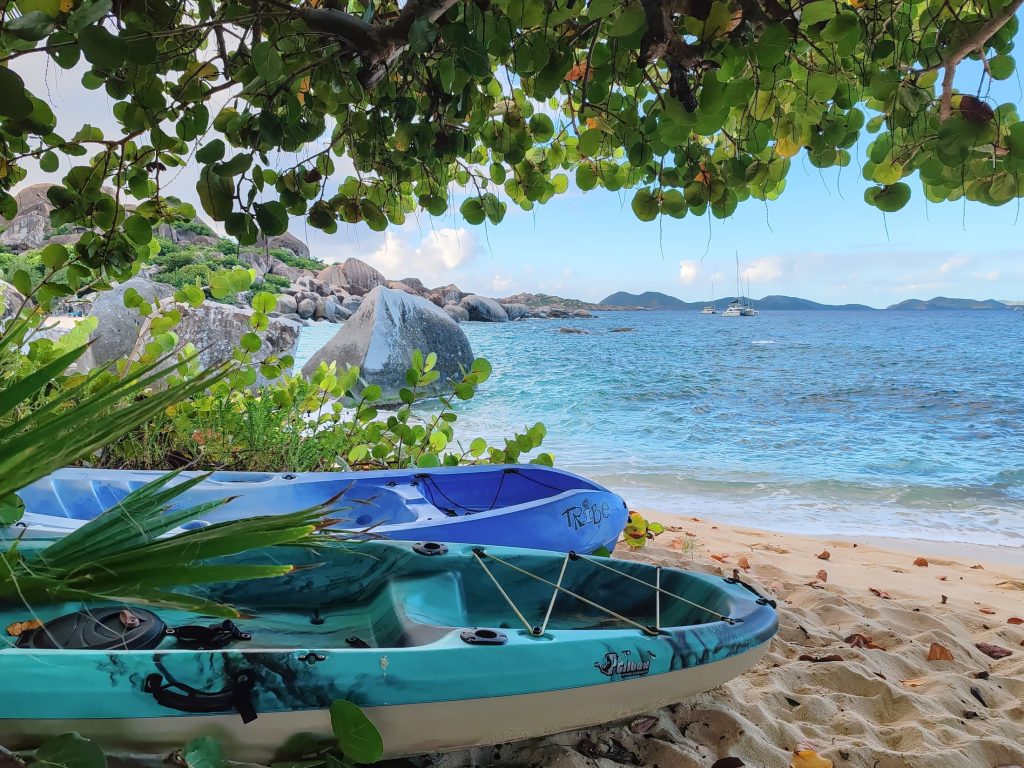
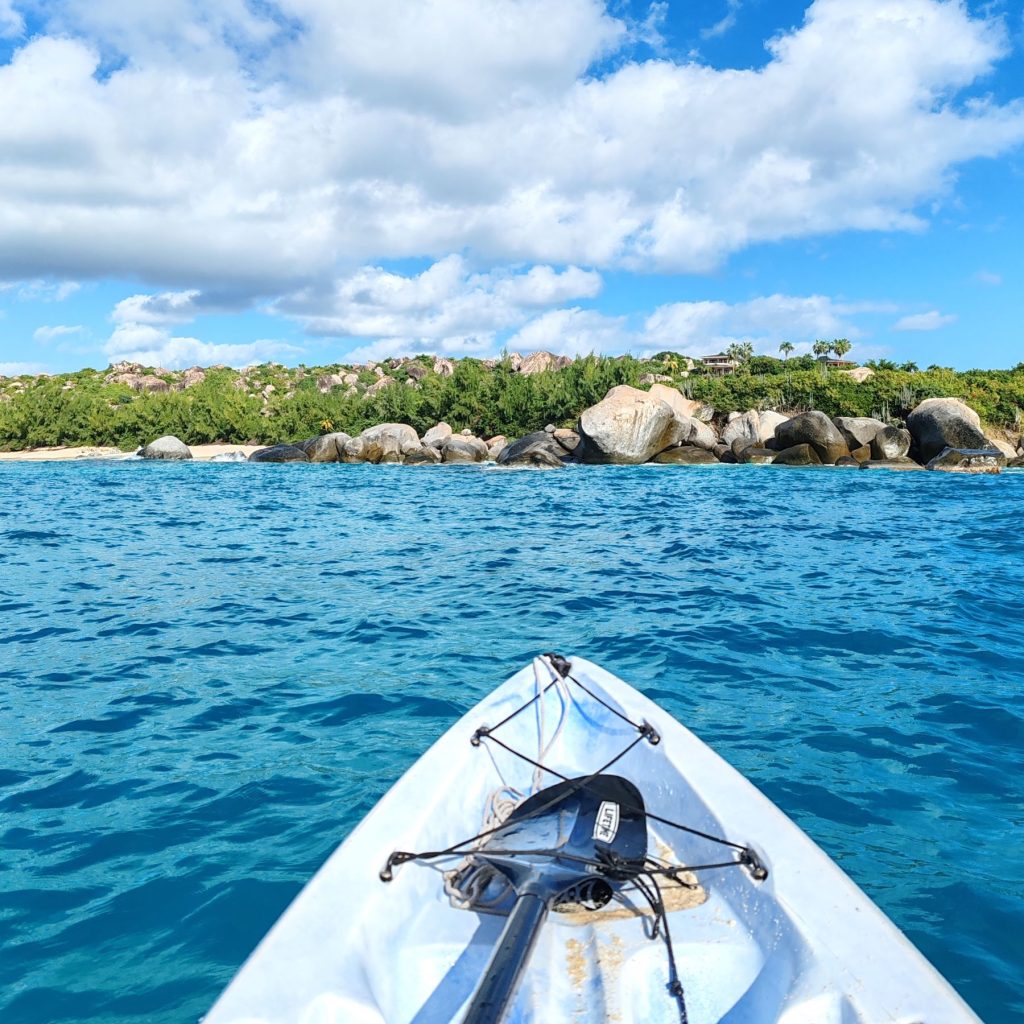
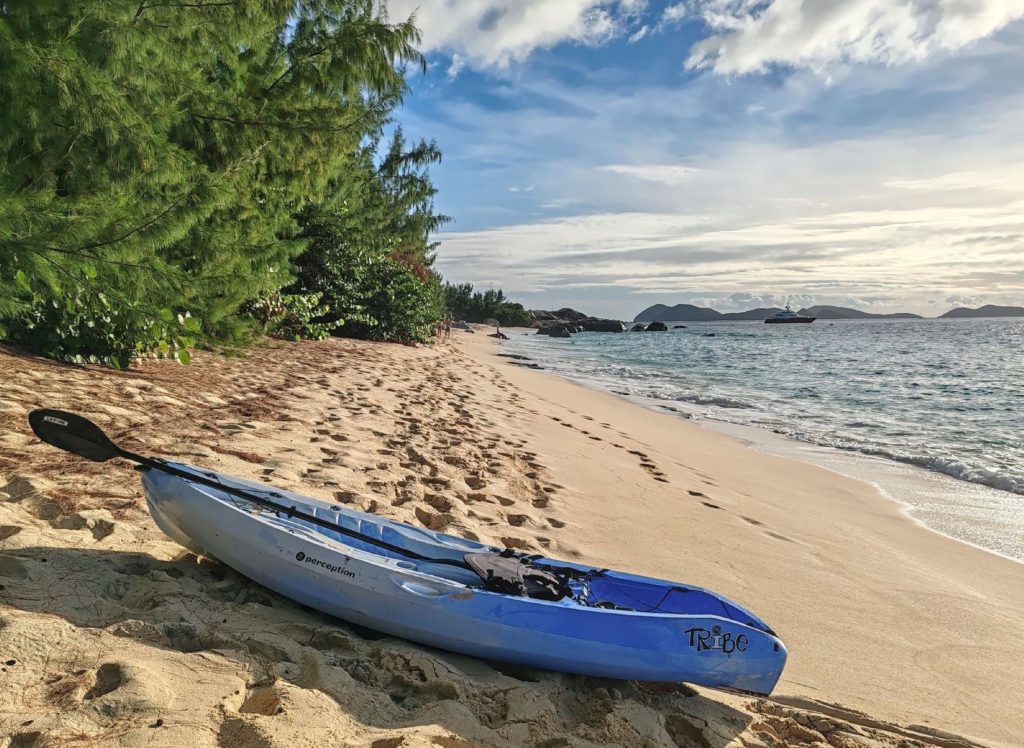
We also brought the kayaks to this beach and used them to explore the coastline whenever the sea was calm enough. We snorkeled from the shore here too and took evening walks along the beach with Bruno. This place left especially wonderful memories, even though the whole island of Virgin Gorda was stunning.
Nail Bay / Mountain Trunk Bay and Savannah Bay
Among Virgin Gorda’s other amazing open (and unserviced) beaches worth mentioning are the beaches in the Nail Bay area and the long Savannah Bay. We went to the gym at Nail Bay Sports Club several times a week — it’s located in truly stunning scenery on a hillside. After the gym we often jumped in for a swim from the nearby Mountain Trunk Bay Beach, where we frequently had the place to ourselves even though it’s insanely beautiful. Next to Nail Bay Sports Club there are also historic ruins — remnants of an old sugar mill.
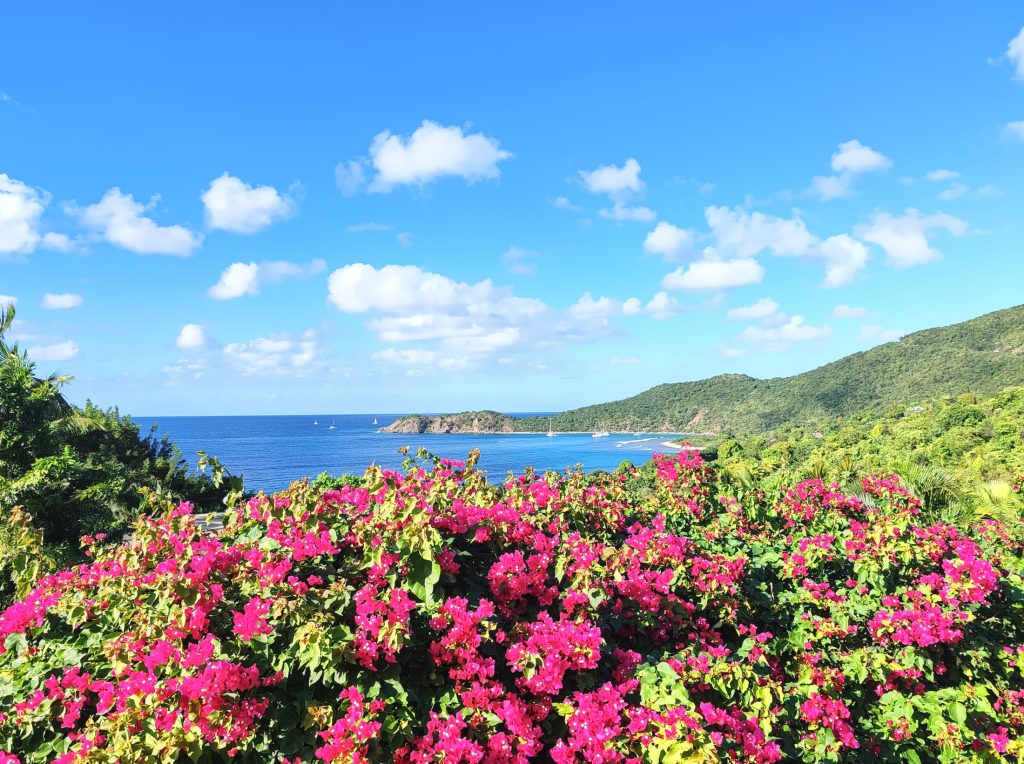
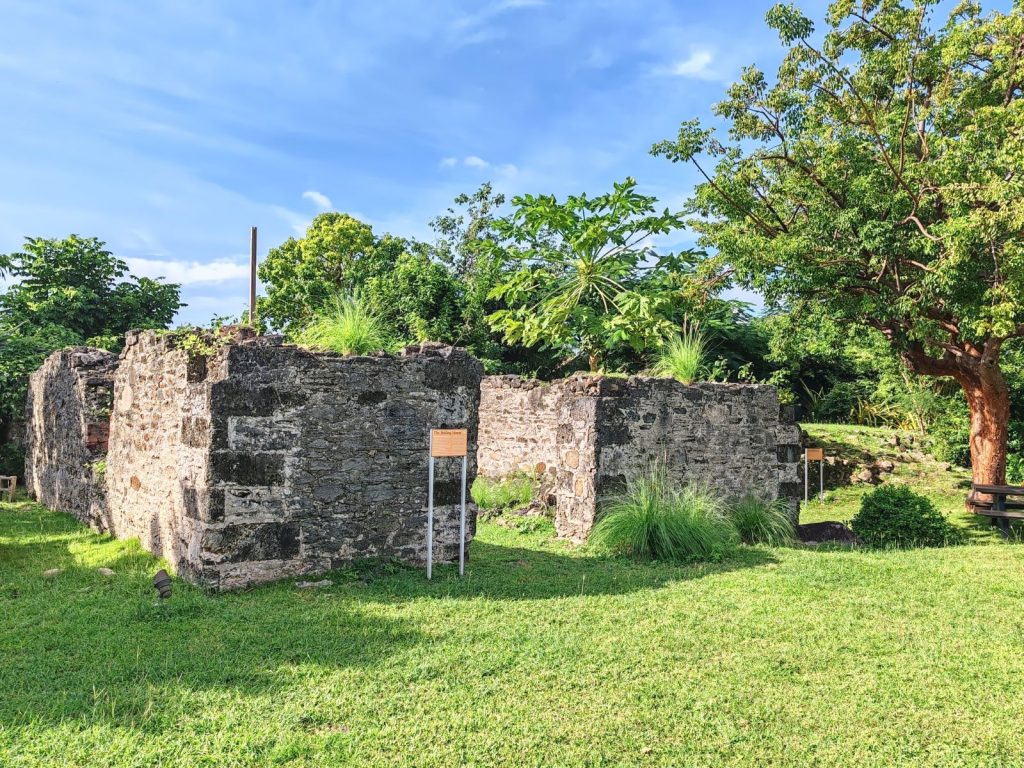
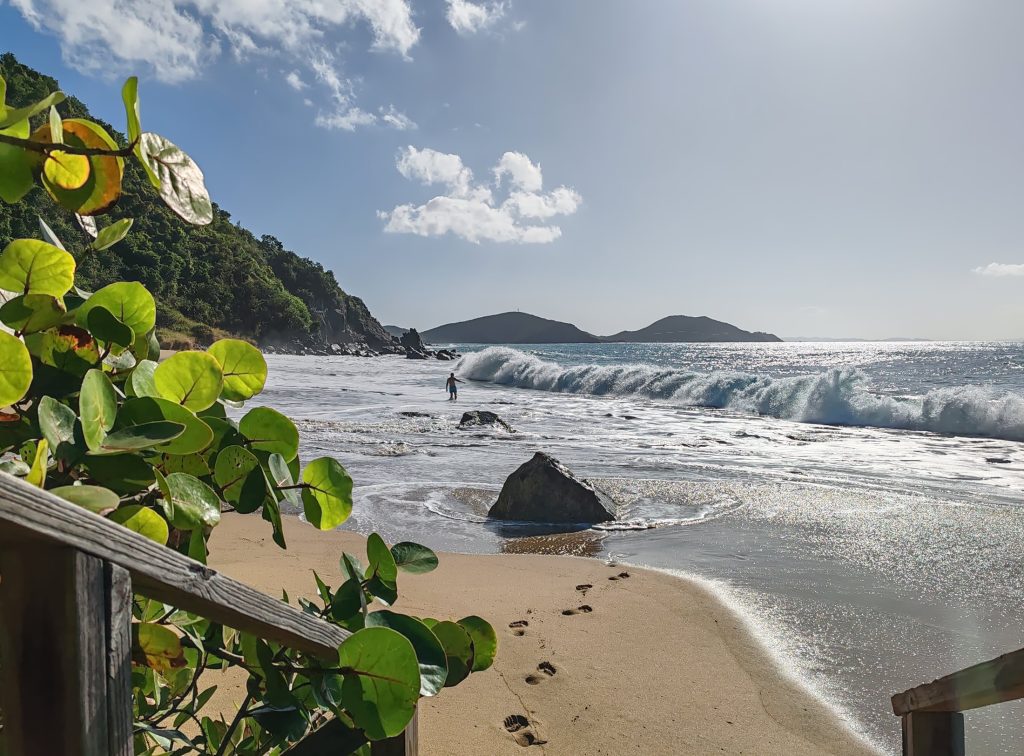
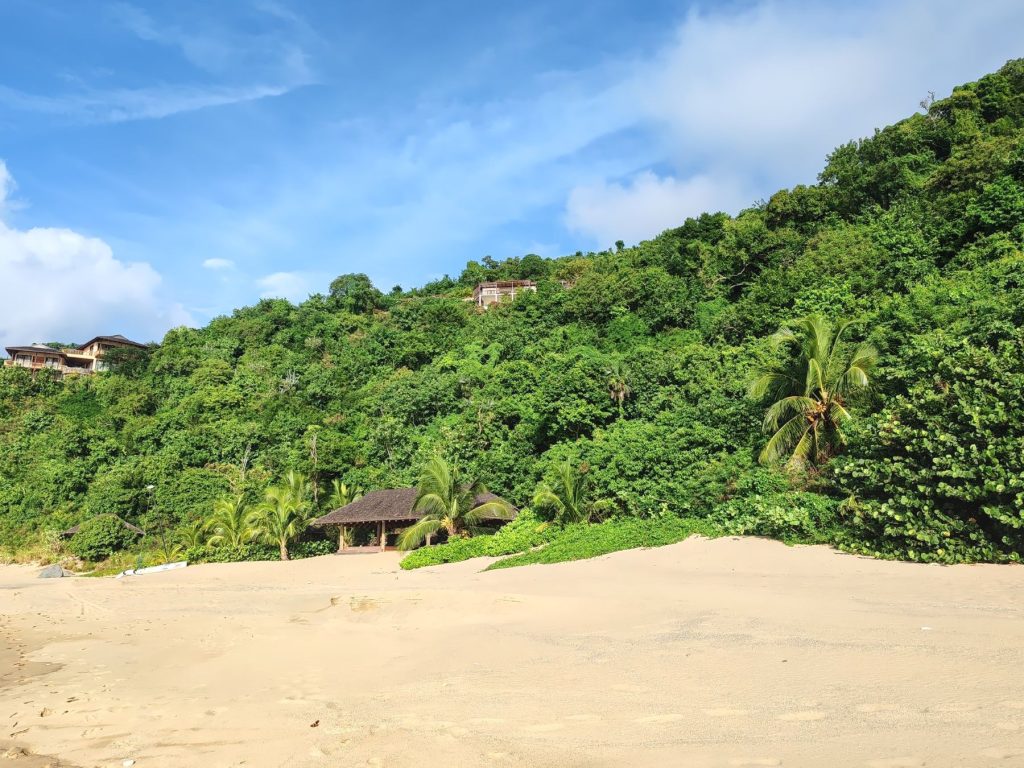
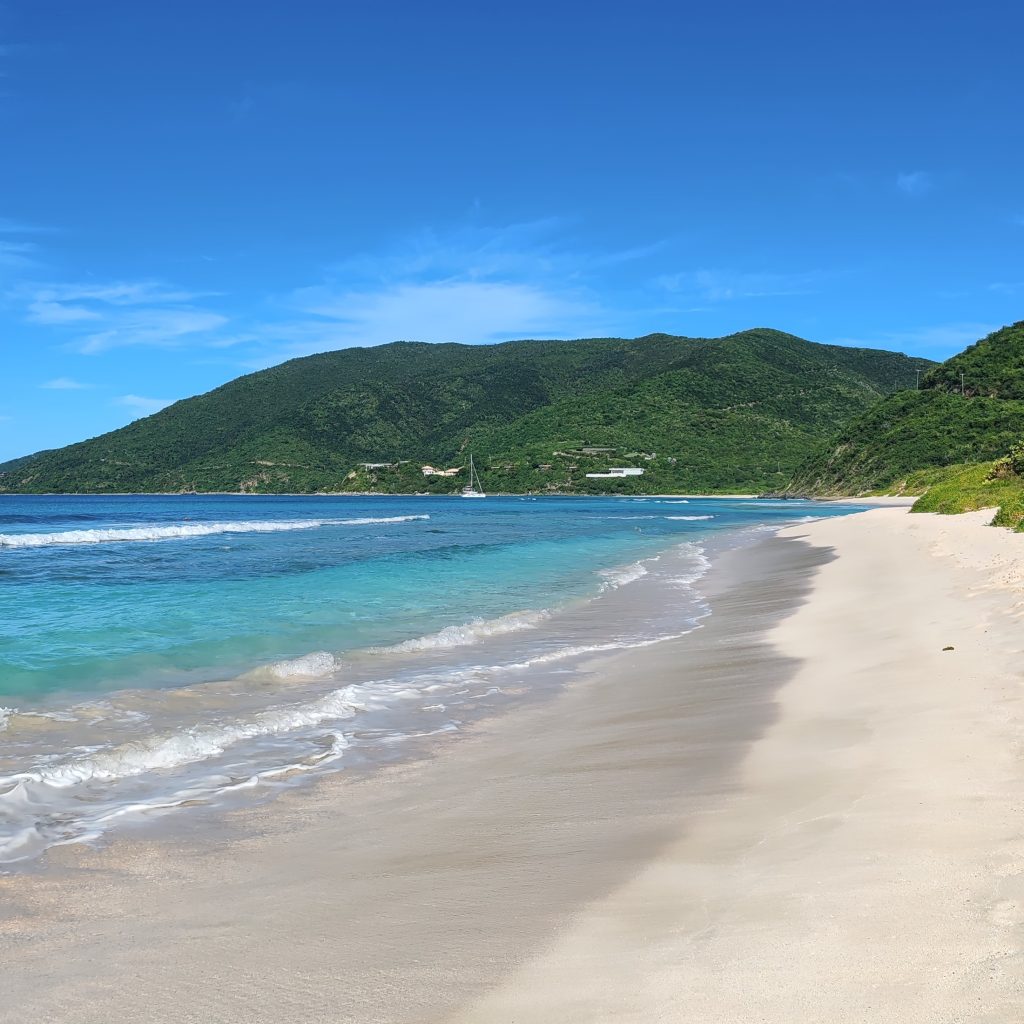
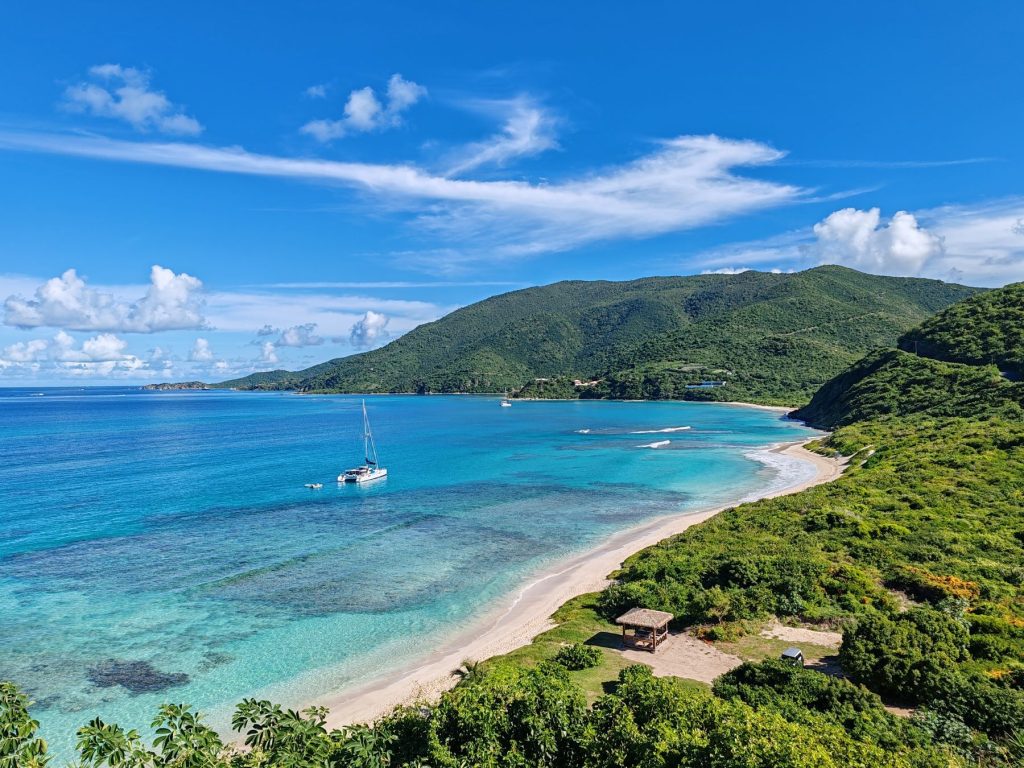
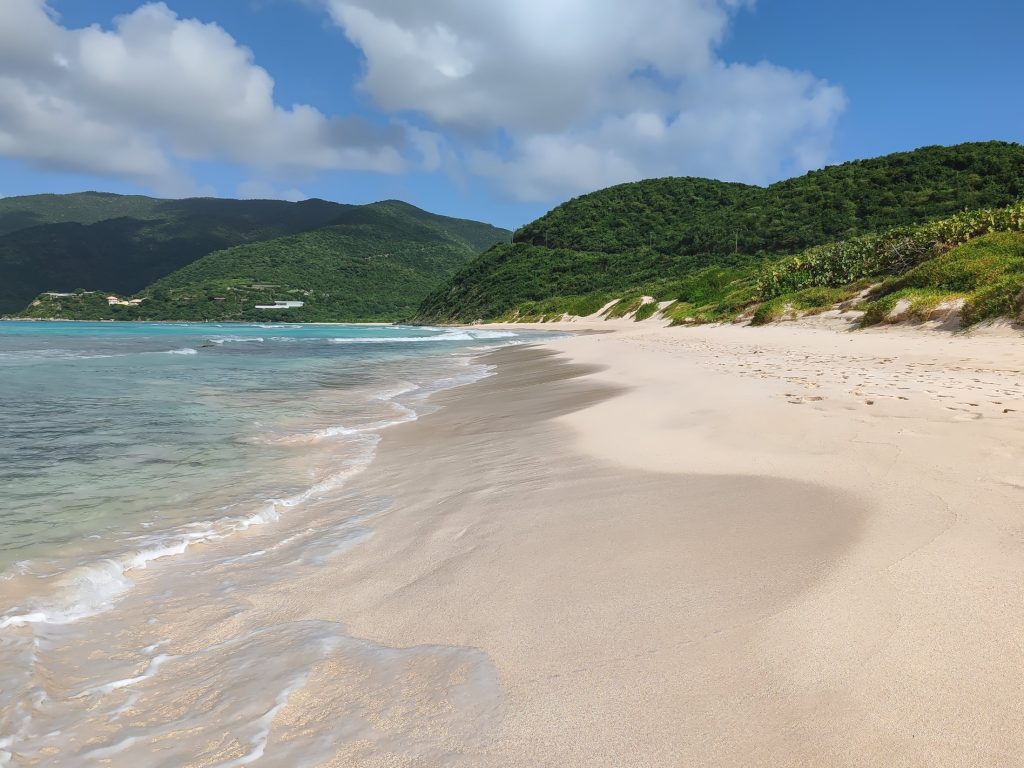
We drove past Savannah Bay Beach every time on the way to the gym, and it was impossible not to admire it every time — the road that follows the beach runs quite high in places due to steep slopes, and from the roadside there is a truly beautiful view over Savannah Bay. According to locals, this beach is one of Virgin Gorda’s most popular, but we didn’t see many people there either. The water is stunning turquoise, and together with the white sand and lush vegetation it forms a classic beautiful beach scene. The northern part of the beach is apparently also a turtle nesting area.
The Baths and Devil’s Bay, Virgin Gorda’s main attraction
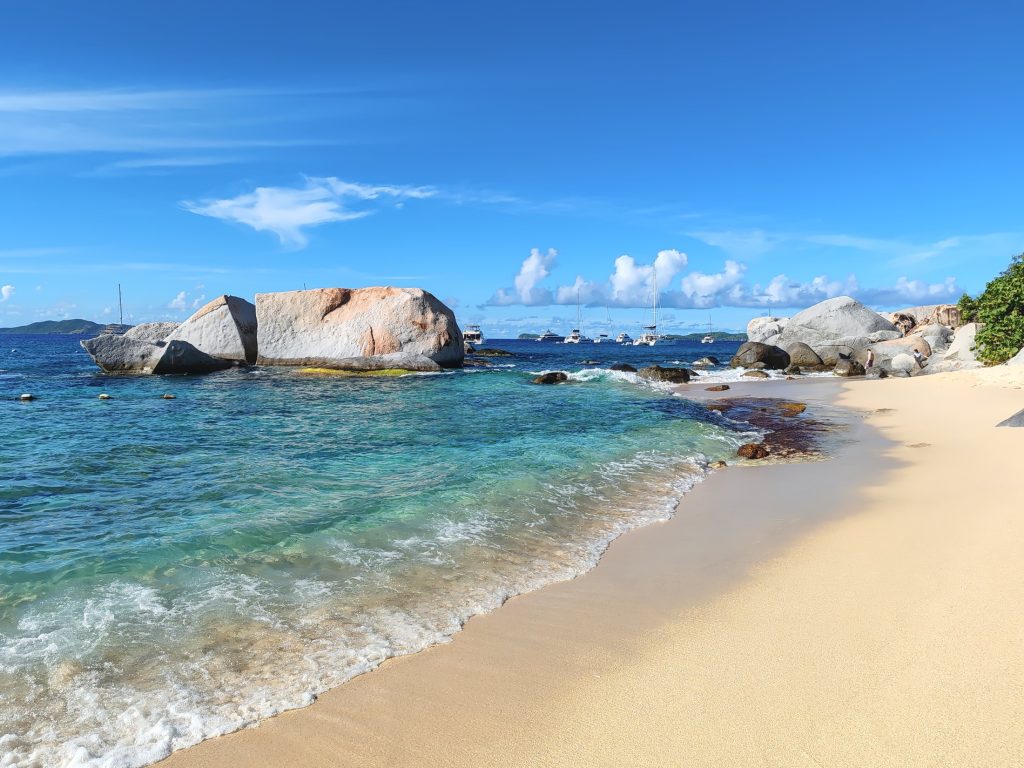
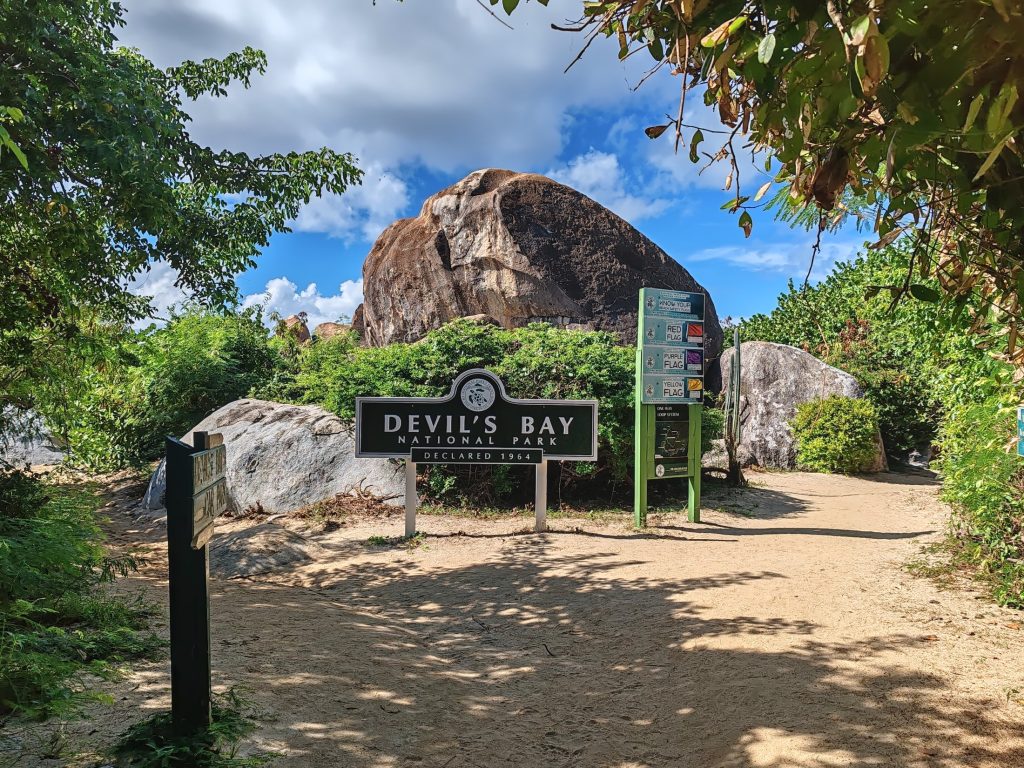
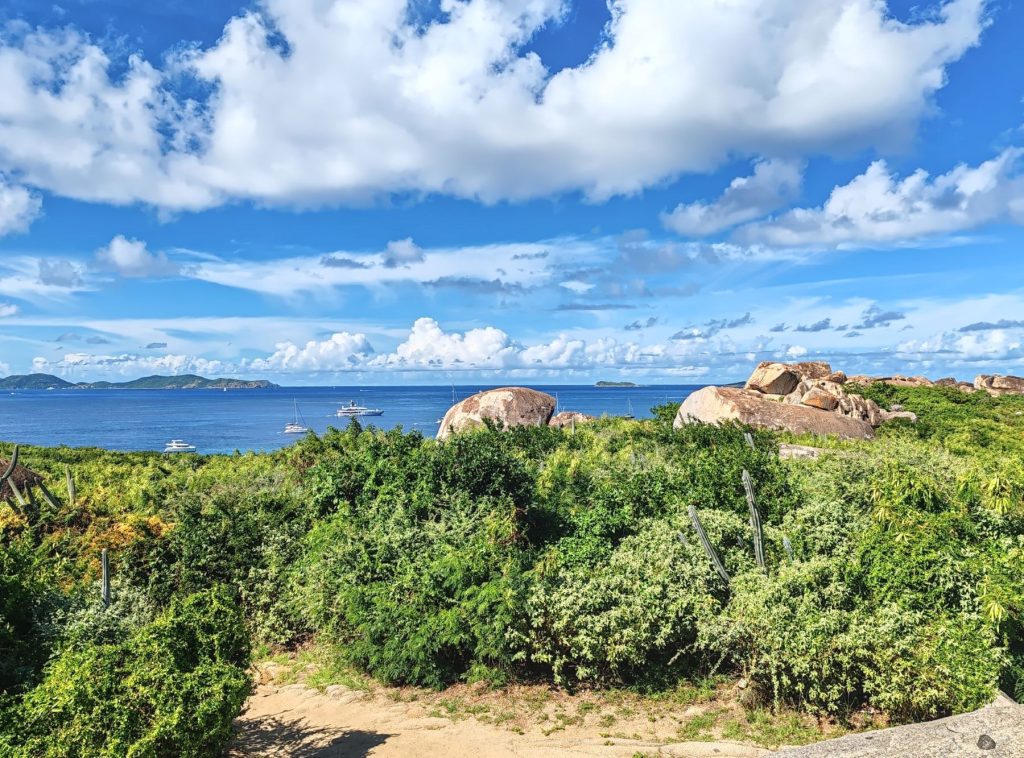
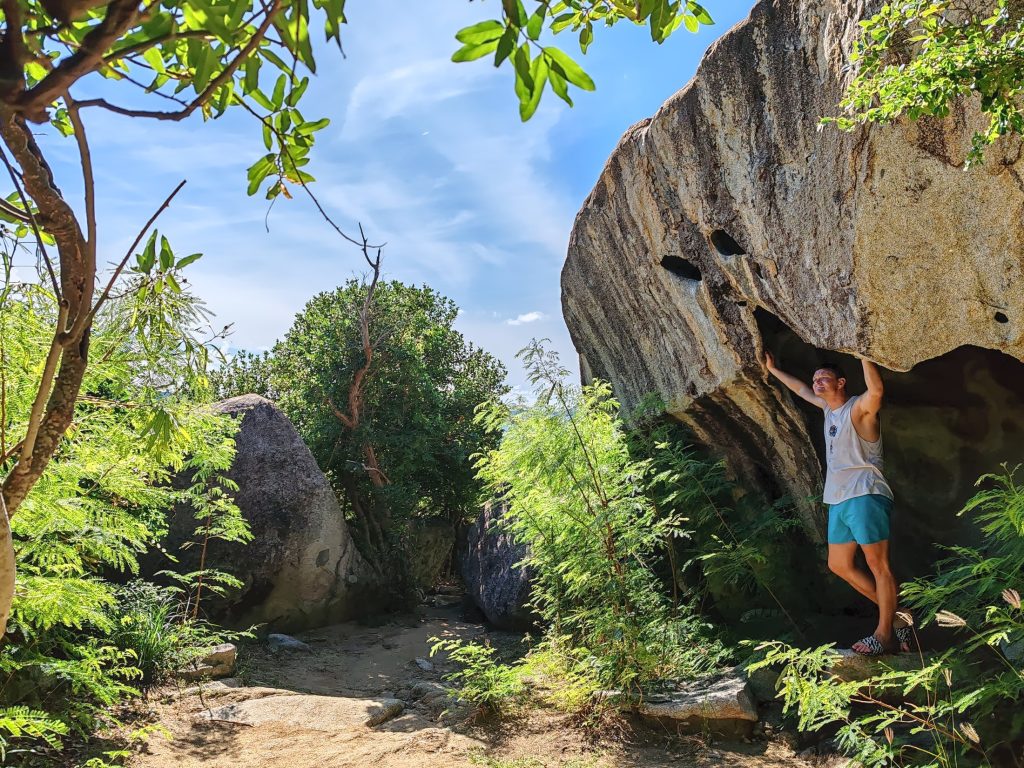
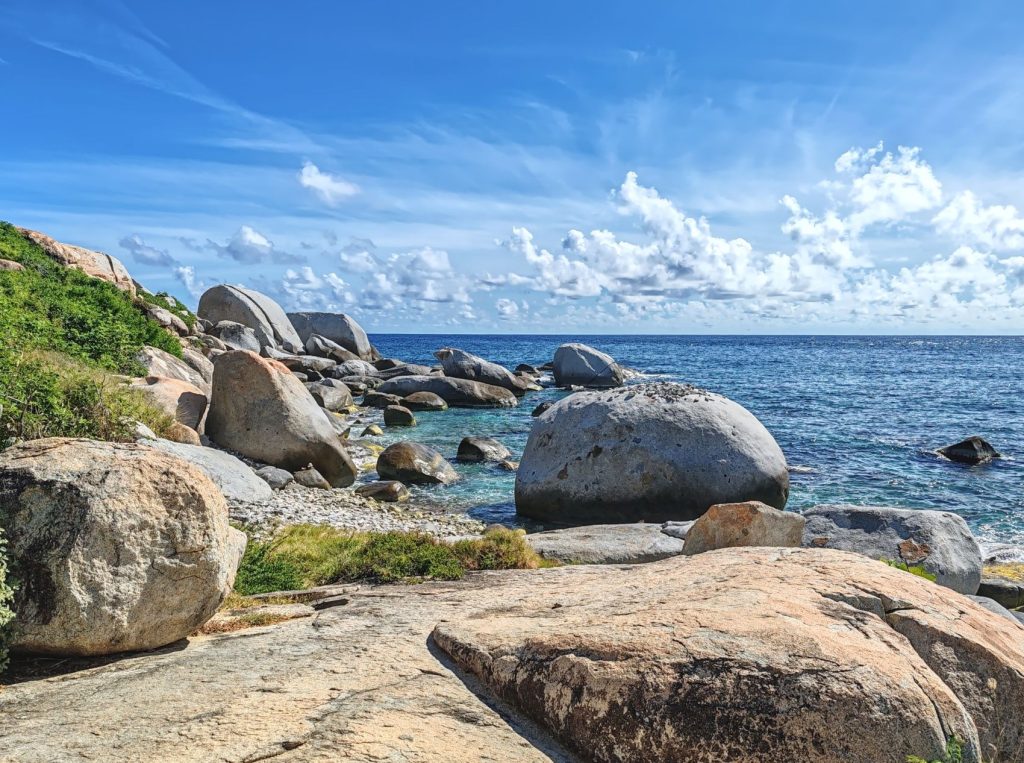
The previously mentioned beaches are, in our opinion, the most charming of Virgin Gorda’s open (and unserviced) beaches, but the most famous — and equally breathtaking — beaches are located right at the southern end of the island in the area called The Baths: a geologically very impressive beach zone. The Baths consist of dramatic granite boulders that form cave-like natural pools and narrow passages. The most striking part is the boulder field between The Baths beach and Devil’s Bay, which you can walk through along a path that sometimes goes over and under the rocks.
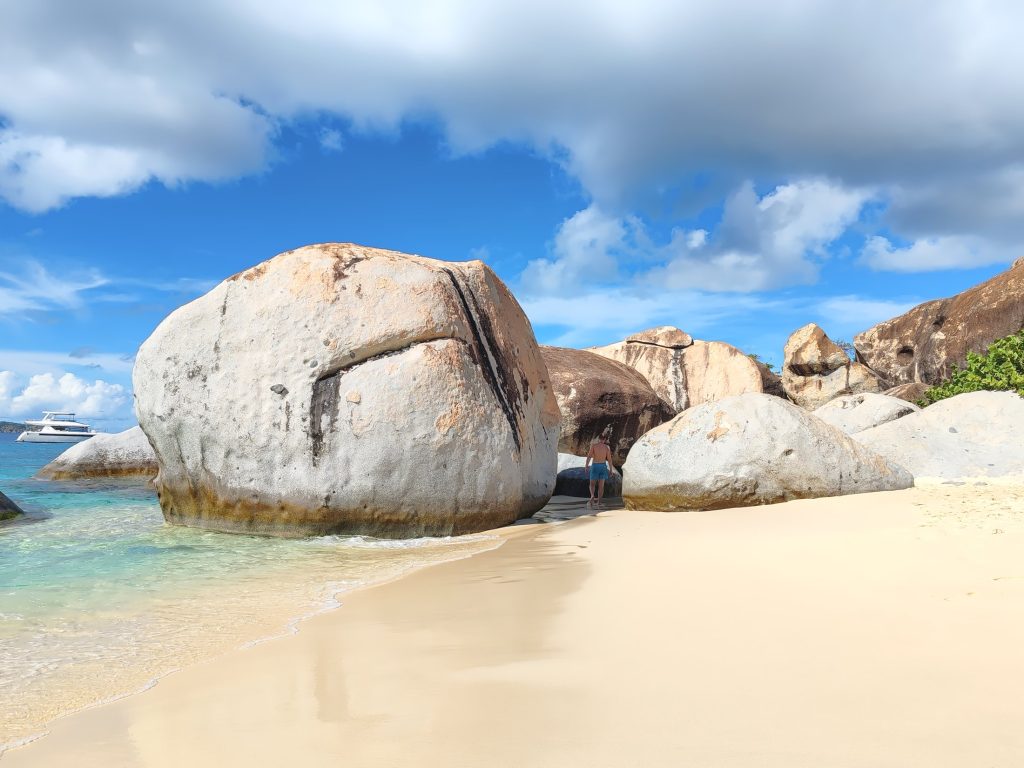
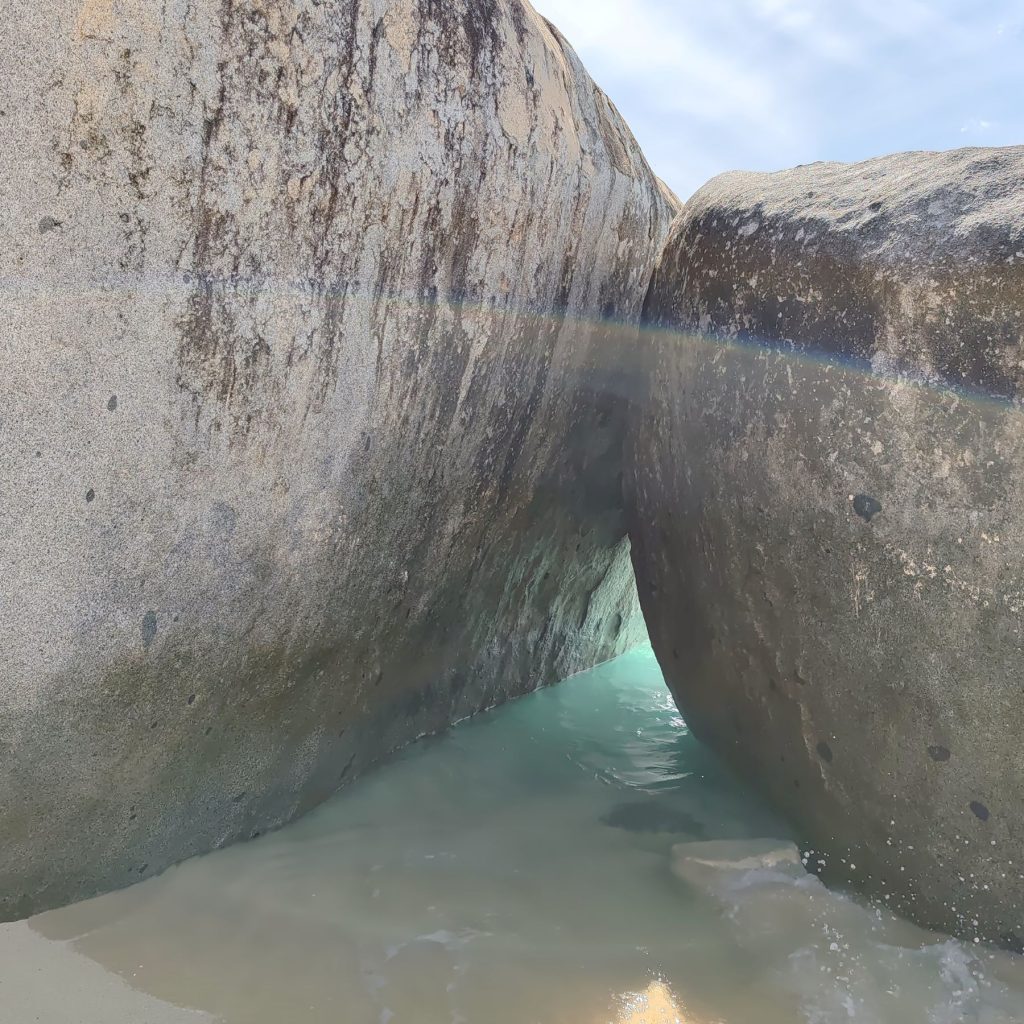
The Baths and Devil’s Bay National Park is rightfully Virgin Gorda’s most famous tourist attraction, and during high season cruise ship visitors are brought here almost daily in cute flatbed “taxis”. We headed to the area on a day when no cruise ship was visiting the islands, and we got to explore the beaches, boulder passages, snorkeling waters, and natural pools in complete peace. Despite its popularity and the island’s general high price level, the entrance fee to the area is very reasonable — only three dollars.
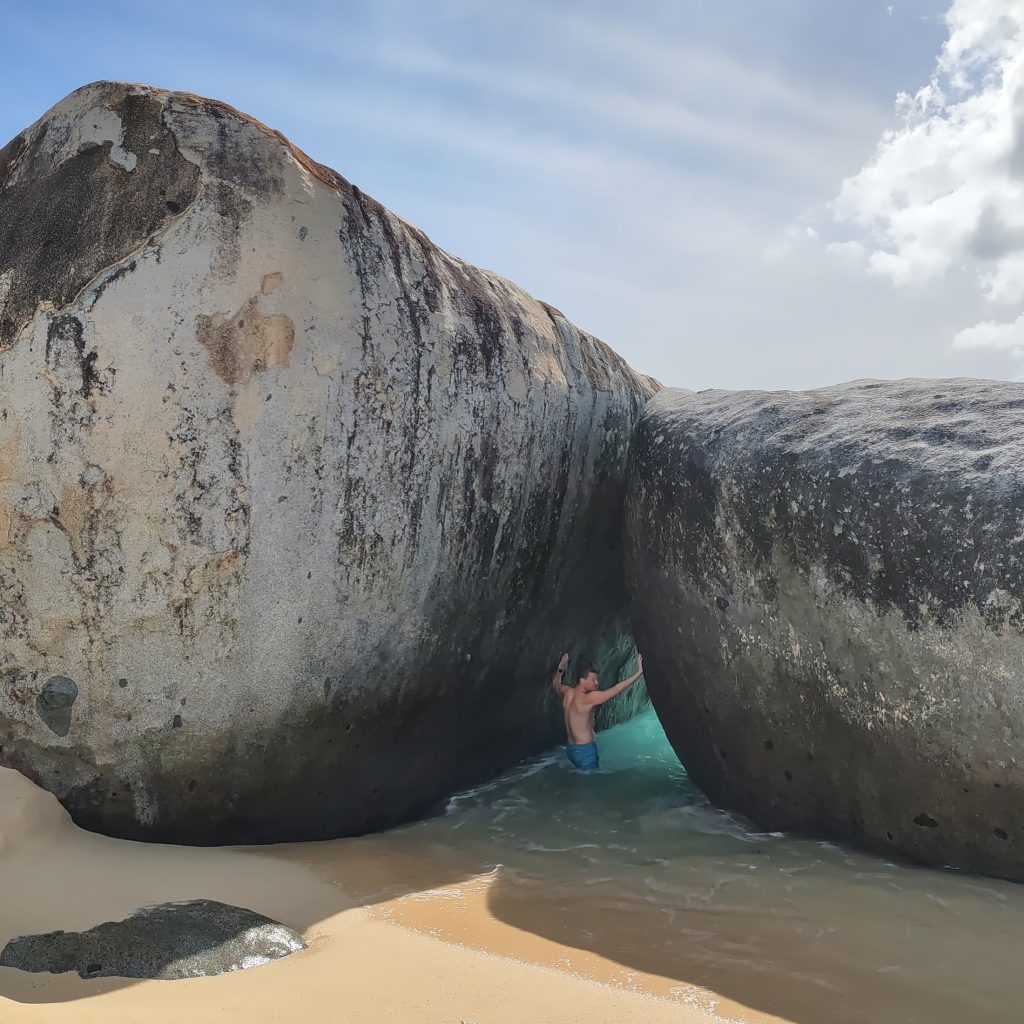
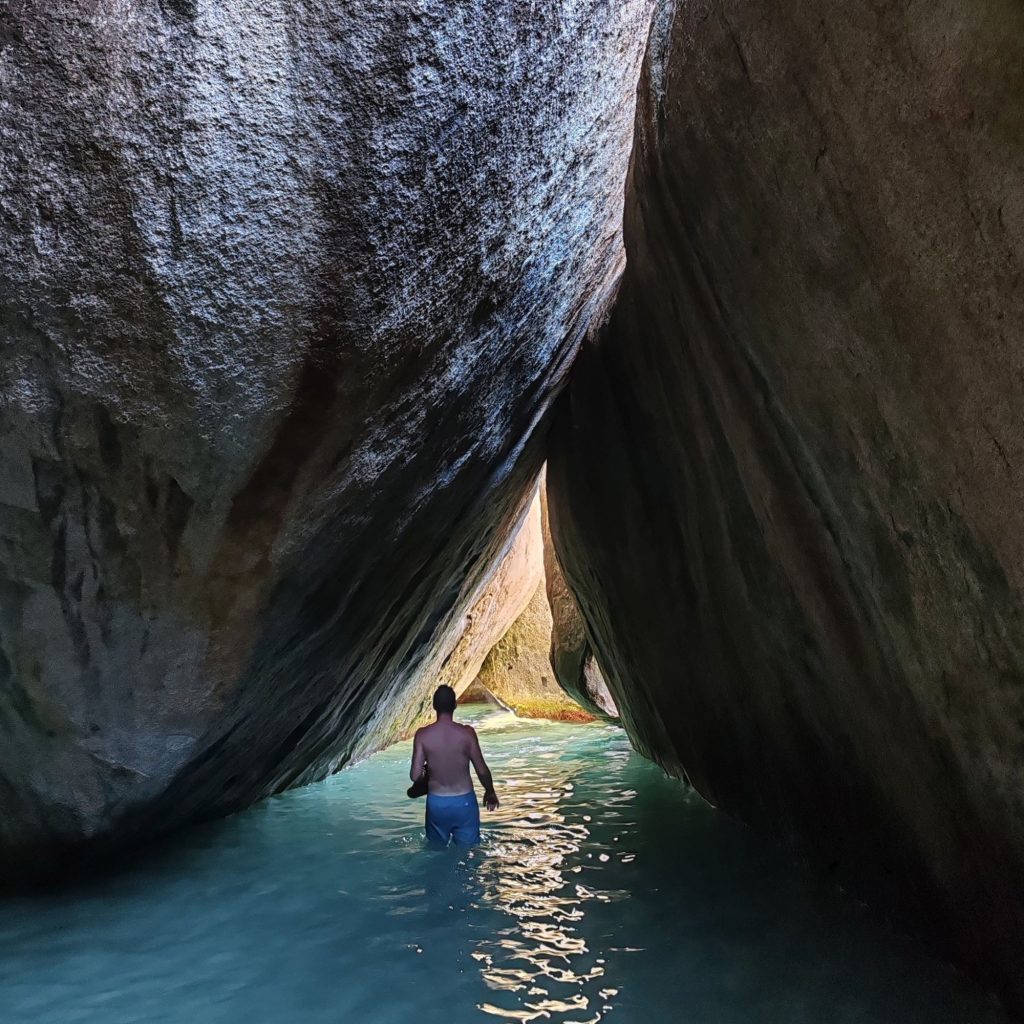
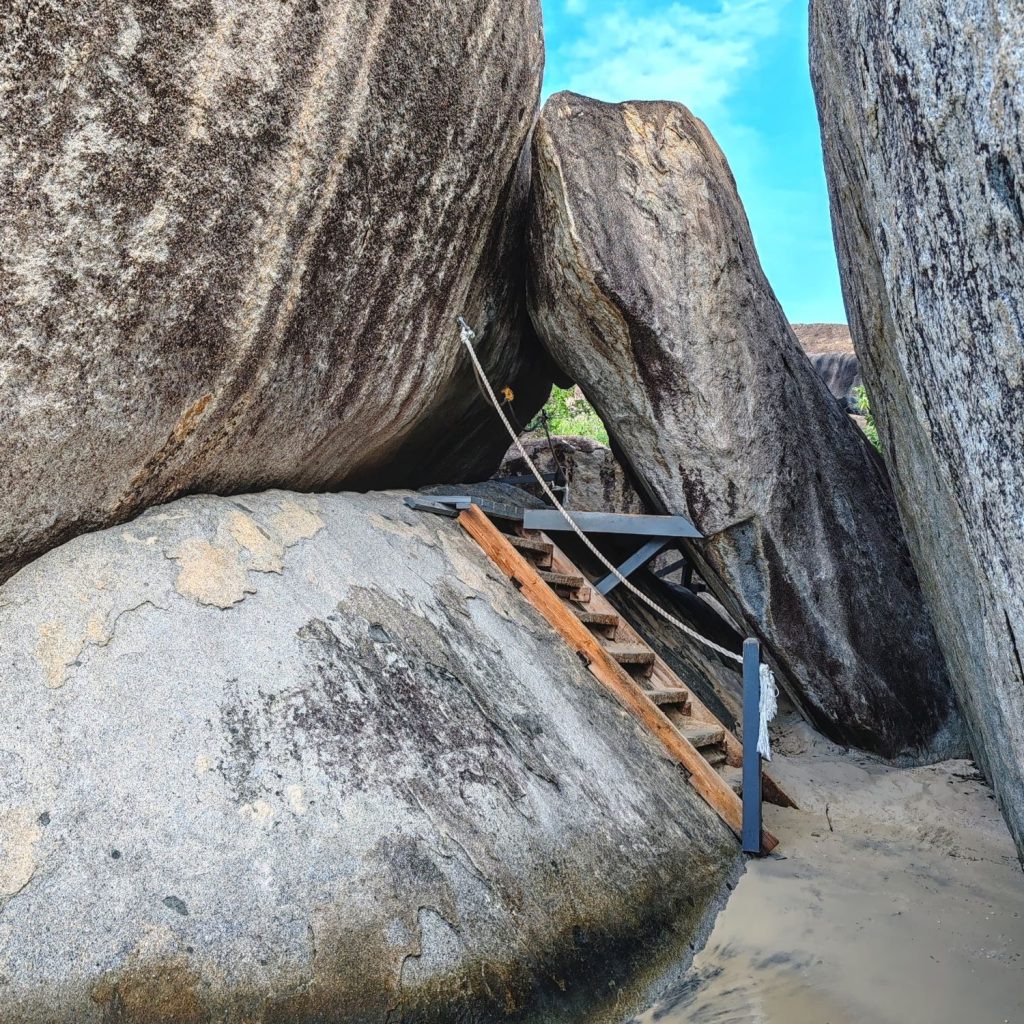
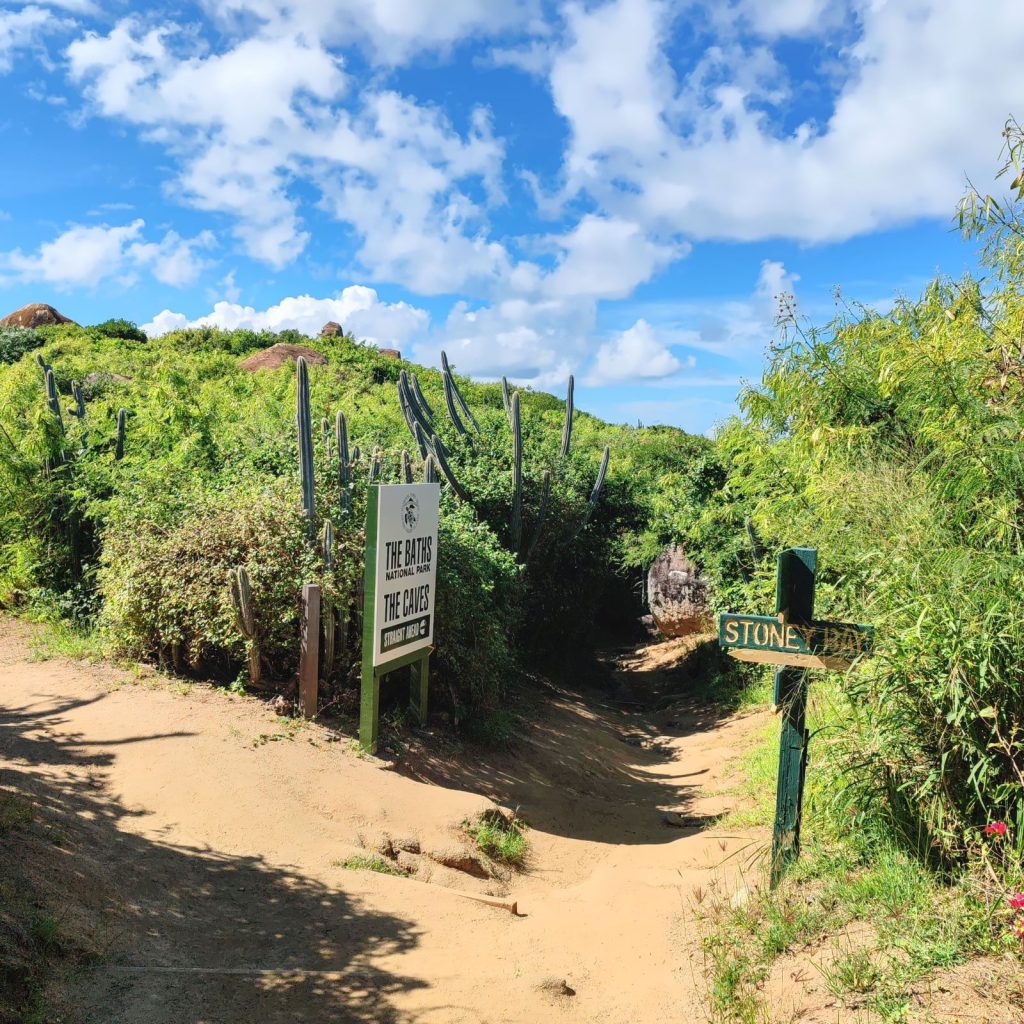
The visit to the national park starts at the visitor center in the Top of the Baths area, where there is the park’s ticket booth (tickets can also be bought online in advance). The recommended way to explore the whole area is to first walk the short nature trails that lead to Stoney Bay beach and the breathtakingly beautiful Devil’s Bay Beach, from where the actual granite boulder section and more adventurous path to The Baths beach begins.
Depending on the waves, you may get wet or even have to swim on parts of the path, and wading is required anyway, so the best outfit is a swimsuit with light clothing over it, plus water shoes or sandals that are good for walking. The boulder section could actually be walked barefoot too. Don’t forget sunscreen, a hat, and a water bottle!
Luxury yachts and lavish resorts in North Sound
We mainly stayed in the southern parts of Virgin Gorda and Nail Bay, but we made one day trip to the northern part, North Sound. This “secluded” area — reachable only by boat or helicopter — is known for private islands, luxury resorts, celebrity superyachts, and other expensive boats. Ordinary visitors can still explore the area and, of course, stay in the resorts if desired. There are a few restaurants open to the public in North Sound, reached by free boats from Gun Creek harbor.
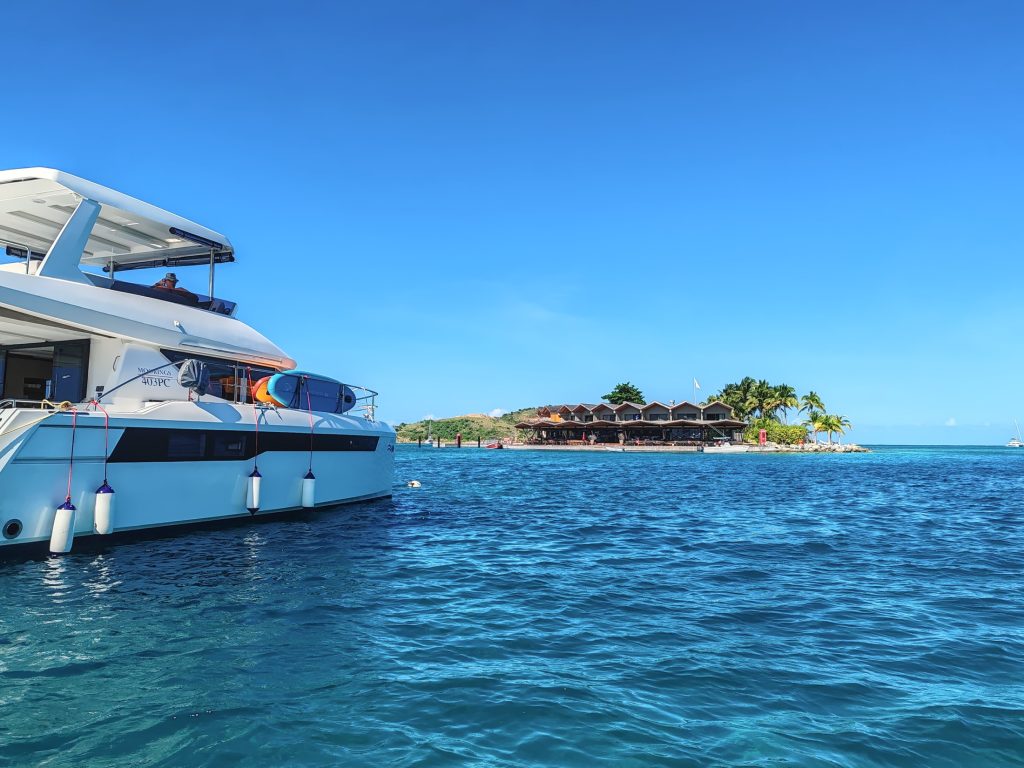
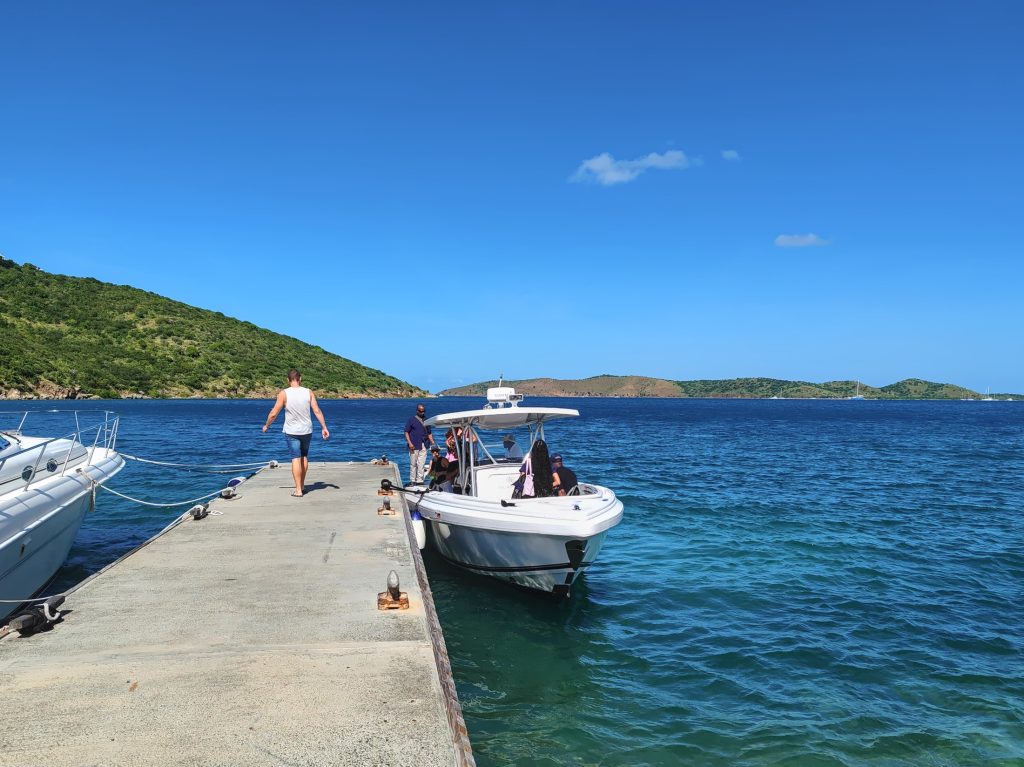
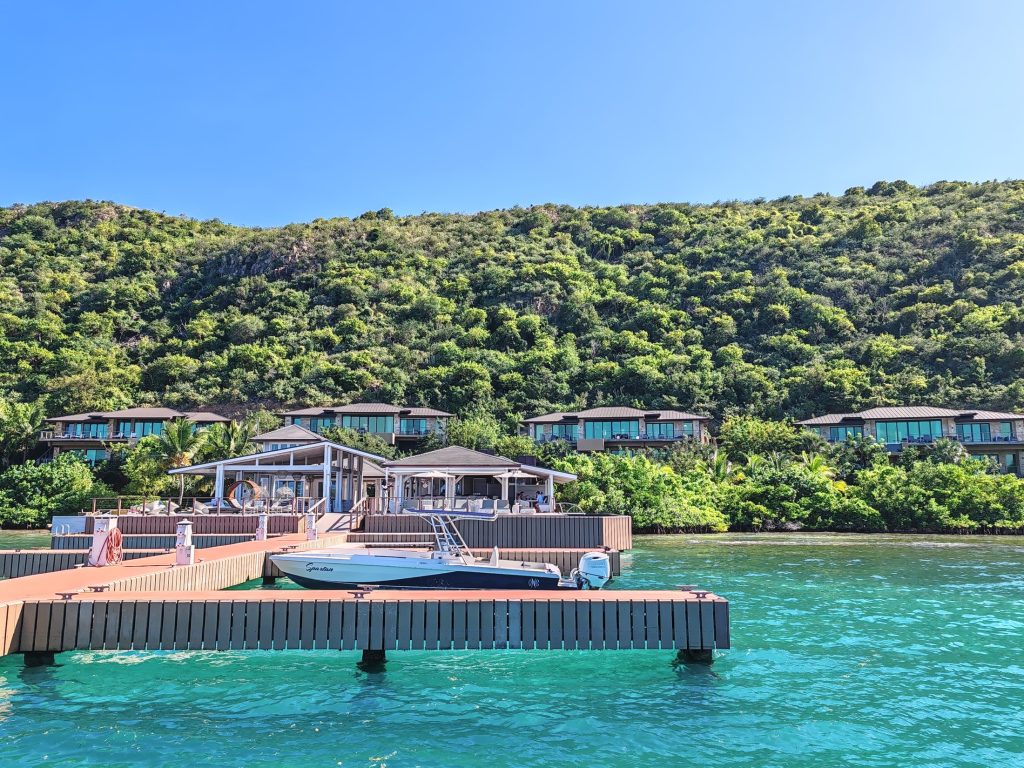
Among the best-known islands in North Sound is probably Necker Island, the private island of Virgin Group founder Sir Richard Branson, which has an apparently luxurious resort. The same person now also owns another island in the area, Moskito Island. We first took a boat to Nova Resort on the main island and walked around the area until a security person came to tell us that one isn’t really supposed to wander there independently — the idea is apparently to come only to use the restaurant or resort services.
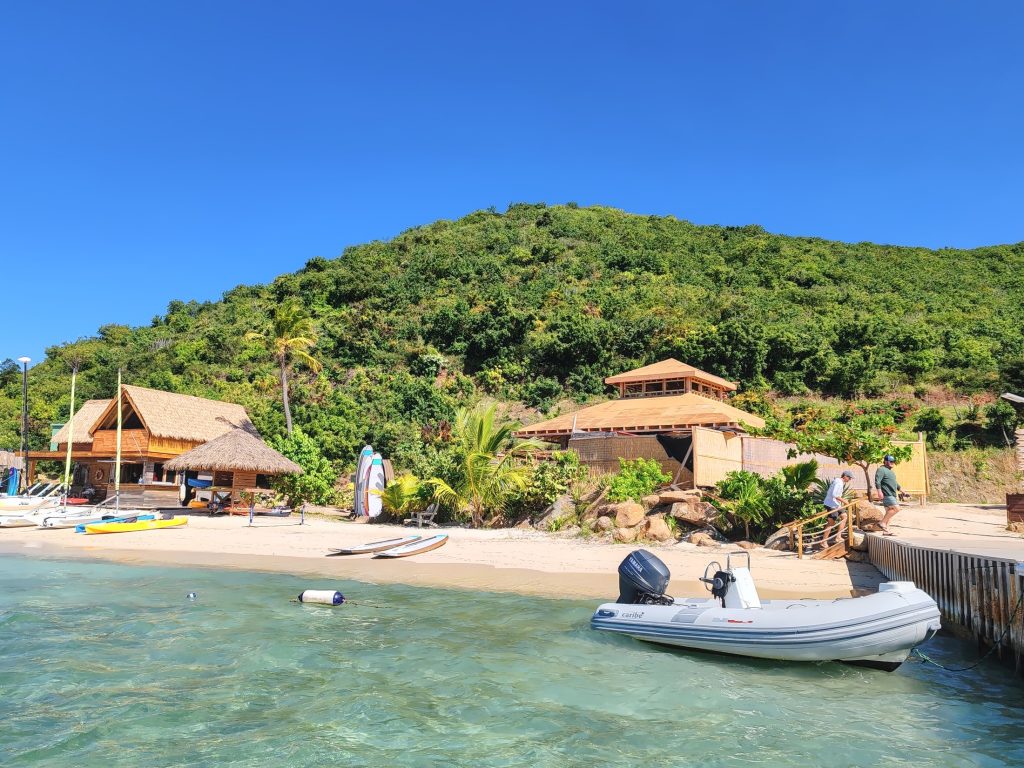
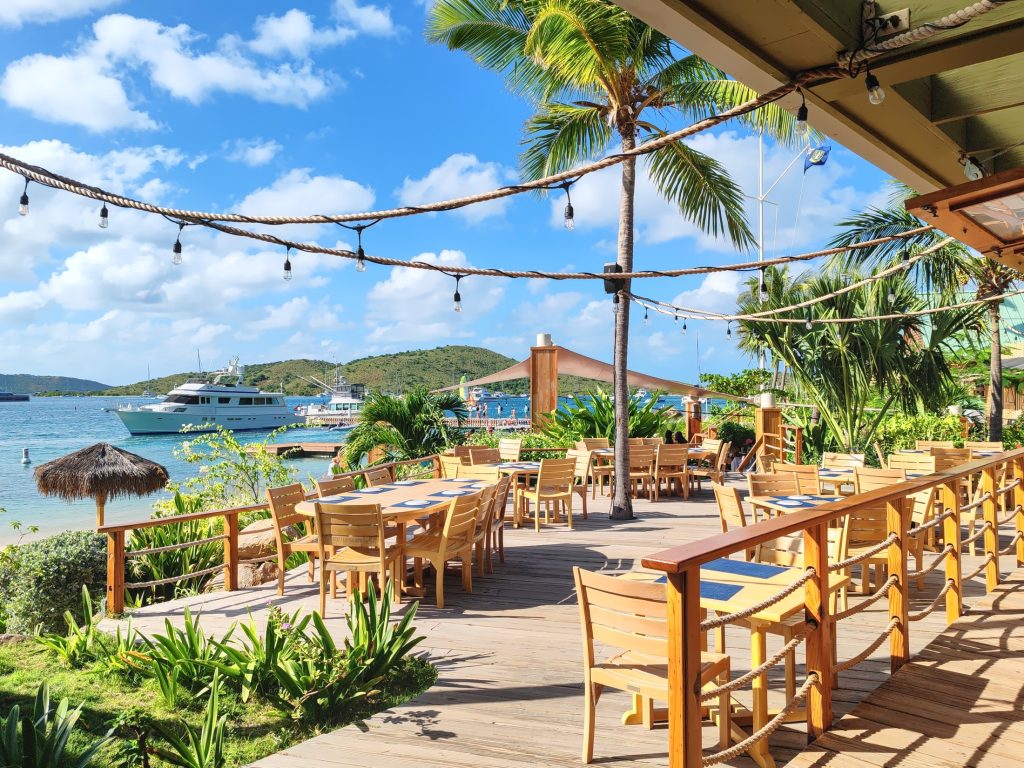
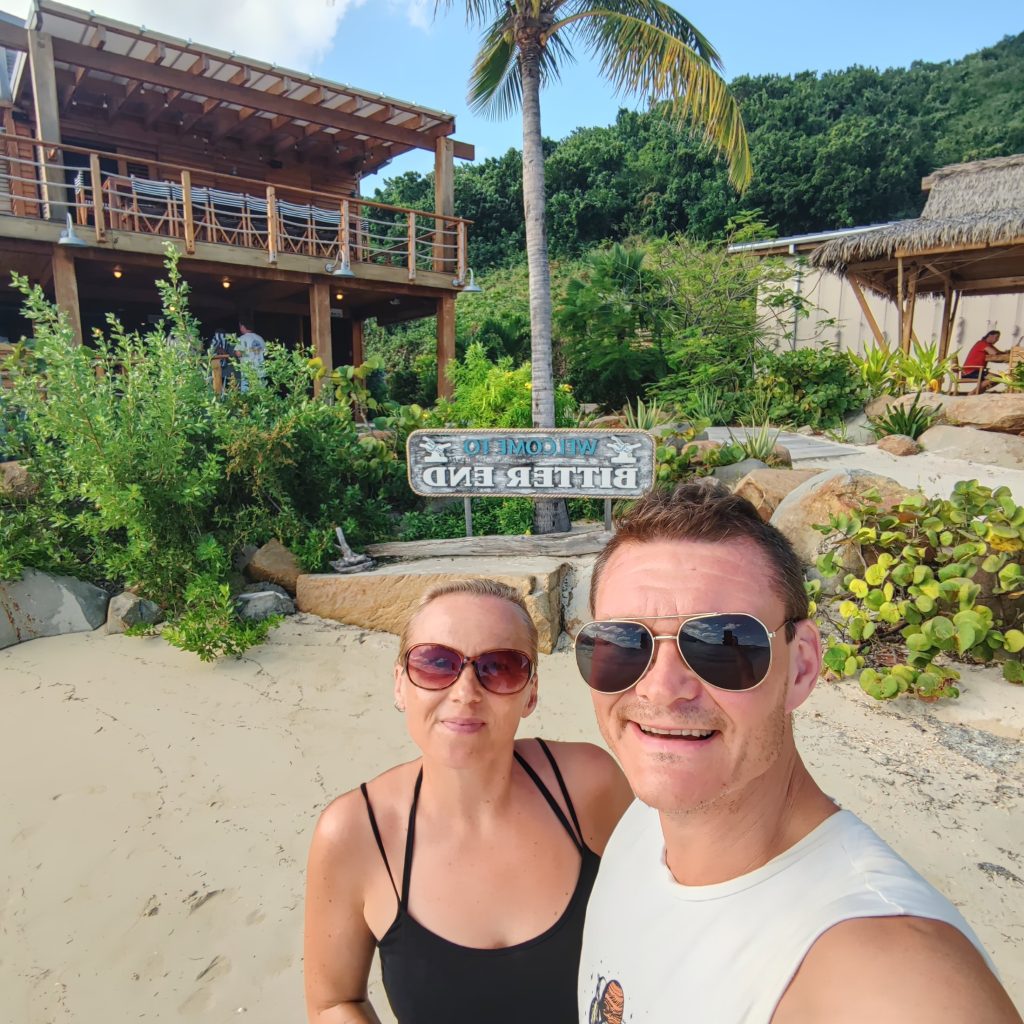
We apologized and moved on by boat to the nearby Bitter End Yacht Club, a slightly larger resort, marina, and water sports area (which we had originally intended to walk to from Nova). Beautiful places where you can enjoy, for example, a slightly fancier dinner. The atmosphere at Bitter End was quite relaxed though.
How to get to the British Virgin Islands and what does it cost?
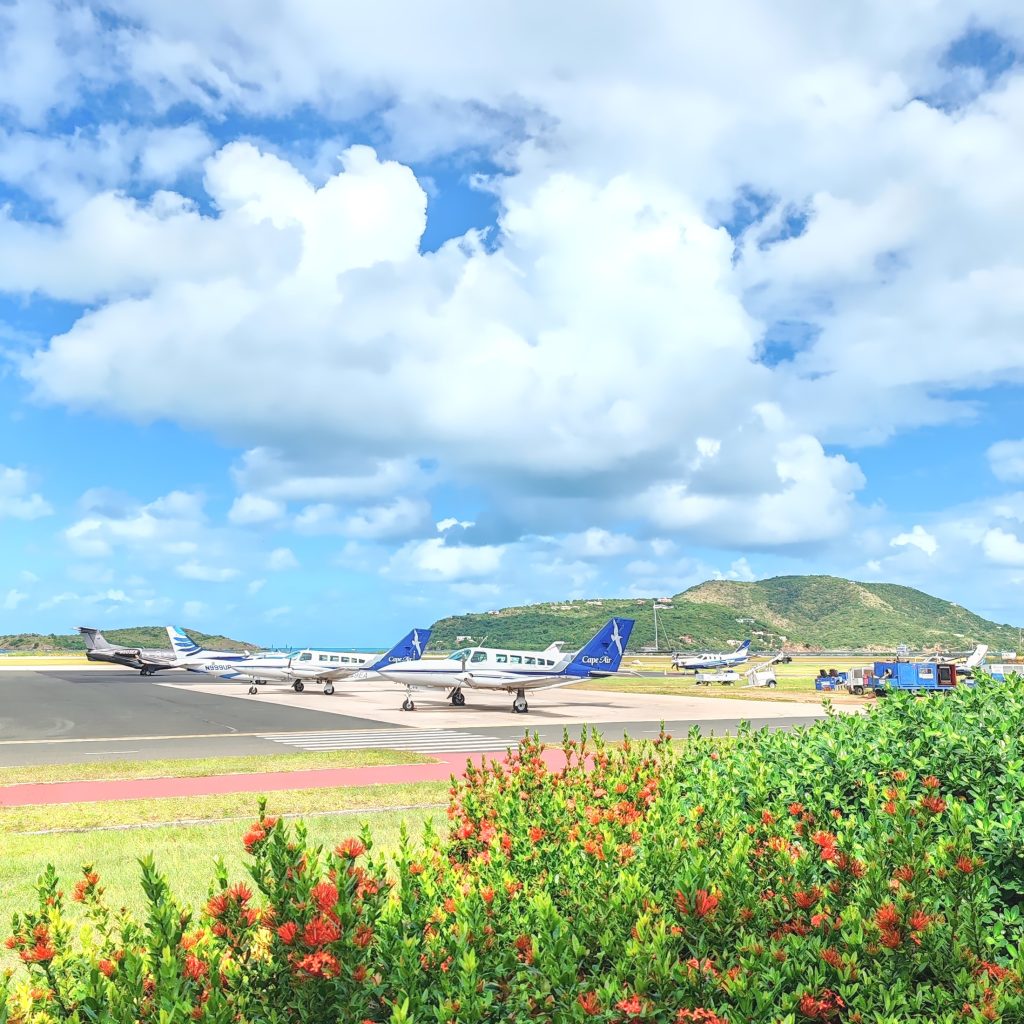
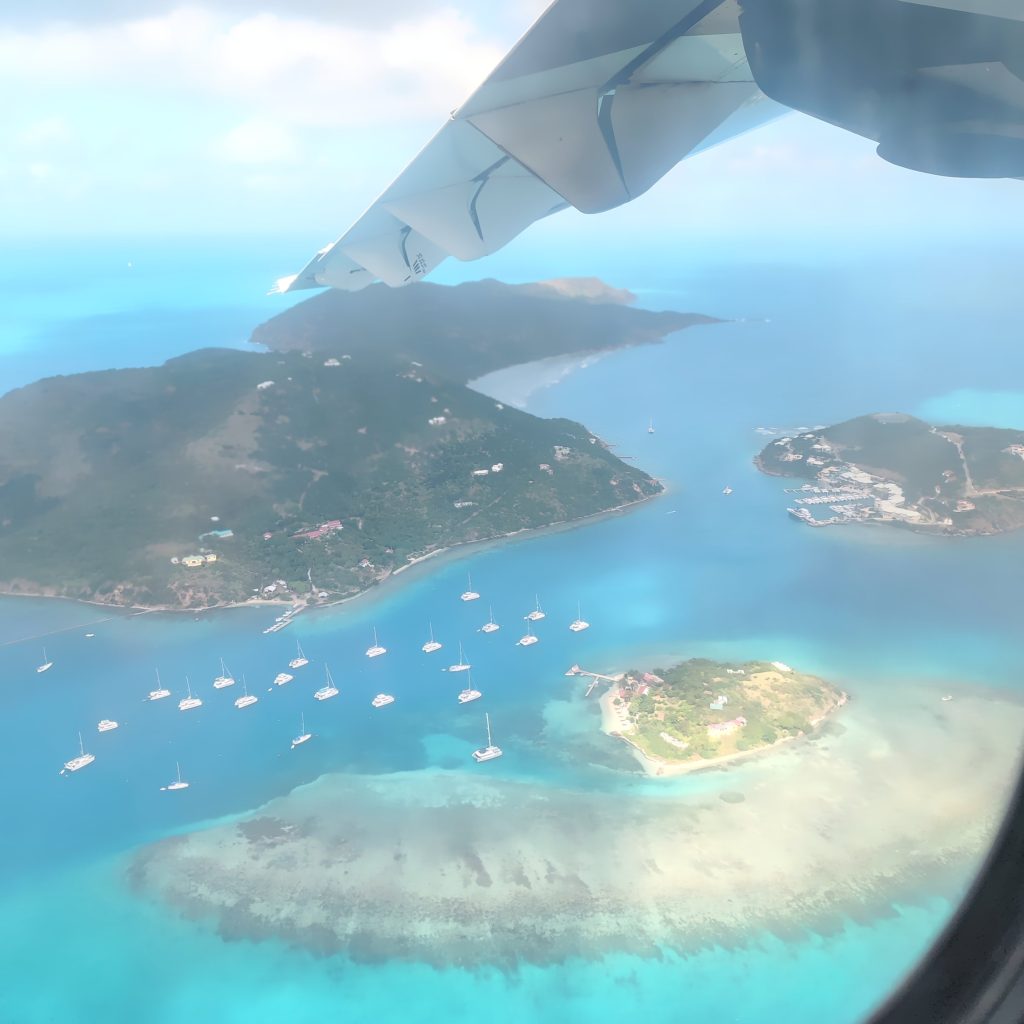
The typical visitor to the British Virgin Islands arrives as part of a Caribbean cruise, and as I mentioned earlier, cruise ships arrive almost daily during high season. It is, however, entirely possible to visit the islands independently or even by sailing — at least Pirkko from the Meriharakka blog has explored them by chartered boat. There is an international airport on Beef Island next to Tortola: Terrance B. Lettsome Airport, with flights from Puerto Rico, the Dominican Republic, and Saint Thomas in the US Virgin Islands, among others.
Right next to the airport is a harbor from which you can easily take a ferry to Virgin Gorda. There are also ferry connections from Tortola to Virgin Gorda (between Road Town and Spanish Town) and to other main islands, as well as to the US Virgin Islands.
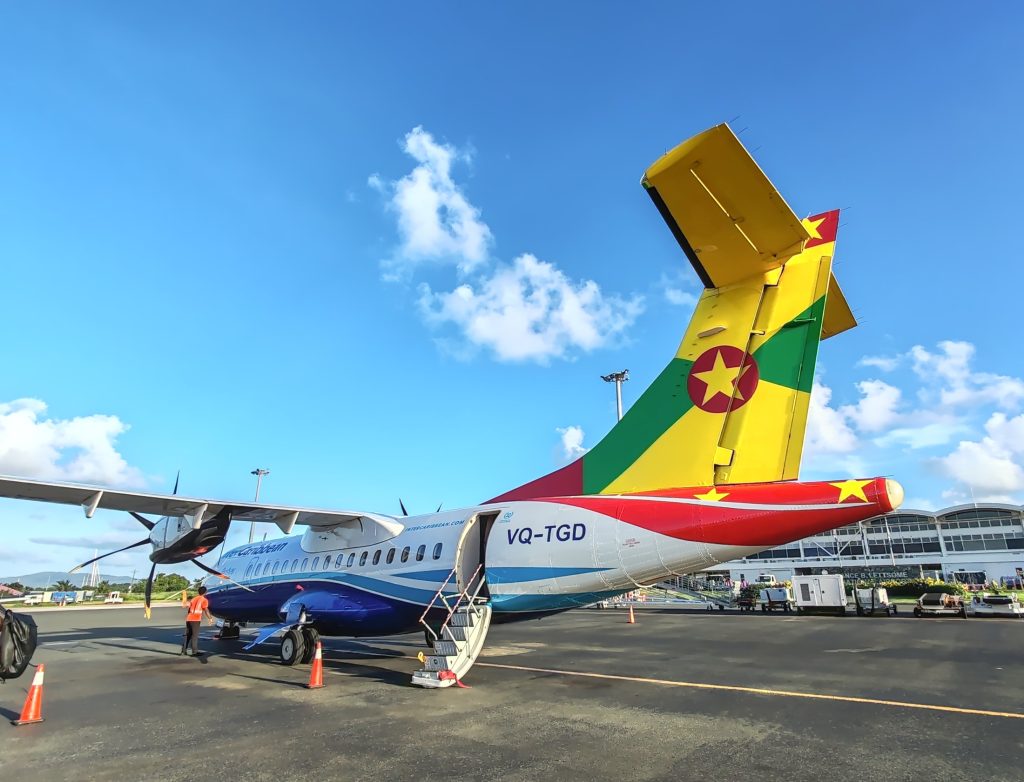
We flew to the Virgin Islands from the Dominican Republic, where we also returned after the house-sit. The flights were not the cheapest — about 440 euros per person round-trip. Our original plan was actually to fly from Puerto Rico, where it would have been about half the price, but travel to US territory (Puerto Rico and the US Virgin Islands) fell through because of an ESTA rule that denied ESTA (US entry waiver) if you had visited Cuba after 2011. That rule has since been relaxed, and our 2019 Cuba trip apparently would no longer have been an obstacle.
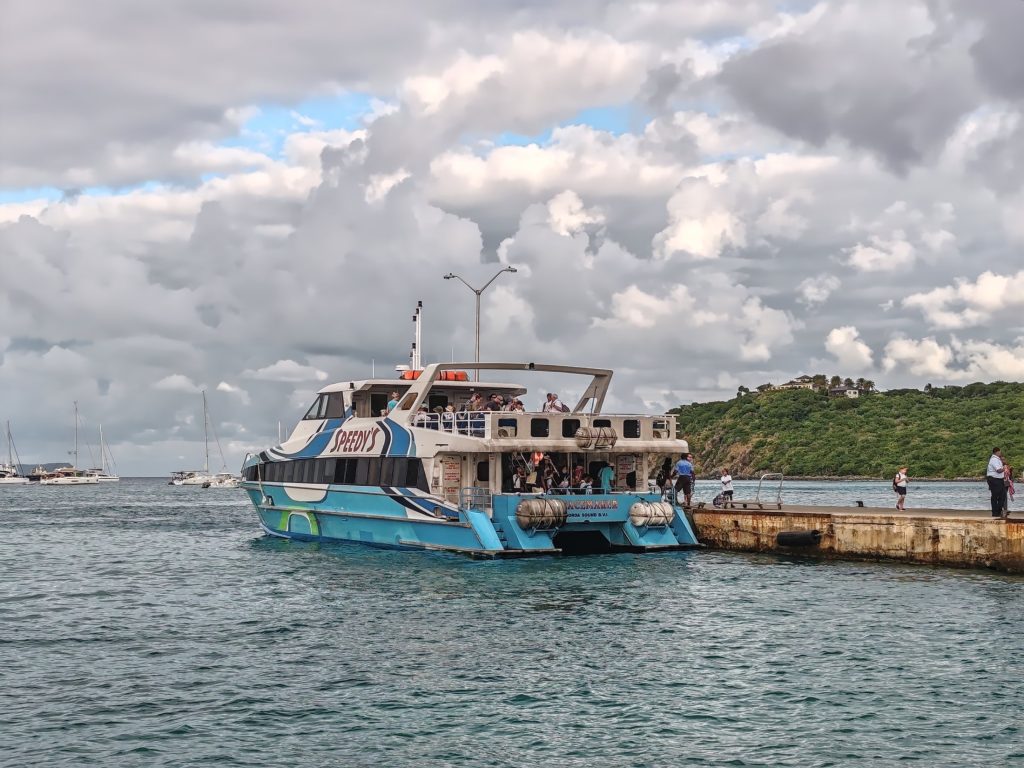
From the airport we traveled to Virgin Gorda by ferry, which runs roughly every couple of hours. The round-trip ferry cost 30 dollars, which we found a bit expensive. We talked a bit more about the price level on the islands in the Elämää Nomadina podcast, but as stated, it’s definitely not a budget destination. Accommodation prices vary greatly depending on how luxurious you want to stay, but it’s hard to find anything under a hundred dollars.
The cheapest options are rooms or studios rented via Airbnb, while hotel and resort prices range from several hundred to thousands of dollars. On the other hand, this is an utterly beautiful tropical paradise, so even a few days’ vacation is probably worth a larger financial investment.
Podcast: Dog-sitting in the British Virgin Islands
Article: Tips for those interested in house/pet-sitting
Interested in house-sitting too? Join Trusted Housesitters: get 25% off your first annual membership from us
From the Virgin Islands our winter Caribbean stay continued in January back in the Dominican Republic, and the next post will introduce a few more beach destinations there, plus a trip to see the whales in Samaná Bay!
Have you been to the Caribbean, and would the Virgin Islands interest you as a destination? Share thoughts and experiences in the comments!
Dreaming of a longer trip or nomad life? Check out SafetyWing’s nomad insurance plans*, which provide affordable coverage even on longer journeys!
Where to get travel insurance for a longer trip?
Over more than eight years of nomad life, we’ve searched for cost-effective and reliable solutions, especially for travelers’ health insurance.
In the article Nomad Travel Insurance: 3 +1 Easy Options, we present international insurance options suitable also for extended trips.