
After spending nearly three months in the Caribbean, we continued our journey in mid-February to the South American mainland (for the first time in our nomad life!), with Colombia as our first destination country. This was our first visit to this beautiful country known for its stunning nature and impressive cities, located in the northwest corner of South America along the Caribbean Sea and Pacific coasts. After the Caribbean, Colombia felt really lively, Western, and affordable, and like many others who have traveled there have said, it’s hard not to fall in love with Colombia! In this post we briefly go through all the places we visited — the trip took us to the country’s largest cities as well as colonial-era villages and small, atmospheric beach destinations.
See the map and route at the end of the post (scroll down)

The capital Bogotá is a busy metropolis in the mountains
Our first destination in Colombia was the capital Bogotá, where we flew from Santo Domingo in the Dominican Republic. We actually visited Bogotá three times in total, so it served as a kind of base for us in Colombia. We spent time in this gigantic city first for a few days mainly working, and later returned as cat-sitters, spending 10 days in the gourmet area known as Zona G in Chapinero as caretakers for three cats. We returned to the city for a short visit at the end of March to fly from there to our next country, Brazil. In addition to the house-sit placement, we stayed among other places in a convenient studio apartment* in Chapinero, and — deviating from our usual habits — in an airport hotel* due to a late-evening arrival, which turned out to be an excellent choice.
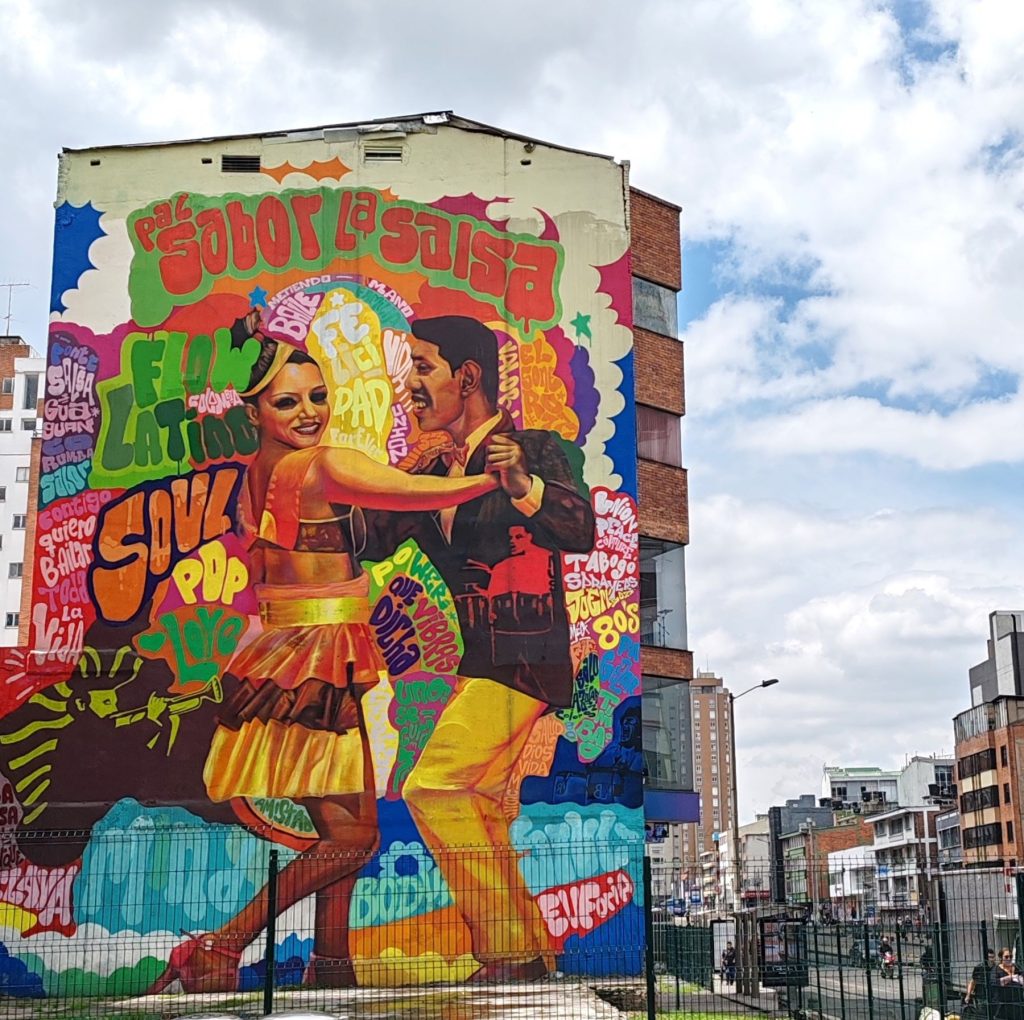

Among the most familiar areas for us were the large Chapinero district — known for shopping streets, parks, and residential areas rising to the lower slopes of the mountains — and the historic La Candelaria neighborhood full of landmark buildings, museums, and street art. Bogotá is a surprisingly charming and lively giant city, where a long history and diverse culture form an interesting whole. Bogotá is located in a valley in the middle of the Andes, at over 2,600 meters above sea level. Coming from sea level, you really notice the altitude — for example, running left us quite breathless, though of course it’s not the same extreme heights as in Cusco, Peru, or La Paz, Bolivia.

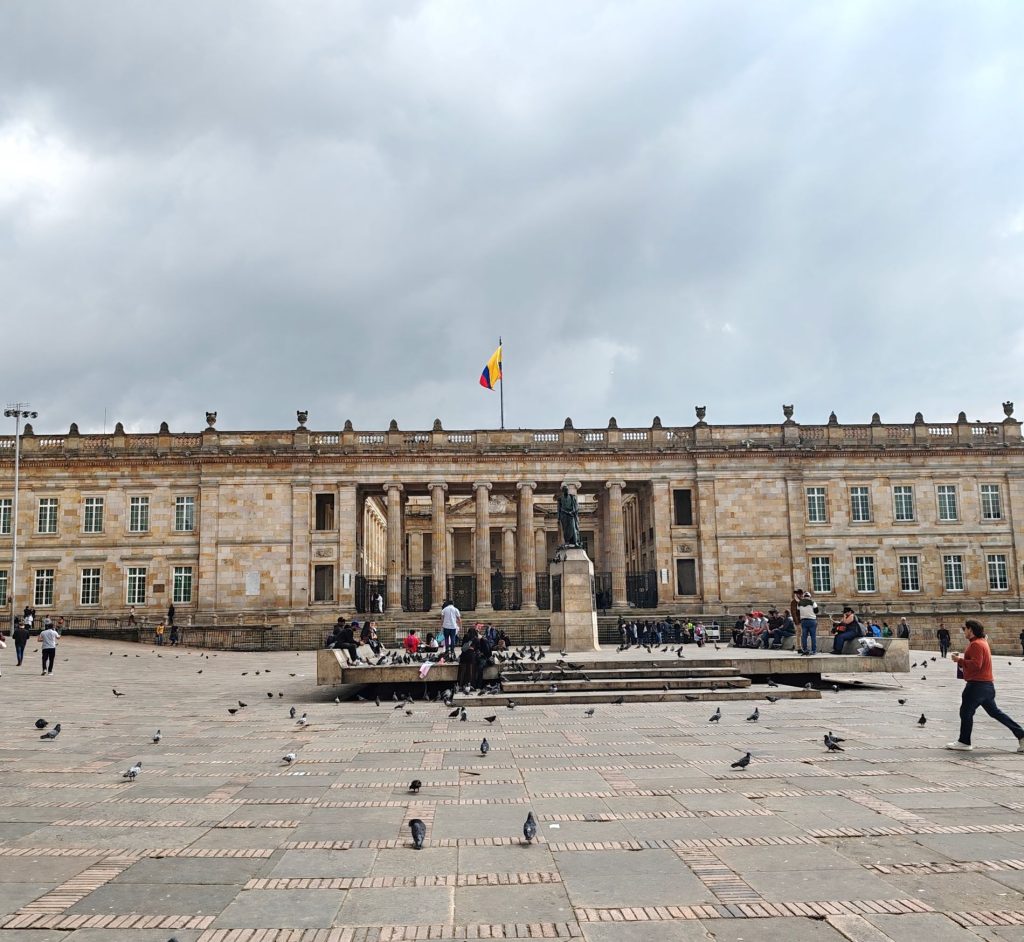
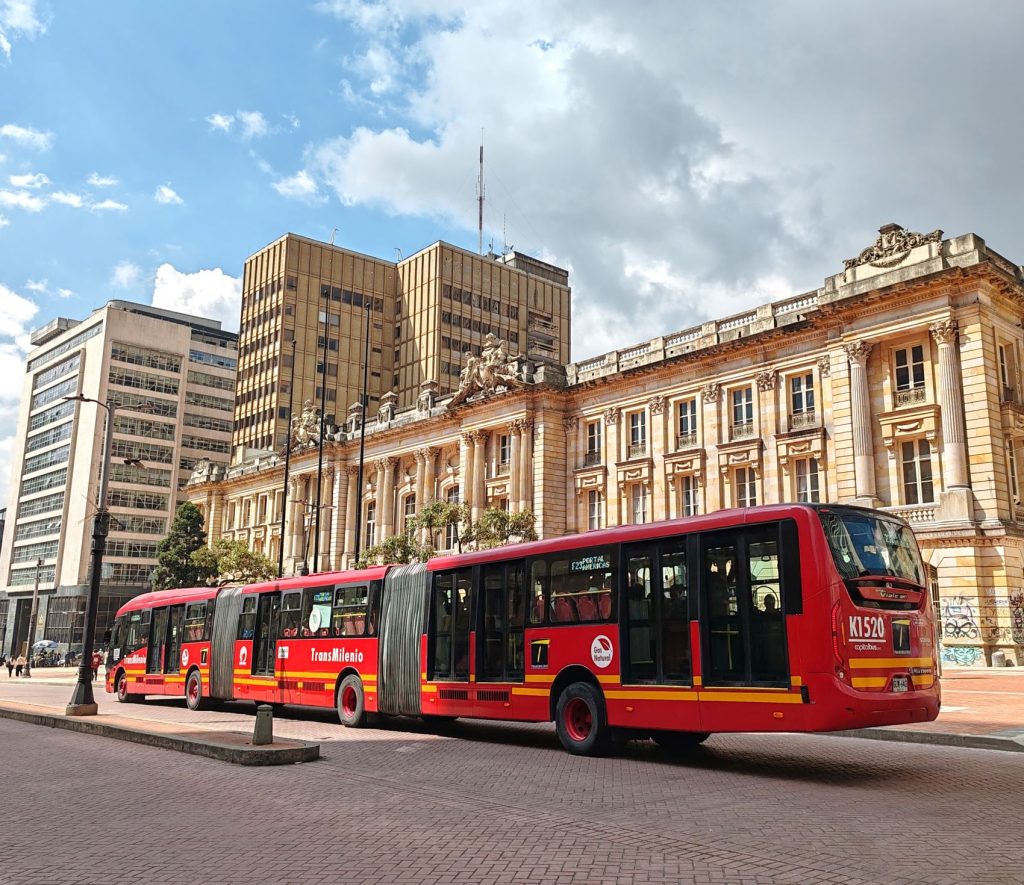
More photos and vibes from Bogotá on Instagram:
The colorful Salento in Colombia’s coffee region
Our current work sometimes involves meetings with clients and partners around the world, and one such took us from Bogotá to the city of Armenia. Armenia itself is not a particularly charming destination, but it serves as an excellent starting point for exploring Colombia’s famous coffee zone and its villages.


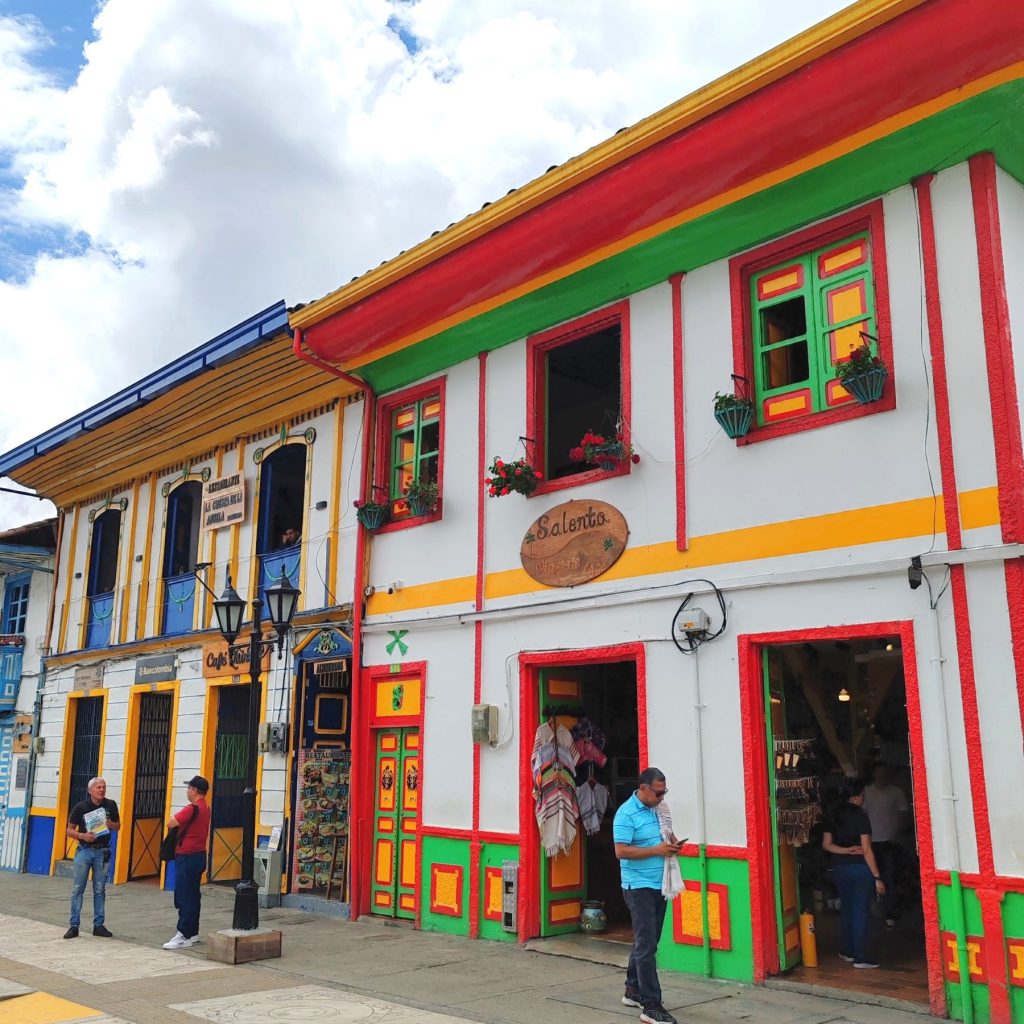
One of the area’s most popular tourist destinations is the colorful small town of Salento, located next to the Cocora Valley famous for its palms over 60 meters tall, surrounded by lush mountain slopes. Salento is known for its colorful houses built using the bahareque technique — a traditional indigenous building method in the region where walls are made of reeds, wooden sticks, and clay mud. In addition to bright colors, many of Salento’s buildings are decorated with beautiful flower plantings.

Surprisingly charming Cali is best known for cartel wars
Cali, the capital of Valle del Cauca in southwestern Colombia, was previously known to us only from the Narcos series about drug baron Pablo Escobar’s life and the Cali Cartel that once dominated the cocaine market. We didn’t have very high expectations for Colombia’s third-largest city, but it turned out to be a surprisingly charming destination. Nowadays Cali is one of Colombia’s fastest-growing economic areas and has cleaned up significantly since the cartel era. We stayed in the charming Casa Blanca San Antonio boutique hostel*, from where it was easy to walk to explore different parts of the city.
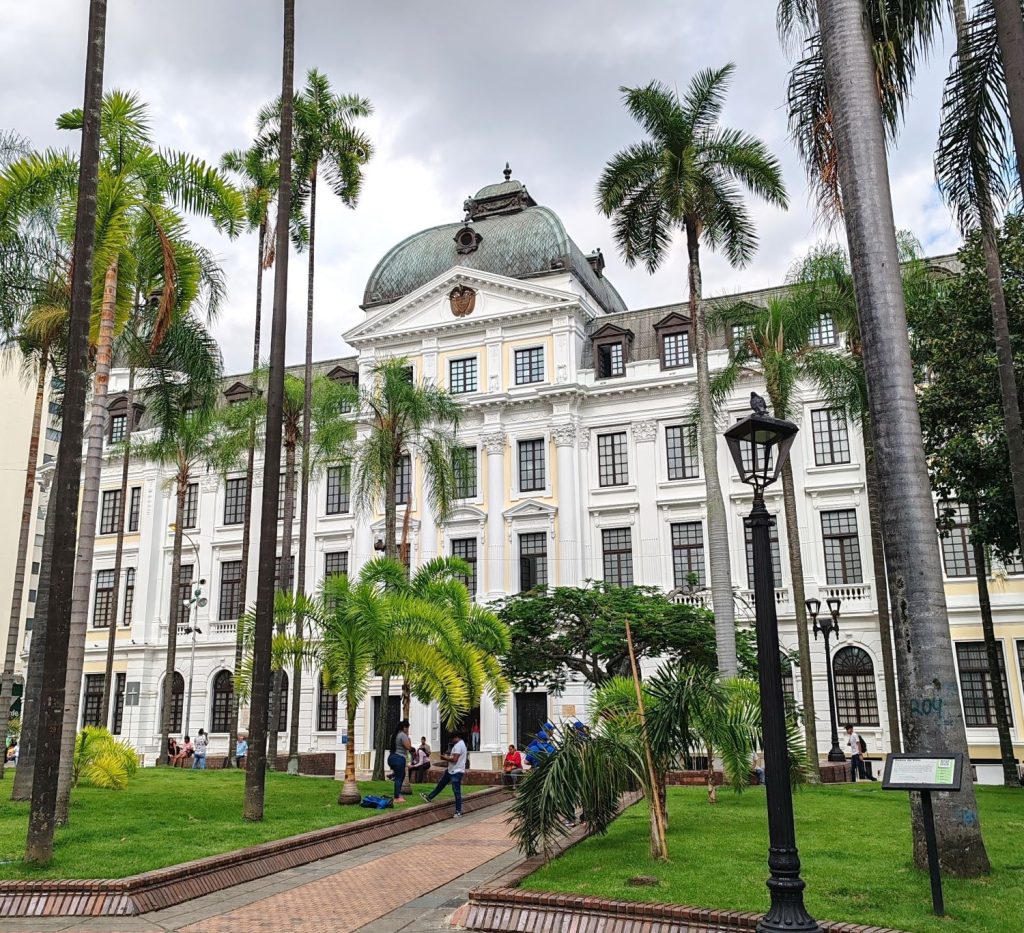
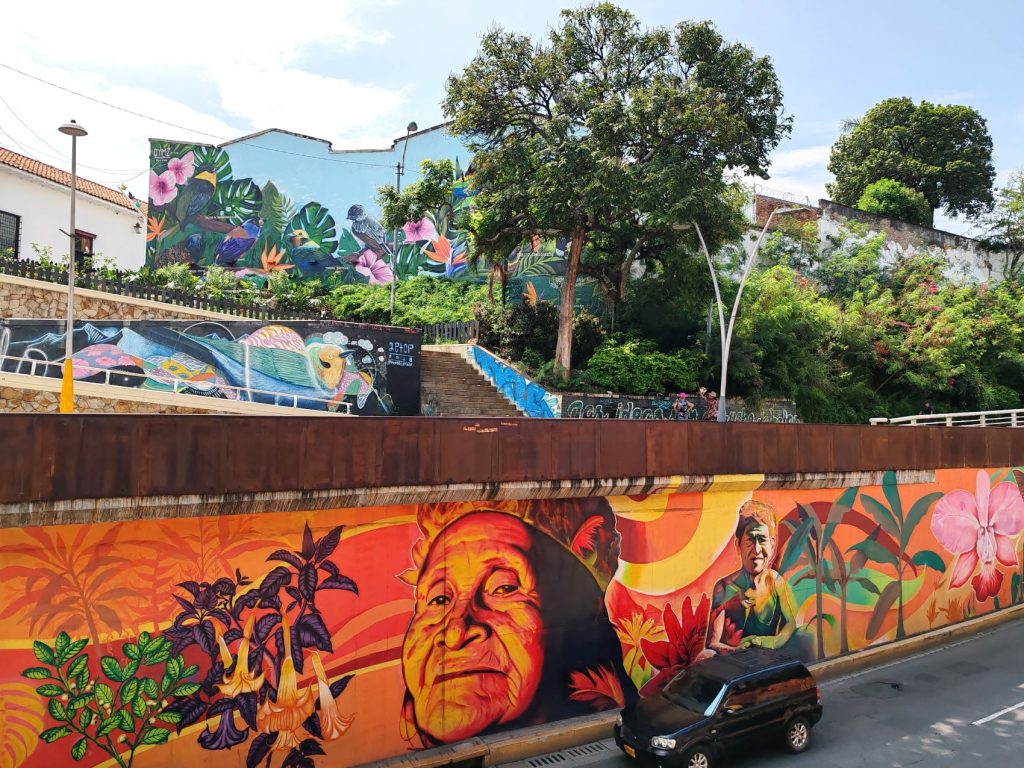
Cali was founded in 1536 by Spanish explorer Sebastián de Belalcázar, so it has a long colonial history. The cityscape is lively and colorful, and its charm is enhanced by numerous well-maintained green areas, squares, and riverside promenades. Cali is known as Colombia’s salsa capital, and dance is visible not only in numerous dance schools but also in street parties typical of the city. The most famous weekly dance parties are held on Friday evenings on the Boulevard del Río promenade along the Cali River. Cali is also famous for the Cali Carnivals (Feria de Cali), held annually at the end of December.
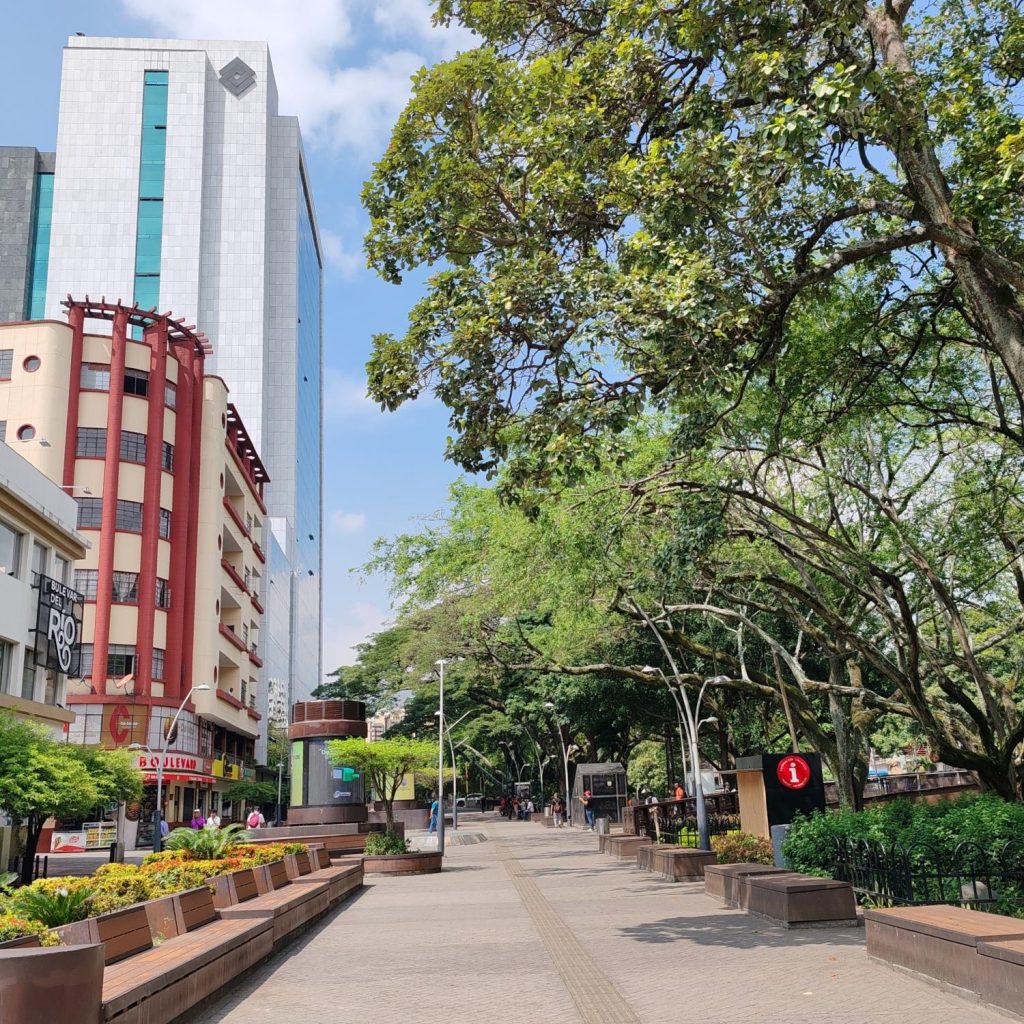
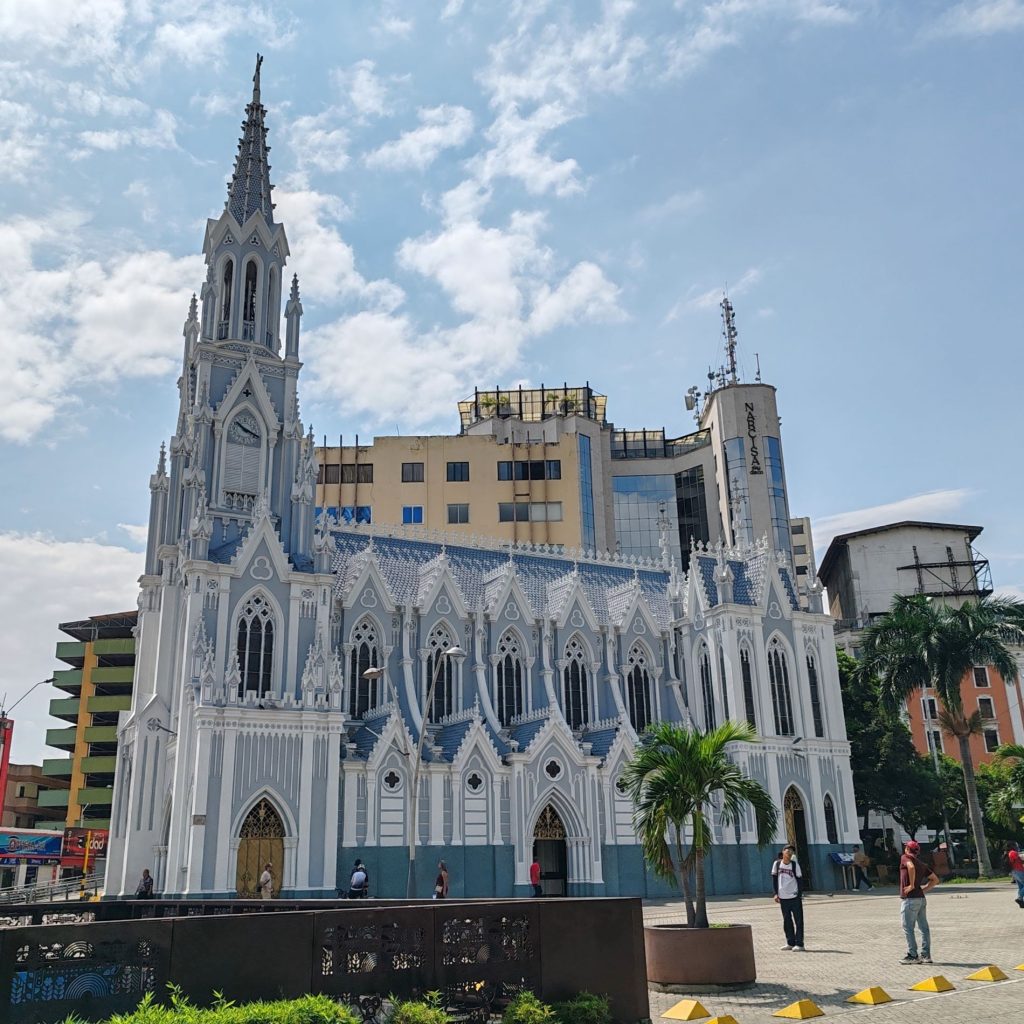
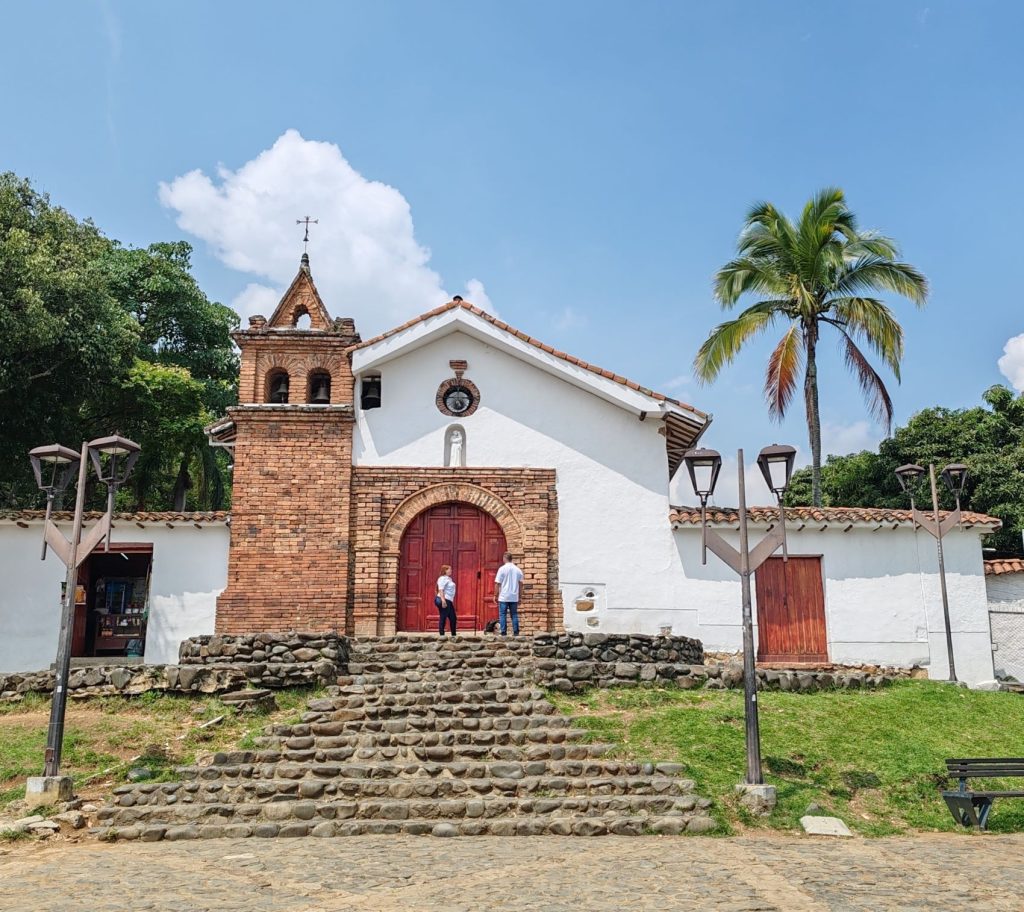
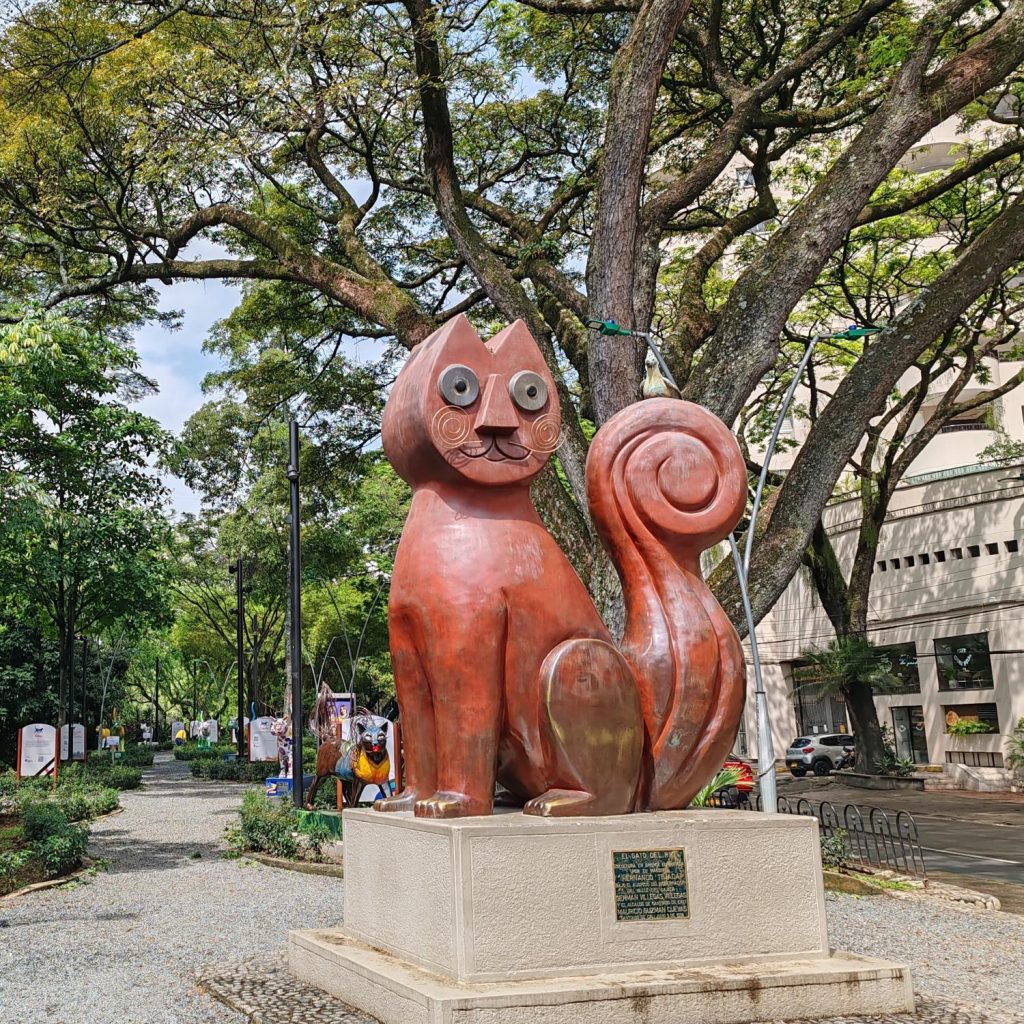
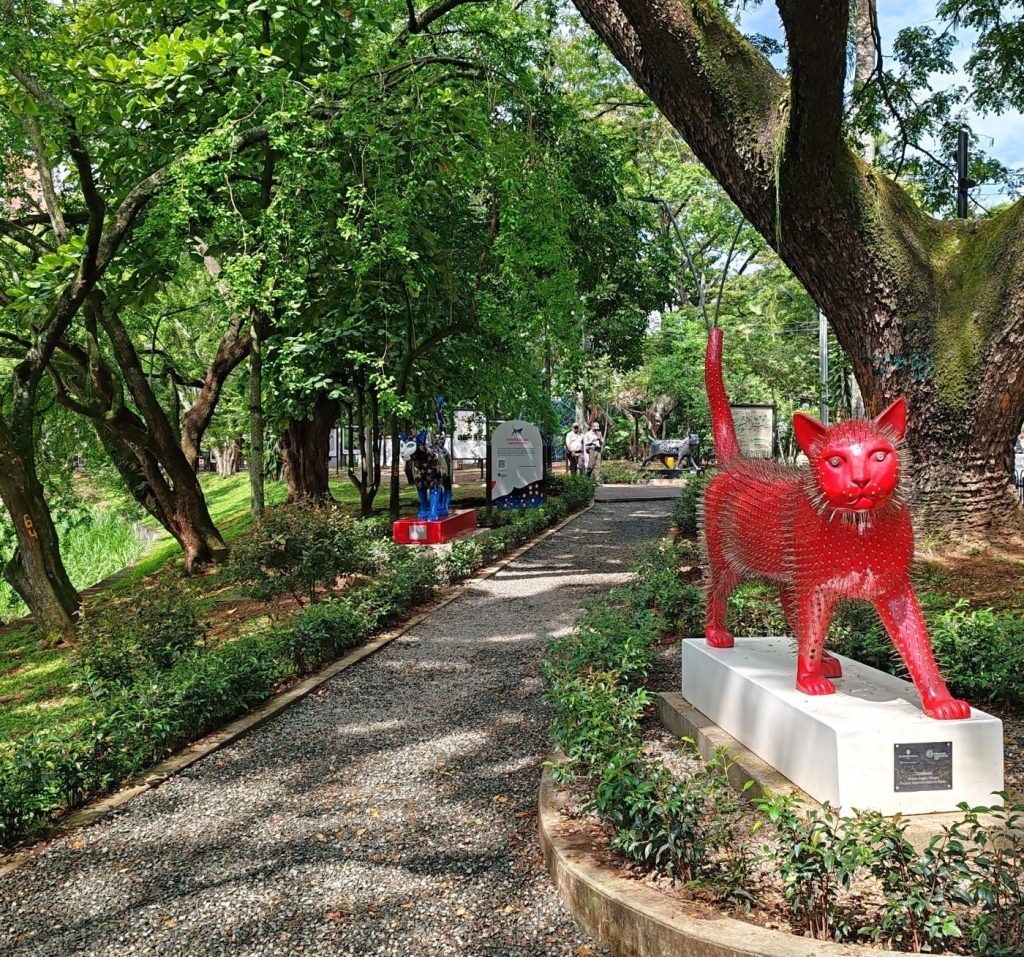
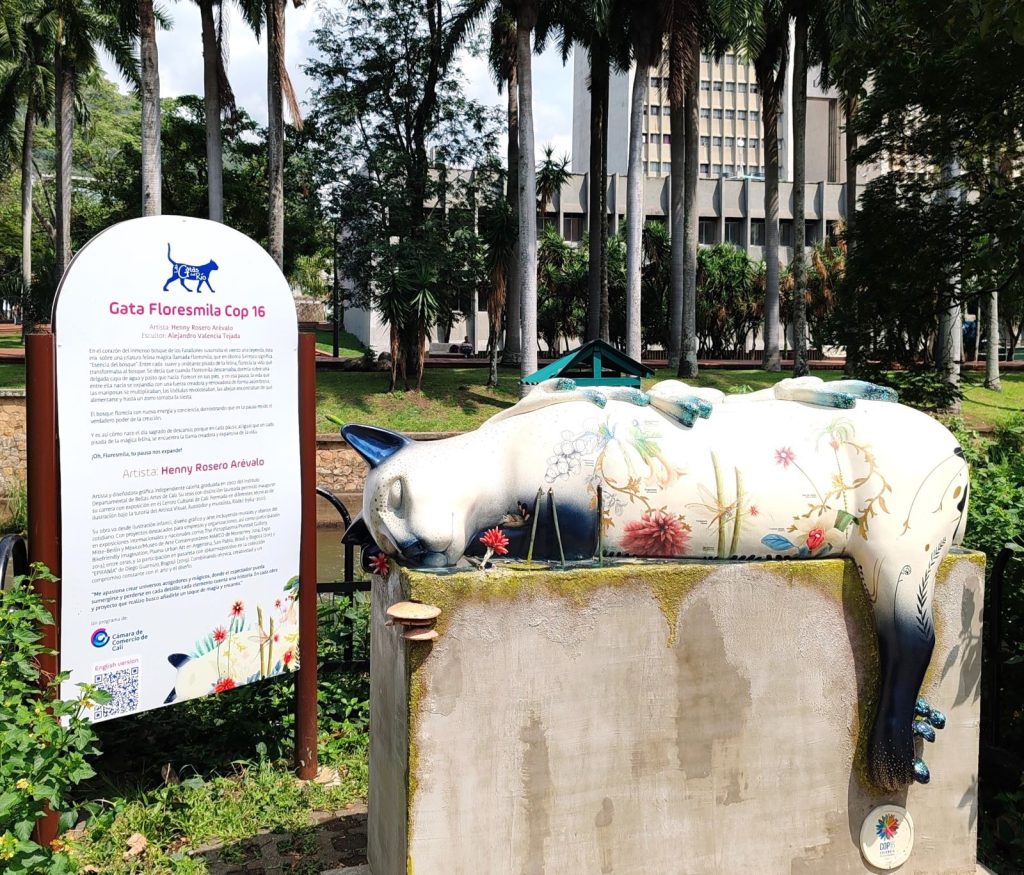
Cali has some landmark buildings, such as beautiful churches, but the city’s best-known symbol is probably the 26-meter-high Cristo Rey statue of Christ rising above the city on Crystal Hill. More than buildings and monuments, however, we were charmed in Cali by the park-like walking areas, street art, and sculptures. One of the city’s most famous statues is El Gato del Río, a bronze cat located north of the Cali River. The cat statue was donated in 1996 by Colombian painter and sculptor Hernando Tejada to support the development of riverside green areas. Ten years later, several smaller cat sculptures — called the “Cat’s Girlfriends” — were placed along the walking path.
The city of eternal spring, Medellín
The capital of the mountainous Antioquia province, Medellín, is one of Colombia’s most popular travel destinations. Medellín is known as the city of eternal spring because the temperature is mild and spring-like year-round. We spent four days in Colombia’s second-largest city, exploring different areas on foot, during running sessions, by metro, and by cable car. An almost obligatory part of visiting Medellín is admiring the city from above using the gondola lifts that are part of the metro network, connecting the downtown in the valley to neighborhoods on steep hillside slopes.
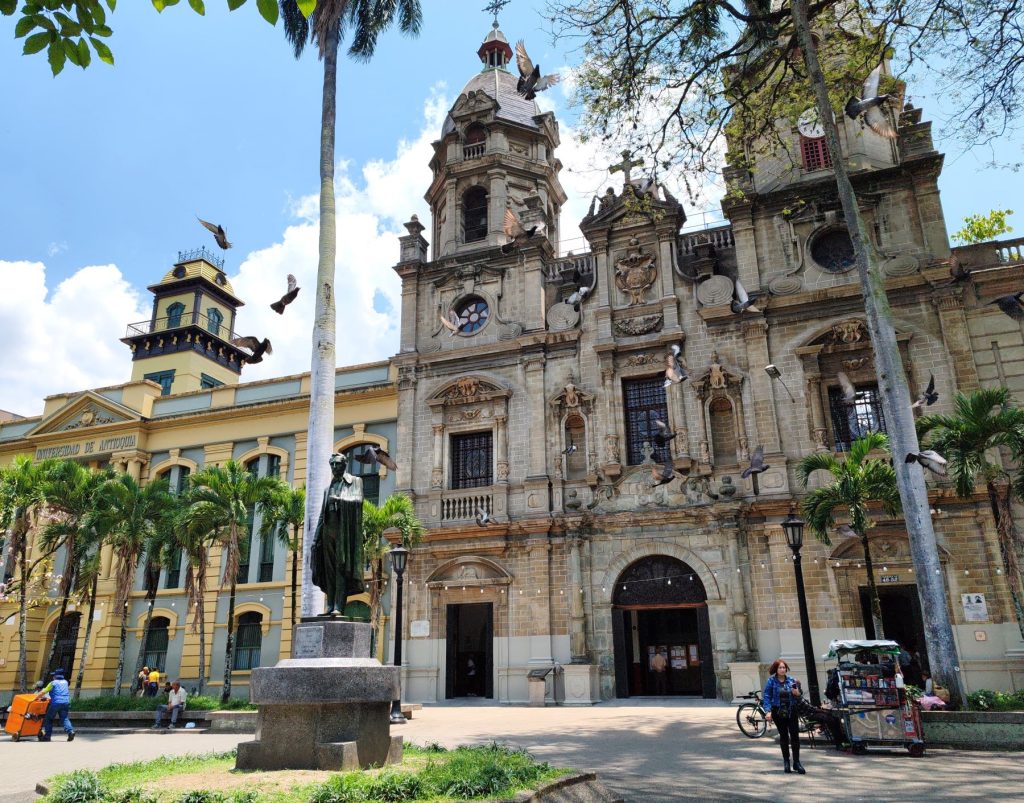
Many consider Medellín a fantastic city, and it is quite popular among digital nomads who often spend several months there at a time. We also had high expectations for the city, but somehow we didn’t particularly fall in love with it, even though we enjoyed ourselves very well. Architecturally, Medellín is quite a mishmash of buildings from different eras, and some of the large dominant structures are actually quite ugly. But of course the city also has very beautiful streets, squares, and parks, as well as many stunning old buildings like churches. Accommodation options in Medellín are vast — we ended up renting our own nice apartment* in the central Bomboná area in La Candelaria.
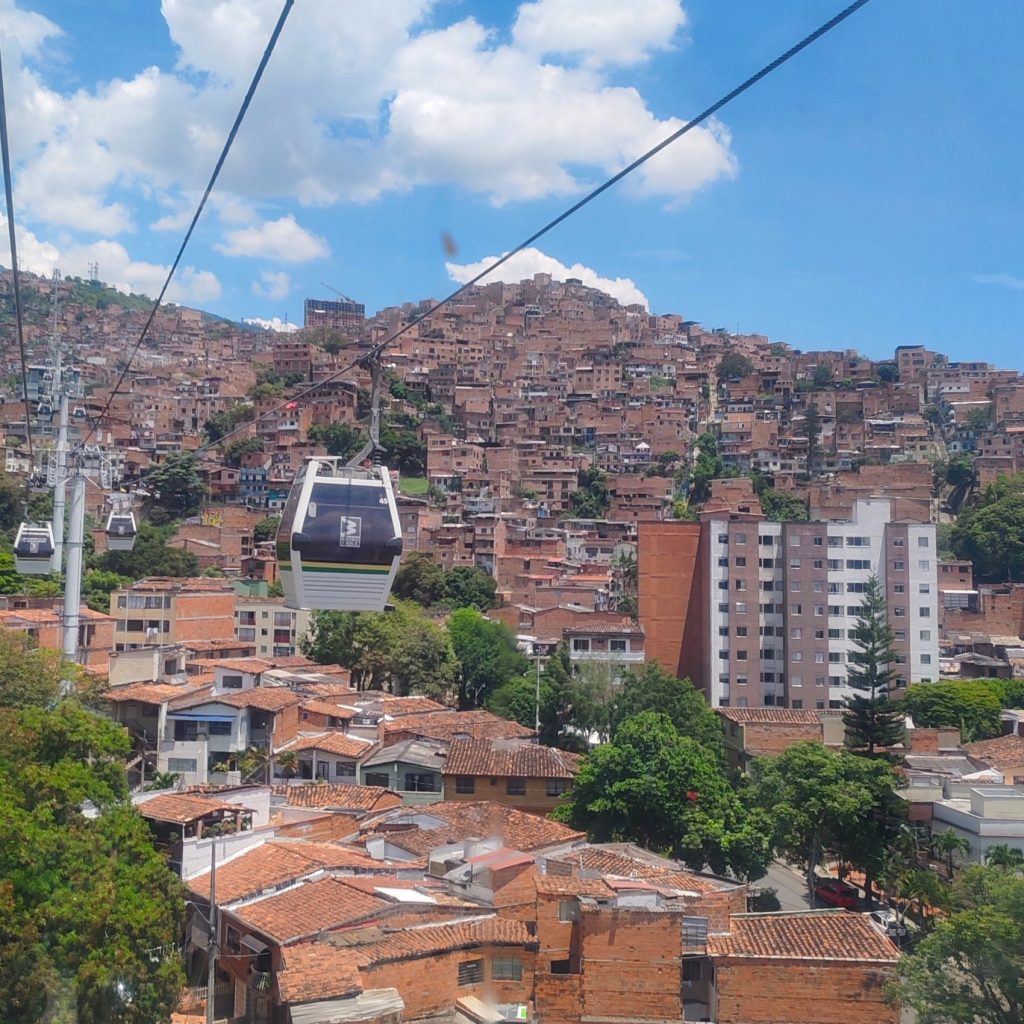

One of Medellín’s most interesting parts is Comuna 13, a residential area that suffered badly during the drug cartel era in the 1970s and 1980s, and later under guerrilla groups and paramilitary control. In the 2000s, thanks to investments and transformation projects, this densely built steep-slope area has become a quite pleasant neighborhood and a very popular tourist destination.
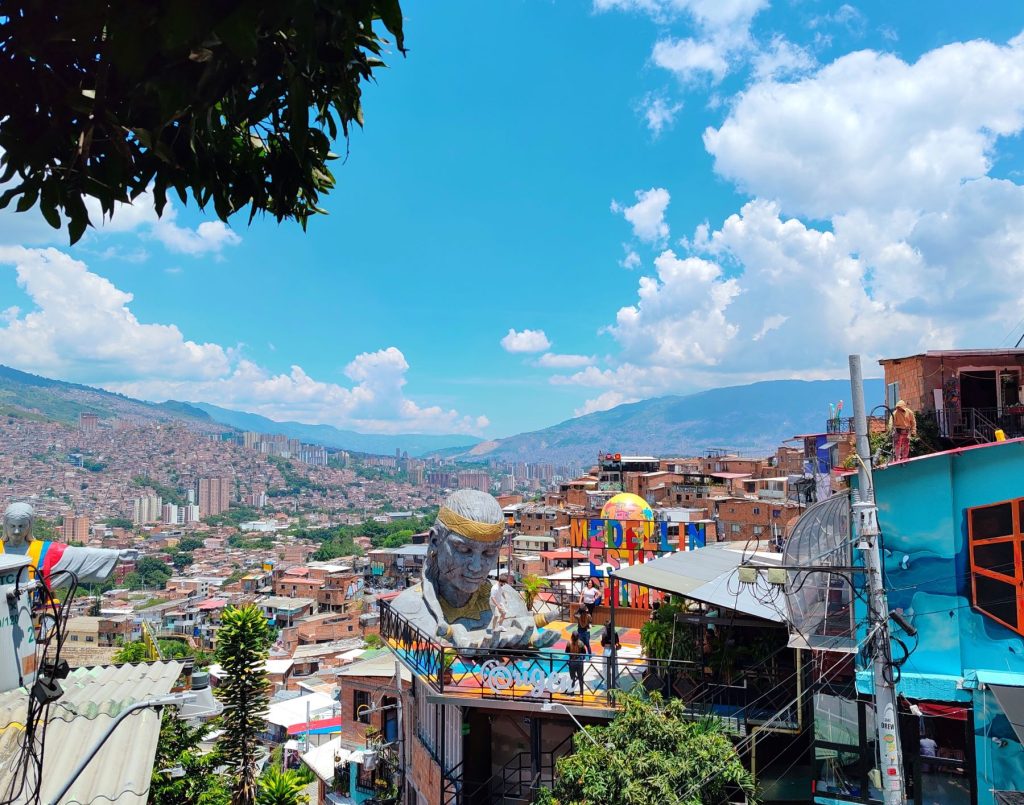

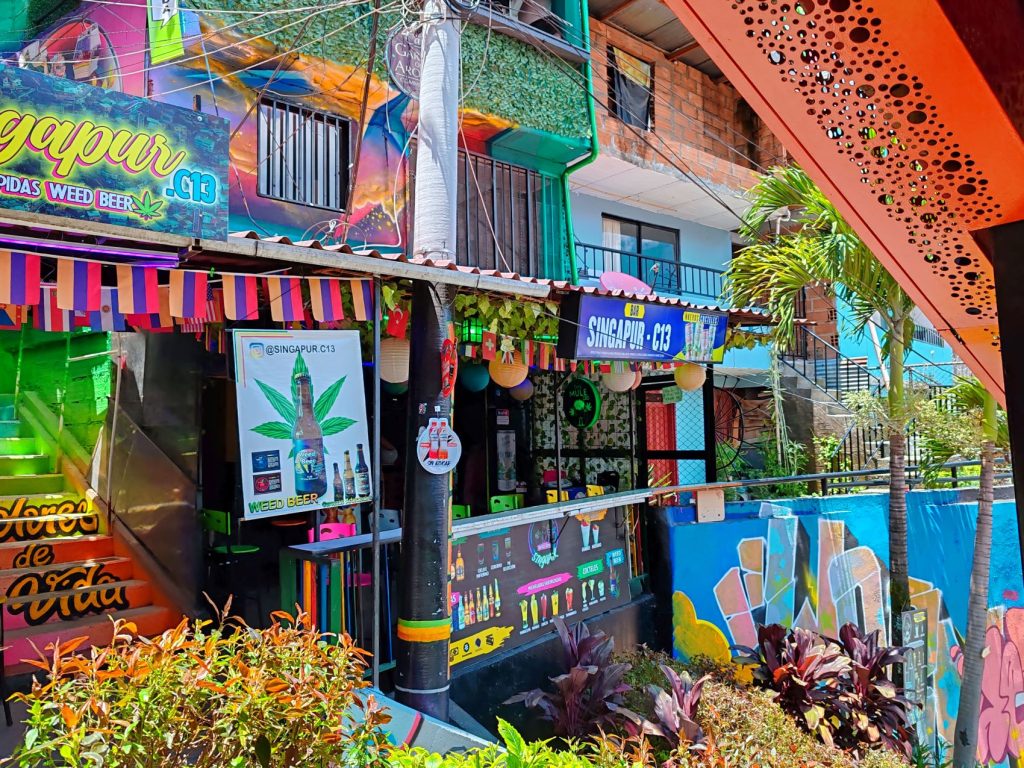
We didn’t quite know what to expect from the area and were initially confused by the huge crowds, dozens of souvenir shops, trinket stalls, restaurants, and noise — at first glance Comuna 13 looked mostly like an amusement park, accessed via escalators built to help tourists. A bit outside the central hustle area, however, there are quite atmospheric alleys and stairways, and for example lots of street art. One popular way to explore this area is various guided graffiti tours.

Charming Santa Fe de Antioquia
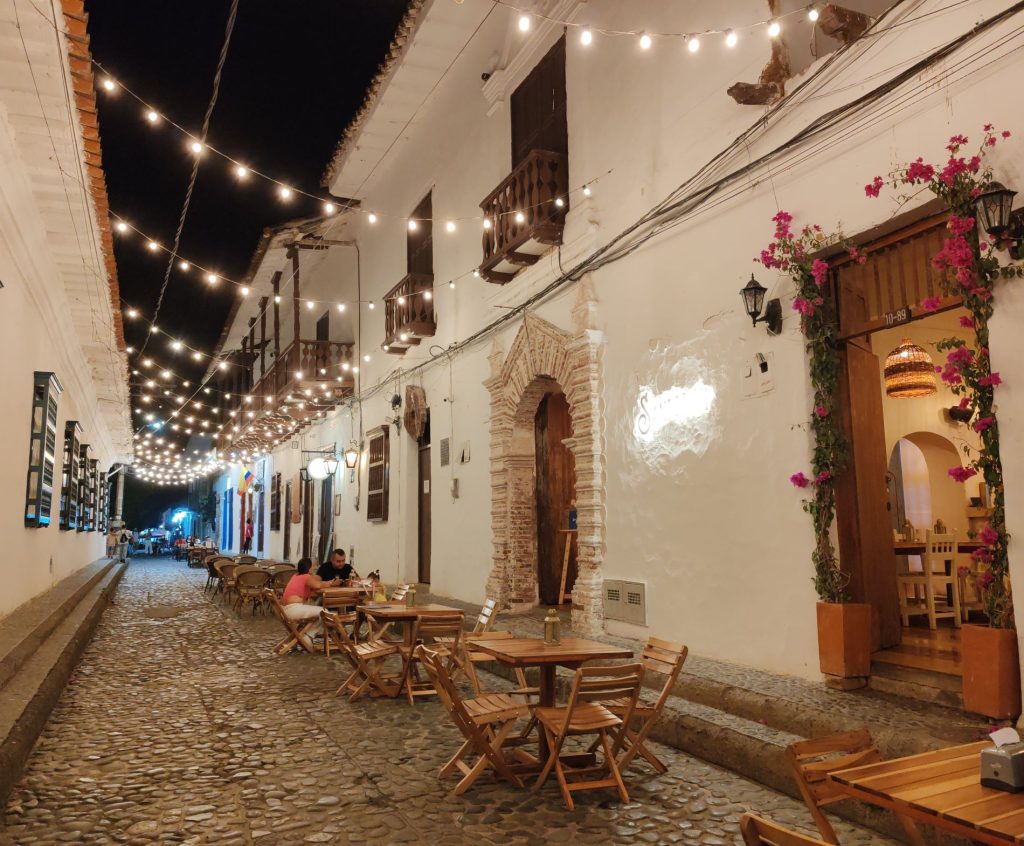
Our journey in Colombia continued by bus from Medellín toward the Caribbean coast via beautiful Santa Fe de Antioquia. The small Santa Fe is often called “Ciudad de Madre” (Mother City), referring to it being the oldest city in the Antioquia region — Spanish settlers founded it in the 1540s. The historic center of Santa Fe, about 60 km north of Medellín, is utterly charming — cobblestone streets and beautiful squares are lined with well-maintained old residential buildings decorated with lovely balconies and flowers.

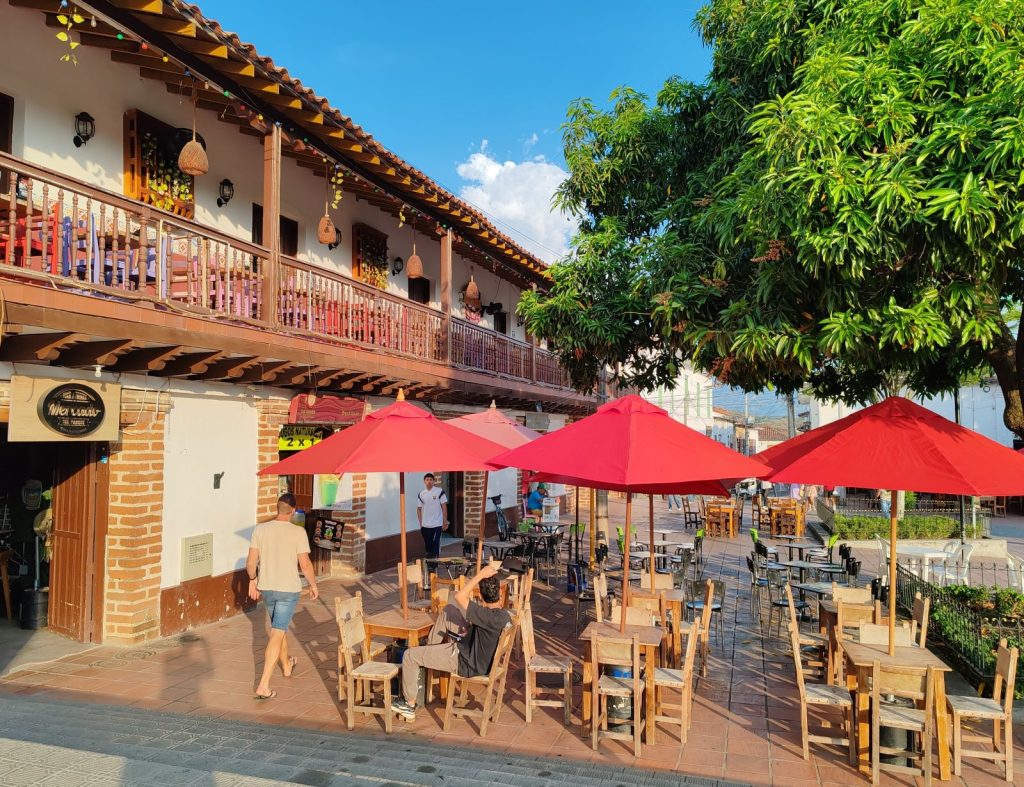

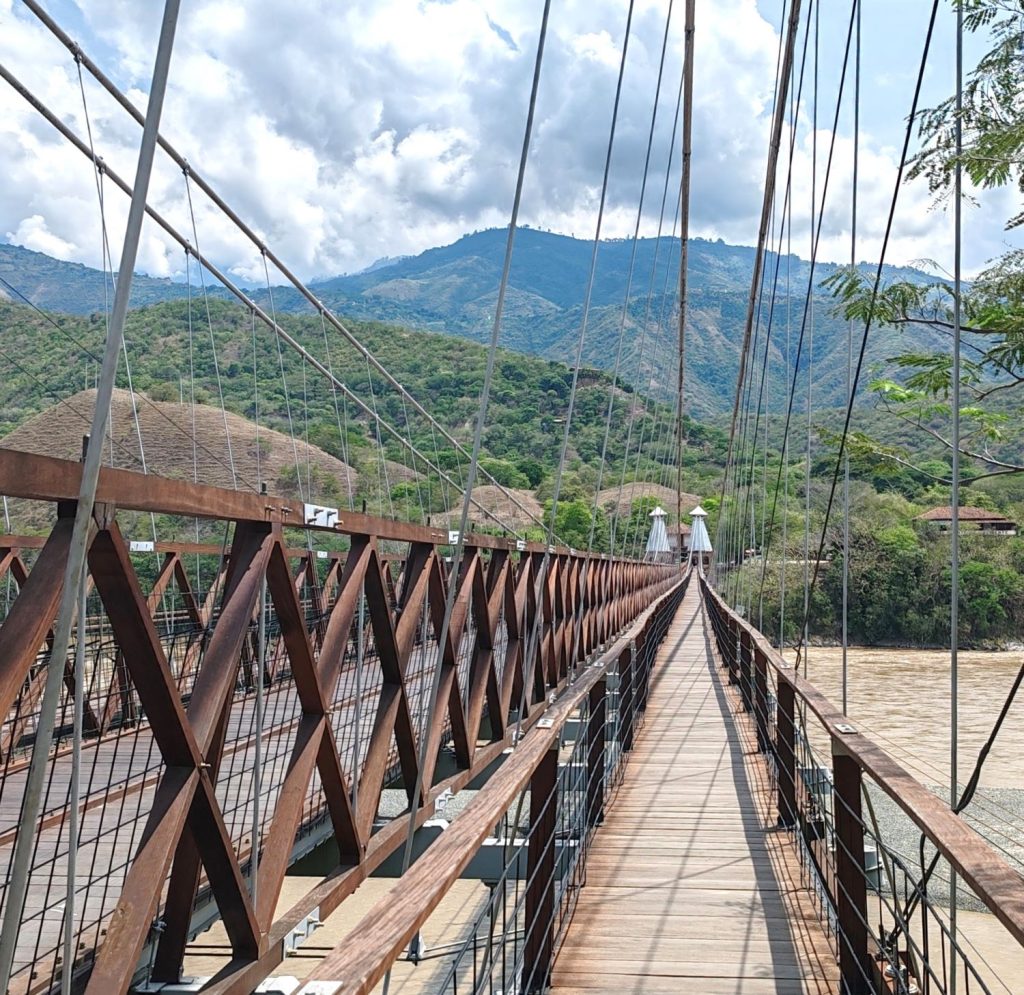
The old center area of Santa Fe has cute small guesthouses and many beautifully decorated restaurants. To our delight, we also found local craft beer, and of course Santa Fe’s beer pubs are beautiful too. Outside the old center, the city’s best-known sight is probably the Puente Colgante De Occidente, a long suspension bridge that is also a national monument. Our accommodation choice in Santa Fe was Hosteria El Castellano*, a guesthouse within walking distance of the old center with a nice pool area and restaurant.

Tropical Necoclí is a relaxed beach town
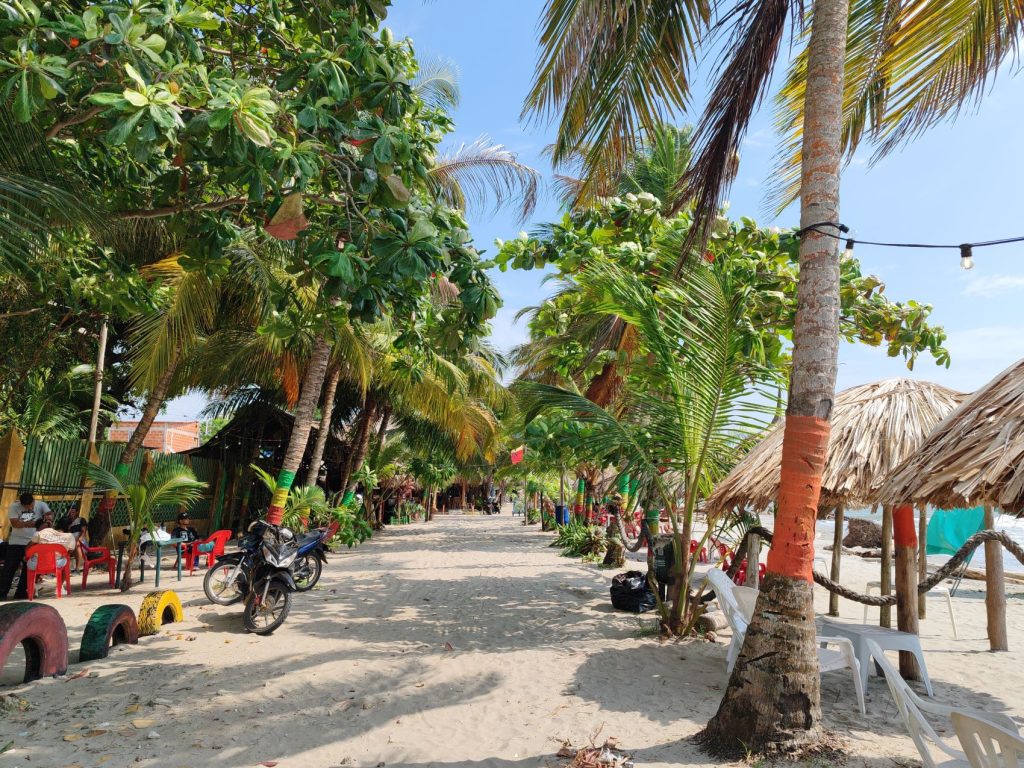
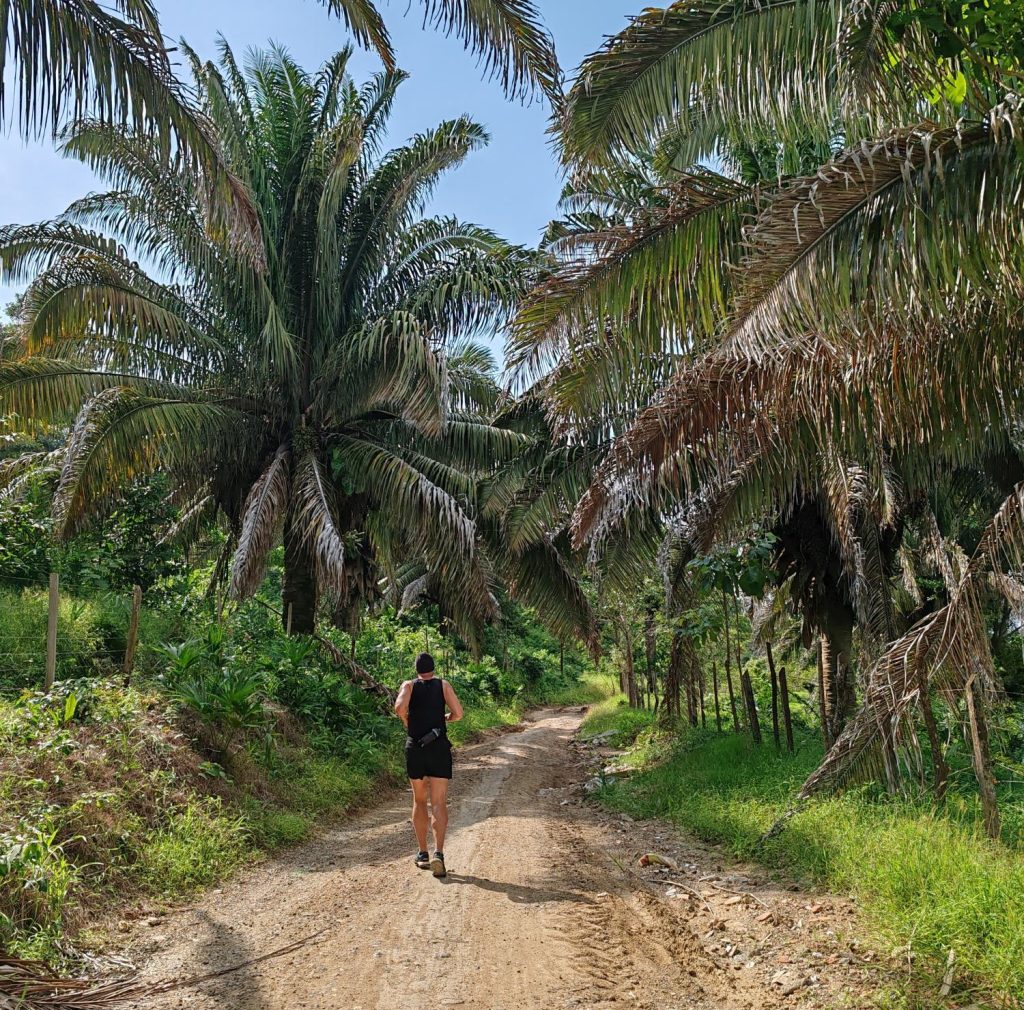
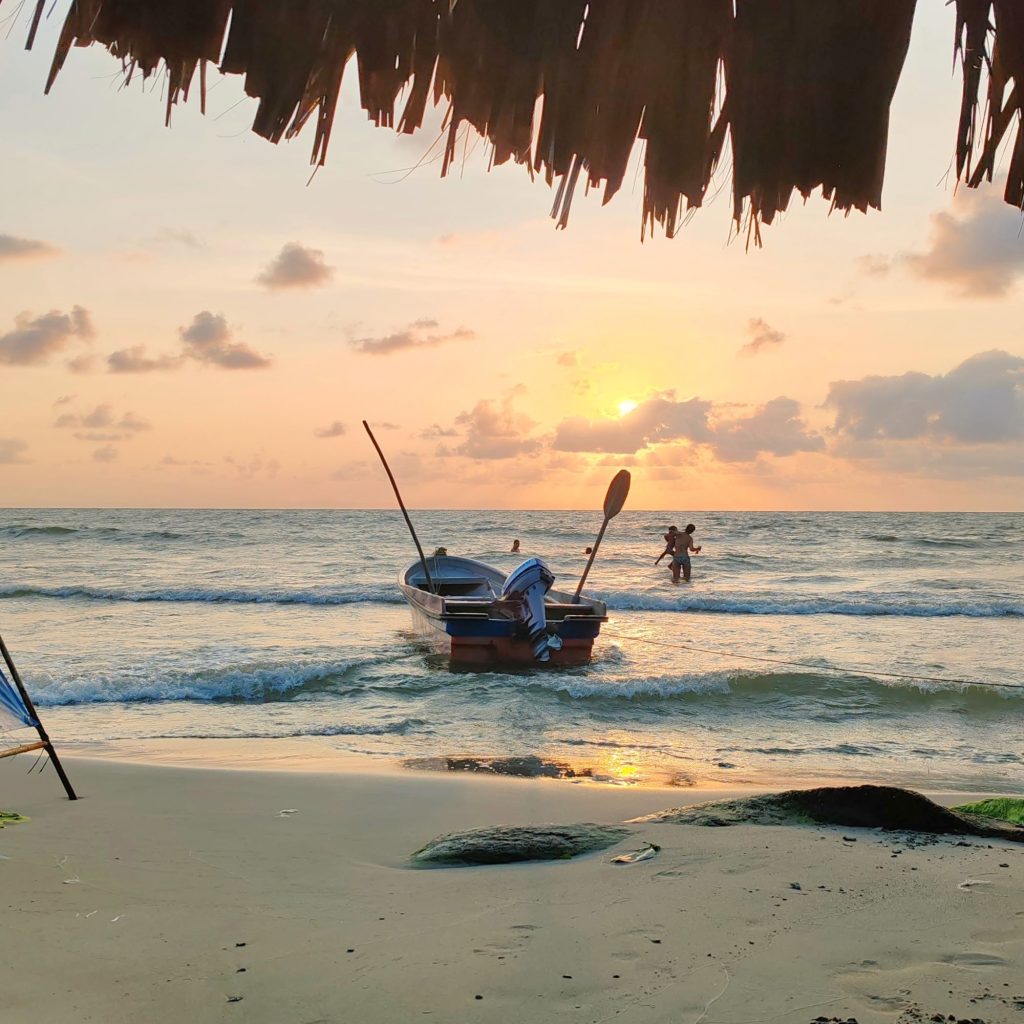
Near the Panama border, Necoclí was chosen as our destination somewhat by chance while moving north from Santa Fe to the coast. About seven hours by bus from Santa Fe, Necoclí is a tropical small coastal town — or perhaps more of a village — that turned out to be a really nice and relaxed spot for a couple of days of vacation. We found accommodation at the small La Mariápolis hostel right on the beachfront — so close that you could go straight from the terrace into the sea. This hostel doesn’t seem to be bookable on Booking anymore, but for example Casa Yemaya* looks very similar.
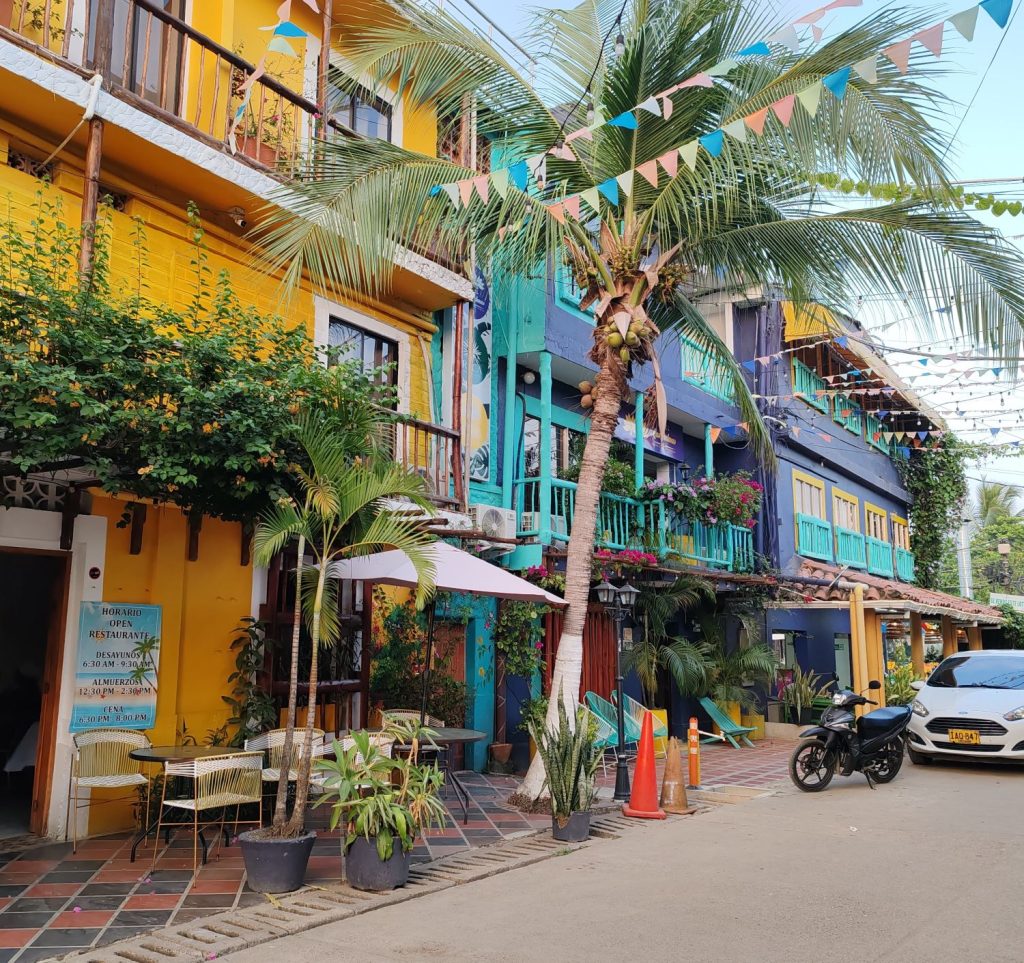
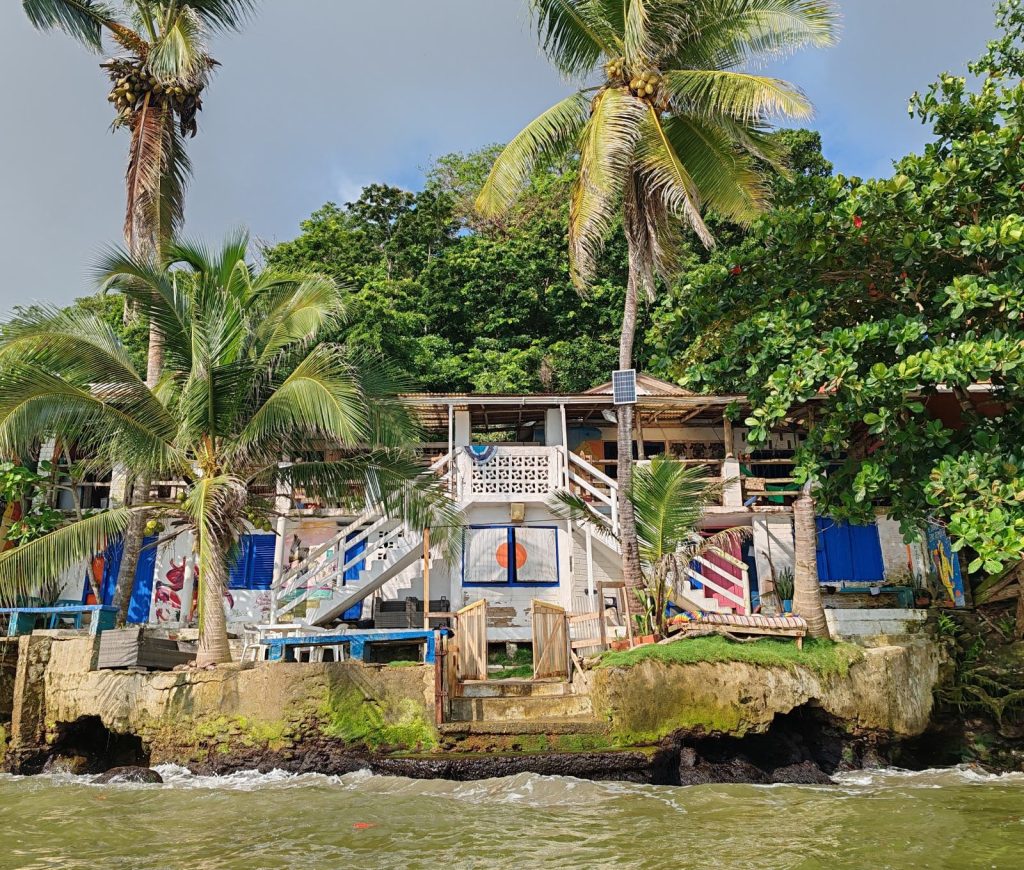
Necoclí doesn’t have many proper sights, and the best way to explore the town is relaxed walks in the small central area and on the beaches. Necoclí has been in the news lately due to migrant flows, as it is a transit point on the route toward North America. From Necoclí you can take a boat to the coastal village of Capurganá close to the Panama border, from where undocumented migrants heading to America continue on foot through the dangerous, roadless Darién Gap jungle.
Stunning Cartagena is Colombia’s most popular destination
From Necoclí our journey continued along the Caribbean coast to Cartagena de Indias, which we knew was a super popular tourist destination. It seems that everyone who has visited raves about its charm, and that’s exactly what happened to us — Cartagena’s walled old town was love at first sight! The old Cartagena is simply stunning, and it’s hard to imagine a more photogenic city than this fortress city founded in 1533.
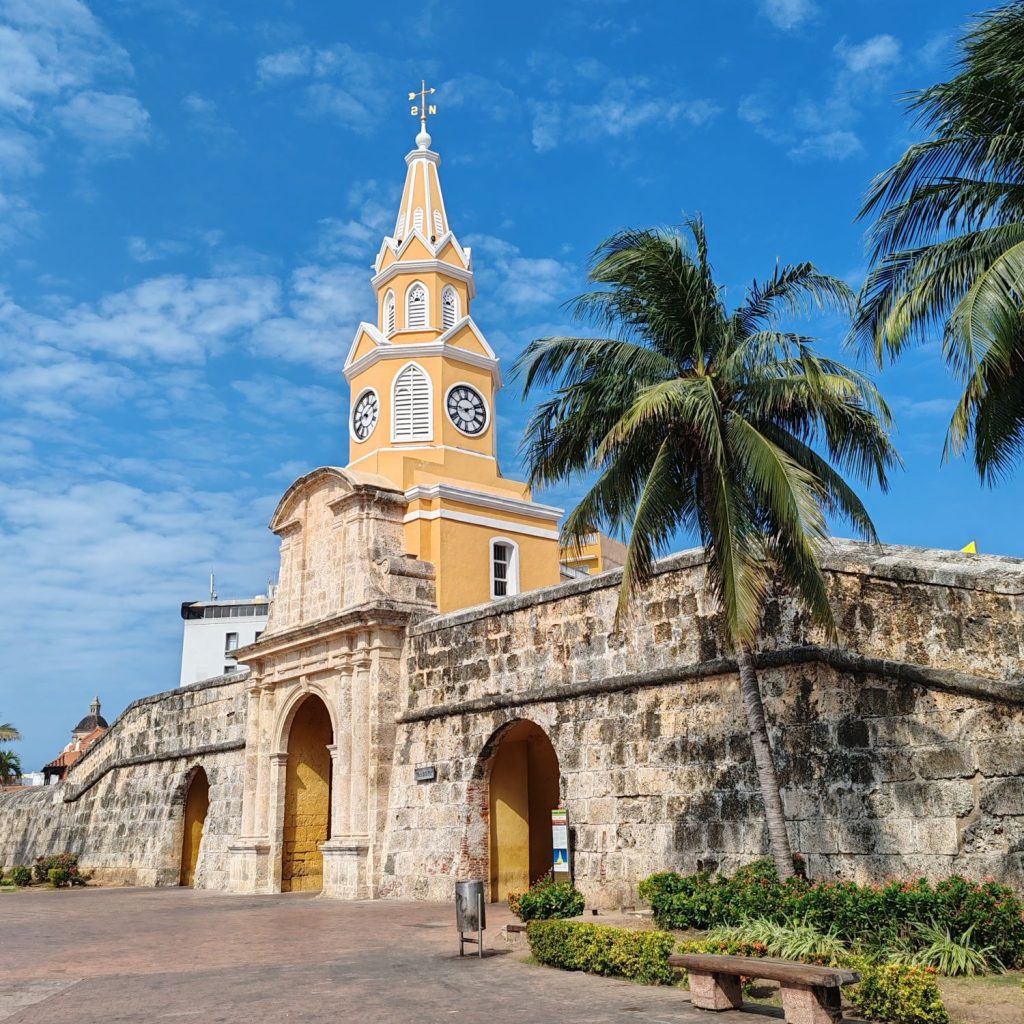
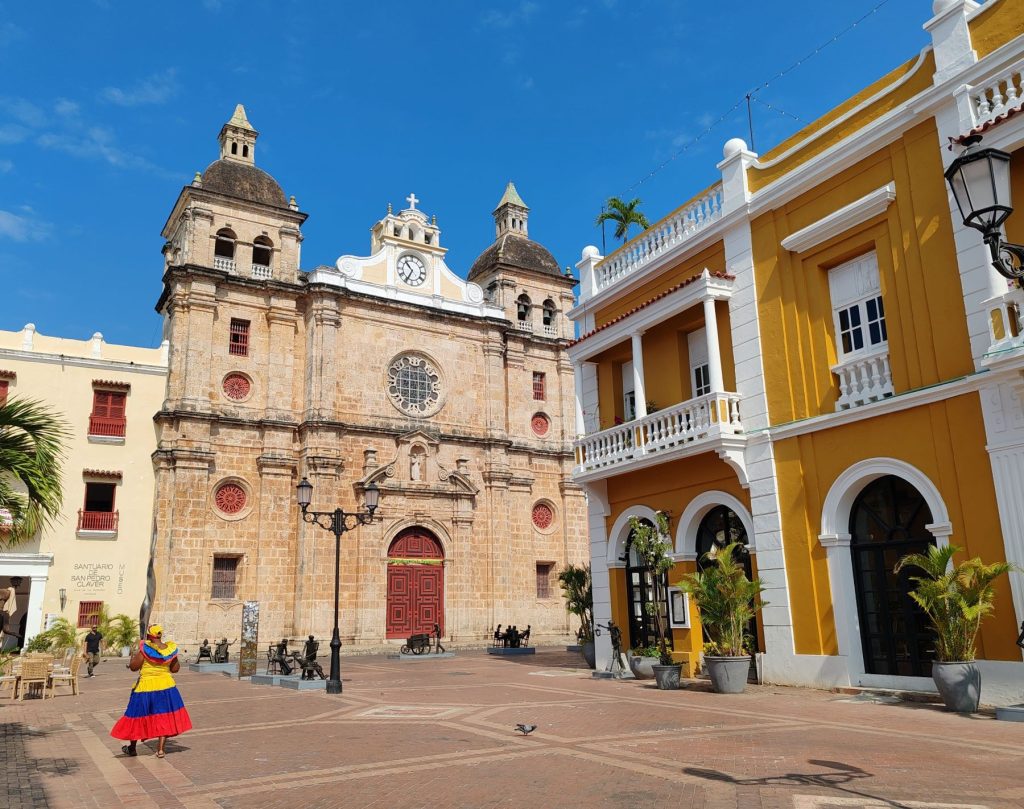
The best way to explore Cartagena’s historic center is simply to walk around the romantic cobblestone streets and squares lined with beautiful colonial-era architecture. Within the old walls there are several stunning churches, palaces, and gates, as well as a beautiful clock tower and numerous sculptures and statues. Cartagena has become a real tourist destination, but despite the crowds, the old town has somehow managed to retain its relaxed atmosphere.


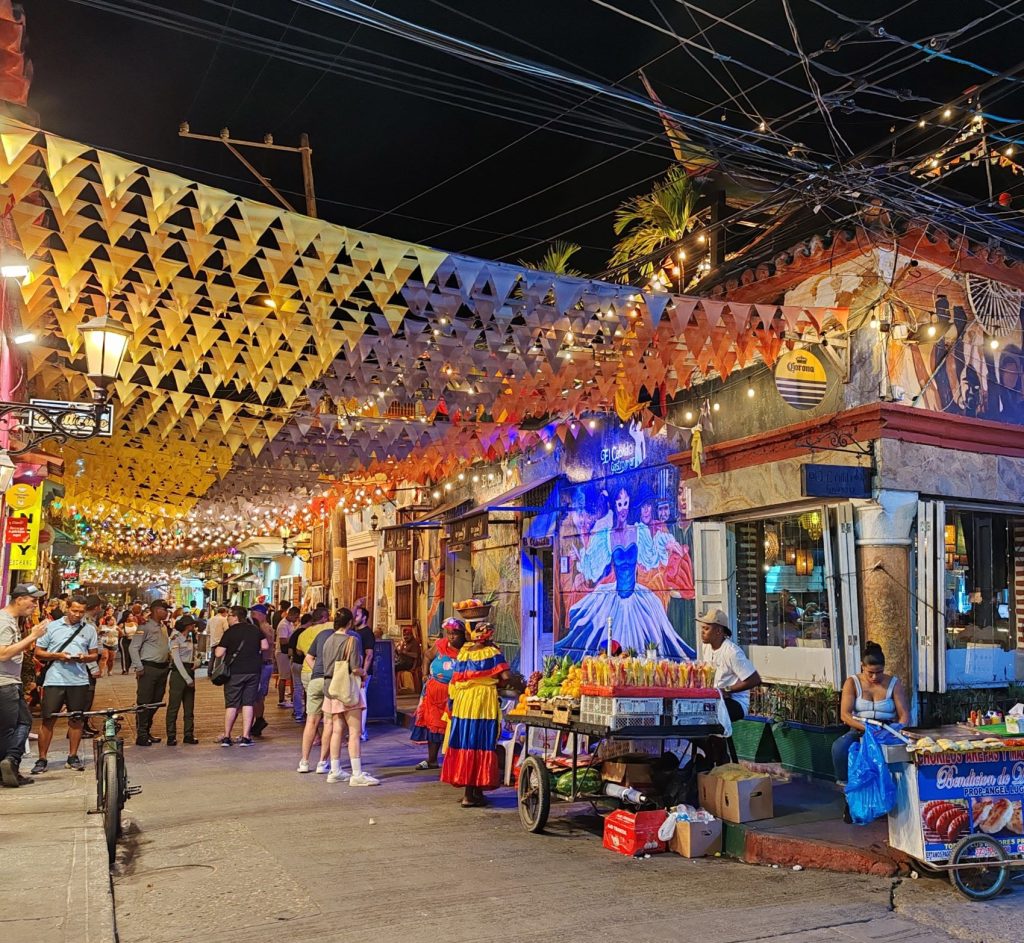
Cartagena is also a cultural city where you can enjoy street art, music performances and dance, as well as traditional Colombian food. In addition to daytime, it’s worth wandering the old center in the evening when the ancient streets and alleys are beautifully lit. Unlike many other old centers, Cartagena’s historic parts do not empty at night — quite the opposite, the city comes even more alive after sunset. Squares and promenades are lively in the evenings, filled with music, dance, theater, parties, and street food.
Santa Marta famous for beaches and active vacations
From Cartagena our journey continued eastward along the coast. We first stopped in Santa Marta, about four hours by bus away, where we visited our Finnish friend Iiris who has lived in Colombia for a longer time, and among other things went to the beautiful hill-surrounded Playa Inca Inca beach.
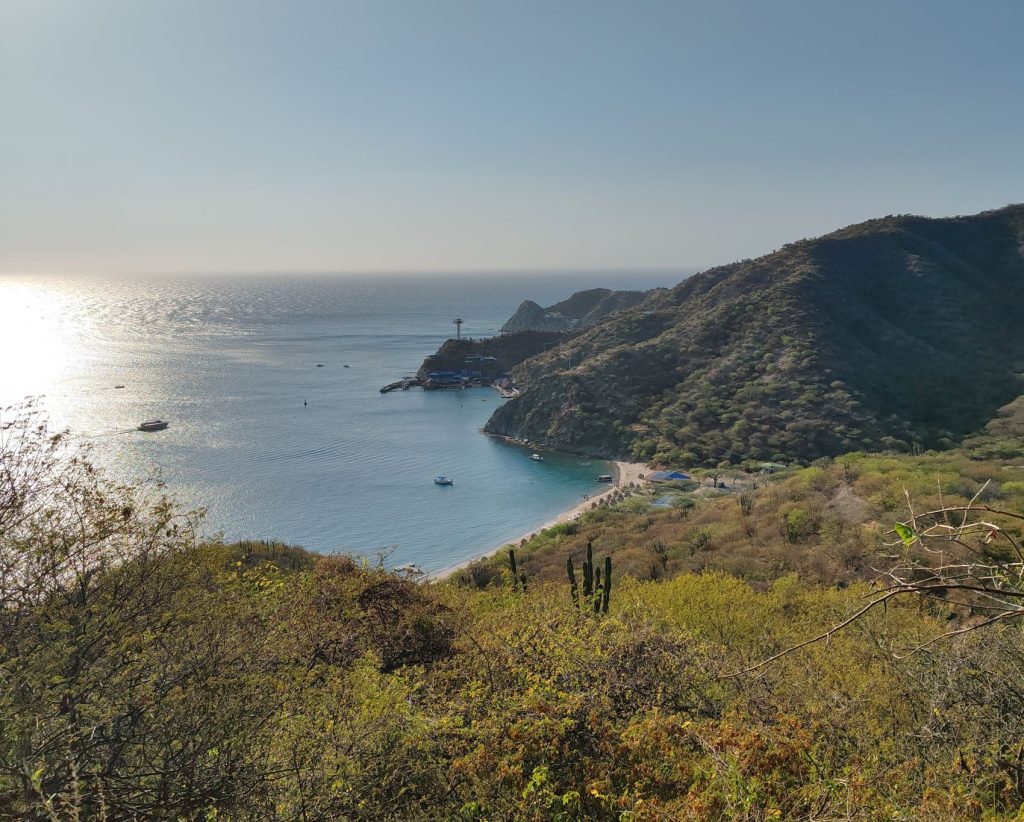
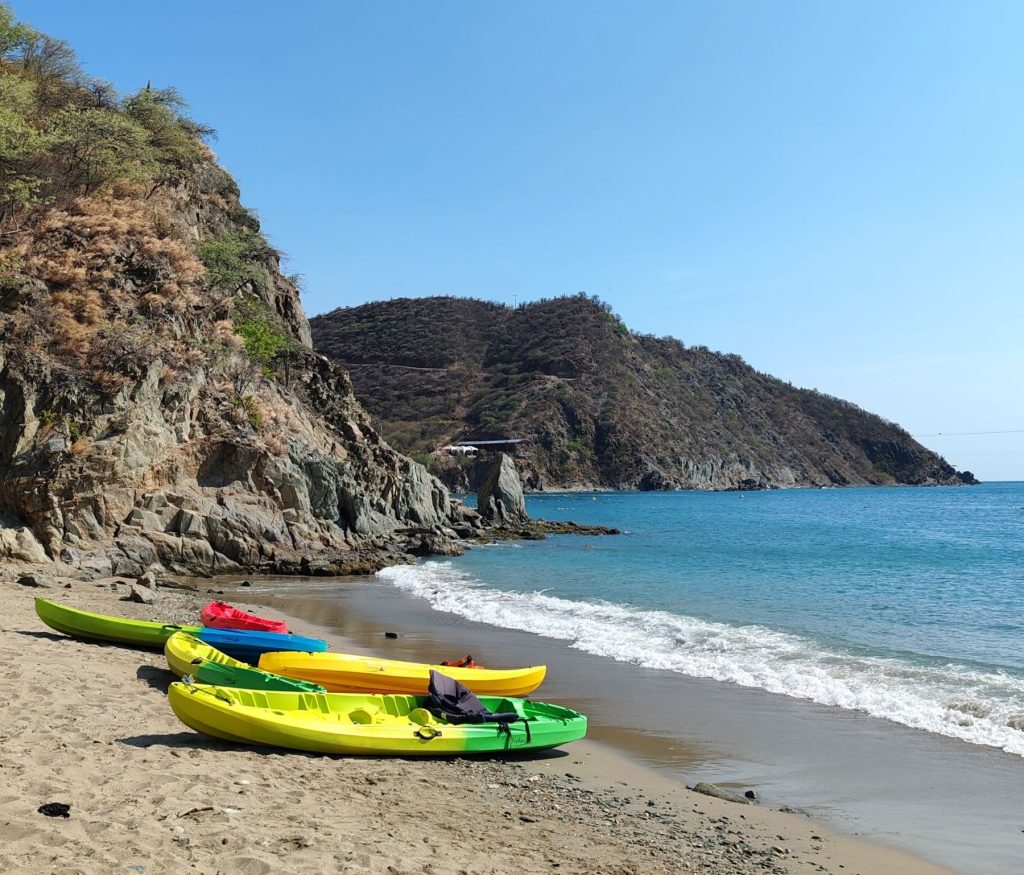
Santa Marta is an ancient colonial port city, but it is better known for the beaches and nature destinations surrounding the city than for its somewhat rundown old center. Santa Marta serves as a starting point for guided hikes to the “Lost City” Ciudad Perdida in the Sierra Nevada, as well as to Minca known for waterfalls and jungle-surrounded accommodations. These destinations would have interested us too, but they were left out for now due to limited time. We did get to enjoy jungle hikes in the next stops, Palomino and Tayrona National Park.
Backpacker vibes in hippie-ish Palomino
Palomino, located about two hours by bus east of Santa Marta, is a popular but relaxed beach vacation spot, and in a charming way old-fashioned, even hippie-like backpacker village. Palomino also has a reputation as a youth party destination, but partying seemed to concentrate in hostels near the beach. A bit farther from the beach, Palomino is quiet, with cute palm-thatched hostels and restaurants along its dusty roads.
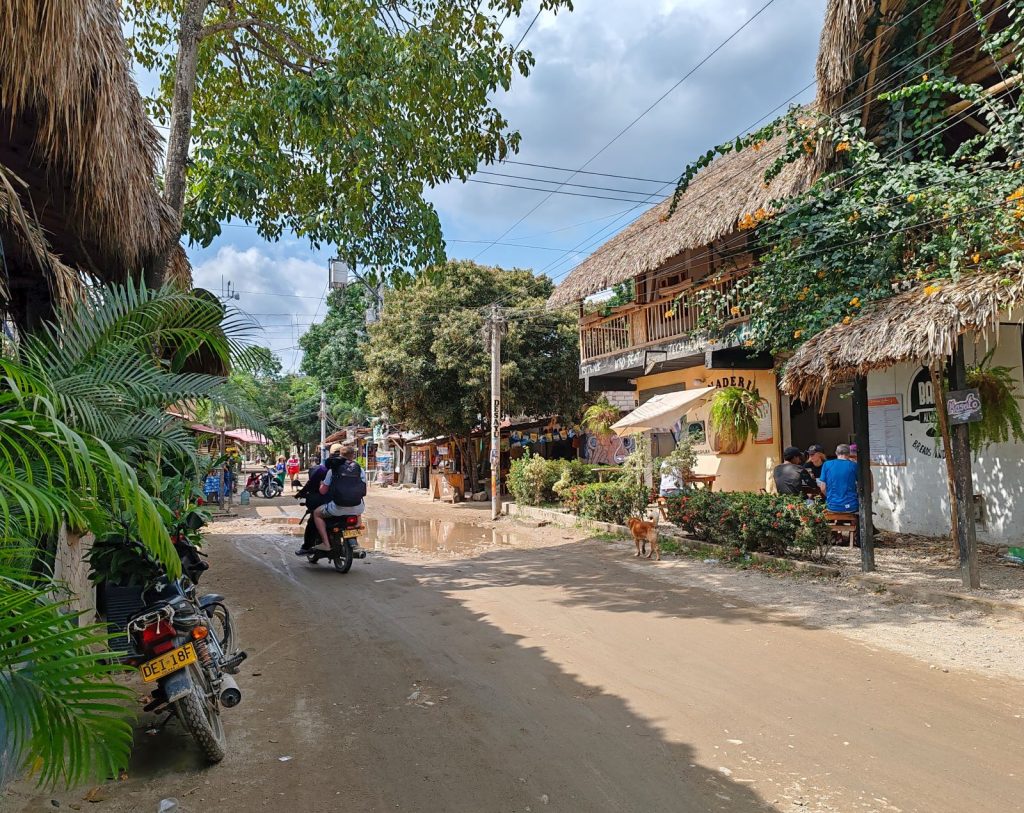
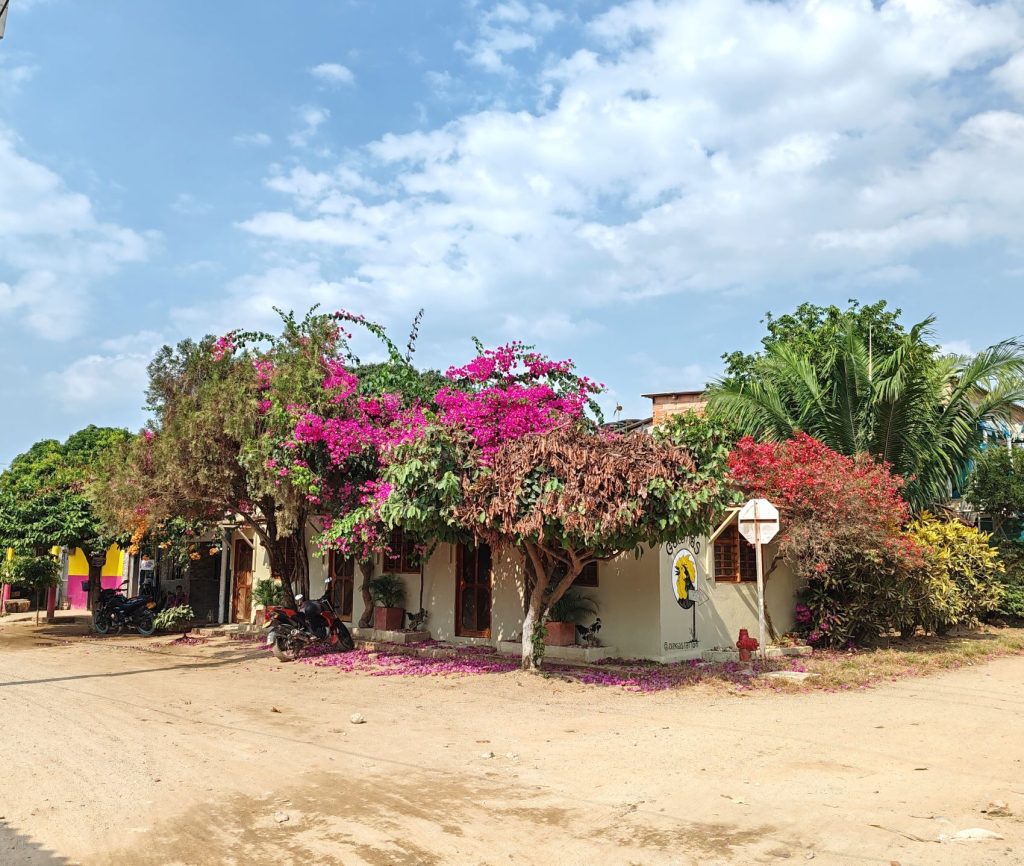
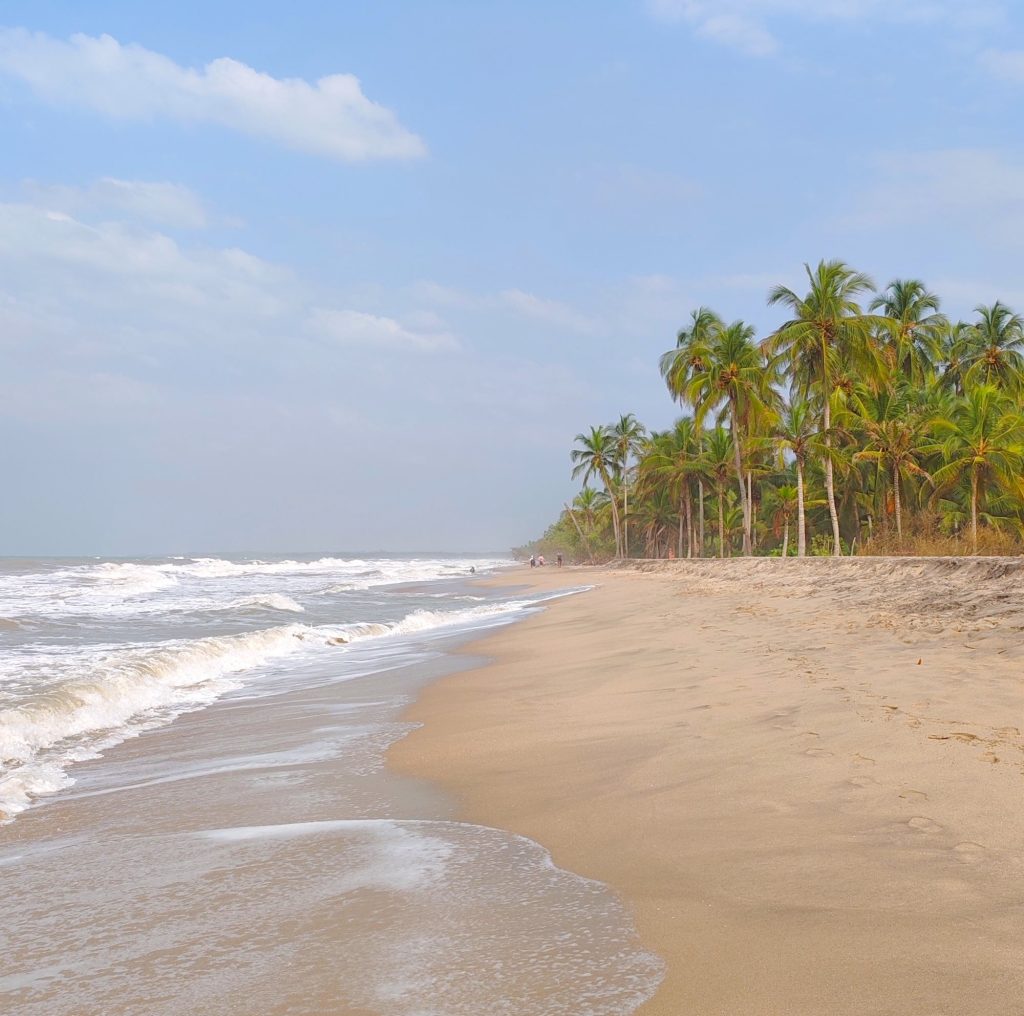
Palomino is an excellent base for exploring the surrounding nature with high mountains, jungles, rivers, and sandy beaches. The area’s biggest draw is Tayrona National Park, where we also did a day trip.
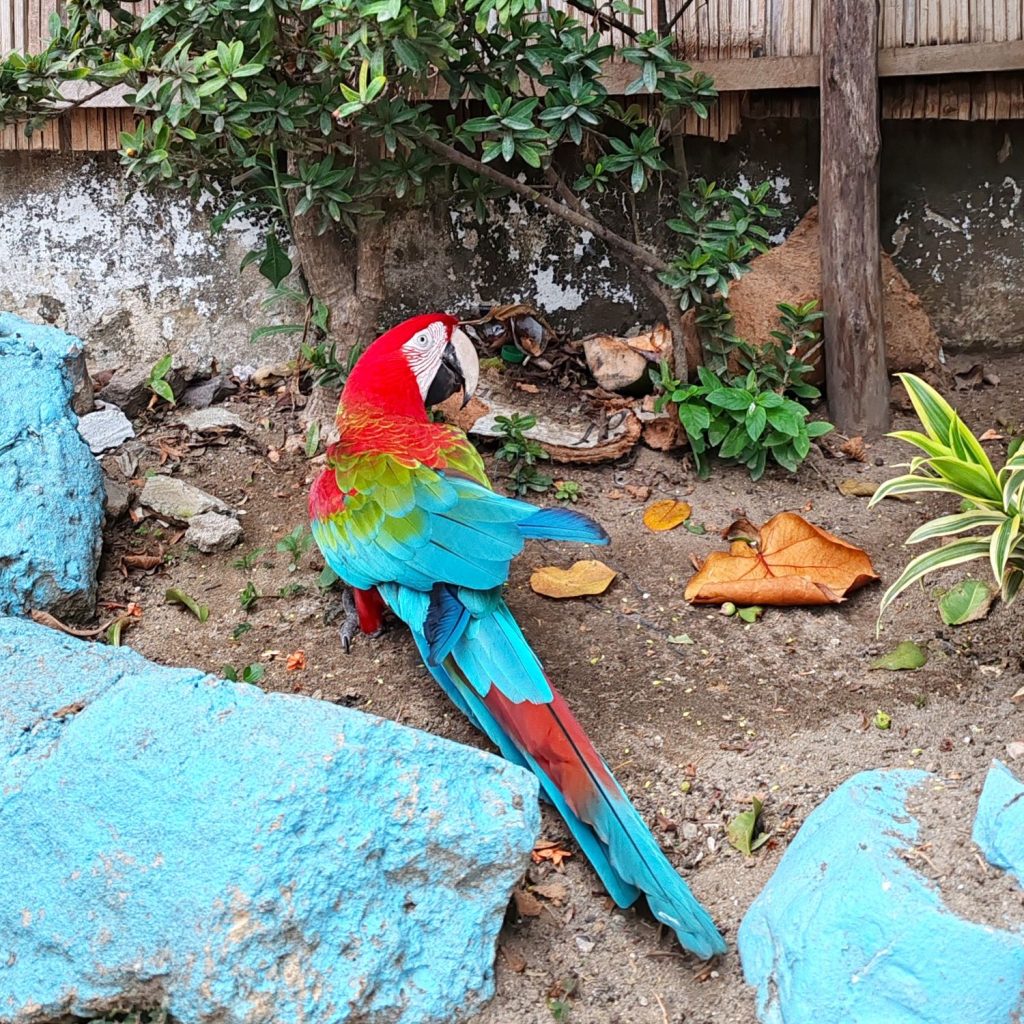
Jungle and beaches in Tayrona National Park
Located on the Caribbean coast at the foot of the Sierra Nevada mountains rising over 5,600 meters, Tayrona National Park has appeared on many lists of the world’s most beautiful nature destinations, and for good reason. Tayrona combines crystal-clear, white-sand beaches with almost untouched jungle nature in a stunning way.
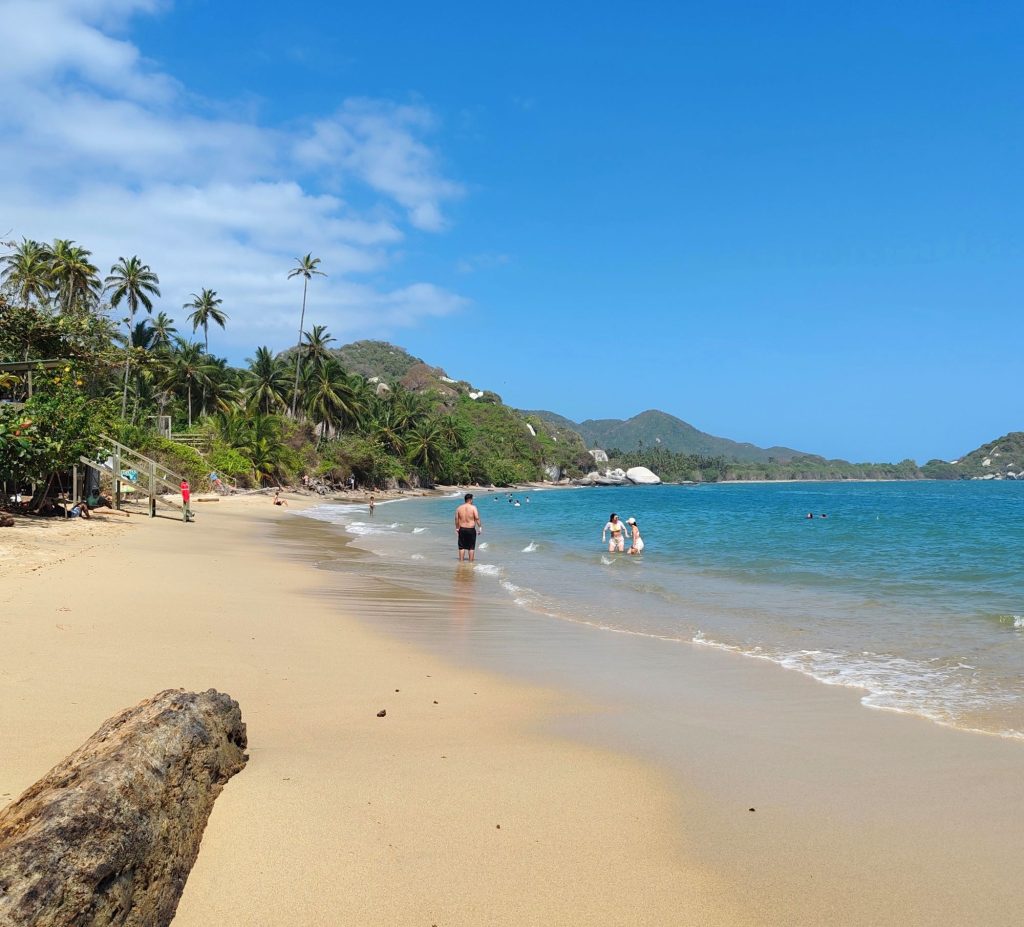

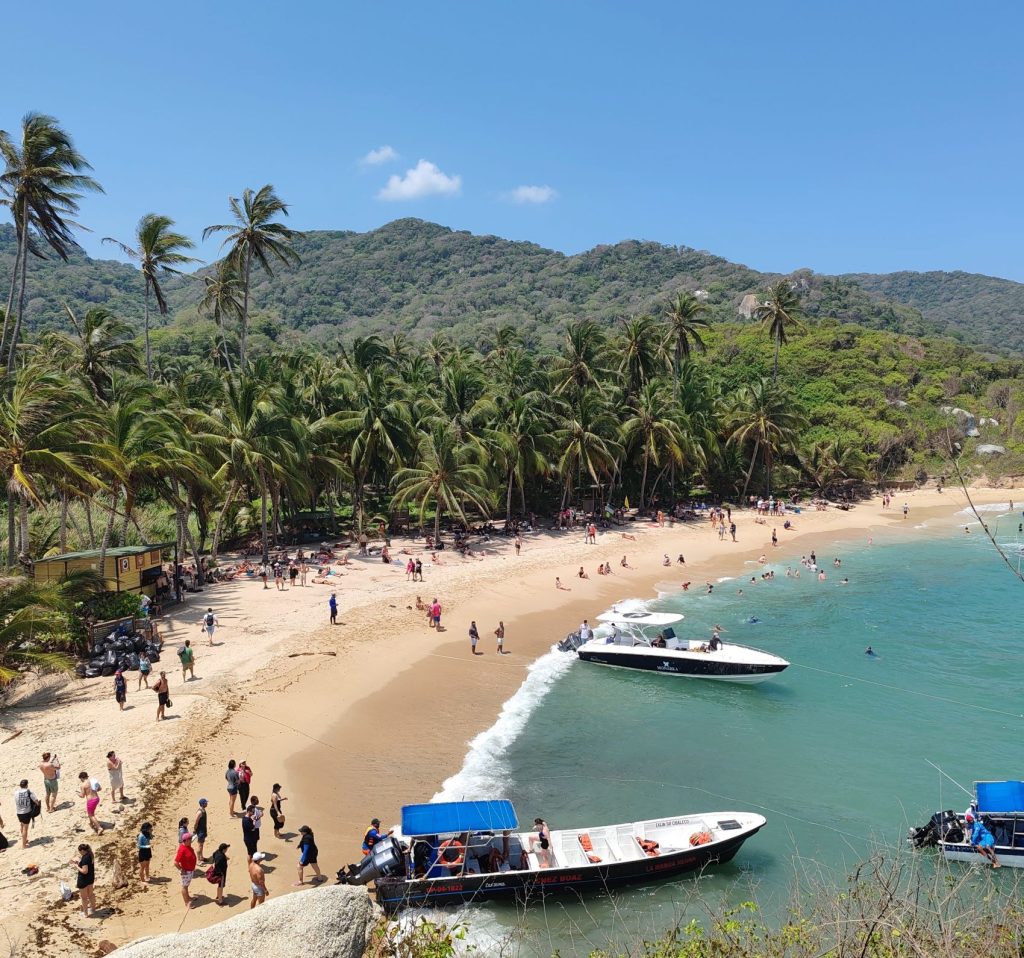
Tayrona is a very popular nature and beach destination that can be explored by hiking or by boat trips to the park’s beaches. We did a long day hike in the park — more about this will follow in a separate post that will include more info, photos and recommendations for visiting Tayrona and Palomino.
Quick visit to Barranquilla
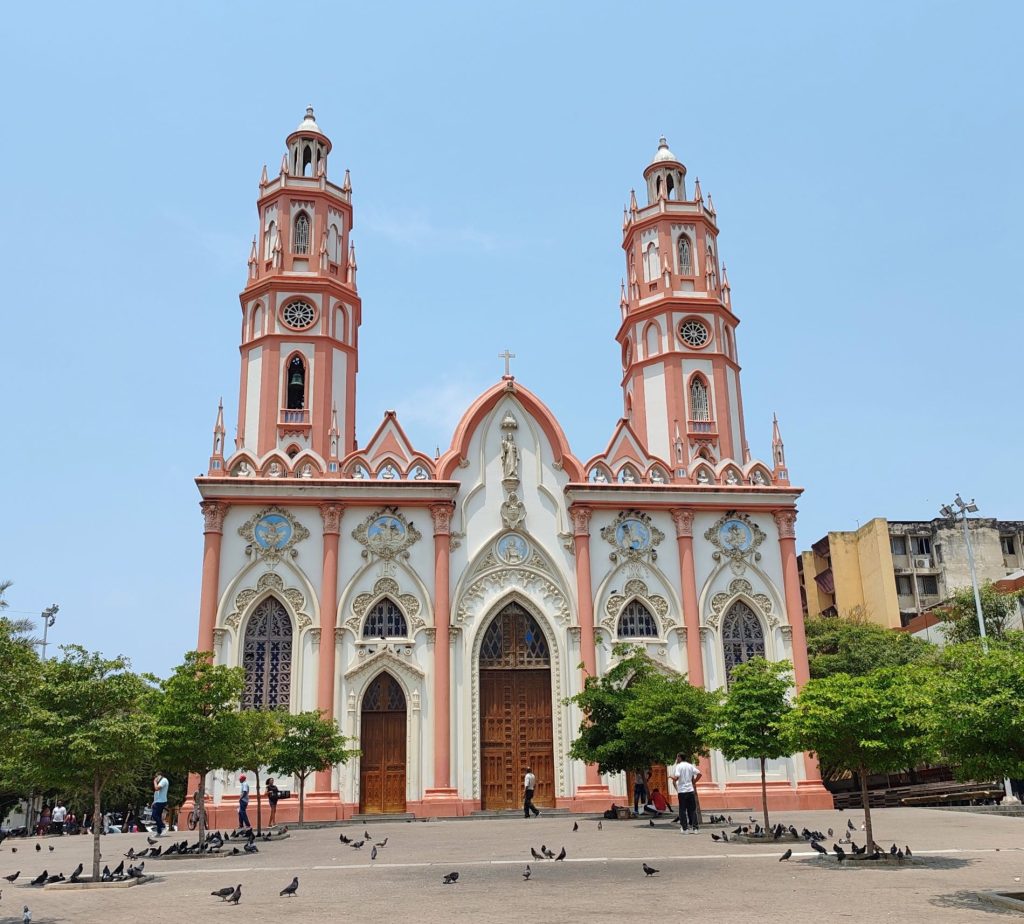
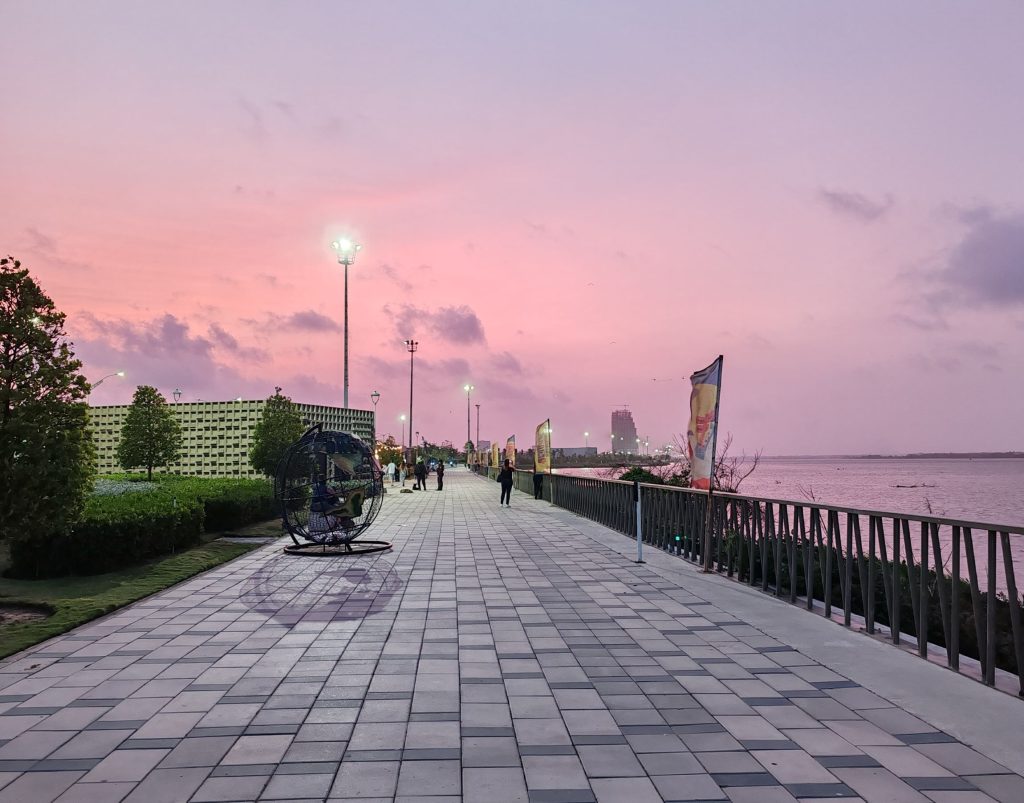
At the end of our Colombia trip, before returning to Bogotá and flying to the Amazon region in Brazil, we made a quick stop in Barranquilla. Our visit to Colombia’s fourth-largest city was partly work-related, and we only managed a fairly quick sightseeing round. Barranquilla is an old, somewhat sprawling port city whose biggest draw is the gigantic carnival held annually during Carnival week. Barranquilla also has old architecture, but the so-called old center is quite rundown. We stayed in the affordable Hotel Villa Giron Inn* next to the old center, which we thought had a good location but was mainly surrounded by auto repair shops. Barranquilla’s most pleasant parts are found in the newer center and along the Magdalena River promenade.

Thoughts and tips for traveling to Colombia
Our nearly two-month loop around Colombia showed us quite diversely the different destinations of this beautiful country, but much was still left unexplored. Colombia is one of those countries that left us feeling we need to return at some point — and perhaps even stay longer. No visa is required for Colombia, and you get 90 days on arrival. The country is considered somewhat dangerous in some respects, but we have nothing negative to say about safety. The locals we met were quite friendly, and the price level is pleasantly affordable. Colombia is still quite a cash-based country, so it’s good to always have Colombian pesos in your pocket. Currency exchange offices are easy to find, and you can of course withdraw local currency from ATMs, though there is always a few-euro fee (plus any fee from your own bank). The local language is Spanish, and English is spoken very little, so Google Translate or similar translation tool is a good aid. Using mobile data with a Finnish SIM is expensive, so it’s worth getting a cheap local SIM card (e.g. Claro).
You can visit Colombia year-round, but weather conditions vary across regions. In Andean cities near the equator there is very little seasonal variation, with both sun and rain (mostly short showers) year-round. The April–May and September–November rainy seasons affect coastal destinations and the coffee zone more. On the Caribbean coast it’s hot and sunny in the dry season, rainy and cloudier in the wet season but still very warm. In mountainous rainforest areas near the coast it’s humid and hot year-round.
Stories and experiences from Colombia (and other Latin American countries this spring) can also be found on FinnsAway Instagram and in Facebook

Route map and destinations
Where to get travel insurance for a longer trip?
Over more than eight years of nomad life, we’ve searched for cost-effective and reliable solutions, especially for travelers’ health insurance.
In the article Nomad Travel Insurance: 3 +1 Easy Options, we present international insurance options suitable also for extended trips.